While the well-trodden tourist corridors of Tokyo, Kyoto, and Osaka capture the bulk of Japan’s international visitors, a quieter, more sensory-driven revolution is taking place in the inland hills and coastal plains of Mie Prefecture. Here, the agricultural calendar dictates a rhythmic, three-season cycle of fruit-picking—or kajitsu-gari—that offers a rare glimpse into the authentic, community-based farming culture of the Kansai and Chubu regions.
Unlike the heavily commercialized, brand-name fruit regions of Yamanashi or Fukushima, Mie’s orchard belt operates with a focus on intimacy and accessibility. For the discerning traveler, adding a morning of fruit-picking to an itinerary centered on the sacred Ise Grand Shrine or the high-octane thrills of Nagashima Spa Land provides a refreshing, low-key, and deeply satisfying counterpoint to the rush of modern tourism.
Main Facts: The Essence of Japanese Kajitsu-gari
In Japan, the term kajitsu-gari refers to more than just harvesting crops; it is a cultural ritual. Unlike the Western “pick-your-own” model, where produce is weighed and purchased by the pound, the Japanese system is fundamentally rooted in the “all-you-can-eat” format.
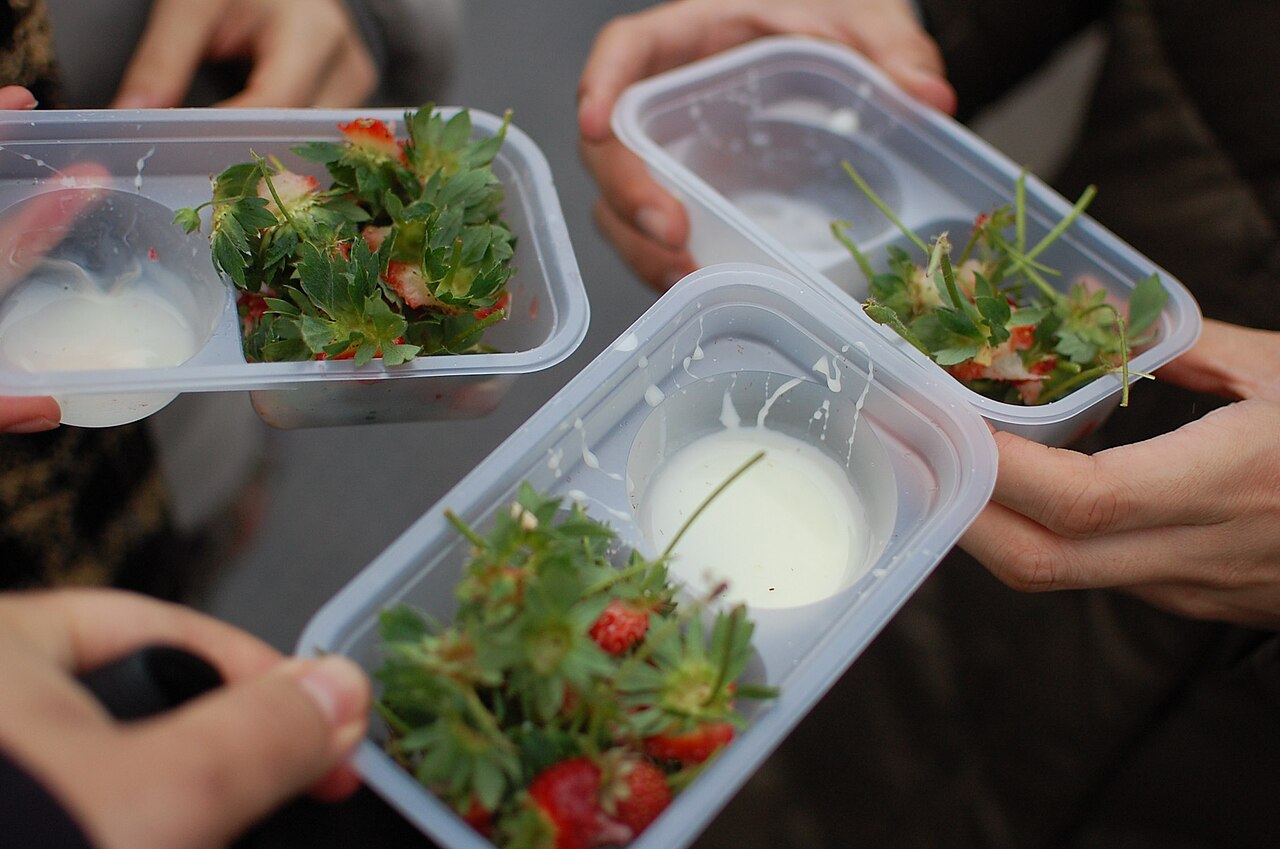
When a visitor enters a participating farm, they are typically granted a set window of time—usually 30 to 60 minutes—during which they may consume as much fruit as they wish within the designated greenhouse or orchard area. The economics are equally distinct: by bypassing the retail supply chain, travelers can enjoy premium, orchard-fresh fruit at prices 40–50% lower than those found in the upscale department stores of Tokyo or Osaka.
The Mechanics of the Experience
- The Entry Fee: A flat rate is paid upon arrival, covering the allotted time in the orchard.
- The “No-Take-Home” Rule: Consumption is restricted to the grounds. If visitors wish to carry fruit away, they must purchase it separately, usually by the bunch or the basket, at a pre-set market price.
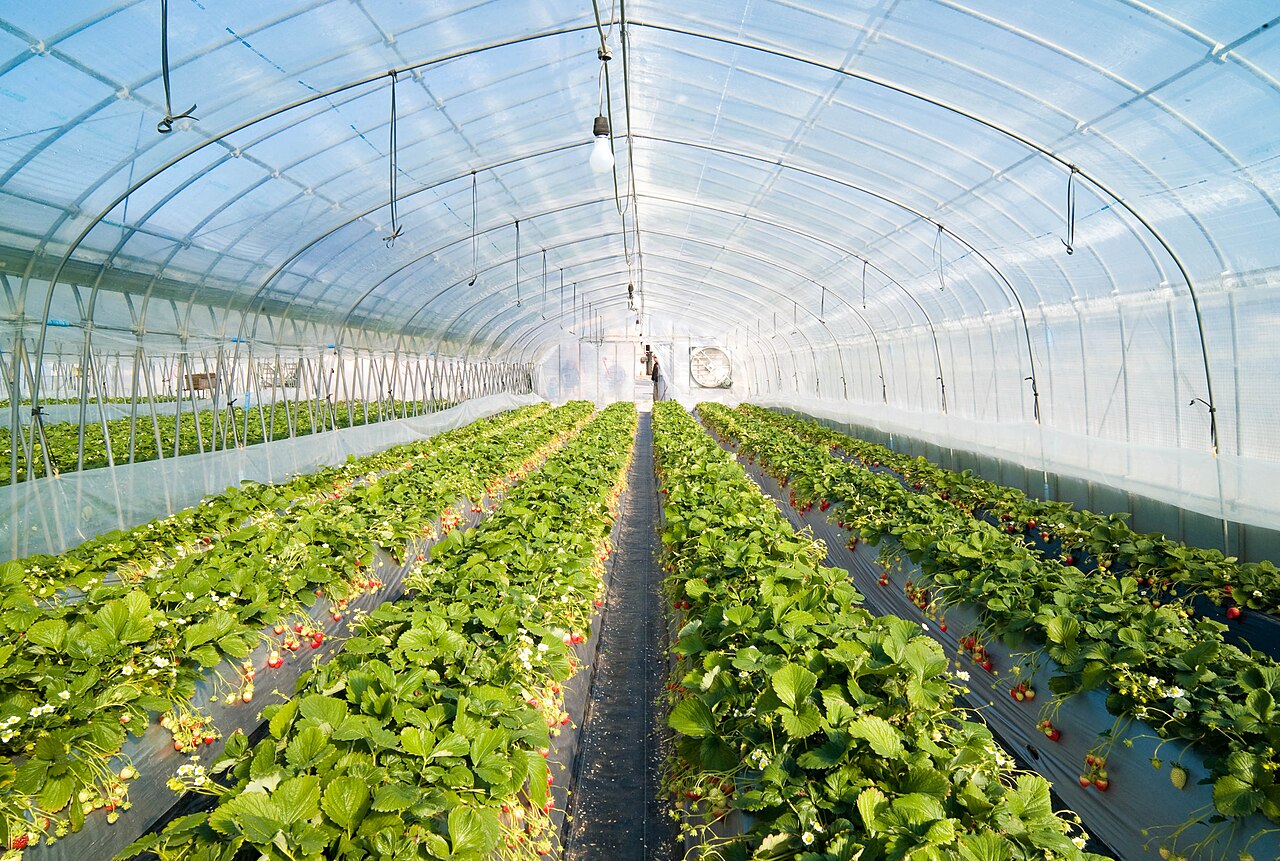
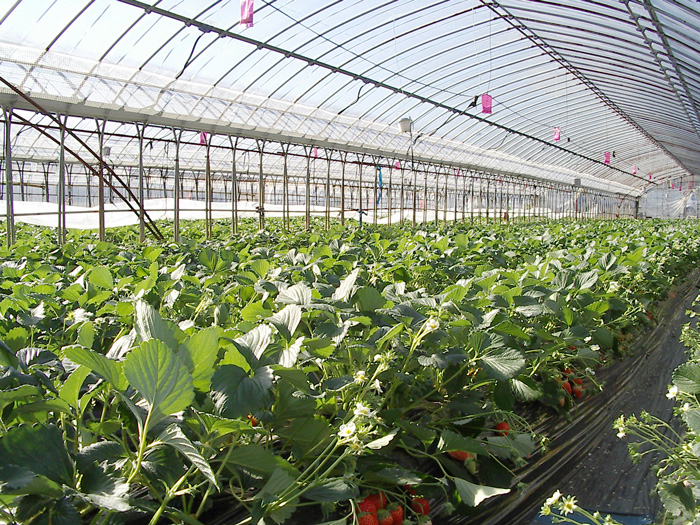
- The Efficiency of Scale: Because these are working farms, the infrastructure is optimized for efficiency. For instance, the strawberry industry has largely migrated to hydroponic, raised-bed systems, allowing for a waist-height picking experience that eliminates the need for back-breaking labor.
The Chronology of the Harvest
Mie’s agricultural diversity allows for a long, staggered harvest season that spans almost the entire year.
The Strawberry Season (January–May)
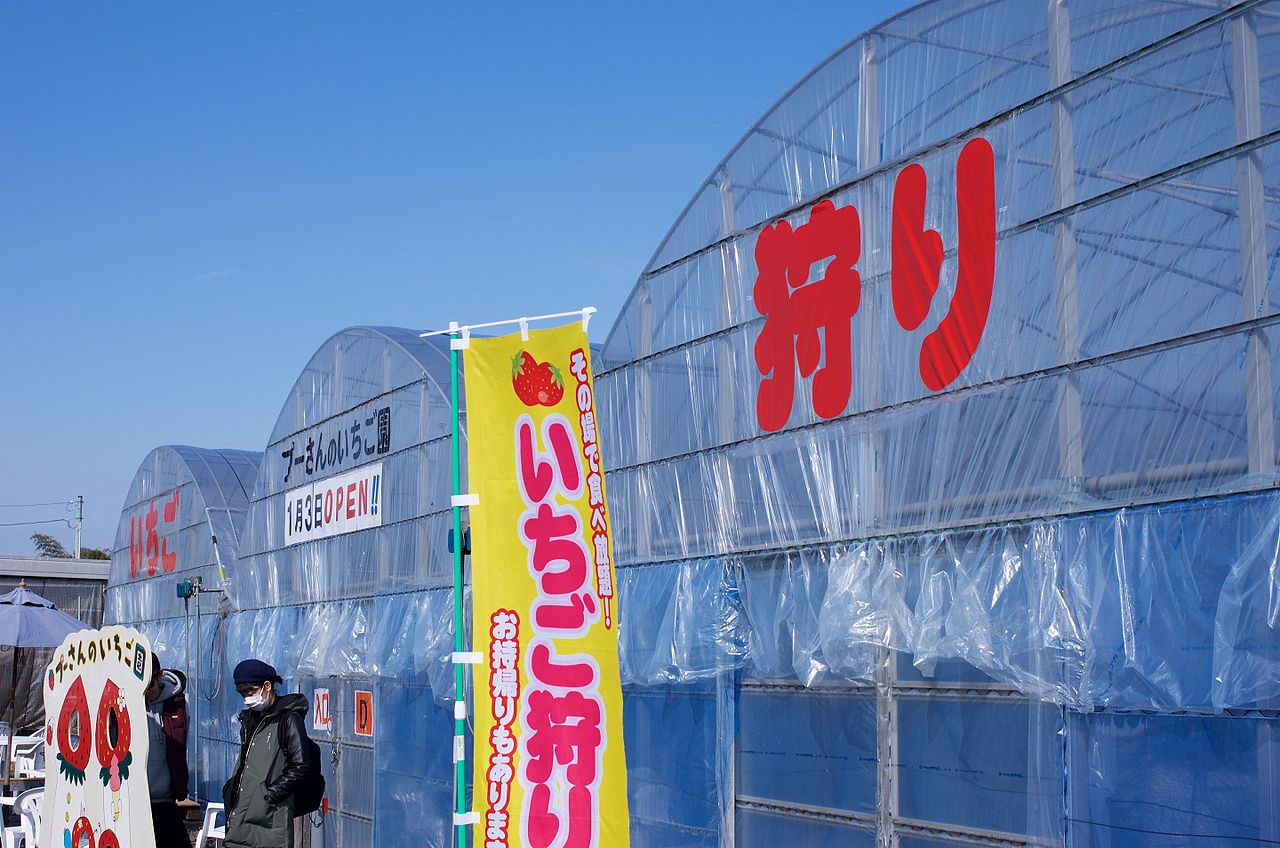
Ichigo-gari is the most accessible entry point for visitors. The season begins in mid-January, utilizing advanced greenhouse technology to maintain optimal growth conditions through the humid transition into May. The raised-bed setup ensures that even in the height of the season, the environment remains clean, manageable, and largely weather-proof.
The Summer Transition (June–July)
As the strawberry greenhouses wind down, the focus shifts to stone fruits. Plums (ume) arrive in June, though these are primarily harvested for home-pickling rather than raw consumption. By July, peaches (momo) take center stage. While smaller in scale than the major producers in the north, Mie’s peach farms offer a serene, high-quality experience in the central prefecture hills.
The Autumn Grape Harvest (August–October)
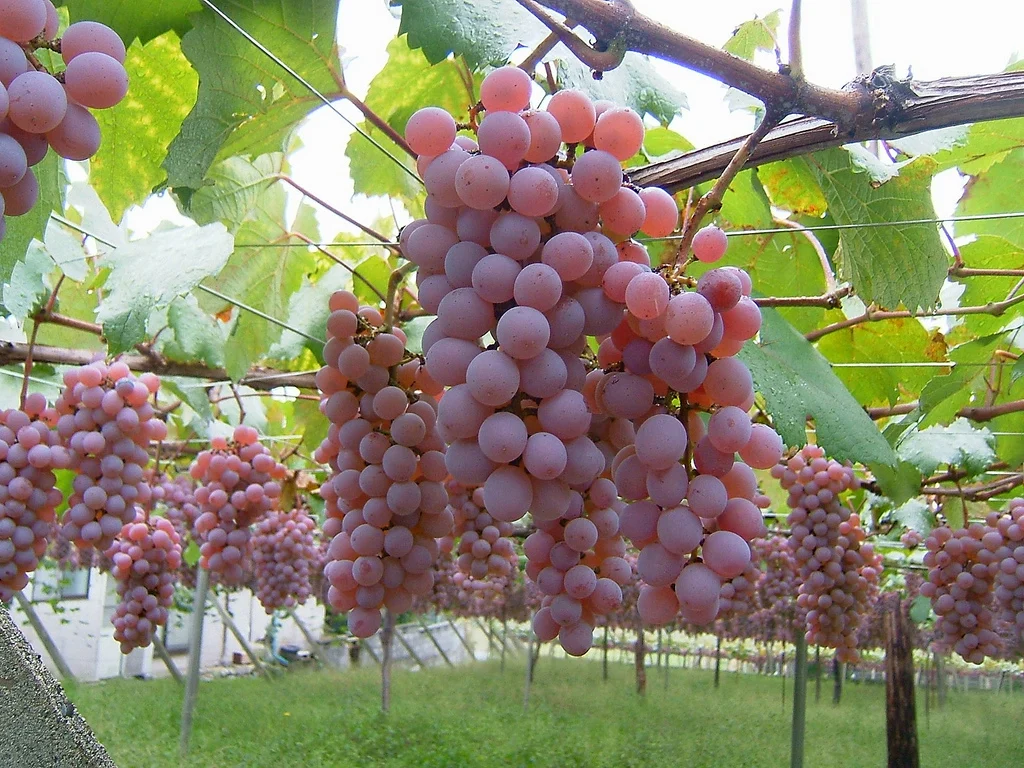
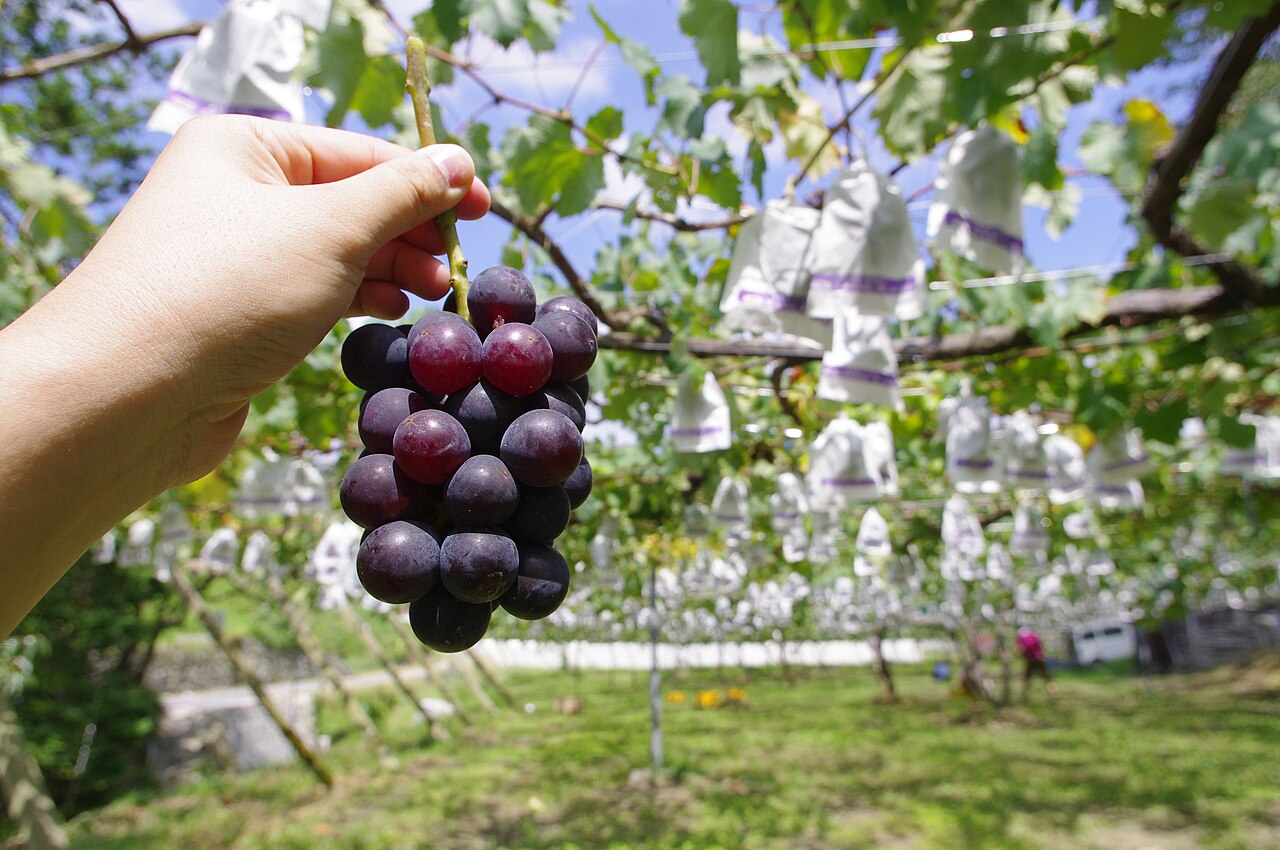
Budo-gari represents the second-largest segment of Mie’s fruit-picking industry. The Nabari and Iga regions are the heartlands for this activity. Utilizing the Japanese overhead trellis system, these vineyards keep fruit shaded and accessible, allowing visitors to walk comfortably beneath heavy, sweet clusters of Kyoho and Shine Muscat grapes.
Supporting Data: Regional Cultivars and Agricultural Science
Mie’s agricultural success is not merely a result of climate; it is supported by rigorous scientific research. The Mie University agricultural research station plays a pivotal role in this ecosystem, having developed proprietary cultivars tailored to the local geography.
Cultivar Breakdown
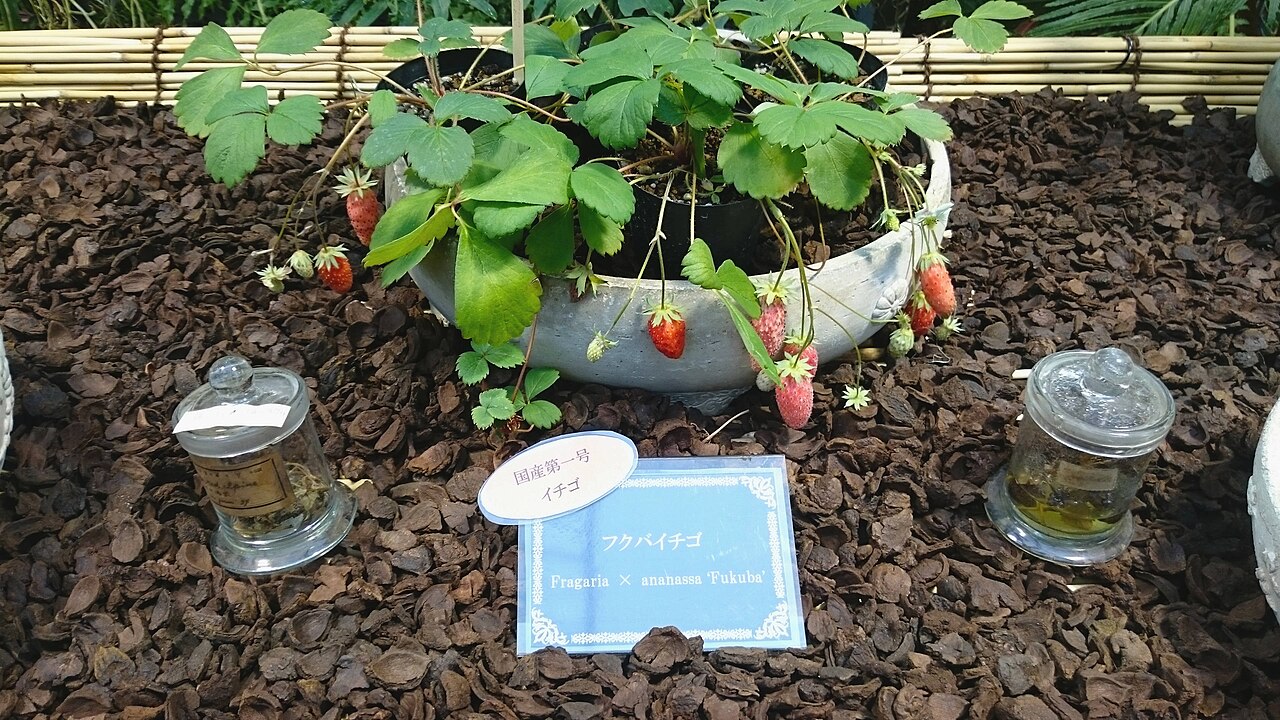
- Strawberries: Visitors will often encounter the large, sweet Amaou variety, alongside the more delicate Tochigiotome. Occasionally, lucky pickers may stumble upon the rare Hakuou (white strawberry), a boutique variety prized for its aesthetic appeal.
- Grapes: While Kyoho and Shine Muscat are the industry staples, the Takao grape—a locally significant table variety—is a standout for those looking for a sophisticated, comparative tasting experience.
- Citrus: The southern Kii Peninsula, particularly around Owase and Kumano, specializes in unshu mandarins. Their season runs from December through February, providing a winter harvest that supplies the premium markets of Tokyo.
Official Responses and Tourism Logistics
The local government and regional tourism boards have recently begun to promote kajitsu-gari as a "slow tourism" initiative. By encouraging visitors to spend more time in rural areas, the prefecture hopes to distribute the economic benefits of tourism more equitably across the Kii Peninsula.
The "Car-First" Reality
A critical implication for international travelers is the reliance on private transportation. While Japan’s rail network is world-class, the orchard belt of Mie is largely rural. The most effective way to visit is by securing a rental car from transport hubs in Nagoya, Tsu, or Nabari. A half-day rental, costing between ¥4,000 and ¥6,000, provides the freedom to navigate the 20-to-40-minute drives between farms and regional attractions.
For those hesitant to drive, there is a growing market for pre-booked day-tour operators based in Osaka and Nagoya. These tours, priced between ¥8,000 and ¥12,000, typically include coach transport, farm entry, and a secondary visit to a cultural site or shopping outlet, streamlining the experience for the logistics-conscious traveler.
Implications for the Modern Traveler
Is a trip to Mie specifically for fruit-picking worth the effort if you are based in Tokyo? The answer depends on your travel philosophy.
As a Standalone Destination
If you are flying into Japan for a short duration, traveling 3–4 hours by Shinkansen solely for a 60-minute fruit-picking session is likely disproportionate. The Yamanashi and Tochigi regions offer similar experiences with significantly shorter travel times from the capital.
As an Integrated Experience
However, as a component of a broader itinerary, Mie’s fruit-picking is superlative. The synergy between the agricultural heartland and Mie’s other attractions is profound:
- The Family Strategy: Pair a morning of strawberry picking in Nabari with an afternoon at Nagashima Spa Land. The 45-minute drive creates a perfect balance between rural tranquility and modern entertainment.
- The Cultural Pivot: For those visiting the Ise Grand Shrine, a stop at a local orchard provides a necessary, lighthearted break from the solemnity of the shrines.
- The Gastronomic Link: Perhaps the most compelling combination is an early morning harvest followed by a lunch featuring Matsusaka beef. This pairing—one of Japan’s most luxurious meats alongside its freshest seasonal fruit—offers a culinary narrative that captures the essence of the region.
FAQ: Navigating the Orchards
Q: Do I need to speak Japanese to participate?
A: While English-speaking staff are not guaranteed at every farm, the process is highly visual and intuitive. Google Translate’s camera function is sufficient to decipher signage, and most farms have established systems for communicating time limits and pricing.
Q: Why is the strawberry season so long?
A: Through the use of climate-controlled greenhouses and hydroponic bench systems, Mie farmers can extend the harvest period far beyond what the natural climate would dictate. This allows for consistent production from January all the way through the end of May.
Q: Is it appropriate for children?
A: It is arguably one of the most family-friendly activities in the country. The structure is clear, the activity is physically engaging, and the reward—fresh, sweet fruit—is universally appealing. Many farms offer tiered pricing, with children often receiving a 50% discount.
Q: What should I wear?
A: Dress in layers. Greenhouses can reach 25°C or higher, even in winter. Closed-toe shoes are strongly recommended, as the ground in working farms can occasionally be muddy or uneven.
By choosing to explore the orchards of Mie, the traveler moves beyond the "tourist" label and into the role of a participant in a centuries-old tradition. It is a quiet, delicious, and deeply authentic way to witness the heartbeat of rural Japan.