Ammar Sabilarrohman
For decades, the ethos of the self-hosting community has been defined by a simple, rugged principle: "Your server, your rules." By moving data from corporate clouds to local Docker containers, enthusiasts regained sovereignty over their digital lives. However, this liberation has always carried an implicit tax—the burden of maintenance. Traditionally, this meant navigating GitHub repositories, wrestling with configuration files, and keeping an eye on project health. But today, a new, volatile variable has entered the ecosystem: "vibe coding."
The term "vibe coding"—the practice of using AI tools to rapidly generate functional, polished-looking software—has lowered the barrier to entry to near zero. While this has resulted in an explosion of creative tools, it has also decoupled the "look and feel" of a professional application from the "boring" security infrastructure that actually protects users. As a result, the self-hosting community is currently facing a silent crisis of trust, technical debt, and abandonment.
The Illusion of Polish: How Vibe Coding Masks Deep Flaws
In the era of AI-assisted development, a single developer can push a feature-rich, visually stunning application to GitHub in days. Yet, these projects often lack the foundational "unsexy" requirements of sustainable software: robust authentication, data migration strategies, secure telemetry, and, most importantly, professional security governance.
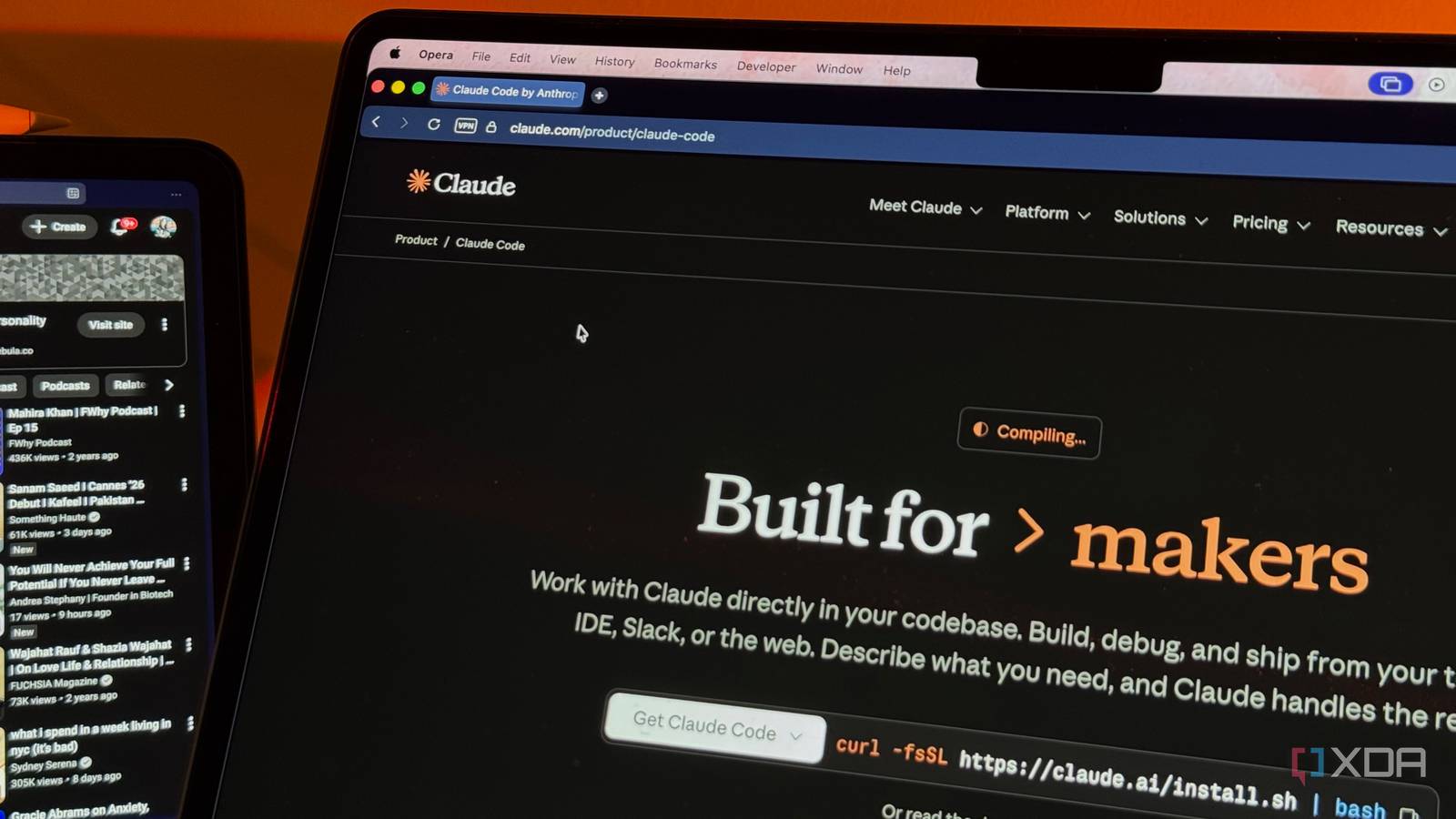
When you install a self-hosted app, you are granting it a privileged position inside your network. It sits behind your reverse proxy, alongside your private documents, media libraries, and API credentials. When developers ship code they don’t fully understand—often because the AI generated it without clear oversight—the vulnerabilities aren’t just bugs; they are structural weaknesses in your digital perimeter. We are seeing a growing graveyard of projects that gained rapid popularity, only to collapse when the "vibe-coded" architecture proved too fragile to survive real-world usage.
Case Study: The Rise and Fall of Huntarr
The most illustrative example of this phenomenon is Huntarr, an automation tool for media management stacks. Given its nature, it was required to handle sensitive API keys and administrative credentials for multiple underlying services.
A Chronology of Neglect
Months ago, the community received a rude awakening when a security researcher published a comprehensive reproduction repository on GitHub. The report detailed 21 distinct vulnerabilities within version 9.4.2 of Huntarr. The findings were catastrophic: unauthenticated settings modifications and the exposure of API keys and passwords in plaintext.

Following the disclosure, the project’s official GitHub repository and its associated subreddit went dark. There was no official patch, no communication from the lead developer, and no migration path for users. The community was forced to scramble, advising users to immediately take the service offline and perform a full rotation of every credential the app had ever touched. This wasn’t merely a bug; it was a total failure of software stewardship.
The BookLore Debacle: Technical and Social Debt
If Huntarr was a security failure, BookLore serves as a case study in social and technical implosion. Throughout early 2025, the project saw an inexplicable surge in code volume. Over four consecutive weeks, the repository added over 350,000 lines of code. Analysis of the contribution patterns showed that nearly all of this was written by a single contributor, with a negligible amount of the code accounted for by standard dependency updates or lockfiles.
The Anatomy of an AI-Driven Collapse
While the maintainer denied that the project was primarily AI-generated, the sheer volume of code—littered with raw SQL queries and architectural incoherence—spoke for itself. Users reported a myriad of issues: persistent data loss, UI instability, and a complete disregard for community-contributed patches.

The situation worsened when allegations of questionable governance emerged: reports of deleted Discord history, the restriction of API access for third-party clients, and a looming, controversial move from an open-source license to a restrictive, proprietary model. Shortly after these tensions peaked, the project’s Docker images, website, and support channels were abruptly shuttered. The final nail in the coffin was the discovery of "zombie" telemetry—a feature that continued to ping external servers with IP addresses and unique installation IDs even after the user had explicitly toggled it off.
The Counter-Narrative: Bambuddy and Ethical Disclosure
Not every AI-assisted project is doomed to become a cautionary tale. Bambuddy, a control center for Bambu Lab printers, demonstrates that the problem isn’t the use of AI, but the lack of human accountability.
When Bambuddy was found to contain a severe vulnerability—a hardcoded JSON Web Token (JWT) secret that effectively allowed unauthorized access to the printer’s controls—it was an "all hands on deck" moment. However, unlike the developers of Huntarr, the creator of Bambuddy acted with professional maturity. Within 24 hours, the flaw was patched, a formal security advisory was issued on GitHub, and users were clearly informed of the remediation steps.

This transparency is the defining metric for the modern self-hosted era. We cannot expect code to be bug-free, especially when it is produced at the speed of modern AI tools. We can, however, demand that maintainers own the consequences of their code.
The Persistent Reality of Burnout
It is critical to distinguish between "vibe-coded" disasters and legitimate open-source burnout. Many projects, such as Pingvin Share or Homebox, have reached the end of their lifecycle in a healthy, responsible manner. Their maintainers, overwhelmed by the thankless task of providing free support to a massive user base, issued clear notices of project archiving.
In these cases, the community was often able to organize a smooth transition or a fork. This is the hallmark of a healthy ecosystem: when an app dies, it should leave behind a map, not a crater. The danger arises when the development velocity outpaces the maintainer’s ability to manage the project’s social and security footprint.
The Wider Implications: A Security Epidemic
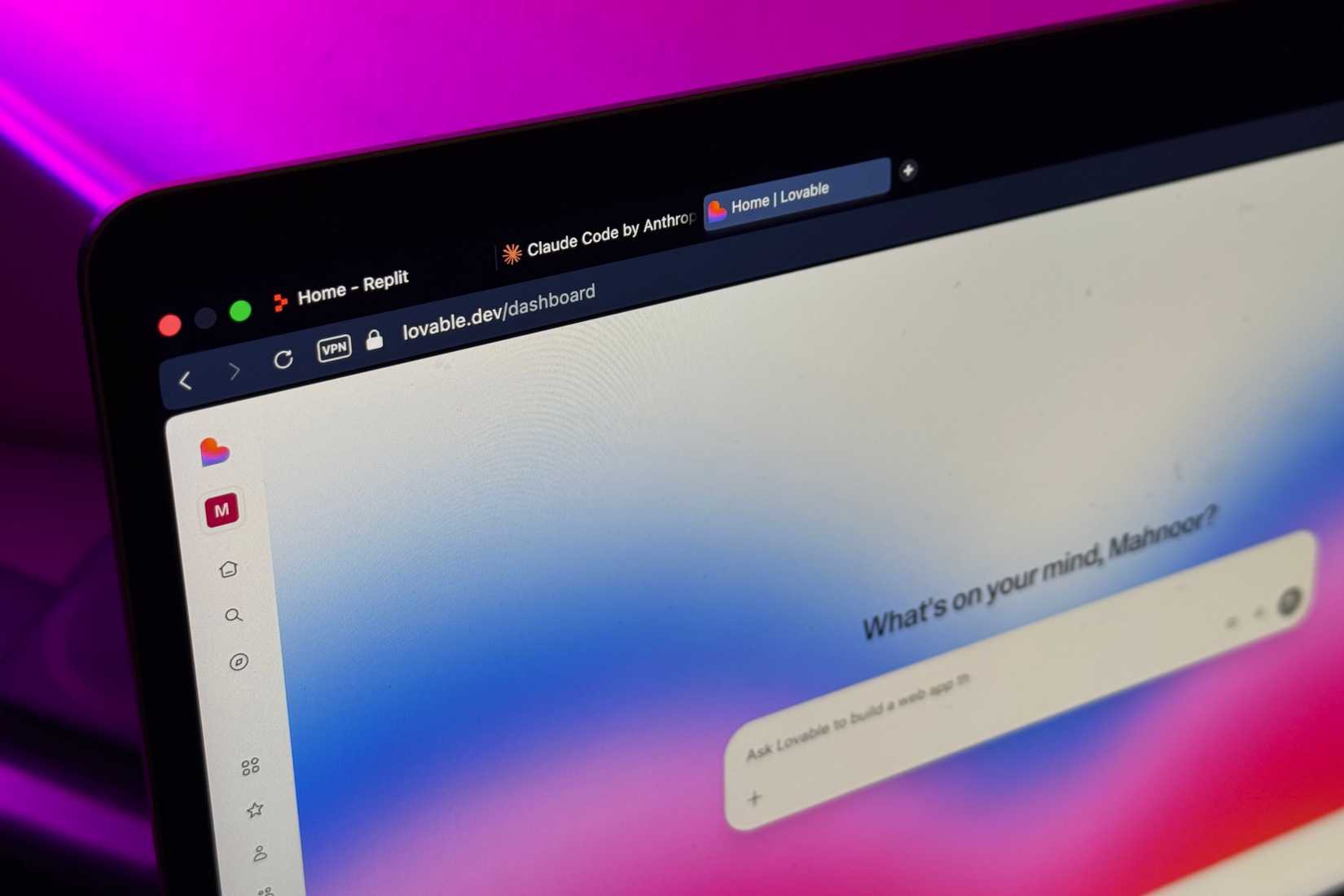
The problem extends far beyond the self-hosted niche. A recent scan of over 130,000 sites built on "vibe-coding" platforms by RedHunt Labs revealed that nearly 20% contained leaked secrets or exposed sensitive credentials. When you build an application with a tool that writes code for you, the AI doesn’t know that it shouldn’t store an API key in the frontend or that an endpoint requires authentication. It simply fulfills the request.
For the average self-hoster, this means that "one-click" solutions are becoming increasingly dangerous. The convenience of spinning up a new container to solve a minor problem is now a high-risk activity if the application hasn’t been vetted by the community.
How to Protect Your Infrastructure
As the lines between AI-assisted and human-written code continue to blur, the self-hosting community must adopt a more defensive posture:
- Treat New Apps as Untrusted Dependencies: Before deploying a new tool, inspect the repository. Is there more than one active maintainer? Are issues being addressed? If there is no security policy or clear history of releases, treat the app as an experiment.
- Verify, Don’t Just Install: If an app holds your data, do not expose it to the internet without a robust, secondary layer of authentication (e.g., Authelia, Authentik, or a VPN like WireGuard). Assume the application itself is the weakest link.
- Prioritize Portability: Always ensure you have a clean, non-proprietary way to export your data. If the app locks you into a specific database format that you cannot easily migrate, you are at the mercy of the maintainer’s whim.
- Monitor the "Dead" List: If you are running an app that has gone silent, start looking for a replacement immediately. Do not wait for a security scandal to force your hand.
- Support Ethical Maintainers: If a project maintains high standards of transparency, security, and communication, support them. Whether through donations, documentation, or code contributions, sustaining responsible maintainers is the best way to ensure the long-term viability of the self-hosted ecosystem.
Conclusion: Sovereignty Requires Vigilance
Self-hosting remains one of the most rewarding ways to engage with technology. It offers a level of control and privacy that is impossible to find in the commercial cloud. However, that control is not a magic shield. It is a responsibility.
As the "vibe coding" era continues to lower the barrier to software creation, it simultaneously raises the barrier to software consumption. The community must move away from the blind trust of "stars on GitHub" and toward a model of rigorous verification. We must accept that while AI can write the code, it cannot manage the trust. That, as it has always been, remains a human endeavor.


 Asro
Asro
 Ali Ikhwan