The domestic box office landscape witnessed a vibrant shift this weekend, characterized by the continued expansion of prestige indie titles and a strong showing from international cinema. As the summer movie season hits its stride, independent films are proving that audiences are hungrier than ever for unique, character-driven storytelling. At the forefront of this movement is Olivia Wilde’s latest directorial effort, The Invite, which has successfully transitioned from a buzzy limited release into a nationwide contender.
The Meteoric Rise of ‘The Invite’
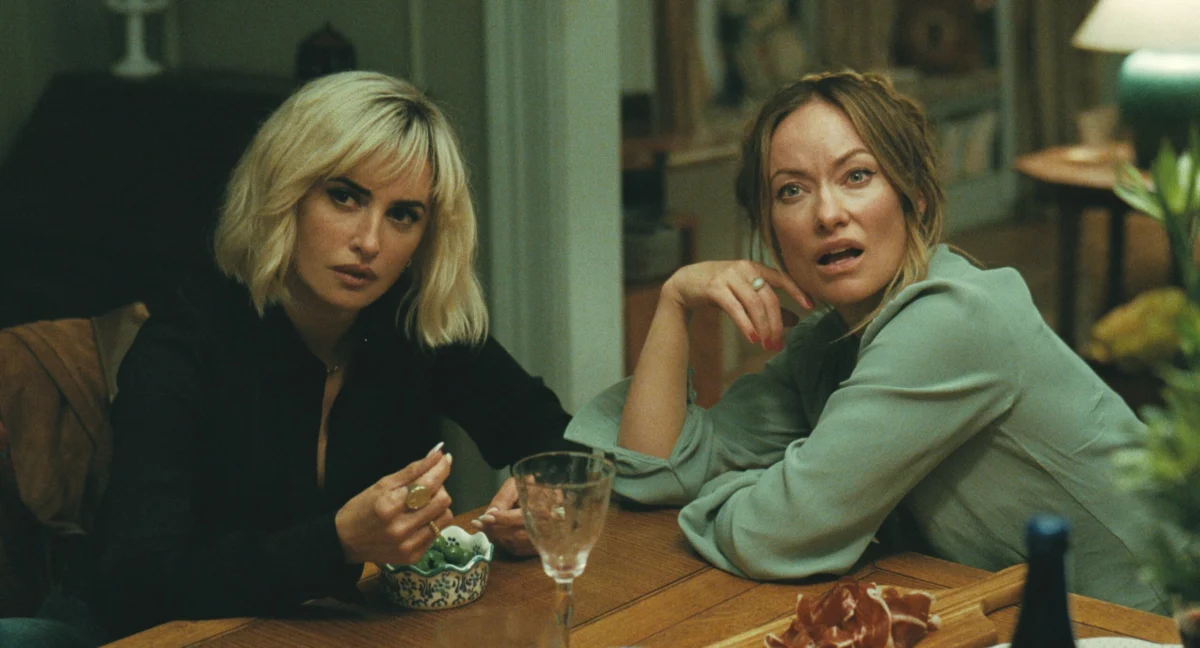
A24’s The Invite has officially cemented its status as a breakout success. After an initial limited launch on June 26 that saw it secure one of the most impressive per-screen averages of the year, the film has expanded aggressively. In its third week of release, The Invite jumped from a mere 28 screens to a robust footprint of 1,610 locations.
The results were immediate: the film grossed over $5.7 million for the weekend, pushing its domestic cume to $7.38 million and earning it a respectable No. 6 spot on the overall domestic charts. The comedy, which stars Wilde alongside heavyweights Seth Rogen, Penélope Cruz, and Edward Norton, has become a critical darling. It currently holds a "Certified Fresh" 96% rating on Rotten Tomatoes, bolstered by an 88% audience score and glowing exit polls. With a 69% "definite recommend" rate and a 4.5-star average, The Invite is demonstrating the kind of word-of-mouth endurance that studios dream of in the current theatrical climate.
Market Overview: A Diverse Field of Contenders
While The Invite dominated headlines, the broader indie landscape remained remarkably competitive. Several films carved out their own niches in the top ten, showcasing the breadth of the independent sector.
Angel Studios’ Young Washington continues to hold its own at No. 5, proving that historical dramas remain a staple for domestic audiences. Meanwhile, the horror genre remains a financial juggernaut; Curry Barker’s Obsession (Focus Features) reached a monumental milestone in its ninth week. By crossing the $250 million mark domestically, the film has officially climbed to become the fifth-highest-grossing horror film of all time in the United States, a testament to its long-tail appeal.
Other notable performers included A24’s Backrooms (rounding out the top 10) and Sony Pictures Classics’ Gail Daughtry and the Celebrity Sex Pass. The latter, directed by David Wain and starring Zoey Deutch, debuted to $954,000 across 1,000 screens. Elsewhere, Magnolia Pictures’ holdover Maddie’s Secret brought in $150,000 in its fourth week, while IFC Films’ Night Nurse struggled to gain significant traction, eyeing an estimated $72,000 debut on 330 screens.
The Global Pulse: International Cinema’s Impact
The weekend also highlighted the growing influence of international cinema in the U.S. market. Two Indian films performed exceptionally well, signaling a loyal and active audience base. Shloka Entertainment’s Telugu-language romance Lenin, directed by Murali Kishore Abburu, opened to $560,000 in 250 theaters. Similarly, Shree International’s Bollywood comedy Dhamaal 4 debuted in 387 theaters, pulling in $467,000. These figures, provided by Rentrak, underscore the increasing viability of non-English language programming in mainstream multiplexes.
Limited Openings: Art House Triumphs
Beyond the wide expansions, the specialty box office saw several high-profile limited debuts that captivated cinephiles.
Greenwich Entertainment’s Reading Lolita in Tehran made a splash at New York City’s Angelika Film Center, grossing $15,000 to become the top-performing film at that location for the weekend. The film, an adaptation of Azar Nafisi’s celebrated memoir, is a significant cultural event. Starring Golshifteh Farahani alongside Zar Amir and Mina Kavani, the Israeli-Italian co-production serves as a bridge between cultures. Directed by Eran Riklis, the film—which was shot in Rome with Cinecittà standing in for Tehran—has received the direct blessing of Nafisi, who has been an active participant in the film’s press tour.
Equally compelling was the debut of Ross McElwee’s documentary Remake. Premiering at the Venice Film Festival, the film landed at Film Forum with an impressive $8,500 opening and a perfect 100% critics’ score on Rotten Tomatoes. Music Box Films, which is also currently shepherding a successful restoration of McElwee’s 1986 classic Sherman’s March, noted that Remake is a challenging but vital piece of cinema. The documentary provides an intimate, gut-wrenching look at the death of the director’s son, Adrian, from a fentanyl overdose, while simultaneously serving as a meta-reflection on McElwee’s storied career.
Also in the limited space, Brainstorm Media’s Jewish summer camp comedy The Floaters earned $8,500 on a single screen at the Quad in NYC, selling out multiple showtimes. Finally, Big World Pictures brought Tsai Ming-Liang’s 1981 end-of-the-world romance, The Hole, back to the big screen, opening to $6.8k at Film at Lincoln Center.
Official Responses and Strategic Insights
Distributors are maintaining a cautious but optimistic outlook. Regarding the success of Remake, Music Box Films issued a statement highlighting the difficulty of the subject matter: “We are thrilled with this opening and proud to bring McElwee’s unique and moving work to theatrical audiences. It is a highly personal documentary about a difficult and painful subject that also serves as a summation of the filmmaker’s career, revisiting the people and places of his earlier work and reflecting upon the limitations of his methods.”
The success of these films suggests a shift in how distributors approach "challenging" content. By leaning into prestige festival runs and targeted platform releases—such as The Floaters utilizing the festival circuit before hitting theaters—studios are successfully building organic momentum that traditional advertising often fails to generate.
Implications for the Future of Indie Film
The data from this weekend offers several key takeaways for the industry:
- The "Platforming" Strategy Works: The transition of The Invite from 28 screens to over 1,600 is a classic, successful example of the "platform release" model. By building critical mass in limited markets, the studio was able to minimize risk while maximizing the eventual wide-release marketing spend.
- Genre Longevity: The continued success of Obsession proves that horror films are not just opening-weekend phenomena. Their ability to pull in audiences nine weeks out suggests that the "scare factor" remains a major draw for the younger, social-media-driven demographic.
- Cultural Collaboration: The success of Reading Lolita in Tehran highlights the audience’s appetite for complex, international narratives. When a film bridges geographical and political divides—as seen with the Israeli-Iranian collaboration—it creates a "must-see" event status that transcends typical demographics.
- The Restoration Market: With the success of the Sherman’s March re-release, it is clear that audiences are eager to revisit foundational works of independent cinema, provided they are presented with high-quality restorations and proper theatrical support.
As we move deeper into the summer, the question remains whether the momentum generated by these mid-budget and indie titles can be sustained. With major studio tentpoles looming, the independent sector’s ability to offer a "counter-programming" alternative will be the deciding factor in the health of the 2026 box office. For now, the numbers are clear: audiences are not just looking for spectacles; they are looking for stories that resonate, challenge, and connect.