

In a move that signals the most significant shift in user interaction since the platform’s inception, Google has announced a comprehensive integration of generative artificial intelligence across the YouTube ecosystem. As part of a broader, systemic redesign of the Google Search experience, YouTube is transitioning from a traditional keyword-based repository into an intelligent, conversational assistant.
This evolution centers on "Ask YouTube," a sophisticated feature designed to move beyond simple video retrieval. By leveraging large language models (LLMs), YouTube is attempting to solve the "discovery paradox"—the struggle users face when they know what they want to achieve but don’t know the specific search terms to find the right instructional content.
The Core Transformation: "Ask YouTube"
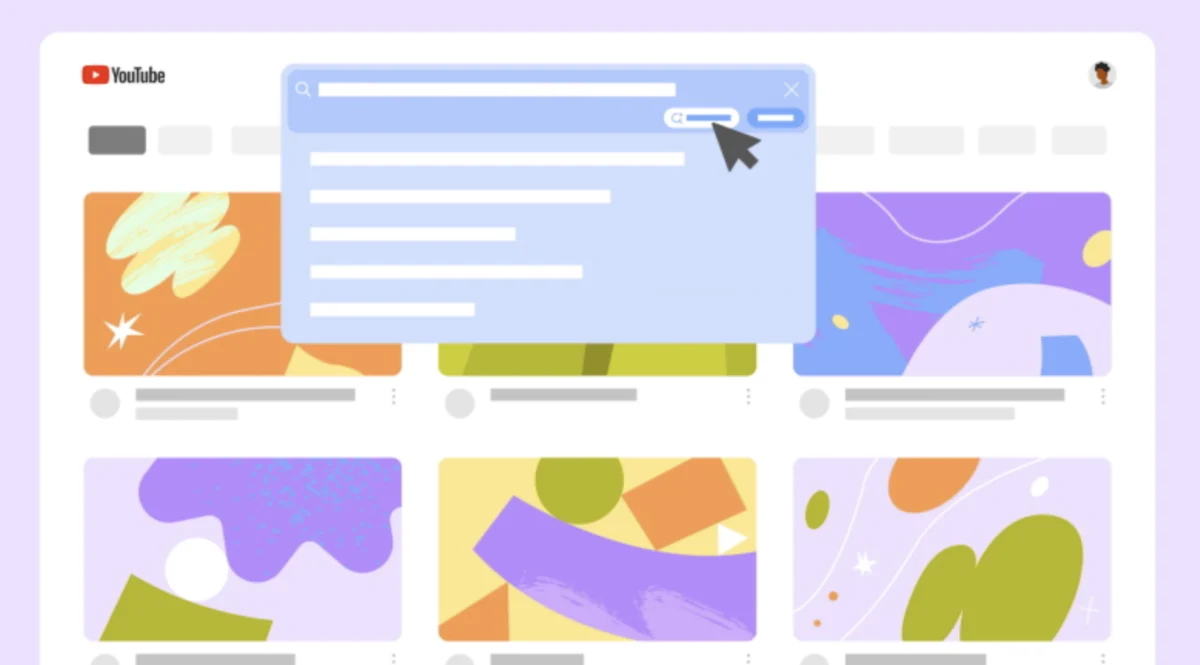
The centerpiece of this rollout is the "Ask YouTube" tool. Unlike the standard search bar, which returns a static list of video thumbnails, Ask YouTube functions as an interactive layer. When a user inputs a query, the system synthesizes information from both Shorts and long-form video libraries to provide a concise, natural-language response.
For instance, a user seeking advice on "how to teach a child to ride a bike" will no longer be forced to manually curate five different videos to find a consensus on technique. Instead, the AI compiles tips from multiple creators, summarizes the consensus, and offers a cohesive guide. Perhaps most importantly, the system supports follow-up questioning. If the initial response suggests using a balance bike, a user can instantly ask, "What are the best affordable balance bikes for three-year-olds?" without losing the context of the original search.
For now, the feature is limited to U.S.-based YouTube Premium subscribers accessing the platform via desktop. This "gated" rollout through YouTube’s experimental testing portal suggests that Google is prioritizing a controlled environment to gather telemetry on how users interact with AI-generated answers before a wider, global release.
Chronology of the AI Pivot
To understand the gravity of this change, one must look at the timeline of Google’s aggressive push into generative AI:
- Early 2026 (The Foundation): Google began laying the groundwork for multimodal search, training its models to better understand the semantic content of video—specifically the relationship between audio transcripts and visual frames.
- March–April 2026: Competitors like OpenAI and Meta faced significant turbulence in the generative space. OpenAI shuttered its "Sora" social app due to community backlash, while Meta’s AI integration in messaging apps drew scrutiny regarding user privacy and "creepy" user experiences.
- May 19, 2026: Google formally unveiled the "Search as you know it is over" initiative, signaling that the traditional "ten blue links" model was being replaced by AI-synthesized answer boxes.
- Late May 2026: YouTube launched "Ask YouTube" and the integration of the "Gemini Omni" model into its creative suite, marking the transition from "AI as a curiosity" to "AI as a platform utility."
The Creative Engine: Gemini Omni and Shorts Remix
Beyond search, YouTube is fundamentally changing how content is created. The company has officially introduced "Gemini Omni," Google’s latest multimodal AI video model, to the YouTube Create app and the "Shorts Remix" feature.
The promise of Gemini Omni lies in its ability to understand "intent." Historically, AI-assisted video editing was limited to rote tasks like color correction or audio leveling. Gemini Omni, however, claims to understand the narrative of a video. In a Shorts Remix context, the model can analyze the thematic elements of an original video and suggest stylistic edits or audio adjustments that maintain the "soul" of the creator’s vision while injecting new, AI-generated flair.
This is a strategic bet by YouTube to keep creators on its platform. By lowering the barrier to entry for complex video editing, YouTube hopes to stave off the migration of younger creators to more "AI-native" social applications.
Supporting Data and Industry Context
The push into AI is not merely a feature-set expansion; it is a defensive and offensive maneuver in an increasingly crowded market.
According to internal Google briefings, search queries on YouTube have become increasingly conversational over the past 24 months. Users are treating the search bar more like a chat interface than a digital card catalog. By implementing RAG (Retrieval-Augmented Generation), where the AI draws strictly from the vast, verified library of YouTube videos, Google aims to minimize the "hallucination" issues that have plagued competitors.

However, the industry landscape remains fractured. Meta’s attempts to force AI into the user journey resulted in low engagement and high user friction. OpenAI’s attempt to build a social-media layer with Sora failed largely because it lacked a community ecosystem. YouTube’s advantage, and its greatest challenge, is its existing library of billions of hours of human-created content. The AI is not "generating" the videos; it is "curating" the human experience.
Official Responses and Strategic Philosophy
YouTube’s official stance on this transition is one of "enhanced storytelling." In a recent press release, the company emphasized that its AI integration is designed to "build on the imagination" of its user base.
"The model better understands user intent, creating more consistent and meaningful storytelling while also handling complex video and audio adjustments behind the scenes," a YouTube representative stated. The company’s focus is clear: AI should be a "silent partner" that handles the technical friction of video production, allowing creators to focus on the content itself.
Regarding the safety of this new era, YouTube is taking a proactive stance. The expansion of its "likeness-detection tool" to all creators over the age of 18 is a vital safeguard. As deepfake technology becomes more accessible, the ability for a creator to report and request the removal of unauthorized AI content featuring their likeness is no longer just a luxury—it is a necessity for maintaining platform integrity.
Implications for the Future of Digital Media
1. The Death of the "Click"
If "Ask YouTube" successfully provides the information within the search interface, the traditional click-through rate (CTR) to individual videos may decline. This creates a paradox for creators: their content is being used to train the model that answers the user’s question, but the user may no longer need to "watch" the video to get the answer. YouTube will need to develop a compensation or attribution model that rewards creators whose content provides the "answer" in the AI summary.
2. The Standardization of Quality
With Gemini Omni handling "complex video and audio adjustments," the gap between high-production-value creators and amateur vloggers will shrink. While this democratizes creativity, it also risks a homogenization of content. If all Shorts are "remixed" by the same AI model, the distinct stylistic markers of individual creators may begin to blur.
3. Safety and Ethics
The likeness-detection tool is a necessary first step, but it faces an uphill battle. Detection algorithms often lag behind the capabilities of generation models. As the tool expands, its effectiveness will be tested by the sheer volume of content uploaded to the platform every minute. The legal and ethical implications of "AI-assisted" versus "AI-generated" content will remain a point of contention for labor unions, creative guilds, and privacy advocates.
4. The Economic Shift
For YouTube, this is a path toward higher ad revenue retention. By keeping users engaged in the "Ask" interface, Google can serve more targeted, AI-integrated advertisements. The financial model of the creator economy is shifting from "views on a video" to "participation in an AI-powered ecosystem."
Conclusion
YouTube’s transition to an AI-first platform is not just a change in functionality; it is a paradigm shift in how humanity interacts with information. By marrying the world’s largest video library with the world’s most advanced multimodal AI models, Google is positioning YouTube as the ultimate knowledge base.
The success of this transition will depend on whether the company can maintain the delicate balance between technical innovation and the human element—the "creator" factor that made YouTube a global phenomenon in the first place. As we look toward the latter half of 2026, the question is no longer what you can find on YouTube, but what the AI will tell you once you ask. The search is over; the conversation has begun.












No comments yet. Be the first to join the conversation!