Pevita Pearce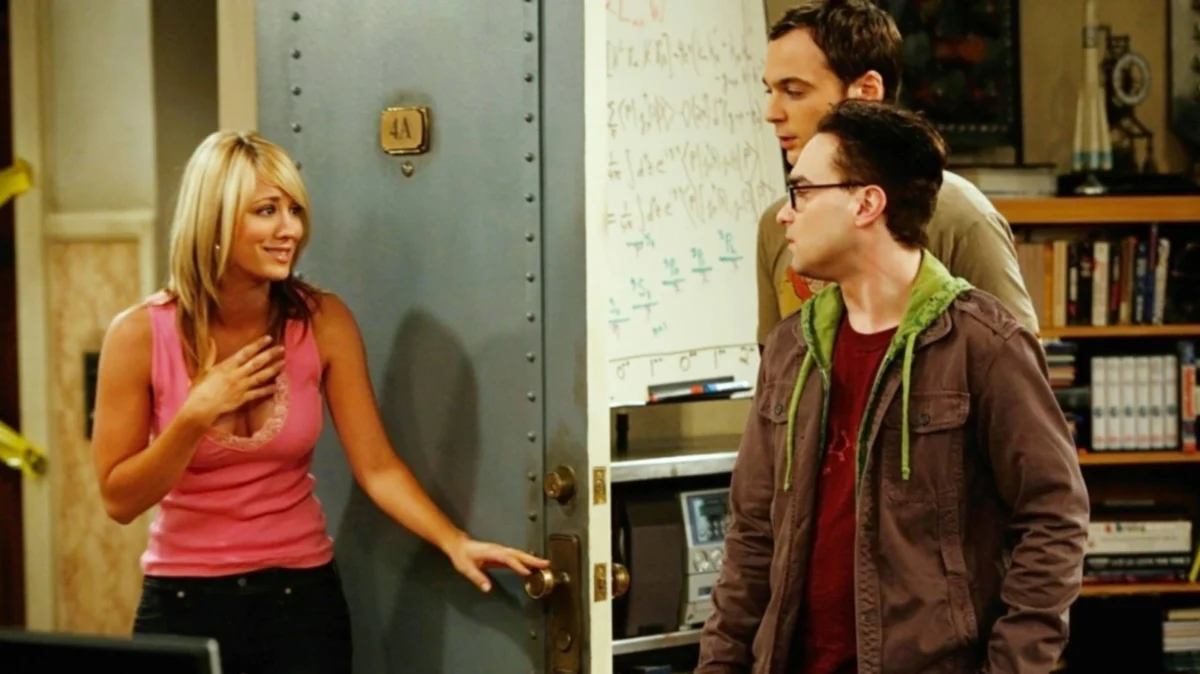
The television landscape is defined by a handful of visionaries whose creative fingerprints are etched into the DNA of the medium. Among them, the late, great James Burrows stands as a titan. Following his passing at the age of 85, the industry has been reflecting on a career that served as the backbone of modern American comedy. From the sophisticated banter of Cheers and the neurotic charm of Frasier to the cultural phenomenon that was Friends, Burrows’ influence is immeasurable.
However, one of his most significant, albeit singular, contributions often flies under the radar of casual viewers: his role in the genesis of CBS’s The Big Bang Theory. While Burrows directed only one production for the show—the pilot—it was a Herculean effort that required him to navigate the messy, high-stakes process of retooling a failing concept into a global juggernaut.
The Pilot That Almost Wasn’t: A Chronology of Creation
To understand the magnitude of Burrows’ involvement, one must look at the "unaired" pilot of The Big Bang Theory. In its original inception, the show was a drastically different animal. The central premise involved Sheldon Cooper and Leonard Hofstadter encountering a destitute woman on the street, whom they subsequently invited to live with them. The tone was darker, the characters lacked the specific "nerd-culture" eccentricities that would later define them, and the chemistry was, by all accounts, nonexistent.
The pilot failed to resonate with test audiences and network executives. It was a moment of crisis for creator Chuck Lorre. In the high-pressure environment of network television, a failed pilot often signals the end of a project. However, Lorre opted for a rare "second chance." He brought in James Burrows, a director known for his ability to find the heart within a script, to steer the ship for a complete creative overhaul.
Burrows oversaw the transition from that first, doomed attempt to the second pilot—the one that would eventually spawn a 12-season, multi-billion-dollar franchise. He helped pivot the show’s focus, replacing the original, disparate cast with the ensemble that would become legendary: Johnny Galecki, Jim Parsons, Kaley Cuoco, Simon Helberg, and Kunal Nayyar. Under Burrows’ guidance, the "sweet girl across the hall" archetype was refined into the Penny we know today, and the relationship dynamics were recalibrated to highlight the comedic tension between social awkwardness and genuine human connection.
Supporting Data: The Burrows Effect
While Burrows did not remain with The Big Bang Theory as a series director, his foundational work cannot be overstated. Statistics regarding the longevity and profitability of the show are staggering, but they are often traced back to the success of the pilot episode.
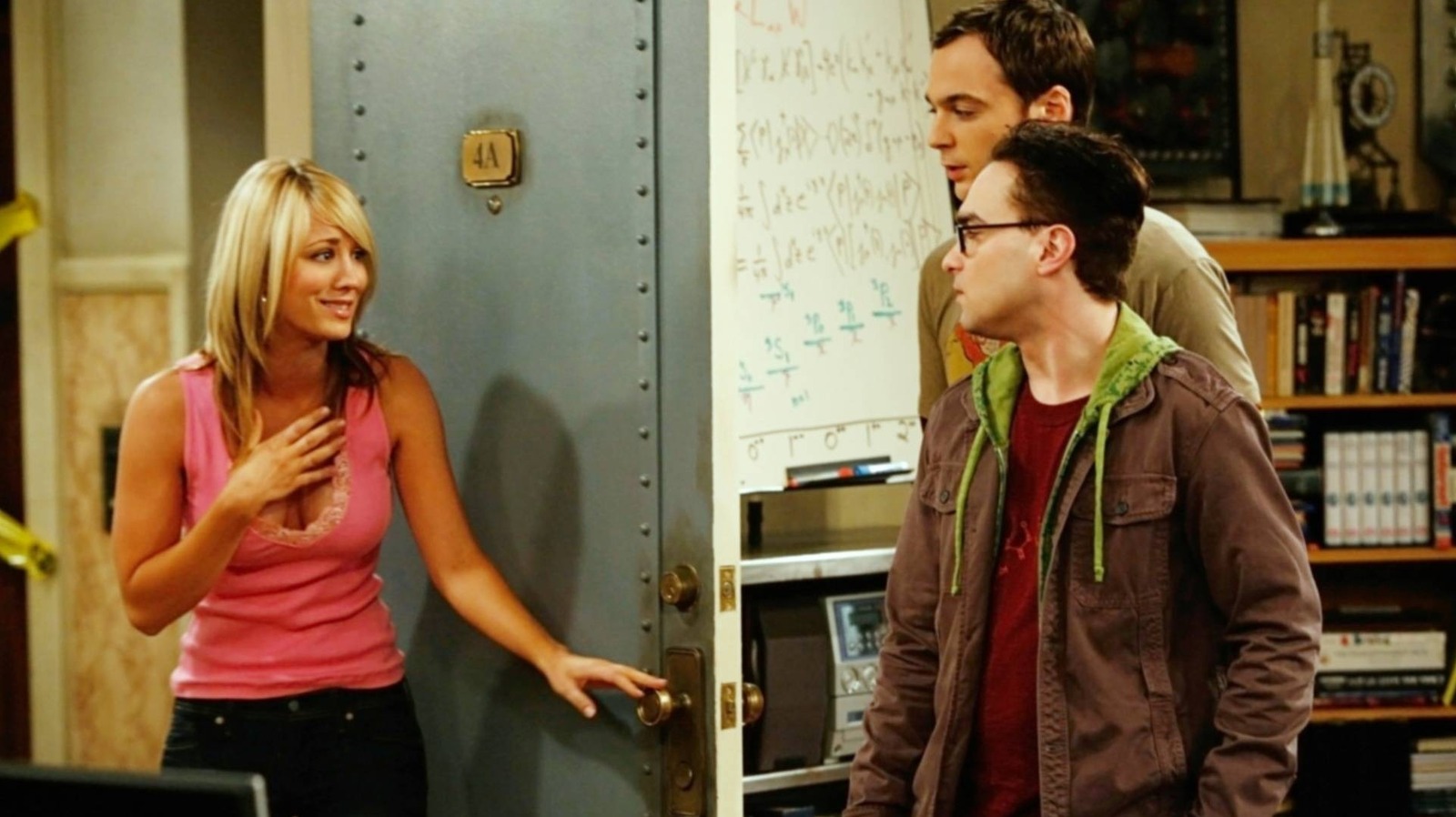
In television, the pilot is the "proof of concept." It must establish the tone, the pacing, and the emotional tether for the audience. Burrows utilized his signature multi-camera directing style—a technique he essentially perfected during his tenure on Taxi—to ensure that the comedic beats landed with surgical precision.
Critics and industry analysts have often pointed to the "Burrows touch" as the reason certain sitcoms survive the critical transition from "new show" to "cultural staple." His methodology involved a deep respect for the actors’ instincts. By creating an environment where Galecki and Parsons felt empowered to experiment with their characters’ physicality and cadence, Burrows helped bake the "Sam and Diane" (a reference to Cheers) dynamic into the show’s DNA from the very first frame.
Official Perspectives: Humility in the Face of Greatness
Despite his pivotal role, James Burrows remained famously humble regarding his involvement with the series. In a candid 2016 retrospective with The Hollywood Reporter, Burrows reflected on the heavy lifting required to get the show off the ground.
"The original conception was, the boys were walking down the street and they met a hooker who was destitute and crying. And they took her in and she was to live with them," Burrows recalled. "And that concept didn’t work. So, they did it again with Johnny and Jimmy, and brought in two more nerds and a sweet girl across the hall. And the rest is history."
When pressed about his legacy and his specific impact on The Big Bang Theory, Burrows consistently deflected, choosing instead to shine the spotlight on the ensemble. "I wish I could take more credit for that show," he told The Hollywood Reporter. "The writing is extraordinary, but it’s also a tribute to those actors—to Johnny and Jimmy, who create this Sam and Diane relationship. They’re the glue that drives that show."
This perspective highlights why Burrows was the most sought-after director in the business. He understood that a director’s role is not to impose their ego upon the work, but to facilitate a space where the chemistry between performers can flourish. He recognized early on that the magic of The Big Bang Theory would not be found in the sets or the scientific jargon, but in the evolving, grounded friendship between Leonard and Sheldon.
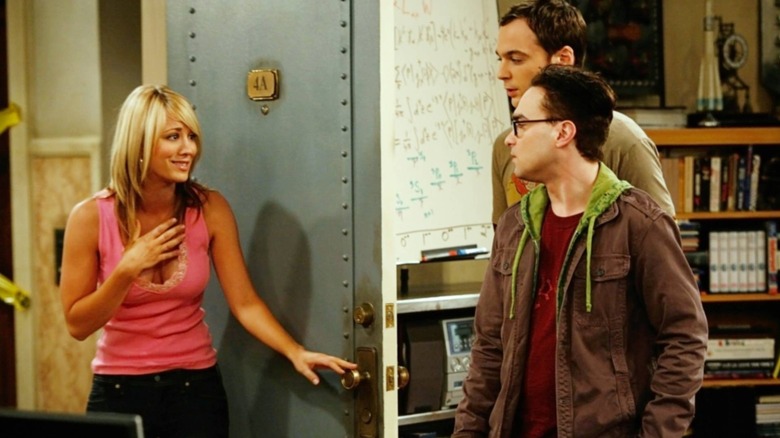
Implications for the Future of Sitcoms
The legacy of James Burrows serves as a masterclass for the next generation of television creators. As the industry shifts toward shorter streaming series and increasingly experimental formats, the traditional multi-camera sitcom—a format Burrows championed—faces new challenges. However, the success of The Big Bang Theory serves as a perennial reminder of why the format endures: it relies on the intimacy of live performance and the rhythmic timing that only a director of Burrows’ caliber could orchestrate.
His absence leaves a void, but the infrastructure he helped build remains. Many of the directors currently working in primetime comedy were either mentored by Burrows or studied his work on Cheers and Friends as their primary curriculum. By setting the standard for how to "fix" a pilot, Burrows provided a blueprint for showrunners everywhere: never be afraid to tear it down and start over if the truth of the story isn’t yet visible.
Conclusion: A Lasting Legacy
James Burrows was more than just a director; he was an architect of the modern American living room. His work on The Big Bang Theory pilot was the final crucial piece of the puzzle that allowed the show to evolve into a global phenomenon. While he walked away from the series after the first episode, the path he cleared for Chuck Lorre and the cast allowed for over a decade of television history.
As fans continue to revisit the adventures of the gang from Apartment 4A, they are, in many ways, witnessing the final, grand design of a man who understood comedy better than almost anyone else who has ever stepped onto a soundstage. His life’s work continues to provide comfort, laughter, and a sense of belonging to millions, proving that while directors may eventually step away from their projects, the quality of their craftsmanship ensures that they are never truly gone.

 Nana Muazin
 Nana
Nana