

In the nearly two decades since the modern smartphone era began with the launch of the original iPhone in 2007, consumer technology has prioritized seamlessness. We have moved from physical keyboards to edge-to-edge glass displays and from bulky charging bricks to sleek, ambient power solutions. Among these, wireless charging—based on the principle of electromagnetic induction—has become a hallmark of premium device ownership. Yet, as this technology moves from a niche convenience to a standard feature across Android and iOS ecosystems, a critical question emerges regarding its hidden environmental and financial toll: Is the freedom from cables worth the energy we lose in the process?
The Mechanics of Induction: How Wireless Charging Works
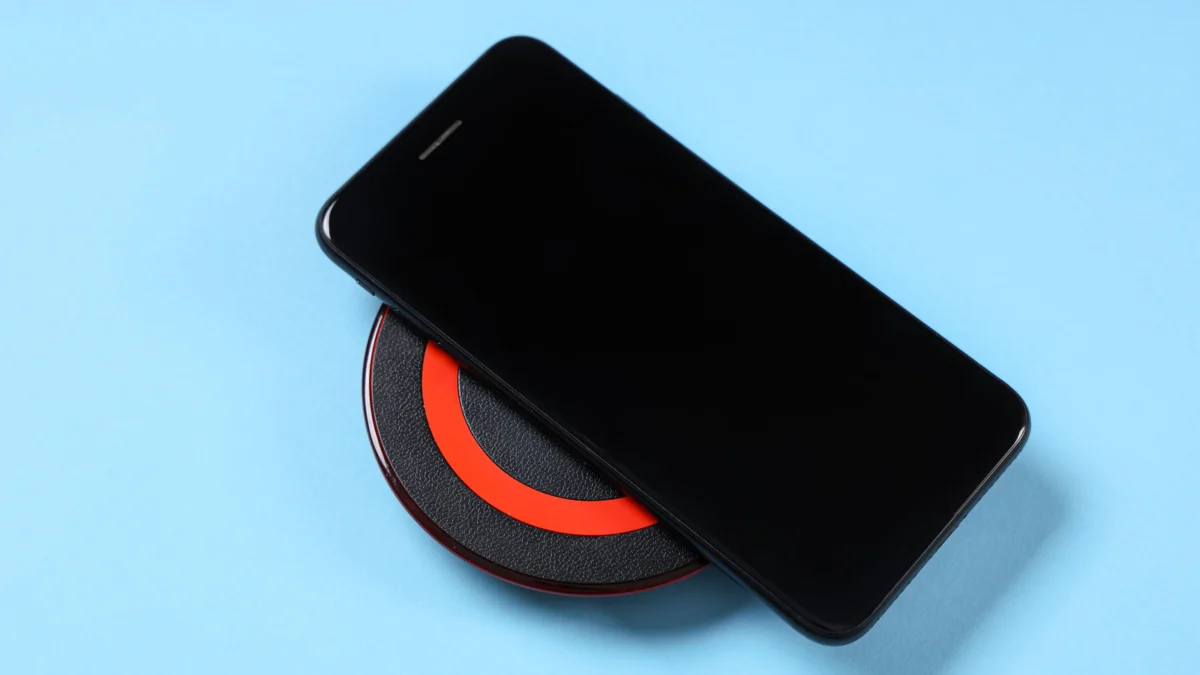
To understand the energy disparity, one must first understand the physics. Wireless charging relies on the principle of resonant inductive coupling. A transmitter coil in the charging pad generates an oscillating magnetic field, which induces an alternating current in a receiver coil inside the smartphone. This current is then rectified and converted into direct current to feed the battery.
Unlike a direct wired connection, where electricity travels through high-conductivity copper pathways with minimal resistance, wireless power transfer involves significant gaps and the conversion of energy through electromagnetic fields. This process is inherently prone to "leakage." Energy is dissipated as heat, and if the alignment between the two coils is not perfectly optimized, the efficiency drops significantly. While the industry has made strides with standards like Qi and the newer Qi2—which introduces magnetic alignment to minimize positioning errors—the fundamental physics of the technology remain less efficient than a physical cable.
A Chronology of Charging Evolution
The journey toward "cord-free" living has been a long and iterative process:
- 2009–2012 (The Early Days): Companies like Palm and early adopters in the Android space experimented with "touchstone" style charging. These were often proprietary and required specific cases, limiting mass adoption.
- 2015–2017 (The Standardization Era): The Wireless Power Consortium (WPC) pushed the Qi standard into the mainstream. In 2017, Apple finally adopted Qi for the iPhone 8 and iPhone X, signaling the transition of wireless charging from a "gimmick" to a mandatory flagship feature.
- 2020–2022 (The MagSafe Revolution): Apple reintroduced MagSafe, utilizing magnets to ensure perfect coil alignment. This solved the primary cause of inefficiency—misalignment—but did not entirely eliminate the inherent thermal and conversion losses.
- 2023–Present (The Qi2 Democratization): The introduction of the Qi2 standard, largely based on Apple’s MagSafe technology, promises to bring that same magnetic efficiency to the broader Android ecosystem, aiming to standardize performance and safety across all manufacturers.
Supporting Data: Quantifying the Waste
The debate over wireless charging efficiency is not merely theoretical; it is measurable. Independent analyses, including data cited by outlets like Engadget, suggest a stark discrepancy between wired and wireless methods.
When charging a standard smartphone from a fully depleted state to 100%, a wired connection typically requires approximately 15 watt-hours (Wh) of electricity. An equivalent charge performed on a wireless pad often consumes upwards of 21Wh. This represents a 40% increase in total energy consumption for the same outcome.
While a 6Wh difference may seem negligible on a single-user basis, the macro-level implications are staggering. With over 6 billion smartphone users globally, if even a significant fraction transitioned to wireless charging as their primary method, the aggregate energy waste would equate to the output of several large-scale power plants. If the electricity powering these chargers is derived from coal or natural gas, the cumulative carbon footprint of "wireless convenience" becomes a non-trivial environmental concern.
The Thermal Factor: Heat as a Byproduct
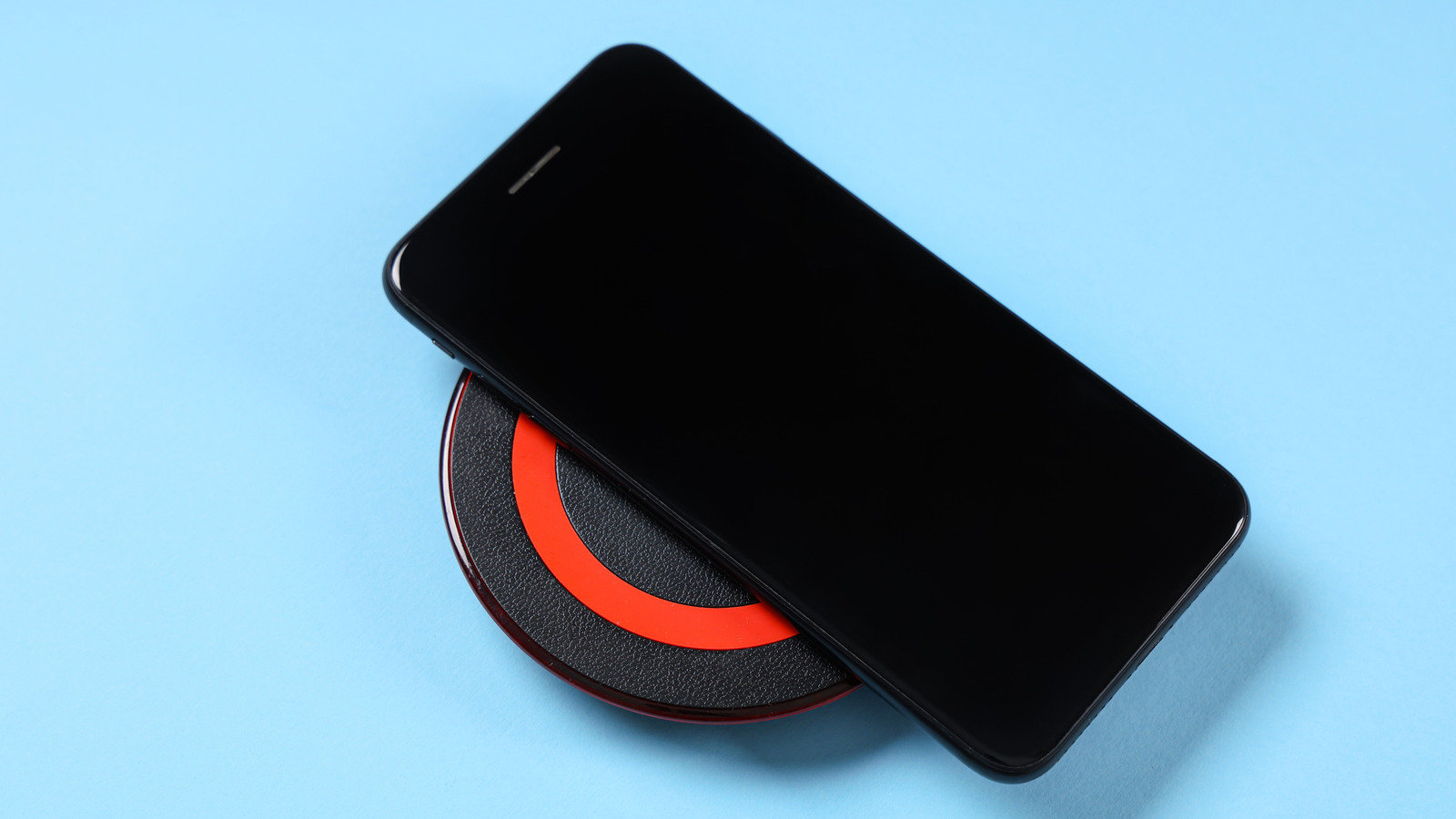
Efficiency loss is not just about the electricity bill; it is about heat. Thermodynamics dictates that energy not successfully transferred to the battery must be released, and in wireless charging, that energy is released as heat.
This creates a secondary issue: battery longevity. Lithium-ion batteries are notoriously sensitive to thermal stress. When a phone remains on a wireless pad, it generates heat that radiates into the device’s internal components. While most modern smartphones employ sophisticated power management software to throttle or pause charging if temperatures reach critical thresholds, the repeated cycling of "heat-up and cool-down" can accelerate the degradation of the battery’s chemical capacity over time.
Manufacturers have attempted to mitigate this by implementing active cooling—building small fans into wireless chargers—but this creates a new paradox: the fan itself requires power, further reducing the overall energy efficiency of the charging solution.
Official Responses and Industry Stance
Major tech conglomerates have largely navigated the wireless charging debate by focusing on the "user experience" narrative. Apple, Samsung, and Google emphasize the convenience of "drop-and-go" charging, particularly in scenarios like bedside tables or office desks where the phone is used intermittently.
However, industry regulators are beginning to pay closer attention. The European Union’s push for standardized charging ports (USB-C) was driven by the goal of reducing electronic waste. While wireless charging wasn’t the primary target of the Right to Repair or standardization legislation, there is a growing consensus among sustainability advocates that the industry must address the energy efficiency of wireless standards.
When asked about these discrepancies, representatives from the Wireless Power Consortium often point to the convenience factor and the reduction of cable wear-and-tear as a form of sustainability. Their argument is that if a cable isn’t frayed, it doesn’t need to be replaced, and the physical waste of discarded cables is a greater environmental evil than the incremental increase in electricity usage.
Implications for the Consumer
So, does the average user need to worry? The answer depends on your priorities.
The Case for Wired Charging
For the environmentally conscious consumer, the wired connection remains the gold standard. A high-quality USB-C cable offers nearly 100% transfer efficiency, generates minimal heat, and allows for much faster "Power Delivery" (PD) speeds. If you are charging your device overnight or during long periods of inactivity, the wired route is objectively the most efficient and safest for your device’s long-term health.
The Case for Wireless Charging
Wireless charging excels in specific use cases:
- Reduced Wear: It eliminates the mechanical wear on the phone’s charging port, which is often the first point of failure in a smartphone’s lifespan.
- Convenience: For users who frequently pick up and put down their phones throughout the day, the lack of a tether is a significant quality-of-life upgrade.
- Future-Proofing: As the technology matures, newer standards like Qi2 are narrowing the efficiency gap, making the trade-off less severe than it was five years ago.
Conclusion: A Balanced Approach
The "wireless vs. wired" debate is a microcosm of the broader tension between modern convenience and sustainable living. We are currently in a transition period where wireless charging is efficient enough to be useful, but not efficient enough to be environmentally neutral.
If you are concerned about your carbon footprint, the solution is not to ban wireless charging entirely, but to be intentional about its use. Use a wired charger for your primary, rapid, or overnight charging needs to preserve battery health and minimize energy waste. Reserve wireless charging for quick top-ups or specific scenarios where the convenience outweighs the marginal energy loss.
As we look toward the future of mobile power, the onus is on hardware manufacturers to improve the electromagnetic coupling efficiency of their charging pads. Until then, the "invisible tax" on our power grid will remain the price we pay for the freedom of a cord-free life. Being aware of this cost is the first step toward making smarter, more sustainable choices in our digital daily lives.











