

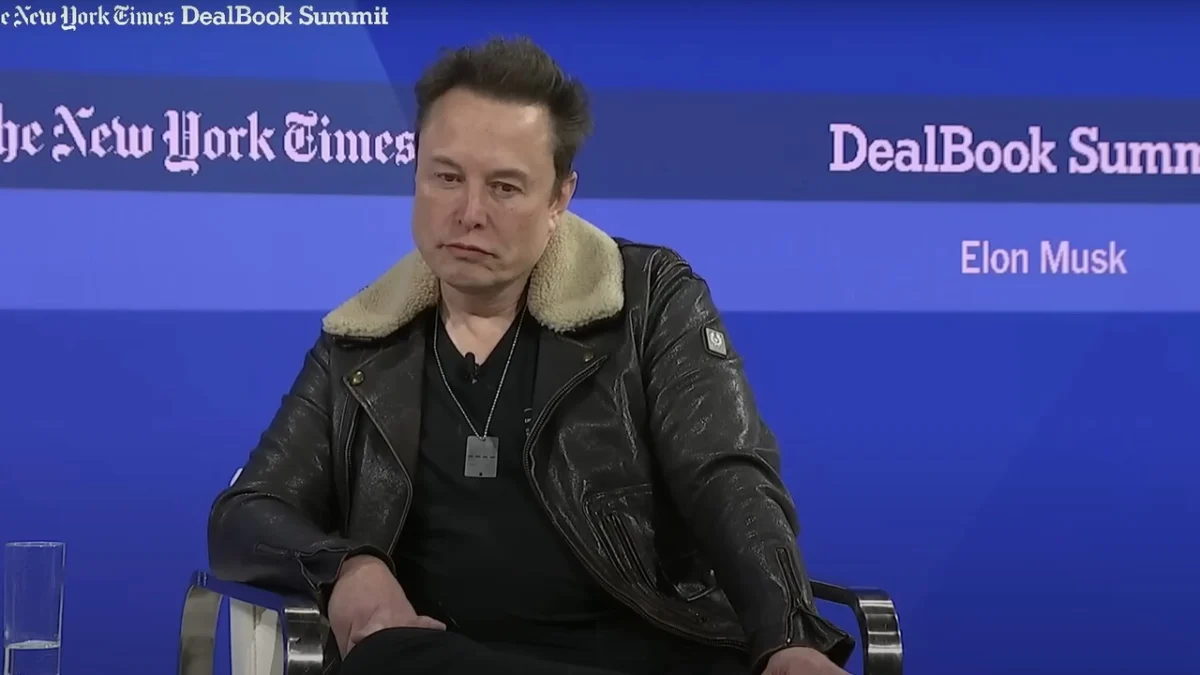
In a judicial resolution that brings a definitive, if anticlimactic, end to one of the most high-stakes corporate dramas in the history of artificial intelligence, U.S. District Judge Yvonne Gonzalez Rogers has dismissed the lawsuit brought by Elon Musk against OpenAI. After eleven grueling days of testimony and a mere two hours of deliberation, a jury unanimously recommended the dismissal of all claims—a recommendation the court adopted without hesitation. For Elon Musk, the ruling marks a significant personal and professional defeat, effectively silencing his allegations of betrayal and breach of fiduciary duty against the company he helped co-found.
The collapse of Musk’s legal crusade underscores the complexities of navigating governance in the fast-paced world of generative AI. What began as a high-profile quest to preserve the "non-profit spirit" of OpenAI has concluded as a cautionary tale about the statute of limitations, the shifting tides of corporate strategy, and the perils of litigation in the tech sector.
The Core Legal Failure: A Clock Ran Out
The primary catalyst for the dismissal, as reported by Reuters, was the expiration of critical legal deadlines. Musk’s case rested heavily on the accusation that OpenAI CEO Sam Altman and President Greg Brockman had effectively "stolen" the organization, pivoting it away from its original charitable mandate toward a profit-driven enterprise.
However, Judge Gonzalez Rogers found that the statute of limitations had long since expired for the core grievances. Specifically, Musk’s claims regarding the breach of fiduciary duties—the notion that the founders had fundamentally betrayed the organization’s charter—were filed far too late. By failing to initiate legal action within the mandatory three-year window following the structural pivot, Musk rendered his own claims legally impotent. Consequently, the secondary allegations involving Microsoft’s alleged complicity in this transition also collapsed, as the foundation upon which they were built had been deemed time-barred.
A Chronology of Conflict: From Co-founder to Plaintiff
To understand the gravity of this dismissal, one must examine the timeline of the rift. In 2017, when OpenAI was still navigating its infancy, Elon Musk was not merely a donor; he was a central figure in internal discussions regarding the company’s future. Documents presented during the trial revealed that Musk himself had been an active participant in conversations about transitioning the organization toward a more commercially viable structure.
As the trial progressed, the narrative shifted from one of a "betrayed visionary" to one of a conflicted stakeholder. Under cross-examination, Musk was forced to concede that he had personally pushed for structural changes that he later characterized as illegal in his 2024 filing. The defense effectively argued that Musk’s legal challenge was not a principled stand against commercialization, but rather a revisionist attempt to rewrite the history of a company he had walked away from in 2018 following internal disagreements.
The trial, spanning eleven days in court, served as a who’s who of the AI revolution. The witness stand saw a parade of the industry’s most influential figures, including Sam Altman, Greg Brockman, Microsoft CEO Satya Nadella, and former OpenAI stalwarts Mira Murati and Ilya Sutskever. Each testimony contributed to a broader picture of a company struggling to balance the monumental cost of compute power with the philosophical commitment to "safe, beneficial AI."
The "Dirty Laundry" Effect: Analysis of the Proceedings
While the legal outcome was determined by technical statutes, the cultural impact of the trial was far more personal. The Verge and other observers noted that the proceedings often devolved into a display of "dirty laundry." Musk’s testimony, which lasted three full days, was frequently criticized for being rambling and unfocused. Instead of highlighting systemic malfeasance, the trial seemed to focus on the interpersonal fractures between the original founders.
Many legal analysts had predicted this outcome from the outset. The prevailing sentiment was that Musk’s lawsuit was less about winning a legal victory—which required proving specific breaches of law—and more about damaging the reputations of the current OpenAI leadership. In this regard, the trial failed to produce a "smoking gun." The jury’s recommendation to dismiss was not merely a procedural step; it was a response to the lack of substantive evidence supporting the claim that Altman and his team had acted with malice or fraud.
Implications for the Future of OpenAI
For OpenAI, the dismissal of the lawsuit is more than just a legal win; it is a vital clearing of the runway. The company is currently preparing for a potential IPO, which is expected to occur before the end of the year. With a valuation that analysts estimate could exceed $1 trillion, the existence of a high-profile lawsuit was a significant point of concern for potential investors and regulatory bodies.
1. Clearing the Path for the IPO
By disposing of the lawsuit, OpenAI has eliminated a major hurdle in its corporate roadmap. The legal certainty afforded by Judge Gonzalez Rogers’ ruling provides investors with the stability required for a transition of this magnitude. The planned conversion from a non-profit-governed structure to a more traditional for-profit model now faces significantly fewer legal obstacles.
2. The Precedent of Statute of Limitations
The court’s focus on the statute of limitations serves as a stark reminder to tech founders and venture capitalists alike. The law, particularly in California, is stringent regarding the timeline for challenging corporate structural changes. Entrepreneurs who remain silent during major pivots cannot expect the courts to intervene years later when the enterprise has matured into a multi-billion dollar entity.
3. The Future of AI Governance
This trial has also brought the question of "Non-profit vs. For-profit AI" to the forefront of the public consciousness. While the legal battle is over, the ethical debate remains. Does the pursuit of profit inherently corrupt the mission of creating AGI (Artificial General Intelligence) that benefits all of humanity? While the court ruled that no laws were broken, the public sentiment regarding the "charity" roots of OpenAI remains a point of contention for many observers.
Conclusion: A Definitive End
Judge Gonzalez Rogers was clear in her assessment: the issues raised by Musk were matters of fact that had long since been settled by the passage of time. She expressed deep skepticism regarding any potential appeal, noting that the evidence was overwhelmingly against the plaintiff’s position.
As the dust settles, the tech world is left with a sense of closure. The "Tech Trial of the Year" has ended not with a bang, but with the dry, firm gavel of procedural law. For Sam Altman and the team at OpenAI, the focus now returns to the laboratory and the marketplace. For Elon Musk, the outcome is a reminder that in the arena of law, as in the arena of business, timing is everything—and history is rarely written by those who arrive late to the courtroom.
The dismissal signals a new chapter for the AI industry, one where the focus will likely shift from internal litigation to the massive, real-world consequences of the technology itself. With the legal cloud dissipated, the path is clear for OpenAI to pursue its next phase of growth, while the rest of the industry watches closely to see if this landmark ruling will set a standard for future corporate governance disputes in the era of artificial intelligence.












No comments yet. Be the first to join the conversation!