The release of Supergirl, the sophomore entry in James Gunn and Peter Safran’s revitalized DC Universe (DCU), was intended to be a triumphant expansion of the "Gods and Monsters" chapter. Following the critical and commercial success of last year’s Superman, expectations were high for the studio to establish a consistent, interconnected cinematic landscape. Instead, Supergirl has arrived to a lukewarm reception, characterized by a sluggish box-office performance, a fractured critical consensus, and a hostile digital environment that has left Warner Bros. executives grappling with a difficult question: Is the superhero era finally reaching its point of exhaustion?
The Box Office Reality: A Stalled Launch
The numbers are, by any industry metric, disappointing. Supergirl opened to a global gross that failed to meet even the most conservative projections from industry analysts. While the film has garnered some praise for its artistic direction and lead performance, it has been unable to escape the gravity of a market that is increasingly selective.
In a post-pandemic landscape, the "must-see" factor for blockbuster cinema has shifted. Audiences are no longer flocking to theaters for "pretty good" films; they are reserving their ticket money for "event" cinema. When a film lands in the middle-of-the-road territory—neither a disaster nor a masterpiece—the average viewer is opting to wait for the inevitable transition to streaming platforms. For Warner Bros., this represents a significant fiscal hurdle, as the costs associated with mounting a high-concept, space-faring epic like Supergirl require massive theatrical penetration to break even, let alone turn a profit.
A Legacy of Development: From DCEU to DCU
To understand the current state of Supergirl, one must look at the tangled history of the project. The film’s script, penned by Ana Nogueira, is a fascinating artifact of the studio’s internal evolution. Nogueira was originally brought on during the twilight of the former DCEU, a time when the character of Supergirl was being positioned through the prism of Sasha Calle’s appearance in 2022’s The Flash.
When James Gunn and Peter Safran assumed control of DC Studios, they opted for a "soft reboot." The project was salvaged from the wreckage of previous regime plans, but it underwent a significant tonal and narrative overhaul. Director Craig Gillespie, known for his ability to handle idiosyncratic character studies like I, Tonya and Lars and the Real Girl, was tapped to steer the ship. Gillespie’s hiring signaled an intent to pivot away from the grand, operatic scope of Zack Snyder’s original vision, opting instead for a more grounded, character-centric approach. However, the resulting film occupies a strange middle ground, struggling to balance the weight of its cinematic heritage with the requirements of a new, nascent franchise.
Narrative Choices: The ‘Woman of Tomorrow’ Adaptation
The film draws heavily from Tom King’s acclaimed comic miniseries, Supergirl: Woman of Tomorrow. This source material was, in part, an homage to the classic 1968 Western True Grit. The initial creative vision for the film sought to replicate this dynamic, with Gillespie conceptualizing a road-movie aesthetic that would pair Kara Zor-El with the anarchic bounty hunter Lobo, played by Jason Momoa.
In the early drafts, the Kara-Lobo pairing was intended to mirror the iconic mentor-mentee, cynical-versus-hopeful chemistry of Mattie Ross and Rooster Cogburn. However, as production progressed, the role of Lobo was significantly pared back, relegated to a cameo appearance rather than a co-starring vehicle. This shift away from the "interplanetary buddy-cop" dynamic toward a more faithful, melancholic exploration of Kara’s friendship with a vengeance-seeking alien child represents a return to the Silver Age roots of the character. While this decision satisfies purist comic book fans, it arguably cost the film the high-octane "draw" of a marquee star like Momoa in a central role, which might have helped move the needle for casual audiences.
The Character Arc: Kara Zor-El’s Existential Crisis
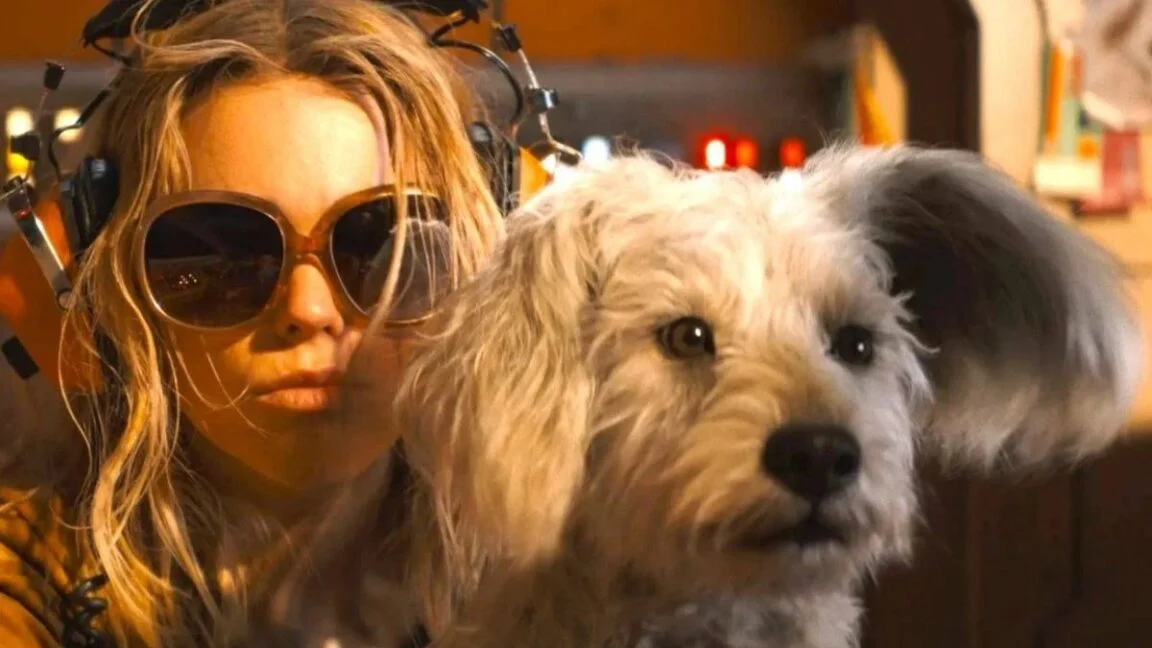
The film’s opening act provides a refreshing, albeit unconventional, introduction to the heroine. We meet a 23-year-old Kara who is profoundly disconnected from her heritage. The film uses a clever conceit to illustrate this: Kara celebrates her birthday by bar-hopping across red-star planetary systems with her space dog, Krypto. Because red suns strip her of her powers, she is capable of experiencing the intoxicating effects of alcohol—a human experience denied to her on Earth or under the light of a yellow sun.
This establishes a central conflict: Kara is a character defined by the absence of belonging. She ignores the well-meaning, albeit stifling, check-ins from her cousin, Clark Kent (David Corenswet). The juxtaposition between Corenswet’s Superman—who embodies a naive, steadfast optimism—and Milly Alcock’s cynical, drifting Kara is the film’s strongest emotional hook. Where Clark views Earth as a sanctuary, Kara views it as a place where she is an outsider, perpetually "othered" by her alien biology. For Kara, the only home she recognizes is the one she creates for herself, a mobile life spent traversing the stars with her canine companion.
The Impact of Online Sentiment
The "troll attacks" mentioned by industry observers are a symptom of a larger, more toxic trend in superhero discourse. Supergirl has become a lightning rod for "fandom wars," with bad-faith actors weaponizing the film’s modest box office as evidence of the failure of the current DC leadership. These campaigns have created a negative feedback loop, where the volume of vitriol often drowns out legitimate critique. While no studio can survive solely on the strength of its reviews, the erosion of the "nerd culture" goodwill that once fueled the success of comic book films is undeniably impacting the bottom line for projects like Supergirl.
Implications for the "Gods and Monsters" Chapter
The underperformance of Supergirl places James Gunn and Peter Safran in a precarious position. The "Gods and Monsters" slate was designed to be a diverse array of stories that would broaden the definition of a "superhero movie." If audiences are unwilling to engage with stories that deviate from the standard "save the world" formula—even when those stories feature high-quality direction and compelling performances—the studio may be forced to abandon its experimental ambitions.
Furthermore, the "Green Star" plot point, which threatens Kara’s very existence, serves as a metaphor for the film’s own struggle: the need to adapt to a hostile environment. If the DCU cannot find a way to make these character-driven, mid-budget-feeling epics feel essential to the broader audience, the studio may be forced to double down on legacy characters and proven formulas, potentially stifling the creative freedom that was promised when the new DC Studios was founded.
Conclusion: A Crossroads for DC
Supergirl is not a failure of craft; it is a film that suffers from being "enough" in a market that demands "extraordinary." It serves as a stark reminder that even with a strong director, a beloved lead actress, and a rich source material, the era of the "guaranteed hit" is over. As Warner Bros. looks toward the future of the DCU, the lessons of Supergirl will be pivotal. Whether they choose to pivot back toward safer, more traditional spectacle or continue to bet on character-driven narratives will determine whether the "Gods and Monsters" chapter is remembered as a bold new beginning or a missed opportunity in the annals of superhero cinema. For now, Kara Zor-El remains a compelling, if lonely, figure—much like the franchise she currently leads.