

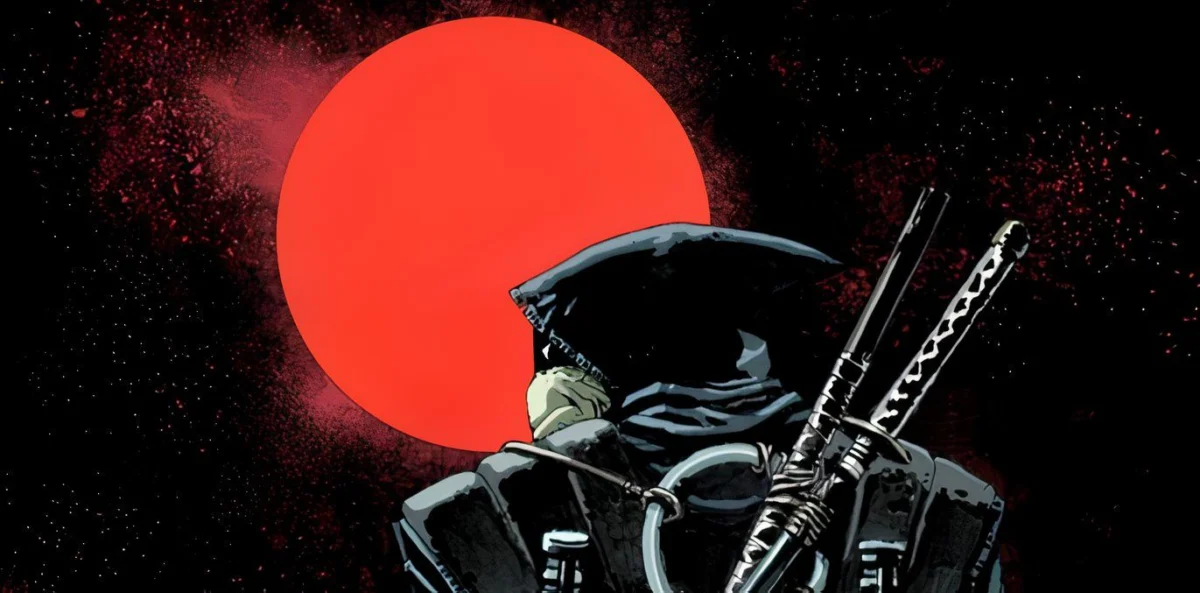
NEW YORK, NY – June 2, 2026 – Six years after its initial groundbreaking release, IDW Comics’ critically acclaimed and best-selling limited series, The Last Ronin, has been dramatically reimagined as a gritty noir novel. Published by Abrams Books, this literary adaptation promises to delve even deeper into the somber, dystopian future of the Teenage Mutant Ninja Turtles, offering fans a fresh perspective on the saga of the lone surviving hero. Authored by seasoned TMNT comics veteran Erik Burnham, the novel is further enhanced by new interior artwork from the Escorza Brothers, who contributed to the original comic series. Polygon has secured an exclusive preview of this highly anticipated release, providing a tantalizing glimpse into its dark, atmospheric narrative.
The Last Ronin first captivated audiences in October 2020, presenting a darker, more mature take on the beloved franchise. It explored a desolate future where a single, unidentified Turtle navigates a Foot Clan-dominated New York City, driven by a profound quest for vengeance. The series quickly garnered widespread acclaim for its poignant storytelling, visceral action, and innovative departure from traditional TMNT narratives. Now, this powerful tale is set to reach a new audience through the immersive medium of a novel, inviting readers to experience its emotional depth and relentless tension in an entirely new way.
A Legacy Reimagined: The Genesis of The Last Ronin
The concept of The Last Ronin originated decades ago from the mind of Kevin Eastman, co-creator of the Teenage Mutant Ninja Turtles. His initial vision was a darker, more mature storyline that explored themes of loss, survival, and retribution within the TMNT universe, a stark contrast to the often lighthearted adventures the Turtles were known for. For years, this concept remained an intriguing "what if" among fans and creators alike, a testament to Eastman’s boundless creativity and his desire to push the boundaries of the franchise.
From Comic Pages to Literary Noir
It wasn’t until Eastman collaborated with Tom Waltz, a writer with whom he had a long-standing working relationship on IDW’s ongoing TMNT series, that The Last Ronin truly began to take shape. Together, they refined Eastman’s decades-old idea, crafting a compelling narrative that would resonate deeply with both long-time fans and new readers. The five-part comic series, illustrated by the talented Escorza Brothers and Maine-based TMNT veteran Ben Bishop, became an immediate sensation upon its release. Its success was not merely commercial; it was a critical triumph that reaffirmed the enduring versatility and thematic potential of the Teenage Mutant Ninja Turtles.
The decision to adapt such a visually driven, action-packed comic series into a novel is a testament to the inherent strength of its story. A novelization offers a unique opportunity to explore the internal landscape of the protagonist, delving into his thoughts, memories, and emotional turmoil with a level of detail that even the most expressive comic panels might struggle to convey. The choice of the noir genre for this adaptation is particularly fitting, as The Last Ronin already possesses many hallmarks of noir fiction: a lone, morally ambiguous protagonist haunted by his past, a bleak and corrupt urban landscape, and a relentless pursuit of justice (or vengeance) in a world devoid of hope.
The Unprecedented Success of the Original Series
The original Last Ronin comic series quickly ascended to legendary status within the comic book industry. Its initial print runs sold out almost instantly, leading to multiple reprints and demonstrating an overwhelming demand from readers. It was praised for its bold storytelling, willingness to confront mature themes, and its masterful blend of nostalgia with a fresh, gritty aesthetic. Fans particularly lauded the mystery surrounding the identity of the last surviving Turtle, which added an element of suspense that kept readers guessing until the reveal. The series proved that the Turtles, traditionally heroes of adolescent adventure, could anchor a narrative of profound tragedy and grim determination, expanding the artistic and thematic horizons of the entire franchise. Its impact was so significant that it spawned multiple follow-up series and cemented its place as one of the most beloved and influential TMNT stories of all time.
The Lone Turtle’s Journey: A Chronological Look
The path from a fleeting idea to a bestselling comic, and now to a deeply immersive novel, highlights the enduring power of The Last Ronin‘s narrative.
Eastman’s Decades-Old Vision
The seed for The Last Ronin was planted by Kevin Eastman way back in 1987. He envisioned a story where only one Turtle remained, carrying the burden of his fallen brothers and sensei. This dark concept, born during the heyday of the Turtles’ rise to mainstream popularity, showcased Eastman’s desire to always keep a connection to the grittier, independent comic roots of the franchise. For years, sketches and notes of this idea existed, a tantalizing glimpse into a potential future for the Heroes in a Half Shell that was far removed from the animated series or toy lines. This long gestation period imbued the eventual series with a sense of gravitas and a deep understanding of the characters, allowing the story to mature and evolve over time before finally being brought to life.
IDW’s Groundbreaking Publication
IDW Publishing, having successfully managed the TMNT comic continuity for years, proved to be the perfect home for The Last Ronin. Their willingness to embrace darker, more mature storylines allowed Eastman’s vision to be fully realized. The series, launched in October 2020, was strategically released, building anticipation with tantalizing teasers and artwork. Its success was immediate and profound, breaking sales records and generating immense critical buzz. The creative team, including Eastman, Waltz, and artists Escorza Brothers and Ben Bishop, crafted a narrative that felt both fresh and deeply rooted in TMNT lore. The comic’s episodic structure, cliffhanger endings, and stunning artwork made it a must-read event for comic enthusiasts, solidifying its place as a modern classic.
The Novelization: Bridging Mediums
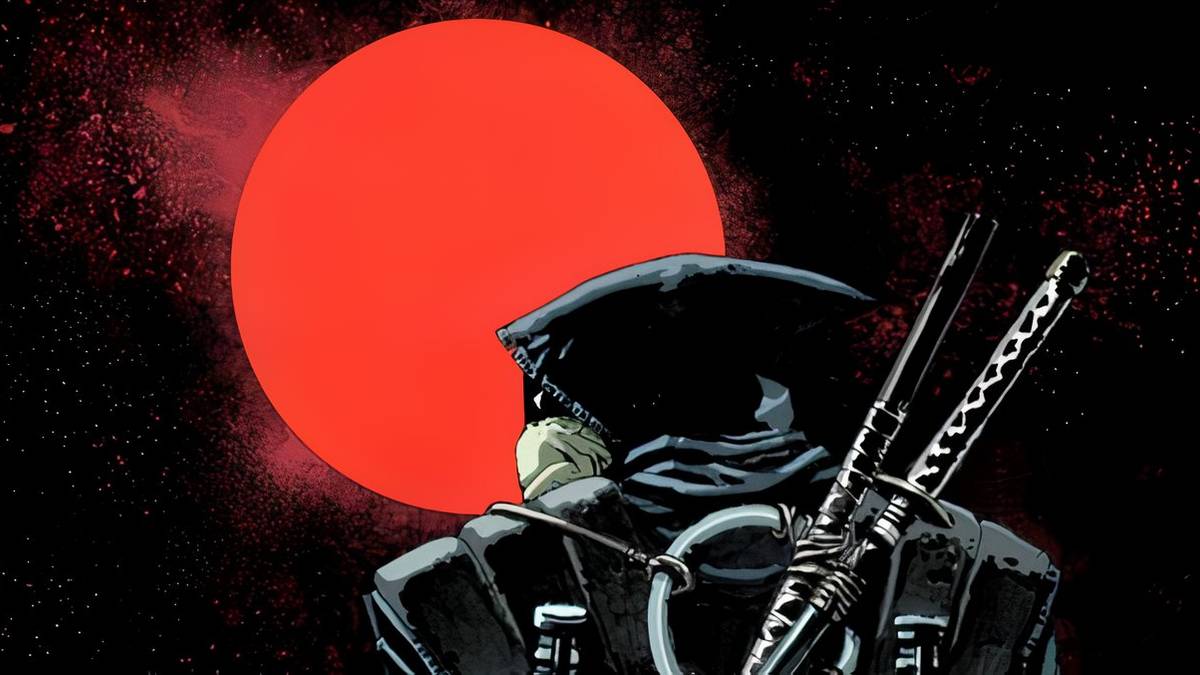
The decision to translate The Last Ronin into a novel in 2026 marks a significant moment for the franchise. It’s a recognition of the story’s literary merit, proving that its themes and character arcs transcend the visual medium. Erik Burnham, a writer intimately familiar with the TMNT universe through his extensive work on various IDW titles, was a natural choice for this adaptation. His expertise ensures that the novel remains faithful to the spirit of the original comic while enriching it with the unique advantages of prose. Readers can expect deeper internal monologues, more intricate descriptions of the dystopian Foot City, and an enhanced focus on the sensory details of Ronin’s isolated existence. The return of the Escorza Brothers for new interior artwork further bridges the gap, offering visual touchstones that connect the novel directly to its comic book origins, providing a cohesive artistic vision across both formats.
Diving Deeper: Themes and Narrative Craft
The transition of The Last Ronin from comic panels to prose allows for an unprecedented exploration of its profound themes and the meticulous craft behind its narrative.
Embracing the Noir Aesthetic
The noir genre, characterized by its cynical tone, morally ambiguous protagonists, and often bleak urban settings, finds a perfect counterpart in The Last Ronin. The novelization leans heavily into this aesthetic, using prose to paint a vivid picture of a New York City transformed into a grim, oppressive Foot Clan stronghold. Ronin himself is the quintessential noir hero: a lone wolf operating outside the law, driven by personal demons and a singular, consuming purpose. The internal monologue, a cornerstone of noir, becomes a primary vehicle for conveying Ronin’s grief, his struggle with the "ghosts" of his brothers, and his unwavering commitment to his final, desperate mission. The novel can amplify the sense of urban decay, the shadowy corners, and the pervasive sense of dread that permeates Foot City, immersing readers in a truly dark and unforgiving world.
Erik Burnham’s Narrative Challenge
Adapting a beloved visual story into a novel presents a unique set of challenges. Erik Burnham, with his deep understanding of the TMNT mythos, is tasked with translating the dynamic action, the subtle visual cues, and the emotional weight of the comic into compelling prose. This involves more than just describing what happens; it requires getting inside Ronin’s head, conveying his pain, his memories, and the internal struggle that fuels his relentless quest. Burnham must use descriptive language to evoke the same atmosphere that the artists created, building tension through words rather than panels, and allowing readers to visualize the grim future through Ronin’s eyes. His long history with the Turtles universe likely provides him with the insight to expand on character motivations and world-building details that might have been condensed in the comic format, offering new layers to an already rich story.
The Escorza Brothers’ Enduring Vision
The decision to bring back the Escorza Brothers for new interior artwork is a thoughtful touch that maintains artistic continuity between the comic and the novel. Their distinctive style, which blended gritty realism with dynamic action, was instrumental in defining the visual tone of the original series. These new illustrations serve as powerful visual anchors within the text, breaking up the prose and offering readers iconic imagery that reinforces the established aesthetic. It’s a testament to their integral role in the visual storytelling of The Last Ronin, ensuring that even in its new literary form, the narrative retains a strong connection to its artistic heritage. Their contributions help to evoke the same sense of desolation and grim determination that defined the comic, enriching the reader’s experience by providing visual signposts within the novel’s expanded narrative.
Exclusive Glimpse: A Desperate Fight for Vengeance
The provided excerpt from Erik Burnham’s novelization plunges readers directly into the heart of Ronin’s desperate struggle within Foot City. It masterfully translates the comic’s visceral action and emotional intensity into gripping prose, offering a profound insight into the protagonist’s tormented psyche and the relentless dangers he faces.
The Whispers of a Fallen Family
The scene opens with an eerie, familiar sound: the clank of approaching mousers. This auditory cue immediately triggers a deep sense of dread in Ronin, linking the present threat to the traumatic past when he "lost his family." Burnham skillfully uses Ronin’s internal monologue to convey his exhaustion and the physical toll of his mission – "When he moves, it’s through molasses. The rhythmic clank-clank-clank gets louder. The floor vibrates." The appearance of the mousers, described as "mechanized shark attack[s]," conjures vivid, terrifying imagery. What makes this encounter particularly harrowing is the immediate realization that these are not the mousers of old; they are upgraded, capable of flight and armed with laser beams, a chilling testament to Stockman’s continued, malevolent ingenuity. Ronin’s silent acknowledgement of his "brothers" within his mind, though unseen, underscores his profound isolation and the ever-present weight of his grief, a constant internal echo that drives his every move.
The Relentless March of Technology
Ronin’s fight against the flying, laser-equipped mousers is a brutal ballet of evasion and counter-attack. The library, a place typically associated with quiet contemplation, becomes a battlefield where "books fly from their perches like stunned birds" and "beams carom off the metal shelves, punch smoking holes in books." His tonfas, modified with "silent wave[s] of energy" to disable the robots, showcase his resourcefulness and adaptability. However, the momentary respite is short-lived as a far more formidable foe emerges: a "no-necked cyclopean monster," a gorilla-sized bipedal robot with a single red eye. This encounter is not just physical; it’s a psychological battle, as Ronin "scans it in turn for vulnerabilities and finds none." His blade, "crusted with blood," is a stark reminder of the carnage he has already wrought, and the question of "How many dead soldiers did he leave in his wake? How many are still ahead?" echoes his internal weariness. The fleeting moment of triumph, when he tweaks the robot’s balance, is quickly dashed, highlighting the overwhelming odds he faces.
A Plunge into the Abyss
The climax of the excerpt is a heart-stopping descent into chaos. The "gorilla android regains motor control and springs forward with astonishing quickness," capturing Ronin in a crushing grip. The sense of panic is palpable as Ronin’s "windpipe clamped" and he’s "twirl[ed] through the air fast enough to feel g-forces." The shattering of glass, the library vanishing, and the ensuing "scream into the void" are rendered with stark, impactful language. The descent is portrayed with a visceral immediacy: "The curved edge of the canopy looms closer and closer," "Wind shrieks in his ears as the street rises up to meet them." Ronin’s desperate, instinctual stab with his sai into the robot’s circuitry allows him a final, fleeting act of defiance, ensuring he "won’t die in the clutches of one of Stockman’s abominations." His final words, "I’ll see you soon," whispered to the spectral presence of his brothers, are a poignant farewell, laden with both resignation and enduring love, before he "crashes into the concrete, into darkness." This sequence is a masterclass in building tension and conveying the profound despair and determination of The Last Ronin, demonstrating how effectively the novelization translates the raw power of the comic into a compelling literary experience.

Broader Implications for the TMNT Universe
The success of The Last Ronin as both a comic series and now a novelization carries significant implications for the future of the Teenage Mutant Ninja Turtles franchise and the broader landscape of cross-media adaptations.
Expanding the Franchise’s Reach
The novelization of The Last Ronin significantly expands the reach of the TMNT franchise beyond its traditional comic book and visual media audience. It appeals to readers who might prefer prose narratives, drawing in fans of dystopian fiction, action thrillers, and noir mysteries. This move demonstrates the versatility of the TMNT characters and their stories, proving they can resonate across different formats and demographic groups. By offering a more literary take, Abrams Books and Viacom International Inc. are effectively broadening the intellectual property’s footprint, potentially attracting new fans who may then explore the comic books or other adaptations. This cross-pollination ensures the longevity and continued relevance of the Turtles in an ever-evolving entertainment landscape.
The Appeal of Mature Storytelling
The Last Ronin unequivocally proved that there is a substantial appetite for mature, darker storytelling within the TMNT universe. For decades, the Turtles were largely associated with children’s cartoons and lighthearted adventures. This series, however, dared to explore themes of profound loss, vengeance, and existential dread, resonating deeply with an older generation of fans who grew up with the characters. The novelization further solidifies this direction, allowing for an even deeper dive into the psychological complexities of its protagonist. This success encourages creators to push boundaries and explore more sophisticated narratives for established franchises, moving beyond simplistic interpretations and embracing the potential for nuanced character development and challenging thematic exploration. It suggests a future where beloved childhood heroes can evolve with their audience, tackling complex issues relevant to adult experiences.
A New Chapter for Cross-Media Adaptations
The successful transition of The Last Ronin from a bestselling comic to a well-crafted novel sets an important precedent for cross-media adaptations. It highlights the value of strong storytelling that can transcend its original format. In an era dominated by cinematic universes and multimedia franchises, the novelization demonstrates that prose can be a powerful tool for deepening character arcs and expanding narrative universes, rather than just being a source material for visual adaptations. This could open doors for other beloved comic series to find new life as novels, offering fans alternative ways to engage with their favorite stories and allowing writers to explore nuances impossible in a visual medium. It also reinforces the idea that adaptations, when handled with care and respect for the source material, can enrich a franchise rather than simply repackage it.
Conclusion
The Last Ronin novelization by Erik Burnham, with its compelling prose and evocative new artwork by the Escorza Brothers, is more than just an adaptation; it is a profound deepening of an already iconic story. It offers fans a chance to relive the visceral action and emotional turmoil of the last surviving Teenage Mutant Ninja Turtle, amplified through the immersive power of literature. As Ronin plunges into the darkness, driven by the ghosts of his past and the relentless pursuit of vengeance, readers are invited on a journey that is both heartbreaking and exhilarating. This release not only pays homage to Kevin Eastman’s original vision and IDW’s groundbreaking comic series but also carves out a new, essential chapter in the enduring legacy of the Teenage Mutant Ninja Turtles, proving that even in their darkest hour, these heroes can continue to evolve and captivate audiences across all mediums.
Excerpt from the new book The Last Ronin: A Teenage Mutant Ninja Turtles Novel (Abrams) by Erik Burnham with interior illustrations by the Escorza Brothers. © 2026 Viacom International Inc. All Rights Reserved. Nickelodeon, Teenage Mutant Ninja Turtles and all related titles, logos and characters are trademarks of Viacom International Inc. Based on characters created by Peter Laird and Kevin Eastman.











No comments yet. Be the first to join the conversation!