
The life simulation genre, once dominated by a single, unchallenged titan, is currently undergoing its most significant transformation in decades. For years, the The Sims franchise held an effective monopoly, dictating the terms of engagement for virtual living. However, the landscape has shifted dramatically in 2026. Following the stagnation of The Sims 4—plagued by internal corporate shifts and the controversial cessation of expansion packs—the genre has seen a sudden, vibrant rejuvenation.

The arrival of InZoi and, most notably, the Early Access release of Paralives, marks a pivotal turning point. For the first time, players have genuine, high-quality alternatives that not only compete with the legacy of their predecessors but actively iterate upon them. Paralives, developed by the independent Paralives Studio, has emerged as a standard-bearer for this new era, proving that a focus on player agency, technical innovation, and ethical development can revitalize a genre that many feared had lost its soul.

A Chronology of Change: From Monopoly to Competition
The history of the life sim genre is inextricably linked to the trajectory of The Sims. Since the early 2000s, the franchise served as the definitive experience for millions. Yet, the late 2020s brought a period of disillusionment. Corporate restructuring, including buyouts and shifting monetization strategies, led to a perceived decline in quality for The Sims 4. As the development of new expansions slowed to a crawl, the community’s demand for a deeper, more responsive experience grew.

Paralives was announced during this period of high tension, positioning itself as an indie-developed antithesis to the corporate-heavy model. The development journey, marked by transparency and a "players-first" philosophy, culminated in its highly anticipated Early Access launch on May 25, 2026. This release did not just offer a game; it offered a manifesto on how life simulations should function in a modern gaming environment. By refusing to rely on generative AI and maintaining a focus on hand-crafted, deliberate design, the studio tapped into a deep vein of nostalgia for the charm of early titles while simultaneously pushing the boundaries of modern mechanics.
Supporting Data: The Pillars of Modern Simulation
Paralives has introduced several quality-of-life improvements that have forced a re-evaluation of what is considered "standard" in the industry. These features are not merely aesthetic; they represent a fundamental change in how the game interacts with the player’s desire for storytelling.

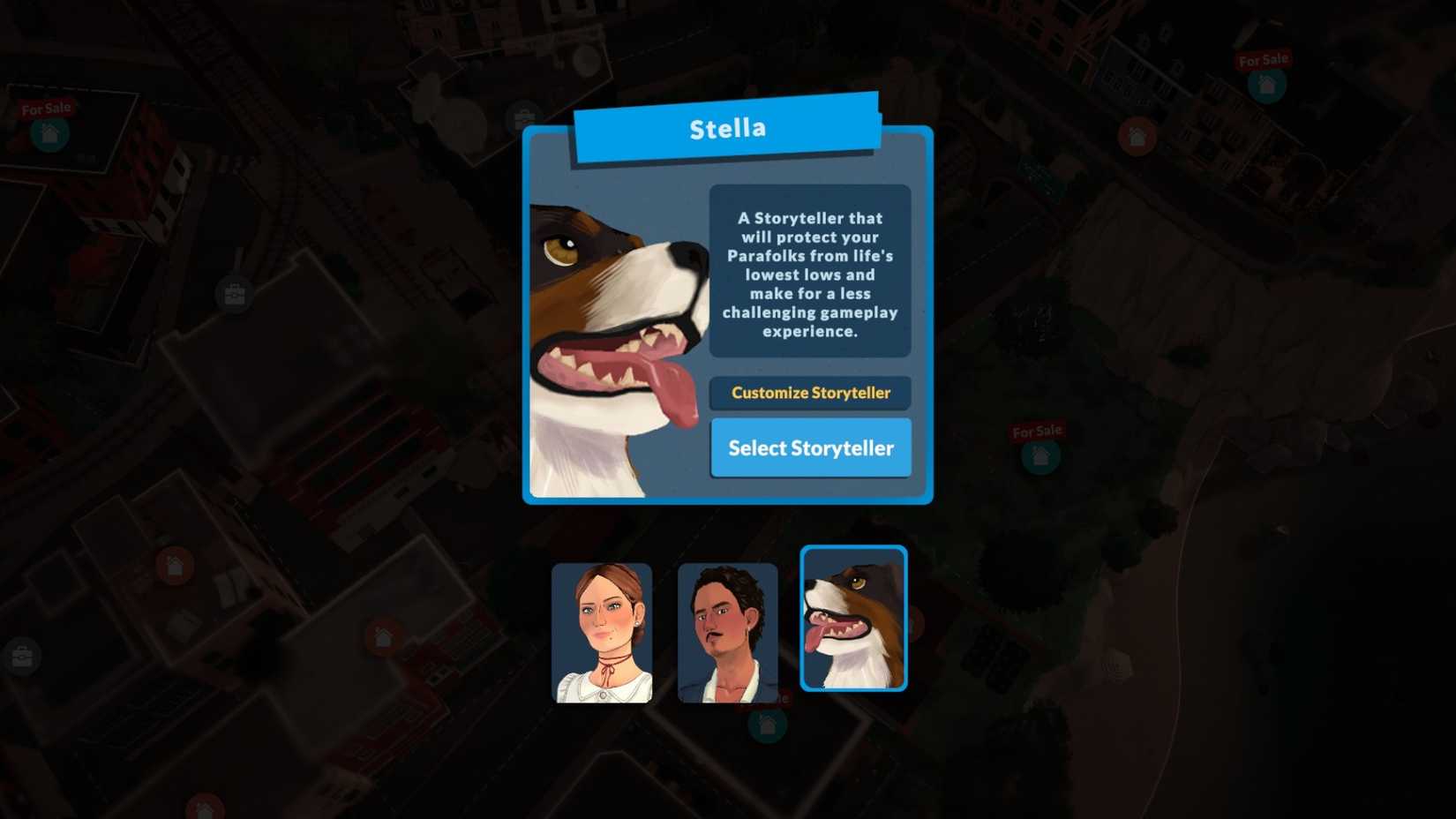
1. The Storyteller Mechanic: True Customization
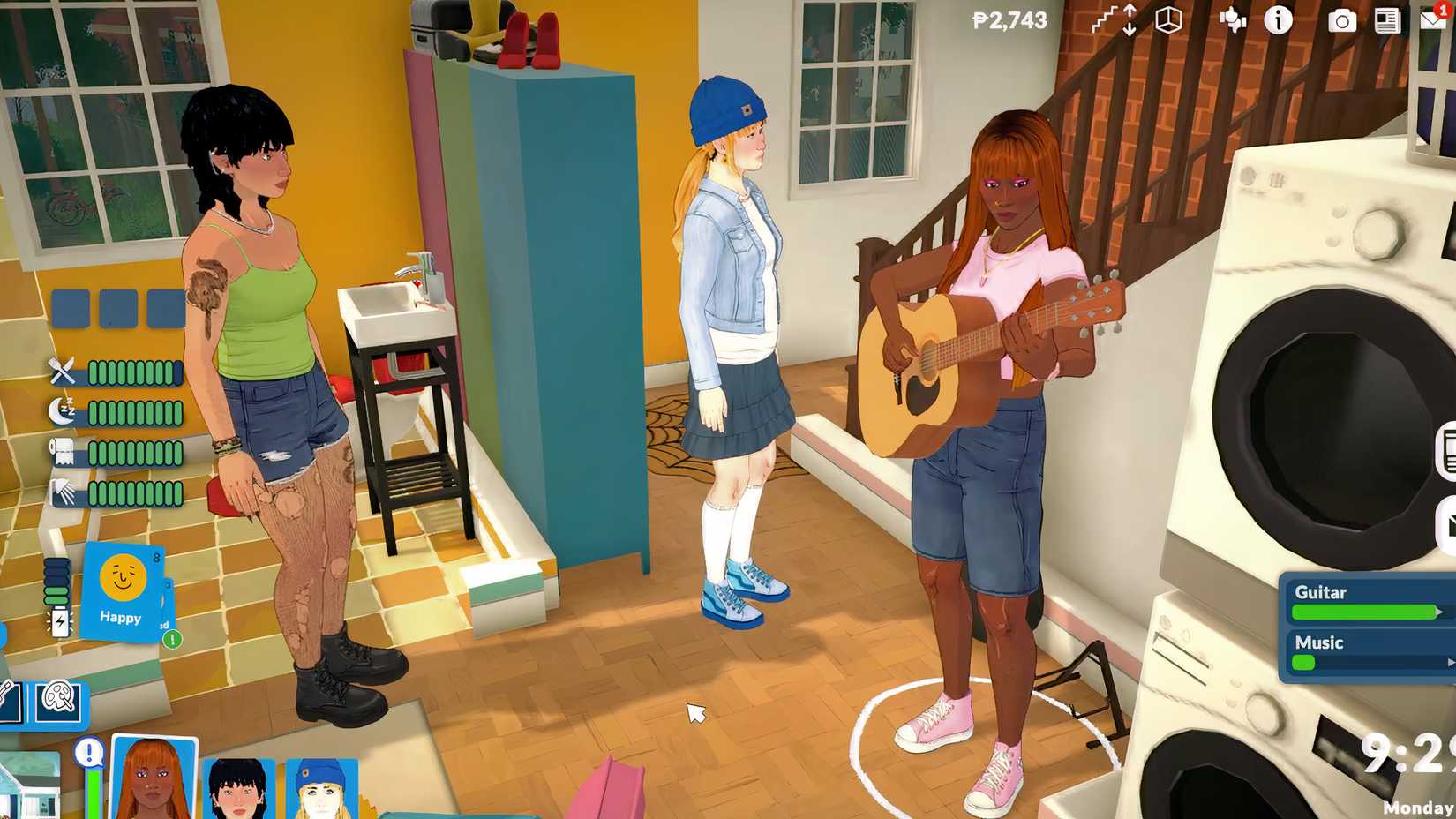
In most life sims, difficulty is a binary or non-existent concept. Paralives disrupts this with its "Storyteller" mechanic. Rather than forcing a singular gameplay loop on the user, the game provides three distinct presets, supplemented by granular, individual customization. Players can manipulate the statistical likelihood of major life events—such as the probability of twins, the frequency of career termination, or the specific duration of a "day." This granular control turns the game into a personalized sandbox, allowing players to tailor the friction of the experience to their specific narrative goals.
2. Height Sliders and Animation Technology
Historically, developers avoided variable character heights due to the prohibitive cost and complexity of animation. Paralives has effectively shattered this barrier. By implementing a functional, seamless height slider, the game allows for significant physical diversity among characters (or "Paras"). Crucially, these differences do not break the game’s logic; the animations adjust dynamically, ensuring that interactions between characters of varying heights appear natural and grounded. This technical feat establishes a new benchmark for character customization that future titles will find difficult to ignore.

3. Representation as a Design Default
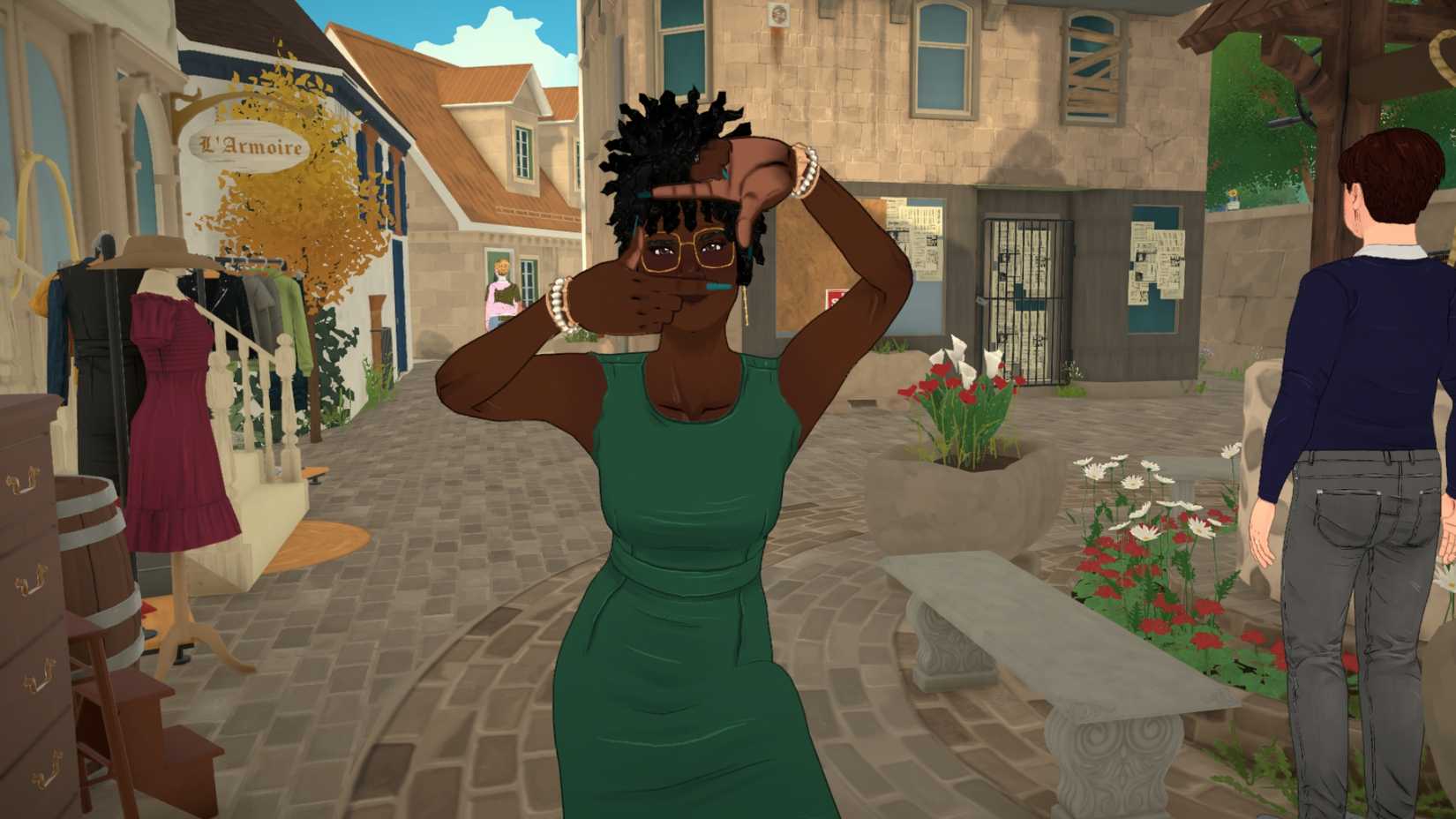
Representation is not merely a box-ticking exercise in Paralives; it is a core design pillar. From its launch, the game offered robust options for diverse skin tones, hair textures, and physical abilities—areas where the The Sims 4 faced significant, long-standing criticism. By acknowledging that a life sim is a reflection of the real world, the developers have ensured that the game is accessible and inclusive by default, rather than through later, often-delayed, updates.
Official Responses and Industry Impact
While the developers at Paralives Studio have maintained a humble, community-focused tone, their actions speak volumes regarding the industry’s future. By explicitly promising that there will be no paid expansions or DLC, the studio has taken a radical stance against the "microtransaction-heavy" model that has defined the genre for a decade.

In a recent communication, the studio emphasized that all additional content will be delivered via free, iterative updates. This effectively removes the "pay-to-play" barrier that has frustrated the community for years. The absence of an in-game marketplace—or the intrusive "flashing buttons" that often accompany them—serves to protect the player’s immersion. The message to the industry is clear: players are willing to pay for a high-quality product, but they are increasingly resistant to predatory, incremental monetization.
Implications for the Future of Life Simulations
The success of Paralives in Early Access carries profound implications for the gaming industry at large. It proves that the "cozy game" and life simulation markets are not just niche, but highly competitive arenas where technical polish and player respect are the primary currencies.
The End of Paywalled Basic Features
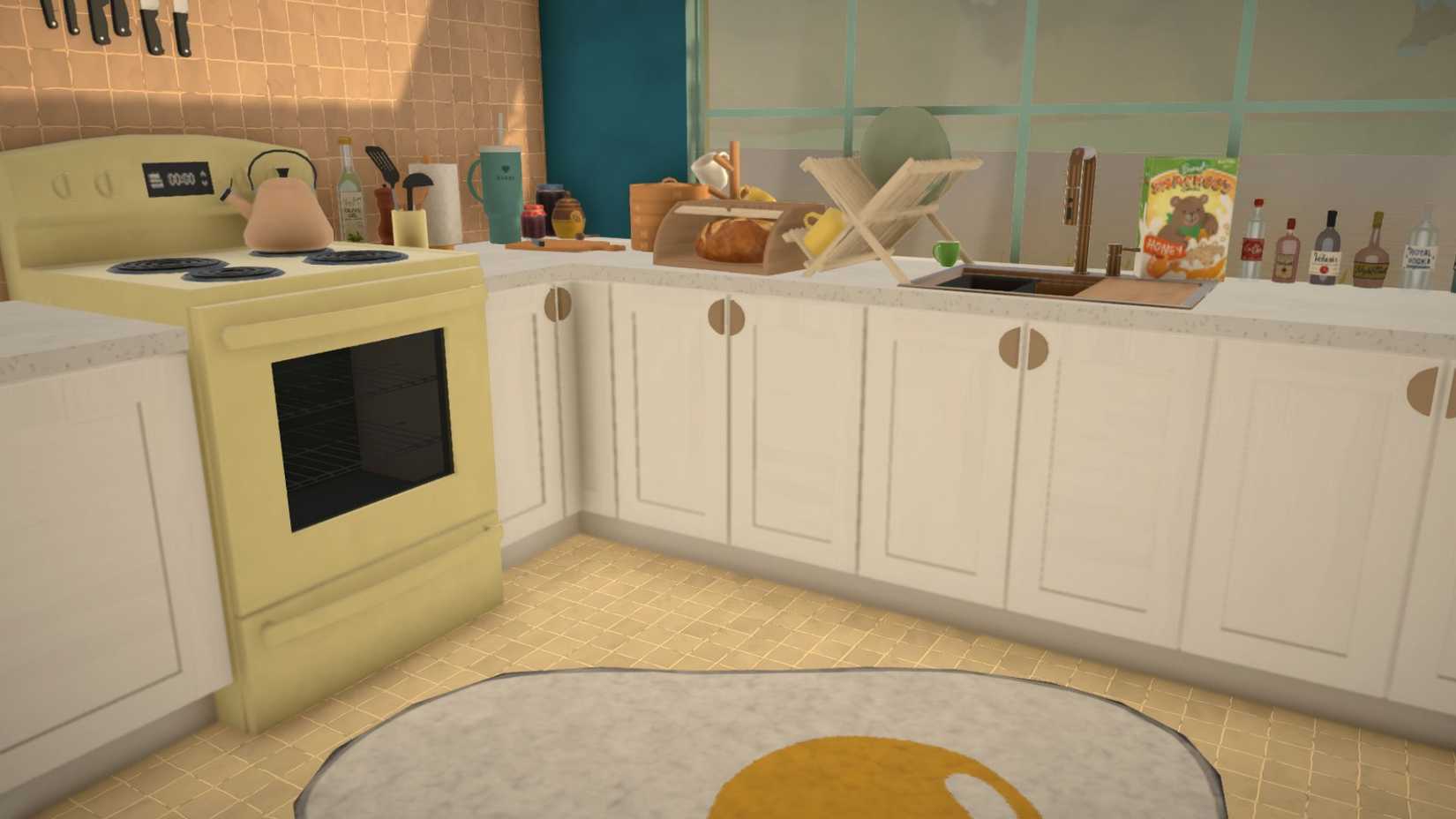
The precedent set by Paralives regarding weather is particularly telling. For years, ambient weather effects were locked behind expensive expansion packs in the The Sims series. Paralives has committed to including weather in the base game experience, free of charge. This shift forces a reckoning: can legacy franchises continue to charge for what the market now perceives as a "basic feature"?

Open World Immersion
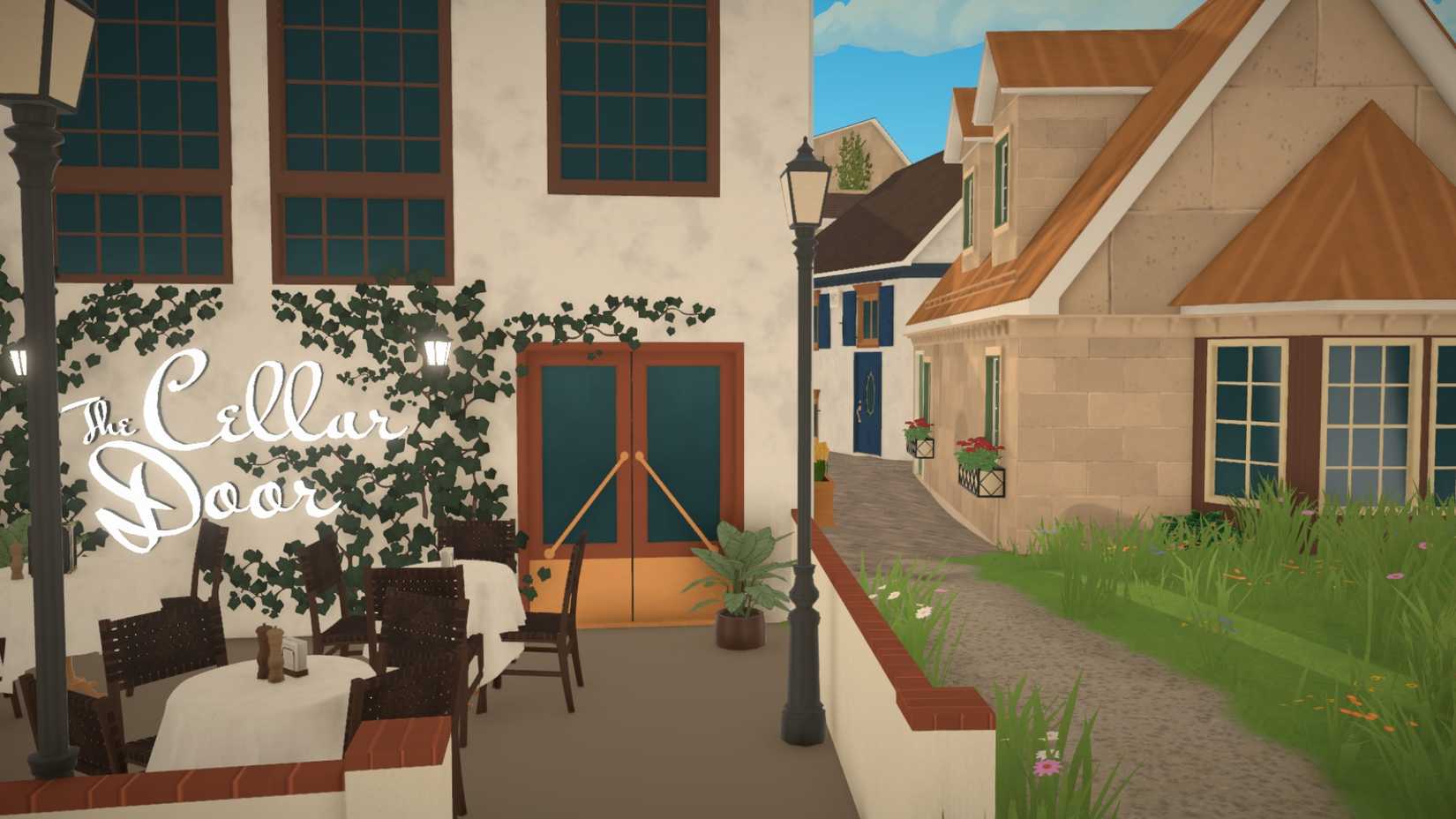
The return of a truly open world—where players can traverse the entire game environment without the interruption of loading screens—has been met with overwhelming enthusiasm. While InZoi also features an open world, the implementation in Paralives feels specifically designed to facilitate organic, unscripted storytelling. Being able to walk to a restaurant or chat with an NPC on a whim without hitting a loading screen barrier restores the sense of "life" that was lost in the "lot-based" design of the previous decade.
Gridless Decorating and Creative Freedom
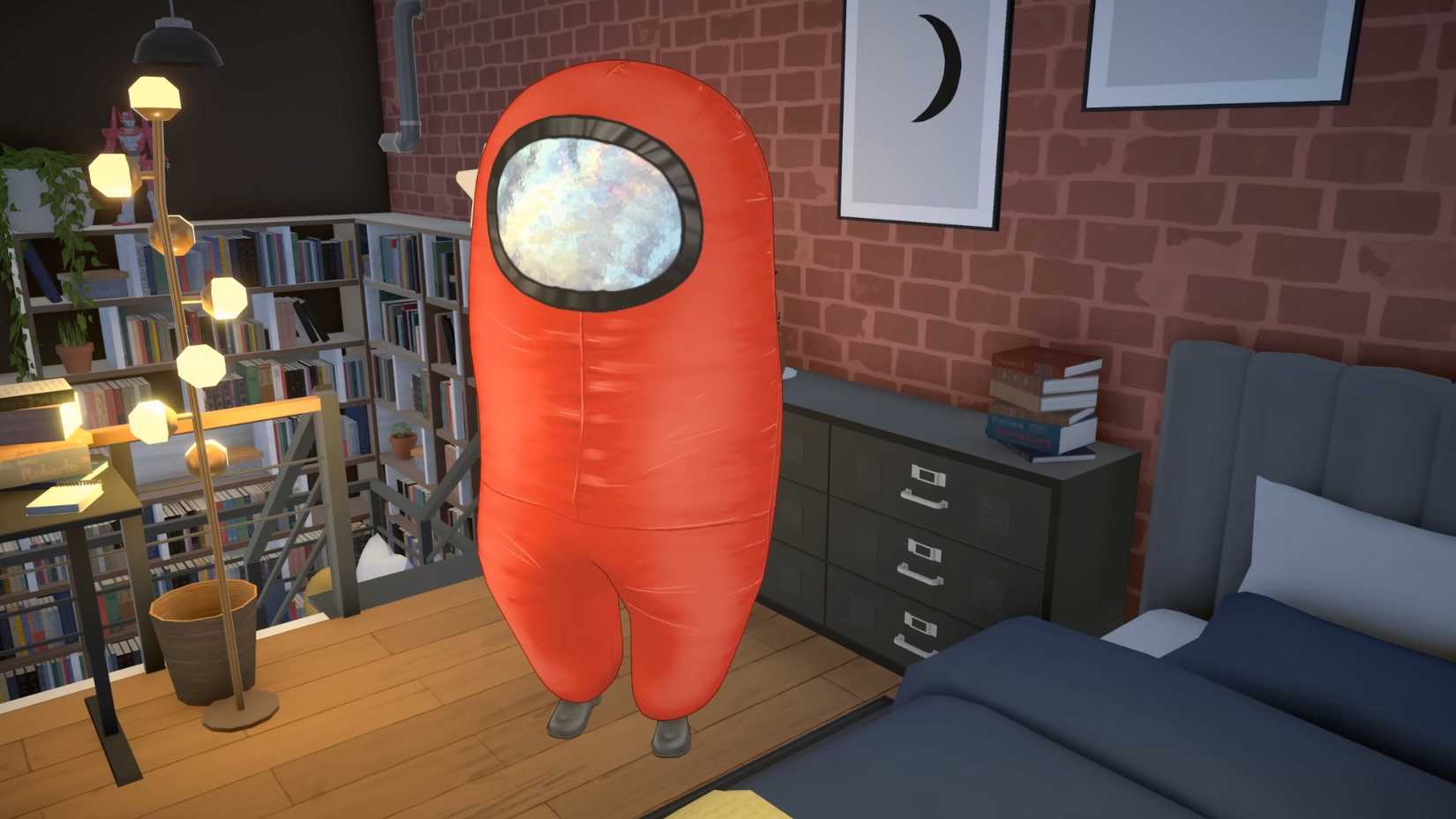
The move toward gridless, organic object placement is another significant advancement. By allowing players to move beyond the constraints of the grid, the game provides a level of architectural and interior design freedom previously only achievable through complex, often buggy, third-party cheats. This empowerment of the player’s creative side further distinguishes Paralives as a tool for expression rather than just a game of needs management.
Conclusion: A New Standard of Living
The life simulation genre is no longer a monolith. The "renaissance" led by Paralives is characterized by a move toward transparency, technical innovation, and an unwavering commitment to the player experience. By fixing the pain points of the past—such as restrictive character creation, paywalled features, and artificial limitations on movement—Paralives has effectively raised the bar.
As we look toward the future, the industry will likely be forced to pivot. The era of the "uncontested giant" is over; in its place, we have entered a period of competition where the biggest winners are, undeniably, the players. Whether through the depth of the "Storyteller" system or the simple, refreshing absence of microtransactions, the lessons of this period are clear: if you give players the tools to build their own stories, they will stay, they will invest, and they will thrive.