

The global expansion of the anime industry has brought with it a heightened scrutiny of the bridge between Japanese creators and international audiences: the localizers. While translation aims for linguistic accuracy, localization often attempts to adapt cultural nuances for a target market. However, a growing rift has emerged between fans who demand fidelity to the original text and localization teams who prioritize contemporary social relevance.
The latest flashpoint in this ongoing debate involves Sentai Filmworks and their handling of the third season of the hit series Oshi no Ko. Critics and fans have pointed to several instances where the English script replaces the author’s original metaphors with modern Western buzzwords like "cancel culture" and "dogpiling," reigniting fears that the creative vision of Japanese authors is being filtered through a specific socio-political lens.
Main Facts: The Intersection of Industry Critique and Script Alteration
Oshi no Ko, written by Aka Akasaka (Kaguya-sama: Love is War) and illustrated by Mengo Yokoyari (Scum’s Wish), is a psychological drama that serves as a scathing critique of the Japanese entertainment industry. It explores the dark underbelly of idol culture, the predatory nature of reality television, and the toxic influence of social media.

The controversy centers on the English subtitles provided by Sentai Filmworks for the third season, which covers the "Main Story" and "Dig Deep" arcs. In these episodes, the localization team opted to use terms such as "cancel culture" and "mega-cancelled" to describe the online "flaming" (known as enjo in Japan) that characters experience.
Fans argue that these terms are not only anachronistic to the original manga’s tone but also narrow the scope of Akasaka’s commentary. While "cancel culture" is a specific Western phenomenon often associated with political or social accountability, the Japanese concept of enjo—literally "burning"—refers to a more chaotic, often entertainment-driven form of online lynch mobbing that transcends specific political alignments.
Chronology: From Manga Panels to Digital Controversy
To understand the weight of the current dispute, one must look at the timeline of the source material versus its animated adaptation.

The Source Material (2022)
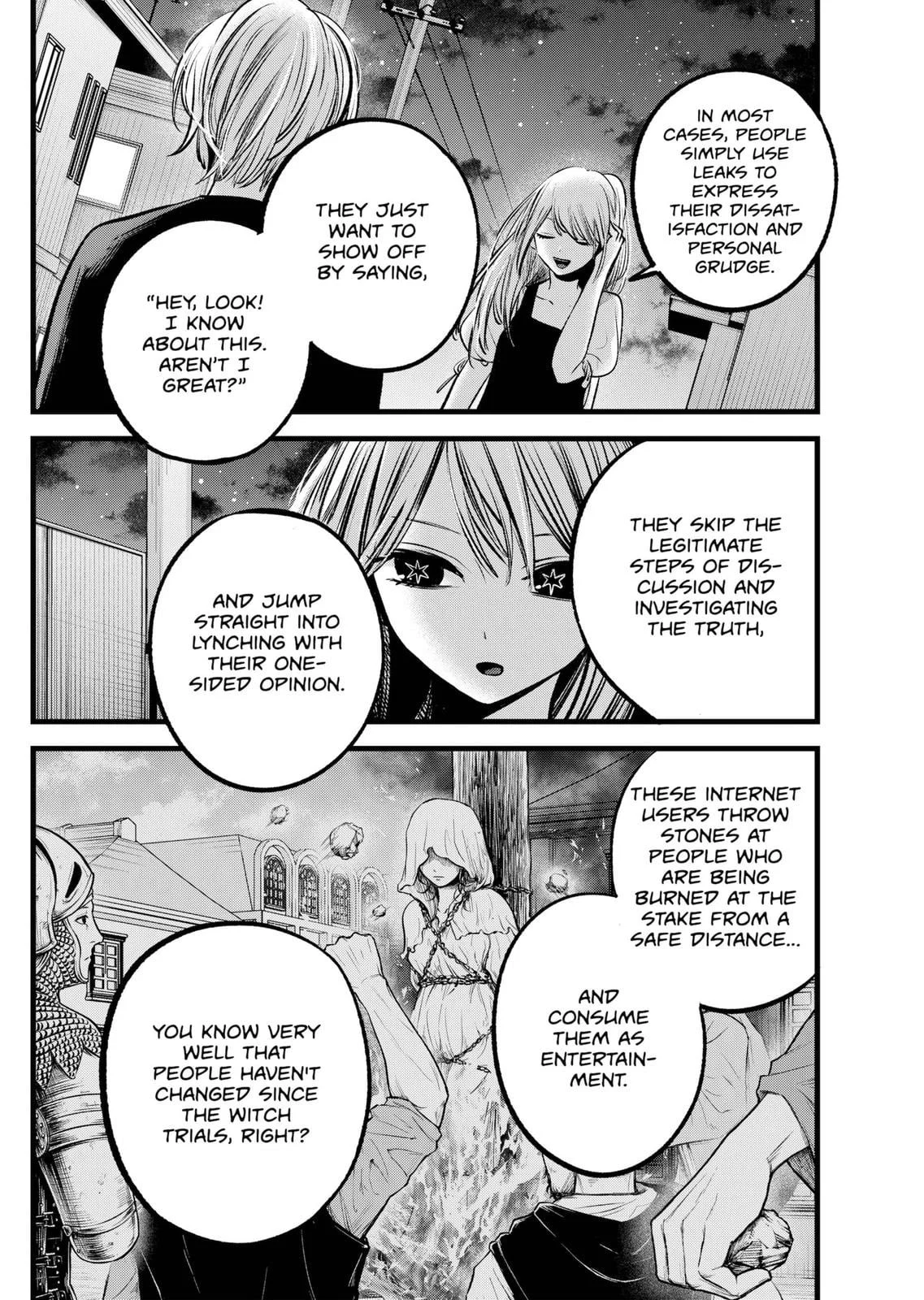
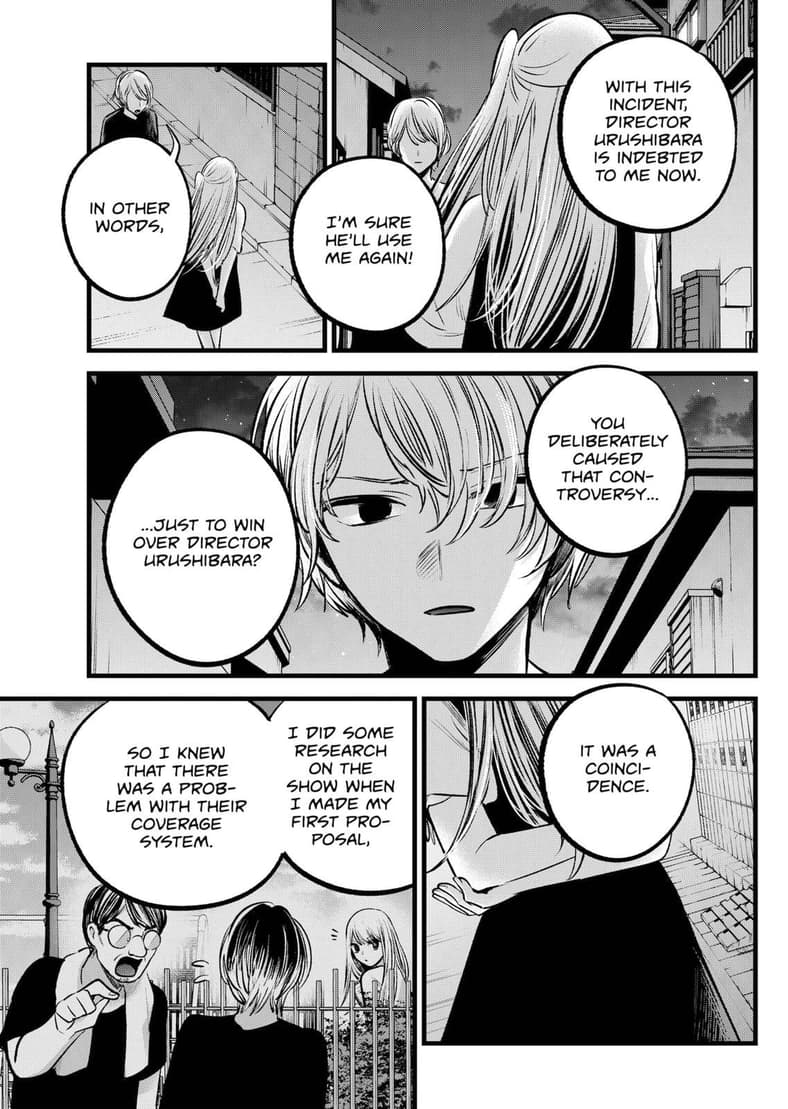
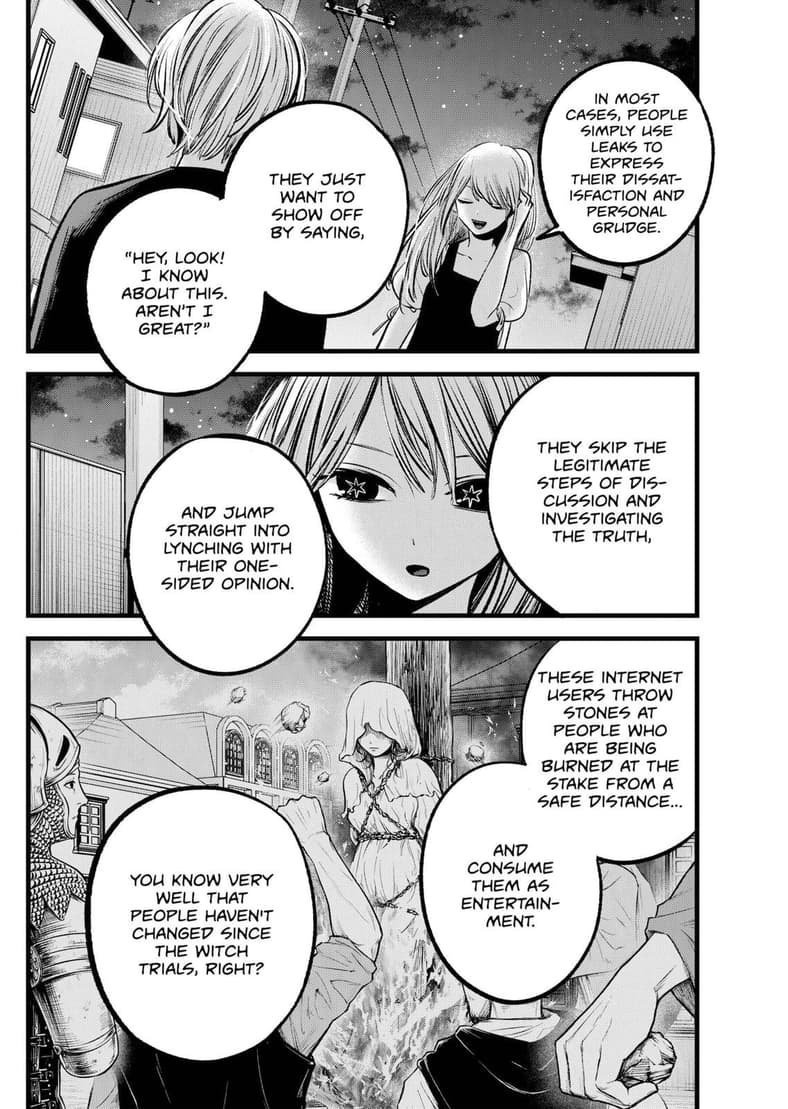
In 2022, chapters 93 and 99 of the Oshi no Ko manga were released in Shueisha’s Weekly Young Jump. In Chapter 93, titled "Leak," Ruby Hoshino reflects on the nature of online scandals following the "Dig Deep" incident. Akasaka used a visceral metaphor, describing internet users as people who "throw stones at people who are being burned at the stake from a safe distance," consuming the suffering as a form of entertainment. The official English manga translation by Shueisha’s Manga Plus remained largely faithful to this "burning at the stake" imagery.
The Anime Adaptation (2026)
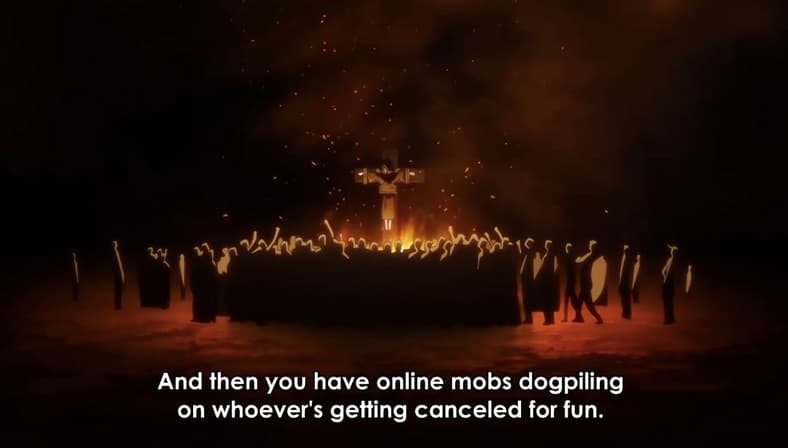
As Season 3 of the anime reached these pivotal chapters, the dialogue was transformed. In Episode 4, titled "Blind," the "burned at the stake" metaphor was discarded. Instead, the Sentai Filmworks script had Ruby state: "And then you have online mobs dogpiling on whoever’s getting canceled for fun."
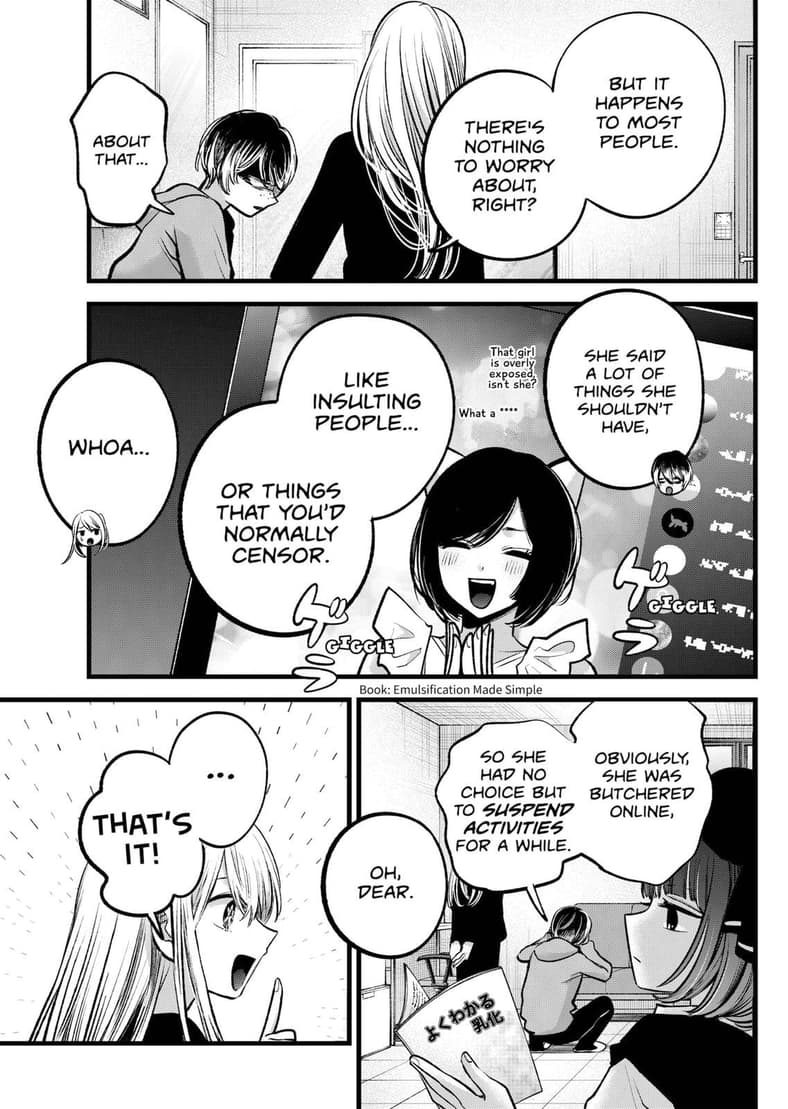
Shortly thereafter, in Episode 5 ("Marketing"), a similar change occurred regarding the character Mimi Yoshizumi. In the manga (Chapter 99), her brother Shun describes her situation by saying she was "butchered online," necessitating a suspension of her activities. The Sentai localization changed this to: "Naturally, she got mega-cancelled and has to stop streaming for a while!"

The Broader Trend
This incident does not exist in a vacuum. It follows a series of controversial localizations across the industry, such as Netflix’s recent handling of Blue Box, where a character was described as "feminist" in the English script despite the Japanese original using the term for "feminine." These back-to-back incidents have fueled a narrative that Western localizers are increasingly comfortable "overwriting" Japanese scripts to align with modern Western discourse.
Supporting Data: Linguistic Analysis and Cultural Nuance
The core of the disagreement lies in the difference between the Japanese term enjo and the English term "cancel culture."
The "Enjo" Phenomenon
In Japanese internet culture, enjo describes a state where a person’s social media or blog is flooded with critical comments. While it can be triggered by a moral failing, it is frequently characterized as a "festival" (matsuri) where participants join in for the thrill of the chase. By using the "burned at the stake" metaphor, Aka Akasaka was invoking a sense of historical cruelty and mindless mob violence.
The "Cancel Culture" Rebrand
"Cancel culture" is a term heavily loaded with Western political baggage. By injecting it into Oshi no Ko, critics argue that localizers are "dating" the material. Language that is hyper-specific to 2020s social media slang often ages poorly, whereas Akasaka’s original metaphors regarding "stones" and "stakes" are timeless.
Furthermore, data from fan communities on platforms like X (formerly Twitter) and Reddit suggest that a significant portion of the core "otaku" demographic views these changes as a breach of trust. In various polls conducted within anime sub-communities, "accuracy over adaptation" consistently ranks as the top priority for viewers who pay for premium streaming services like HIDIVE or Crunchyroll.
Official Responses and Industry Silence
As of this report, Sentai Filmworks has not issued a formal statement regarding the specific dialogue choices in Oshi no Ko Season 3. Historically, localization houses have defended such choices as "creative adaptation," intended to make the dialogue sound more natural to a native English speaker.
However, the silence from major distributors is becoming harder to maintain as the "Pro-Translation vs. Pro-Localization" debate reaches the ears of Japanese creators. In recent years, several high-profile manga authors have expressed a desire for more literal translations. The creator of Bushiroad, Takaaki Kidani, and others have occasionally commented on the need for global standards that respect the original Japanese "kokoro" (heart/spirit).
The tension is further exacerbated by the looming presence of Artificial Intelligence. Some industry analysts suggest that if human localizers continue to be perceived as "activist" or "unfaithful" to the source material, production committees in Japan may move toward AI-generated translations, which, while potentially less "natural," are seen as less likely to intentionally alter the author’s message for social reasons.
Implications: The Future of Cross-Cultural Media
The controversy surrounding Oshi no Ko Season 3 highlights three major implications for the future of the anime industry:
1. The Erosion of Cultural Specificity
When localizers replace Japanese-specific social dynamics with Western equivalents, the audience loses the opportunity to learn about the unique nuances of Japanese society. Oshi no Ko is a story about the Japanese entertainment world; by "Americanizing" the terminology of its scandals, the sense of place is diminished.
2. The Rise of "Fan-Fixes" and Piracy
History shows that when official localizations become unpopular, the "fansubbing" community sees a resurgence. If viewers feel that official platforms are "sanitizing" or "re-scripting" their favorite shows, they may turn to unofficial sources that provide literal translations, potentially hurting the legal streaming market.
3. The Polarization of the Audience
The debate has become a microcosm of the broader "culture wars." One side argues that localization is an art form that requires updating old concepts for new audiences. The other side argues that it is a service industry whose sole job is to provide a transparent window into another culture. As long as these two philosophies remain at odds, every major release risks becoming a battlefield rather than a bridge.
Conclusion
The "cancel culture" dialogue in Oshi no Ko Season 3 serves as a reminder that translation is never a neutral act. For Sentai Filmworks, the goal may have been to make the dialogue feel "current." For the fans, however, the result feels like an intrusion—a case of a middleman speaking over the artist.
As the anime industry continues to grow into a multi-billion dollar global powerhouse, the demand for "faithful" localization is only going to intensify. Whether studios will listen to this feedback or continue to prioritize social media-friendly buzzwords remains to be seen. For now, Ruby Hoshino’s commentary on the cruelty of the "online mob" remains as relevant as ever—even if the words she uses to describe it have been changed by the very industry the show seeks to critique.










No comments yet. Be the first to join the conversation!