

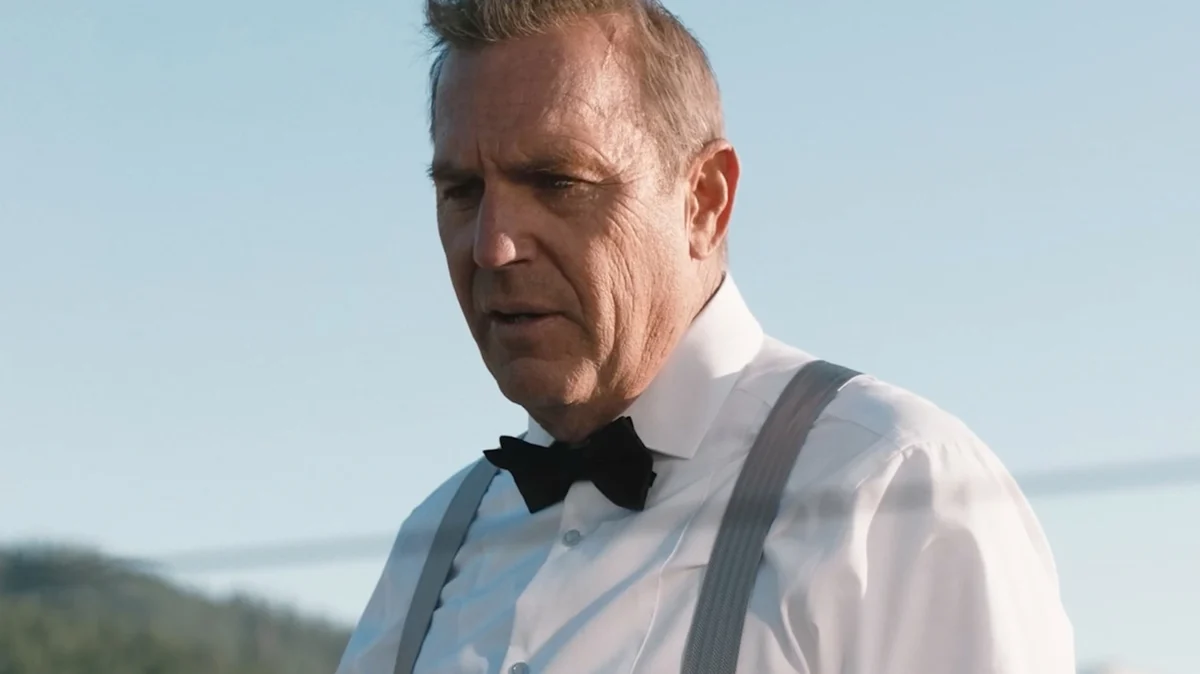
For years, Taylor Sheridan’s Yellowstone reigned as the undisputed king of modern television. With its sweeping vistas of the Montana wilderness, gritty neo-Western aesthetic, and a powerhouse performance by Kevin Costner, it became a cultural juggernaut that bridged the gap between traditional prestige drama and populist cable television. Yet, as the sun sets on the Dutton family legacy, the discourse surrounding the show has shifted from celebratory analysis to a granular dissection of its perceived decline.
A firestorm of debate has erupted across digital forums, most notably on Reddit, where loyal viewers are attempting to pinpoint exactly when the series stopped being a masterpiece and started spiraling into narrative incoherence. While Sheridan’s formula—a potent blend of family trauma, land-rights conflict, and high-stakes violence—was once hailed as revolutionary, fans are now increasingly vocal about the "nadir" of the show, citing everything from character assassination to egregious self-indulgence.
The Governor’s Burden: When Character Logic Faltered
At the heart of the current frustration lies the arc of John Dutton (Kevin Costner) during his tenure as Governor of Montana. For many viewers, this transition was the catalyst for the show’s departure from grounded drama into something far more erratic.
Critics point to the jarring shift in John’s characterization, noting that his political ascension seemed to strip away the calculated, stoic nature that made him a formidable patriarch. "He became the state’s governor and now Beth and John don’t even hide how evil they are," one disgruntled fan noted on Reddit. The critique is rooted in the loss of subtlety; where once the Duttons operated in the shadows, their recent public behavior feels disconnected from the survivalist instincts that defined the earlier seasons.
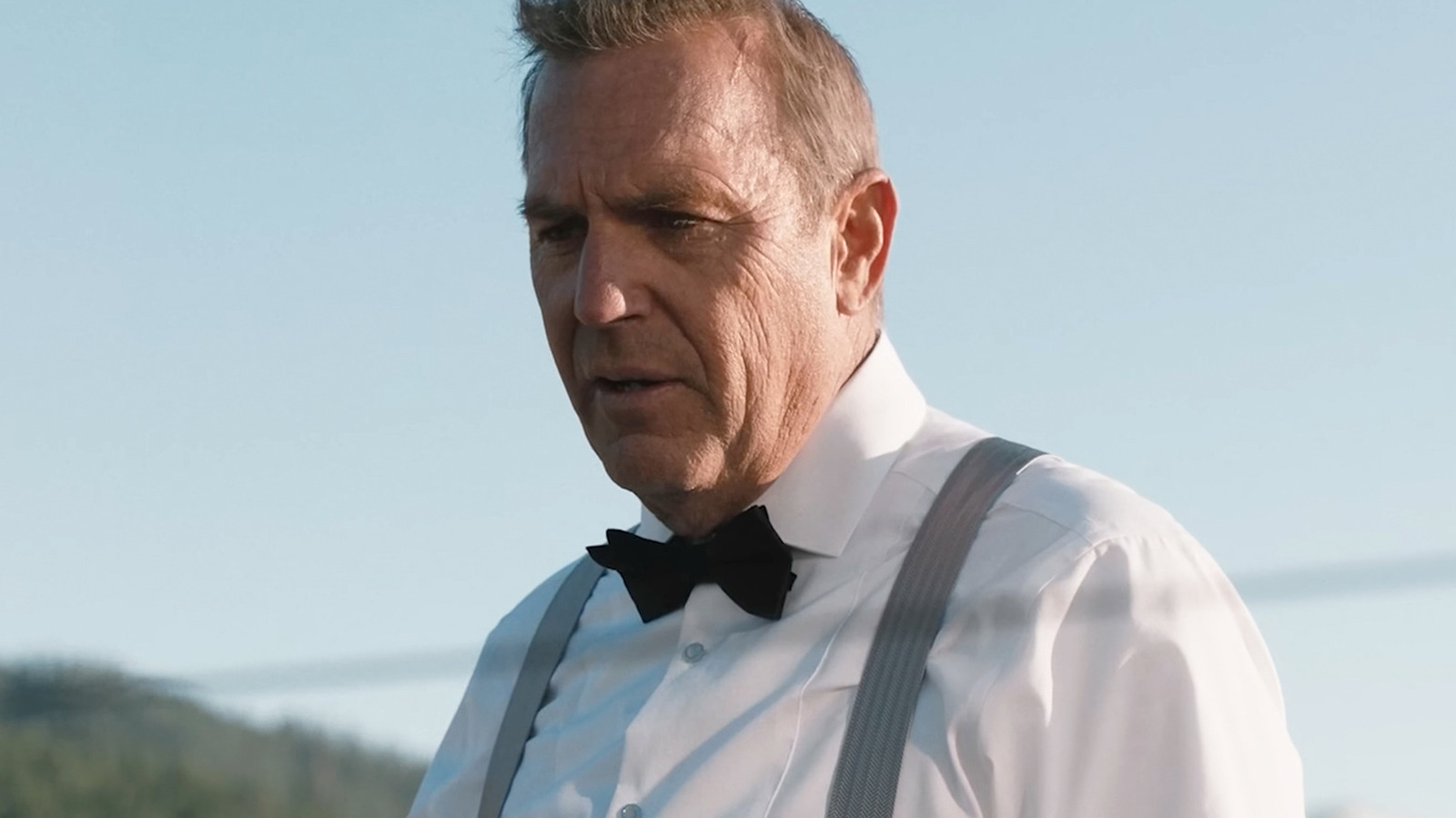
Further compounding this frustration is the cyclical nature of the family’s internal conflicts. The ongoing, repetitive antagonism between John, Beth (Kelly Reilly), and Jamie (Wes Bentley) has reached a point of exhaustion for many viewers. As one observer aptly put it, "John running for governor, being elected, hating it, and then blaming Jamie for it because it was ‘supposed to be’ him—like, pick a lane, John." This sentiment reflects a broader feeling that the characters have ceased to evolve, instead trapped in a loop of grievances that no longer serve the plot.
Season 5: The "Self-Insert" Controversy
If the earlier seasons built the house of Yellowstone, Season 5 is viewed by many as the point where the foundation began to crumble. This season, in particular, has become the primary target for those who feel the show lost its way.
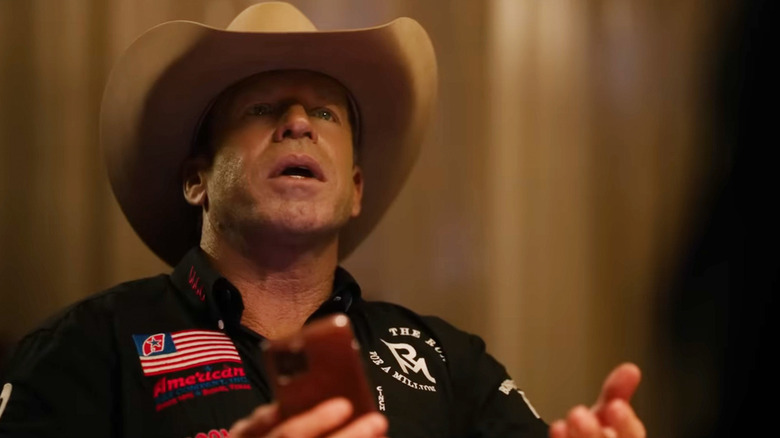
Much of this backlash centers on the expanded role of Travis Wheatley, the horse trainer portrayed by series creator Taylor Sheridan himself. For a segment of the audience, the inclusion of Wheatley moved from a fun cameo to an intrusive distraction. The most cited moment of "cringe" is the strip poker game involving Wheatley and the Dutton inner circle. Critics argue that the scene served no narrative purpose other than to aggrandize the creator’s own character, with one user calling it "the most insane self-insert in media history."
This perception of "vanity storytelling" has bled into broader critiques of the writing in Season 5. Viewers describe the pacing as disjointed and the stakes as strangely muted, despite the high-concept promises of the series. Comments describing the season as "complete garbage" or claiming the show "fell off a cliff" highlight a profound sense of betrayal among the core audience. The consensus is clear: while seasons 1 through 3 offered a cohesive vision of cowboy turf wars and ranching struggles, Season 5 struggled to justify its own existence.
The "Jump the Shark" Threshold: Assessing the Point of No Return
The debate over the show’s "lowest point" inevitably leads to the classic television trope of "jumping the shark." While Season 5 takes the brunt of the criticism, many long-time viewers argue that the rot began much earlier.
The Assassination Cliffhanger
One notable pivot point identified by fans is the Season 3 finale, which featured a coordinated assassination attempt on the entire Dutton clan. While high-octane in execution, the aftermath—where every primary character survived—left many feeling that the show had sacrificed narrative consequences for spectacle. "I kind of thought the point of no return in the show was the buildup and cliffhanger of a coordinated assassination plot… and everyone lived," a viewer noted. This moment underscored a growing trend: Yellowstone had become a show where the threat of death was constant, yet the mortality rate of main characters remained suspiciously low.
The Phantom Bomb Plot Hole
Perhaps the most famous example of the show’s narrative abandonment is the "bomb on the plane" plot hole. In an earlier season, Kayce Dutton (Luke Grimes) planted a bomb on the aircraft belonging to the villainous Beck brothers. The bomb was never utilized, the plot point was never revisited, and the audience was left to wonder if the writers simply forgot about a major explosive device sitting in a private jet. While it has become a running joke in the Yellowstone community, it serves as a stark reminder of the show’s tendency to favor dramatic tension in the moment over long-term structural integrity.
The Ghost of Lee Dutton
Some fans reach back even further, arguing that the death of Lee Dutton in the pilot episode set a precedent that the show never truly recovered from. While the death of the eldest son provided the necessary catalyst for the story, some viewers feel that his complete erasure from the family narrative in subsequent seasons was a missed opportunity. The feeling that Lee "never existed" in the minds of his siblings or father during the following five seasons suggests a lack of emotional continuity that has plagued the series throughout its run.
Implications for the Sheridan Universe
The criticism directed at Yellowstone is not merely about a drop in quality; it is a commentary on the sustainability of the "Sheridan-verse." With the creation of multiple spin-offs, including 1883 and 1923, the primary show became the anchor for a massive multimedia franchise. Some critics argue that the resources and focus required to maintain this sprawling empire inevitably diluted the quality of the flagship series.
Furthermore, the public friction regarding production schedules and the eventual exit of Kevin Costner added a layer of meta-narrative drama that likely colored viewer perception. When the behind-the-scenes reality of a show becomes as chaotic as the on-screen drama, the suspension of disbelief becomes increasingly difficult to maintain.
Conclusion: A Legacy in Question
The discourse surrounding Yellowstone’s lowest point is ultimately a testament to how much the audience cared about the show. Viewers do not spend hours debating the flaws of a series they never invested in. They are passionate because they recognize the wasted potential of a story that once felt like a seismic shift in the Western genre.
Whether one views the decline as a gradual erosion starting in Season 3 or an abrupt collapse in Season 5, the consensus remains that the Duttons have lost their way. As the series approaches its final chapter, the fans’ focus on these "lowest points" serves as a final, critical review of a show that promised a grand American epic but ended up embroiled in the very same cycles of vanity and repetition it once sought to transcend. The tragedy of Yellowstone may not be the death of John Dutton, but the slow, painful realization that even the most powerful dynasties eventually succumb to their own hubris.











No comments yet. Be the first to join the conversation!