

In the post-Avengers: Endgame era, the superhero genre finds itself in a state of precarious transition. For over a decade, the cinematic and televised landscape was dominated by a singular, interconnected momentum. However, the irony of this golden age is that its sheer, suffocating abundance eventually became its undoing. As audiences struggled to keep pace with an endless stream of multiversal narratives and interconnected cameos, many smaller, more experimental projects—those that dared to treat the genre as a sandbox rather than a spreadsheet—were relegated to the margins.
While the "loudest" projects swallowed the cultural oxygen, a collection of ambitious, high-concept superhero programs was left to wither on the vine. Whether through premature cancellations, corporate tax write-offs, or a simple misalignment with merchandising expectations, these ten shows represent the "lost pantheon" of superhero television.
The Economics of Erasure: Why Great Shows Die
To understand why a series like Sym-Bionic Titan or Swamp Thing vanished, one must look beyond the quality of the storytelling. The television industry often operates on a metrics-driven model where artistic merit is secondary to "synergy."
Chronology of Disconnect
The decline of these niche programs follows a distinct pattern:
- 2010–2013: The "Merchandising Trap." Animation studios, particularly Cartoon Network, prioritized toy-line viability over narrative longevity. If a show didn’t sell plastic figurines, it didn’t survive.
- 2014–2017: The "Corporate Pivot." As streaming services began to find their footing, networks experimented with genre-blending, leading to unconventional hits like Legion and Misfits, which often defied standard demographic categorization.
- 2018–2020: The "Write-Off Era." In a move that shocked the industry, major studios began treating completed shows as tax-deductible liabilities, pulling them from distribution entirely to balance the books.
1. Sym-Bionic Titan: The Stylistic Masterpiece
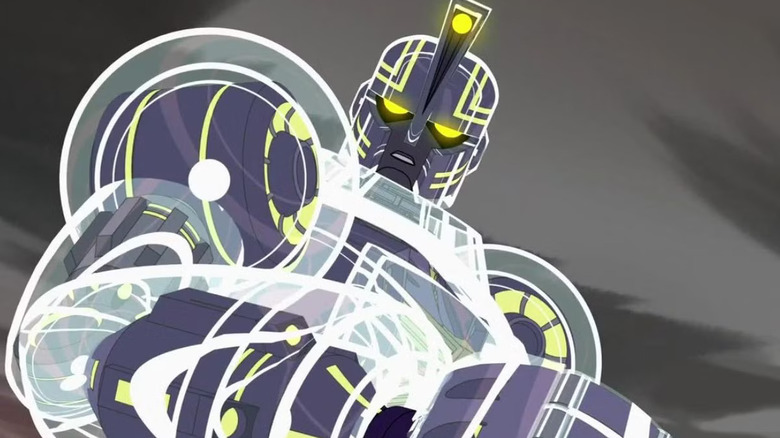
Genndy Tartakovsky, a titan of animation, created a singular vision with Sym-Bionic Titan. The show followed three aliens hiding on Earth who could merge into a colossal bio-robotic weapon. It was an homage to mecha anime, elevated by Tartakovsky’s fluid, bombastic style.
The Reality: Despite strong ratings, the series was canceled after 20 episodes. Industry insiders noted that while the show was a critical success, it failed to drive toy sales. In 2023, Tartakovsky expressed interest in a revival, but the reality of modern corporate ownership—where the show’s younger target audience doesn’t align with current streaming strategies—makes a return unlikely.
2. Beware the Batman: Reimagining the Dark Knight
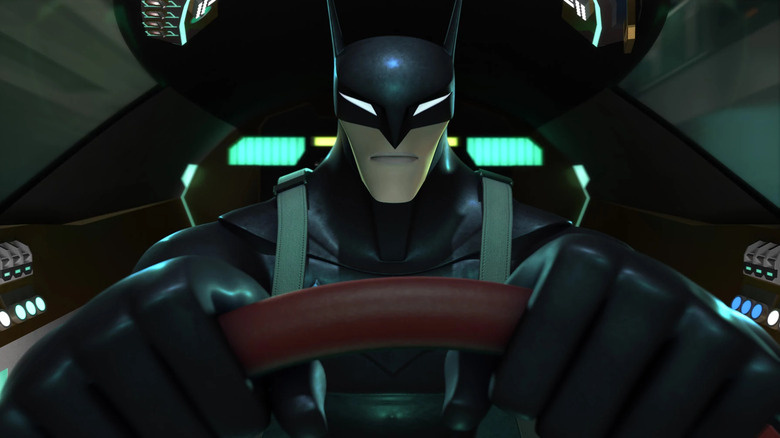
Moving away from the traditional "Robin-sidekick" dynamic, Beware the Batman (2013–2014) leaned into the detective aspects of the character. By pairing Bruce Wayne with Katana and focusing on lesser-known villains like Professor Pyg and Anarky, the show offered a gritty, CGI-animated survival story that felt refreshingly grounded. Its end was ignominious: it was shuffled to late-night slots and eventually pulled as a tax write-off, a financial casualty of its own lack of mass-market appeal.
3. Green Lantern: The Animated Series
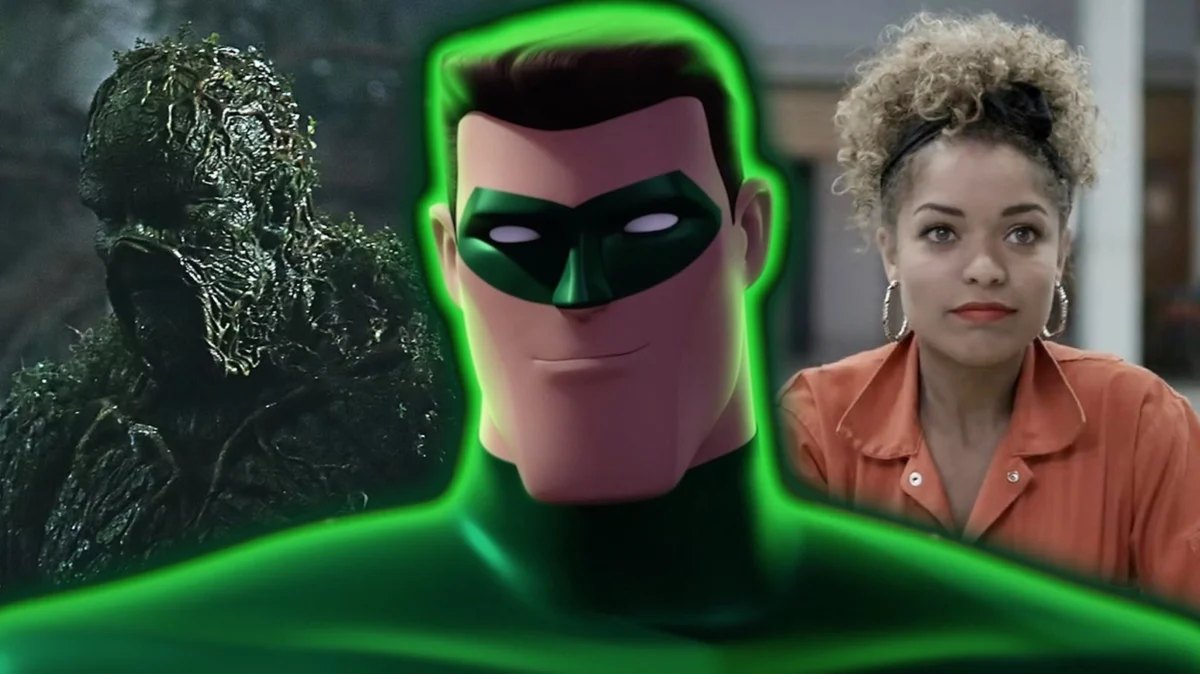
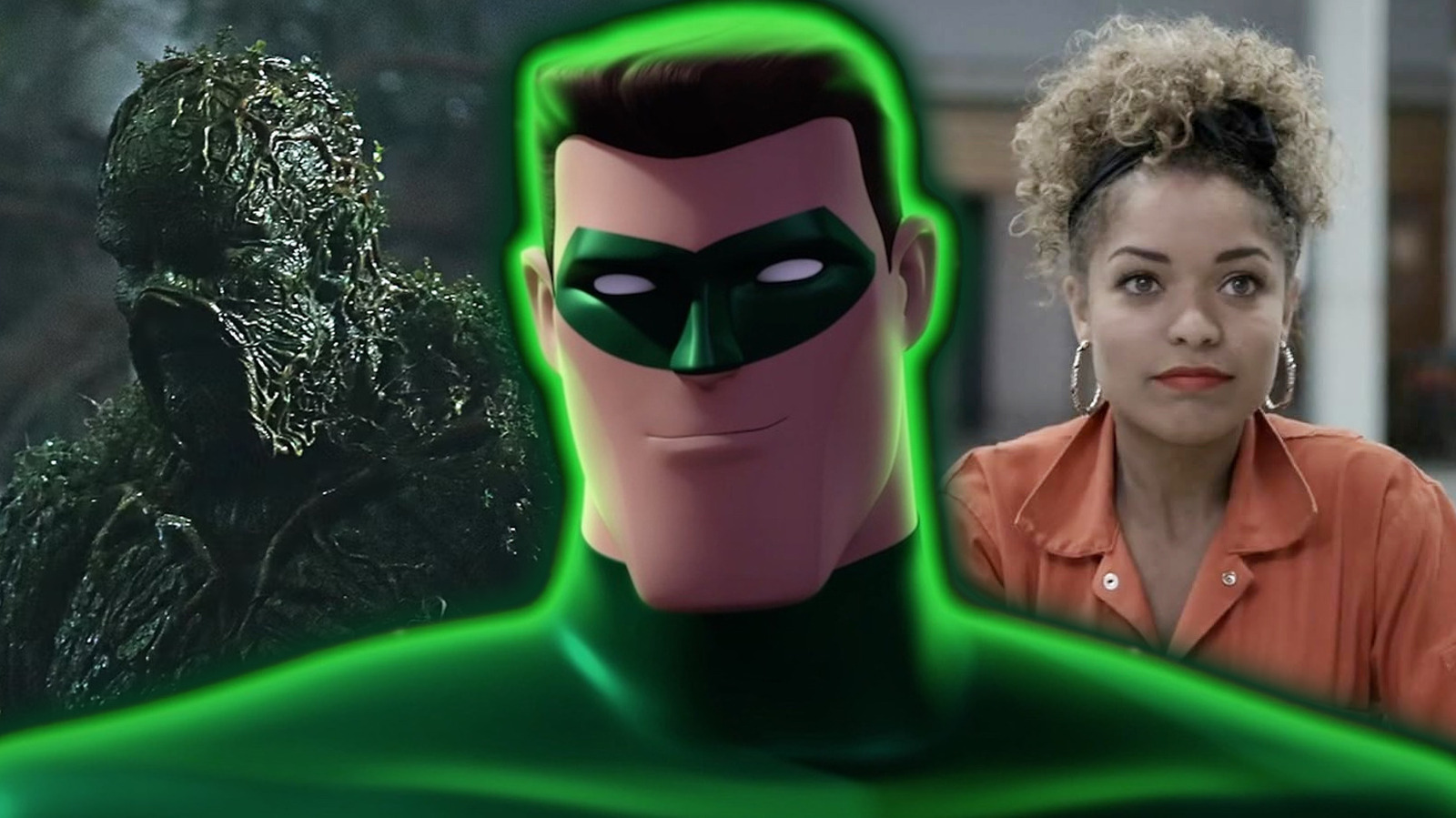
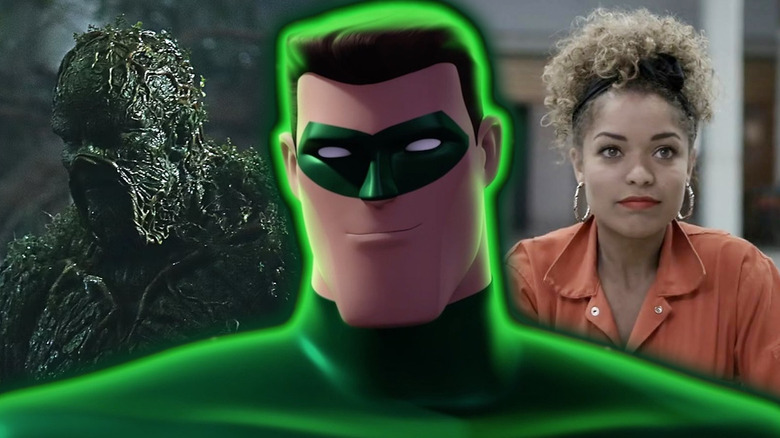
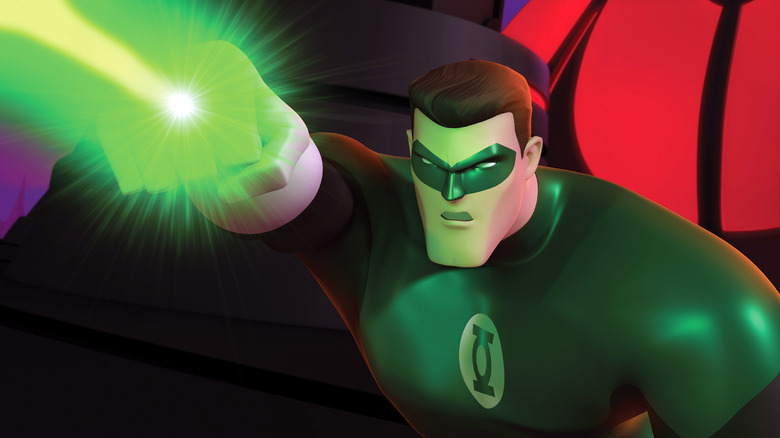
Often cited as the Batman: The Animated Series of the cosmic DC Universe, this show was a victim of its live-action counterpart. Released shortly after the 2011 Green Lantern film failed at the box office, the show was doomed by the assumption that the "brand" was radioactive. It remains a masterclass in space-opera storytelling, particularly regarding the redemption arc of the Red Lantern, Razer.
4. Powerless: The Office, But With Superheroes
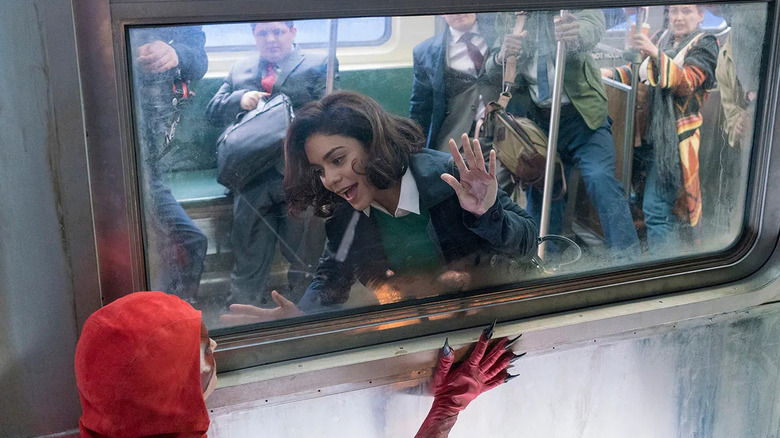
NBC’s Powerless was an audacious experiment: a sitcom set in the DC Universe focusing on the R&D team at a Wayne Enterprises subsidiary. It was a meta-commentary on the cost of living in a world of capes and cowls. While the show struggled to find its tone initially, the ensemble cast—including Vanessa Hudgens and Alan Tudyk—showed immense potential. Its cancellation was swift, though it holds the distinct honor of being the final live-action performance of the legendary Adam West.
5. The Tick: Deconstructionist Satire
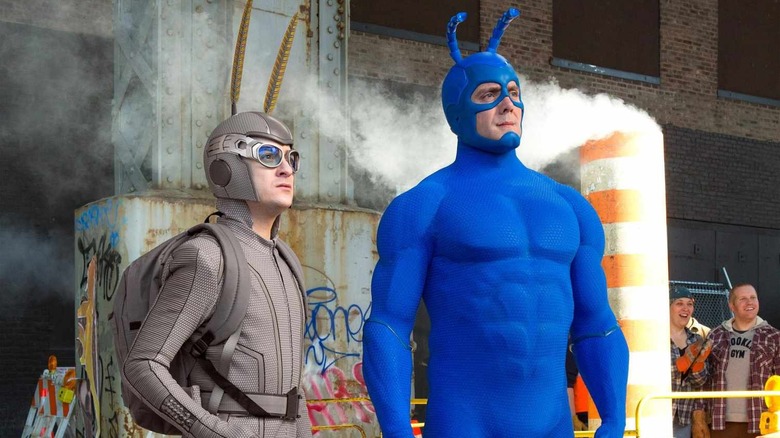
Ben Edlund’s third attempt at bringing The Tick to life was perhaps his best. Released on Amazon Prime, the show arrived at the peak of superhero fatigue, making its satirical, deconstructionist tone perfectly timed. Peter Serafinowicz’s portrayal of the titular hero was a perfect blend of slapstick and sincerity. Despite high critical acclaim and a massive cult following, Amazon canceled it after two seasons to pivot toward The Boys, a decision that prioritized a specific type of dark, edgy branding over the whimsical brilliance of The Tick.
6. Misfits: The British Blueprint
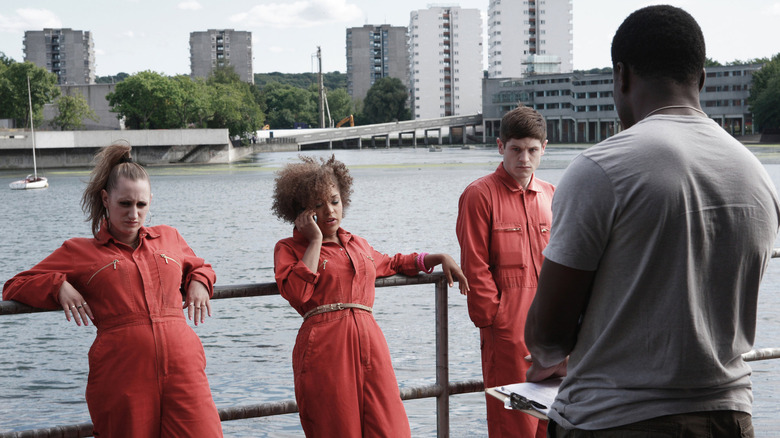
Long before The Boys hit American screens, the UK’s E4 gave us Misfits. It was a raw, unfiltered look at what happens when juvenile delinquents are given god-like powers. With a cast that included future stars like Robert Sheehan and Iwan Rheon, the show was gritty, hilarious, and unapologetically violent. It ended on its own terms, but its failure to break out in the American market remains one of the great "what ifs" of the genre.
7. Krypton: Space Opera Elegance
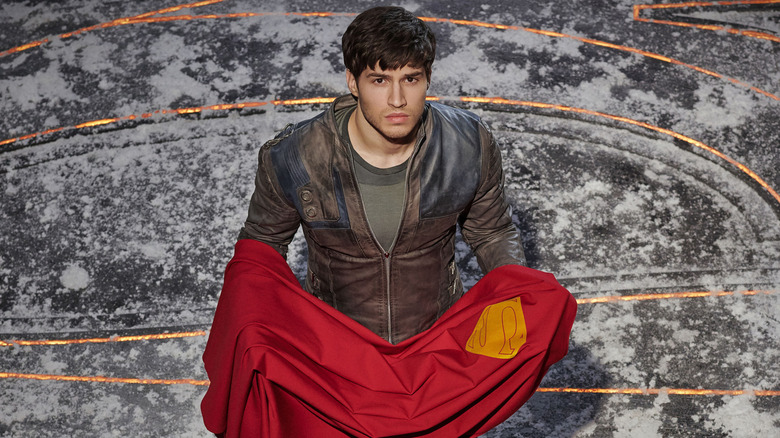
Krypton is frequently dismissed because it focuses on a prequel story about Superman’s grandfather. However, those who watched it discovered a high-stakes political drama reminiscent of Game of Thrones. It proved that the DC mythos could sustain a hard science-fiction narrative without needing the Man of Steel himself. The cost of production eventually outpaced the viewership, leading to a premature end that left many storylines unresolved.
8. Swamp Thing: The Horror Standard
Produced by James Wan, Swamp Thing was poised to redefine horror-superhero media. It was visceral, atmospheric, and deeply rooted in Alan Moore’s classic run. Its cancellation—a mere six days after the pilot aired—remains a baffling example of corporate mismanagement. While James Gunn intends to bring the character to the big screen, the 2019 series set a bar for practical effects and existential horror that will be difficult to clear.
9. Luke Cage: The Soul of Harlem
Cheo Hodari Coker’s Luke Cage was more than just a Marvel show; it was a cultural document. Featuring an incredible soundtrack and some of the best villain performances in the MCU, the series explored the nuances of Black community life through the lens of bulletproof invulnerability. The cancellation, occurring while the show was in the midst of developing a complex third season, remains a point of contention for fans who felt the show was silenced just as it reached its creative peak.
10. Legion: The Psychological Odyssey
Noah Hawley’s Legion was never a "superhero show" in the traditional sense; it was a psychedelic exploration of mental illness. By utilizing the X-Men character David Haller, Hawley created a visual and narrative language that pushed the boundaries of what television could do. While it was allowed to finish its run, its declining viewership highlights a recurring problem: the industry struggles to market "art-house" superhero content to a mass audience trained to expect action-figure fights.
Official Responses and Industry Implications
The pattern of cancellation for these shows is rarely linked to a lack of quality. Instead, the common thread is the "Platform-Content Mismatch."
Representatives from studios like Warner Bros. and Disney have often cited "strategic realignment" as the reason for ending these series. When asked about Swamp Thing or Sym-Bionic Titan, studio spokespeople have historically pointed to the costs of production versus the limitations of their respective streaming platforms at the time.
The implication for the future is clear: if a show cannot be marketed as a "tentpole" franchise with massive merchandising upside or a direct tie-in to a cinematic universe, it is unlikely to survive long-term.
The Legacy of the Marginalized
These ten shows serve as a cautionary tale. They represent a period of experimentation that the current, more consolidated landscape seems to have abandoned. While we may see characters from Luke Cage or Swamp Thing return in new, rebooted forms, the unique, singular voices of the original series will likely remain lost.
For the dedicated viewer, these shows are a reminder that the superhero genre has the capacity for profound depth, psychological complexity, and stylistic innovation. They didn’t fail the audience; the industry’s narrow definition of "success" failed them. As we look toward the future of the genre, the question remains: will we ever allow for such experimental, high-concept storytelling to thrive again, or are we destined to remain trapped in a cycle of familiar, safe, and increasingly stagnant content?











No comments yet. Be the first to join the conversation!