

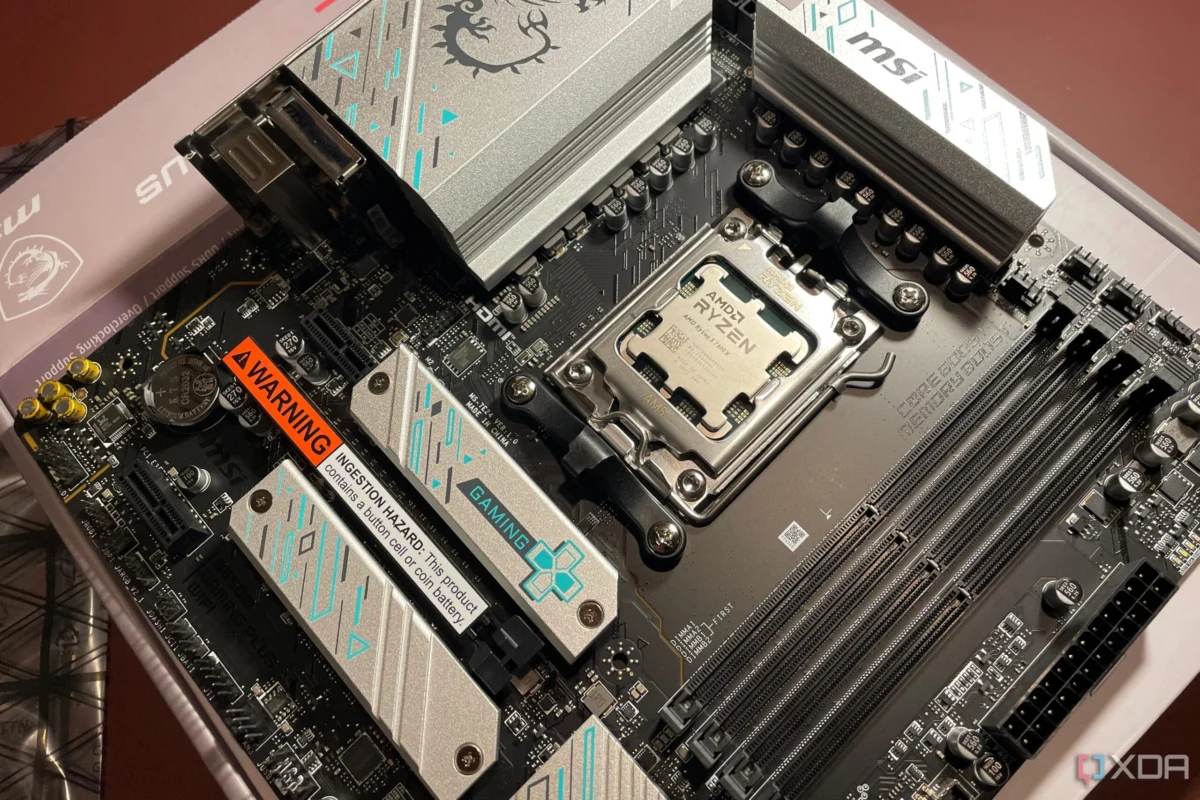
In the high-stakes world of PC building, the motherboard is often treated as the foundational "soul" of the machine. Manufacturers spend millions of dollars in marketing, convincing consumers that a higher price tag equates to better performance, longer longevity, and superior gaming prowess. However, after years of benchmarking, troubleshooting, and building systems for various workloads, it has become increasingly clear that the industry has successfully commoditized "premium" features that offer little to no tangible benefit for the average user.
For many enthusiasts, the temptation to overspend on a flagship motherboard is fueled by the fear of being "outdated." Yet, the reality is that the vast majority of users are paying for speculative utility—features designed to sound impressive on a spec sheet but which remain dormant or redundant in day-to-day operation.
The Evolution of the Motherboard Market: A Chronology of "Feature Creep"
To understand why we find ourselves in an era of $500 motherboards, we must look at how the market shifted over the last decade.
- 2015–2018: The RGB and Armor Era. The early shift toward "gaming-grade" boards saw the introduction of reinforced PCIe slots and excessive RGB lighting. While aesthetically pleasing, these features did not contribute to computational speed, yet they signaled the start of a premium pricing tier.
- 2019–2022: The Connectivity Boom. As Wi-Fi 6 and high-speed USB standards became more accessible, manufacturers began bundling every imaginable port onto standard ATX boards. Marketing campaigns shifted focus to "future-proofing," suggesting that having 12 USB ports was essential for a modern workflow.
- 2023–Present: The PCIe Gen 5 Infatuation. The current market is dominated by the "PCIe Gen 5" narrative. Manufacturers are pushing boards that feature multiple Gen 5 slots, requiring complex signal trace routing that drives up manufacturing costs and, by extension, consumer prices.
This trajectory reflects a strategic push by motherboard vendors to maintain high profit margins. By framing technical specifications—many of which have reached a point of diminishing returns—as "must-haves," brands have successfully convinced the consumer base that anything less than a high-end board is a compromise.
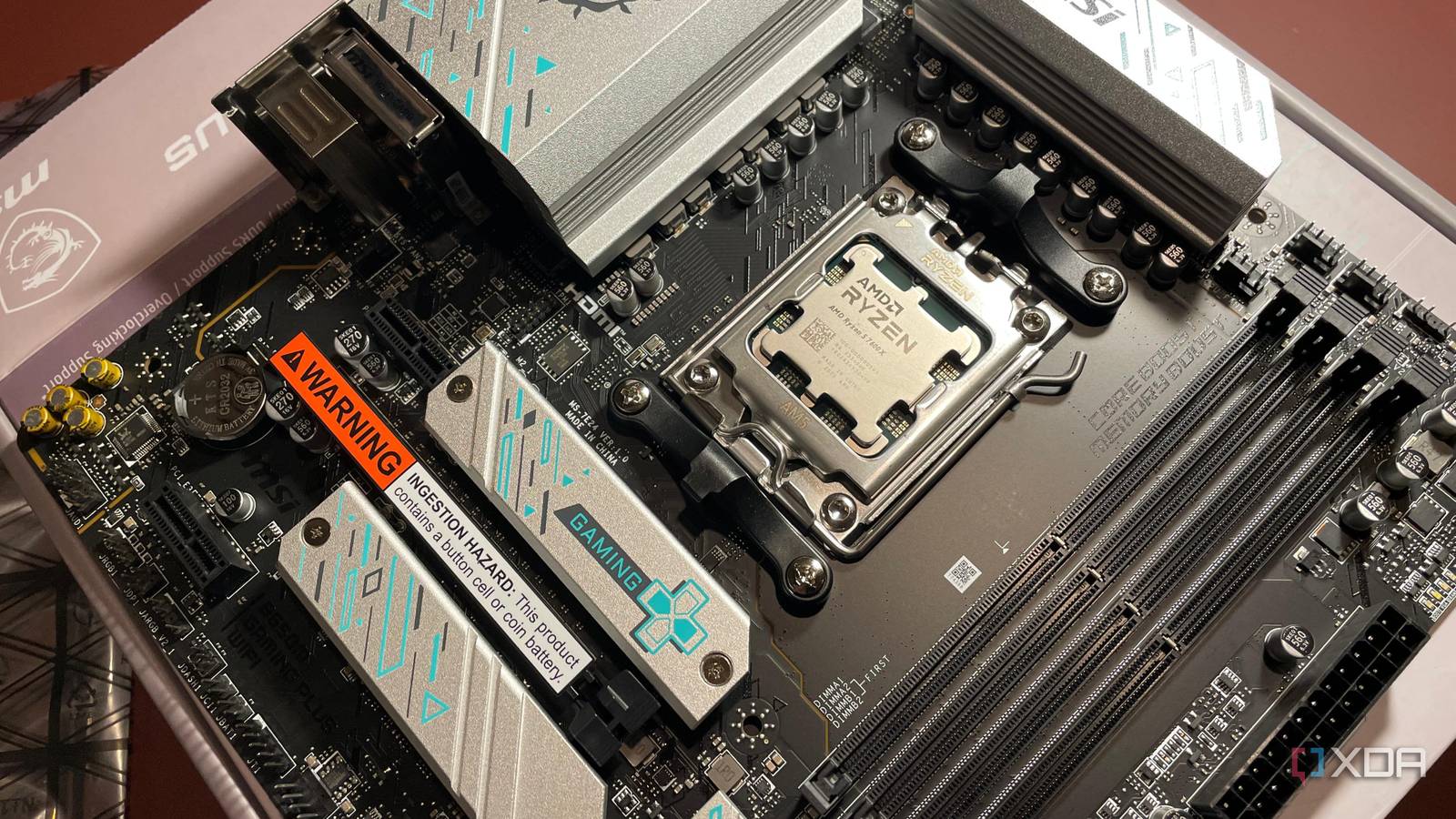
Deconstructing the "Premium" Checklist
When evaluating whether to invest in a budget-friendly board versus a premium variant, it is essential to look at the practical utility of the features being touted.
1. The PCIe Gen 5 Fallacy
The industry’s current obsession with PCIe Gen 5 is perhaps the most egregious example of marketing over substance. While PCIe Gen 5 offers double the bandwidth of Gen 4, the hardware ecosystem has not yet caught up. Most modern graphics cards are not bottlenecked by Gen 4 bandwidth, and the real-world performance gains for gaming or productivity using a Gen 5 NVMe SSD are negligible compared to high-end Gen 4 drives.
Beyond the lack of performance gains, Gen 5 drives often run significantly hotter, requiring active cooling or bulky heatsinks that clutter the motherboard. The extra cost associated with Gen 5-ready motherboards is often better spent on a higher-tier GPU or a larger capacity Gen 4 SSD, both of which provide immediate and measurable performance improvements.
2. The Myth of "Essential" Onboard Wi-Fi
Onboard Wi-Fi is a standard inclusion on most mid-to-high-tier boards today. However, for a stationary desktop PC, a hardwired Ethernet connection remains the gold standard for stability, latency, and throughput.

When you pay a premium for a board specifically because it includes the latest Wi-Fi 7 module, you are effectively paying a "convenience tax." If your networking needs change, a high-quality PCIe Wi-Fi card or a USB adapter can be purchased for a fraction of the cost of a motherboard upgrade. For the majority of users who have access to an Ethernet drop, this feature is essentially dead weight.
3. The Port Overload
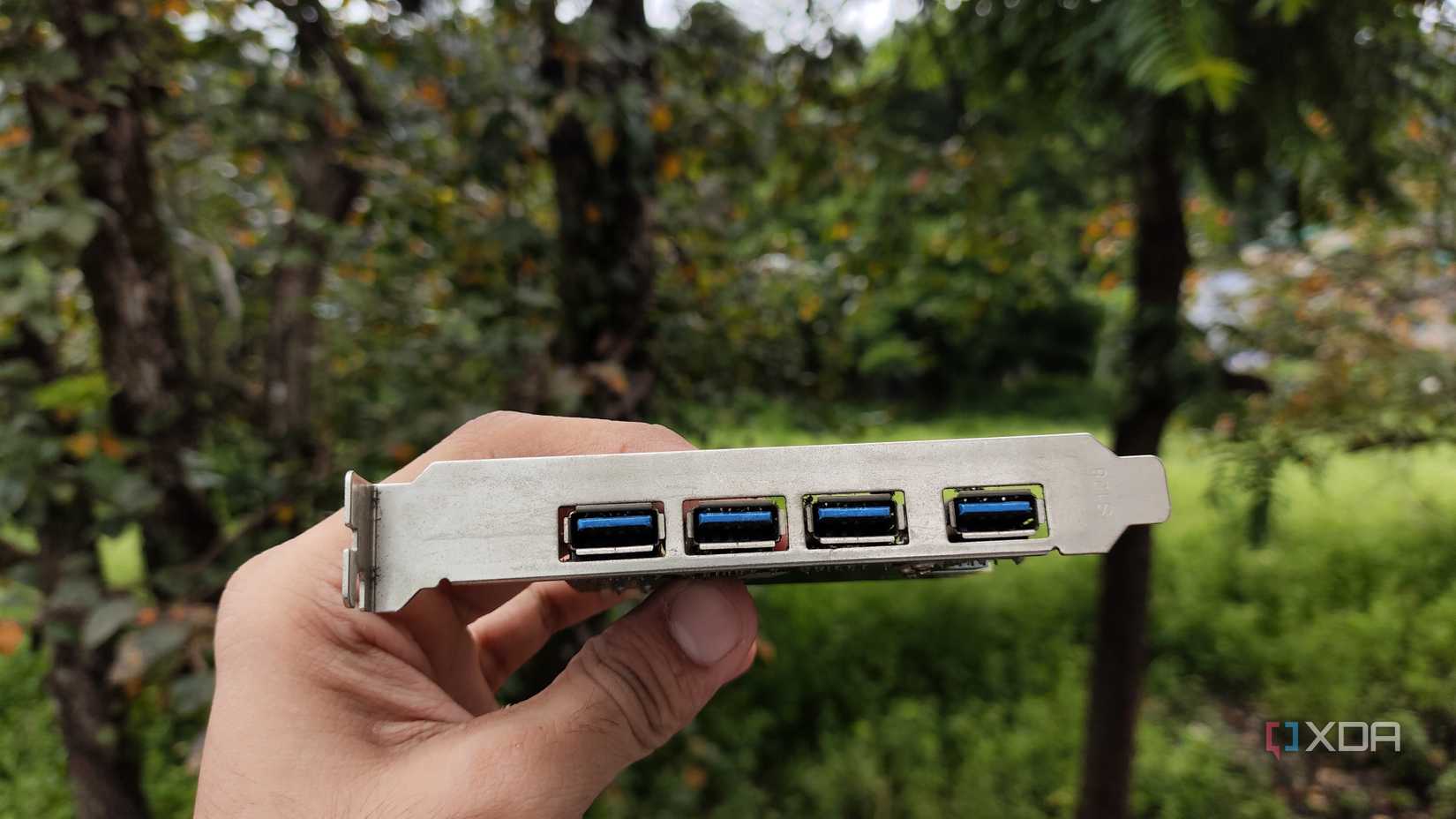
There is a persistent belief that a motherboard with a dozen rear I/O ports is inherently "better." In reality, most users utilize the same three or four ports—keyboard, mouse, headset, and perhaps one external drive. Having eight additional ports that remain empty for the life of the machine is not a value-add; it is a waste of PCB real estate.
Furthermore, modern PC cases are increasingly featuring robust front-panel connectivity, and external powered USB hubs have become exceptionally efficient and affordable. The "more is better" philosophy regarding ports is a relic of an era when expansion was difficult, not a necessity for the modern user.
4. The Audio Quality Illusion
Motherboard manufacturers often highlight "audiophile-grade" capacitors and isolated audio paths as a reason to upgrade to a higher tier. While these improvements are technically real, they are often overshadowed by the quality of the external gear. An entry-level board paired with a dedicated external DAC (Digital-to-Analog Converter) and high-quality headphones will consistently outperform the most expensive onboard audio solution on the market. By spending less on the motherboard and allocating that budget to dedicated audio equipment, the user gains both better sound and greater flexibility.
Supporting Data: Where the Money Actually Goes
When analyzing the BOM (Bill of Materials) for a motherboard, the costs are heavily skewed toward components that offer the least value to the average user.
- VRM Over-Engineering: Flagship boards often feature 20+ power stages for the CPU. Unless you are engaging in extreme sub-ambient overclocking with liquid nitrogen, this is entirely unnecessary. A 10-12 stage VRM is more than sufficient for even the most power-hungry modern CPUs under sustained heavy load.
- Aesthetics and Materials: A significant portion of a premium motherboard’s price is attributed to metal shrouds, backplates, and customizable RGB zones. While these make a system look "professional" in photos, they contribute zero percent to the machine’s processing power or stability.
- Marketing Premiums: Industry reports suggest that a portion of the "premium" price tag is simply a brand premium. You are paying for the marketing campaigns that convinced you that you needed those extra features in the first place.
Industry Perspective: What the Engineers Say
Behind the scenes, motherboard engineers acknowledge that the "prosumer" market is driven by optics. When speaking to hardware designers, the consensus is often that the "sweet spot" for a motherboard exists in the $180–$250 range.
Boards in this price segment generally provide:
- Robust power delivery for any consumer CPU.
- Adequate PCIe Gen 4 support.
- Sufficient USB connectivity.
- Standardized, high-quality onboard audio.
Beyond this price point, the law of diminishing returns sets in aggressively. Manufacturers justify the higher price of $400+ boards by including "niche" features—such as overclocking buttons, voltage readout points, or 10Gb Ethernet ports—that are strictly relevant to competitive benchers or enterprise-grade server workstations, not the average gamer or content creator.
Implications for the Future of PC Building
The implications of this market trend are clear: consumers are being conditioned to believe that their PC build is "incomplete" without high-end components that they do not actually use. This mindset leads to wasted budgets that could have been better invested elsewhere.
If you are currently planning a build, consider the following strategy:
- Define your actual usage: Do you edit 8K video? Do you need a 10Gb network for a local server? If the answer is no, stop paying for features that support these workflows.
- Prioritize the GPU and CPU: These are the components that actually dictate your frames per second and render times. A $500 motherboard will not make a budget GPU perform like a flagship model.
- Think modular: Buy a base motherboard that meets your current needs and supplement it with dedicated components (like a sound card, Wi-Fi card, or USB hub) only if and when the need arises.
Ultimately, a motherboard should be viewed as a reliable platform, not a status symbol. By shifting the focus from "what the box says" to "what I actually use," builders can save hundreds of dollars, avoid the pitfalls of unnecessary technical complexity, and put their hard-earned money into components that provide a genuine, day-to-day increase in performance. It is time to stop buying into the motherboard marketing myth and start building smarter, not just more expensive.












No comments yet. Be the first to join the conversation!