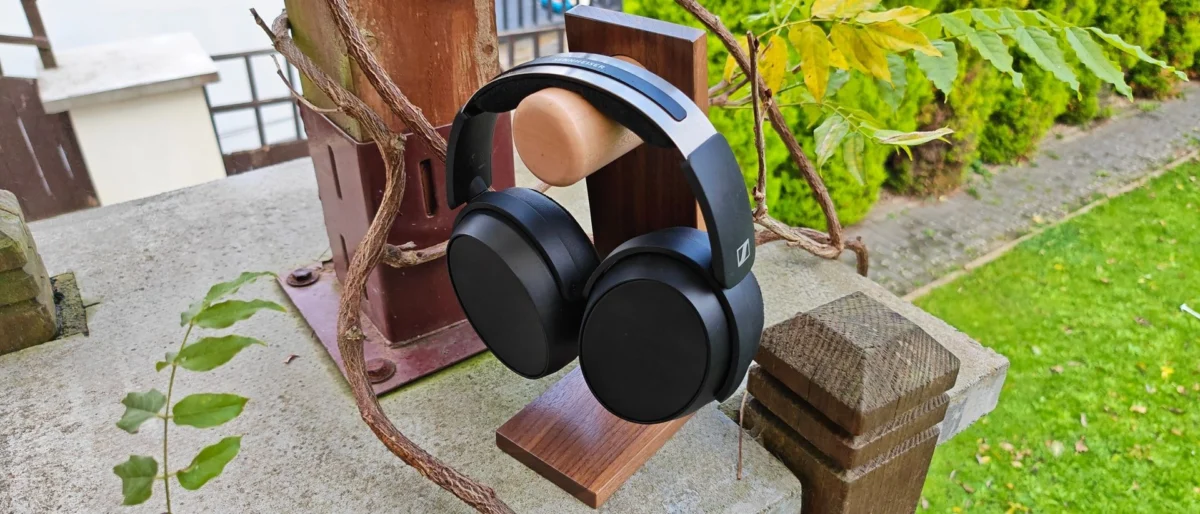
In the crowded landscape of professional studio audio, the quest for the "perfect" closed-back headphone has often felt like an exercise in compromise. Manufacturers frequently choose between the clinical, fatiguing precision required for mastering and the "exciting," V-shaped sound profiles designed to mask the acoustic limitations of sealed ear cups. However, with the release of the Sennheiser HD 480 Pro in April 2026, the industry has been handed a new benchmark that refuses to choose between comfort, neutrality, and performance.
Priced at $399 (£339) for the standard configuration, the HD 480 Pro is a masterclass in acoustic engineering. By delivering a balanced, neutral sound signature with a subtle hint of warmth, Sennheiser has crafted a tool that satisfies the exacting demands of studio professionals while remaining an incredibly rewarding experience for the casual audiophile.
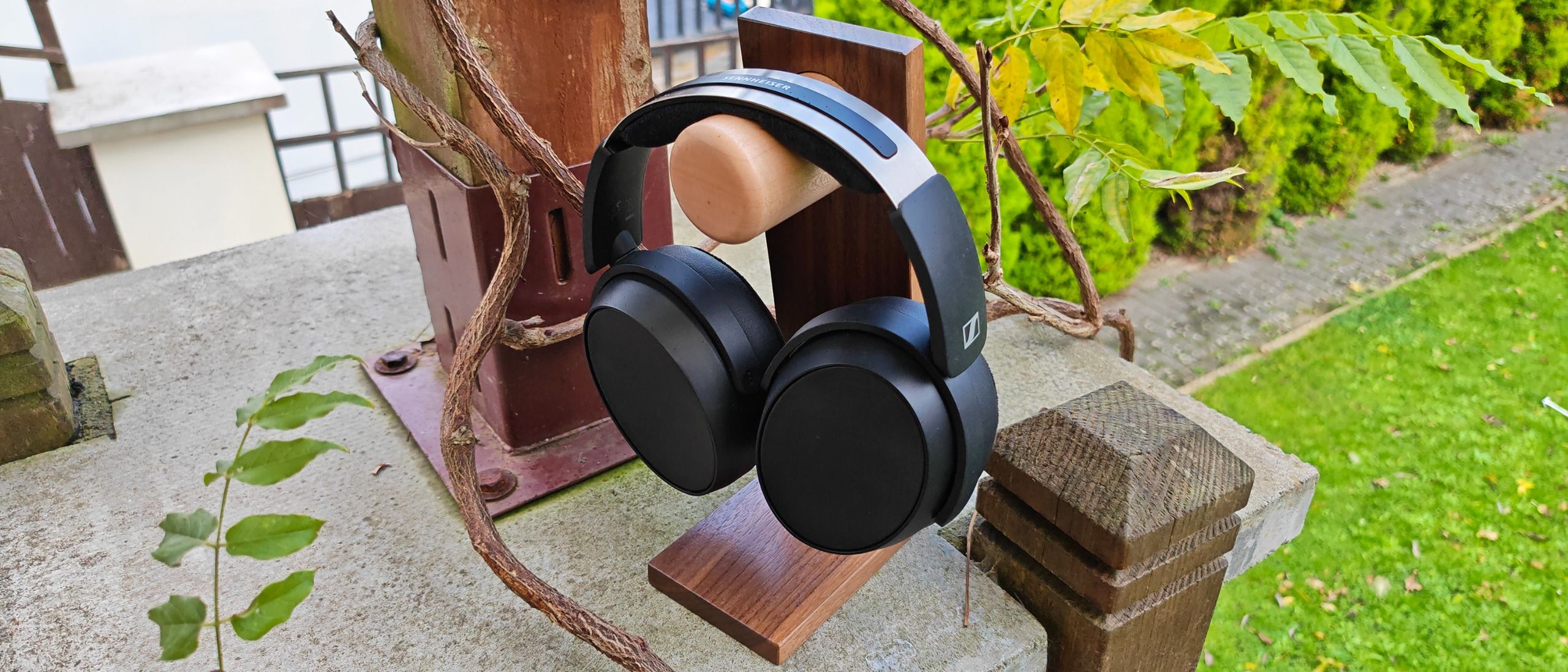
The Genesis of a Benchmark: Main Facts and Design Philosophy
The HD 480 Pro arrives at a pivotal moment in personal audio. As home studio setups become more sophisticated and the demand for high-fidelity private listening grows, the market is saturated with options that prioritize "showmanship" over "accuracy." Sennheiser’s approach with the 480 Pro is, by contrast, refreshingly disciplined.
Core Technical Specifications
- Driver: 38mm high-performance dynamic driver.
- Design: Closed-back, circumaural (over-ear) architecture.
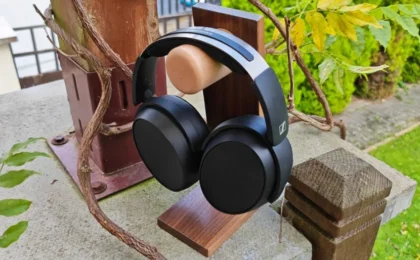
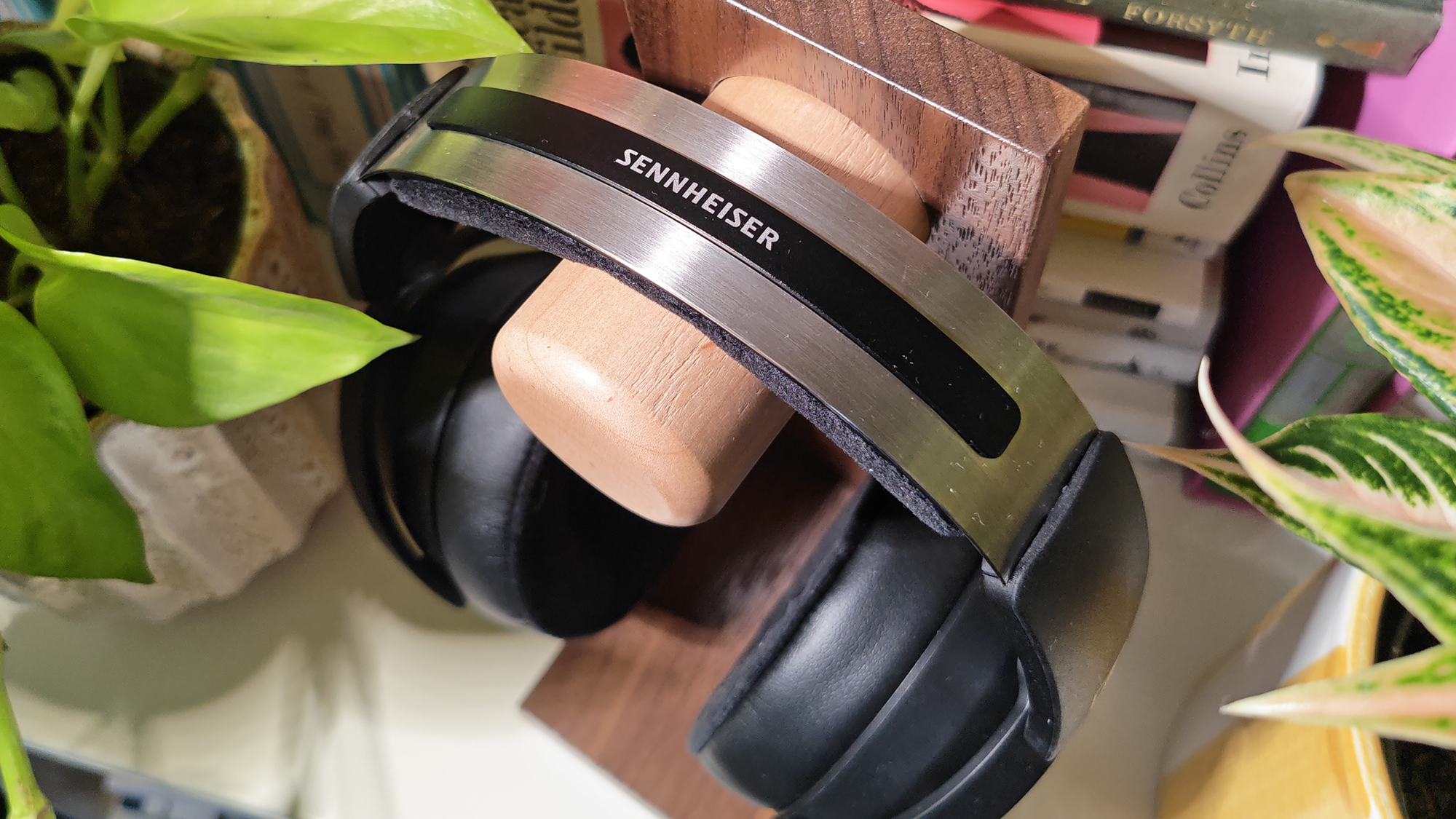
- Build: Matte composite chassis with a reinforced stainless steel headband slider.
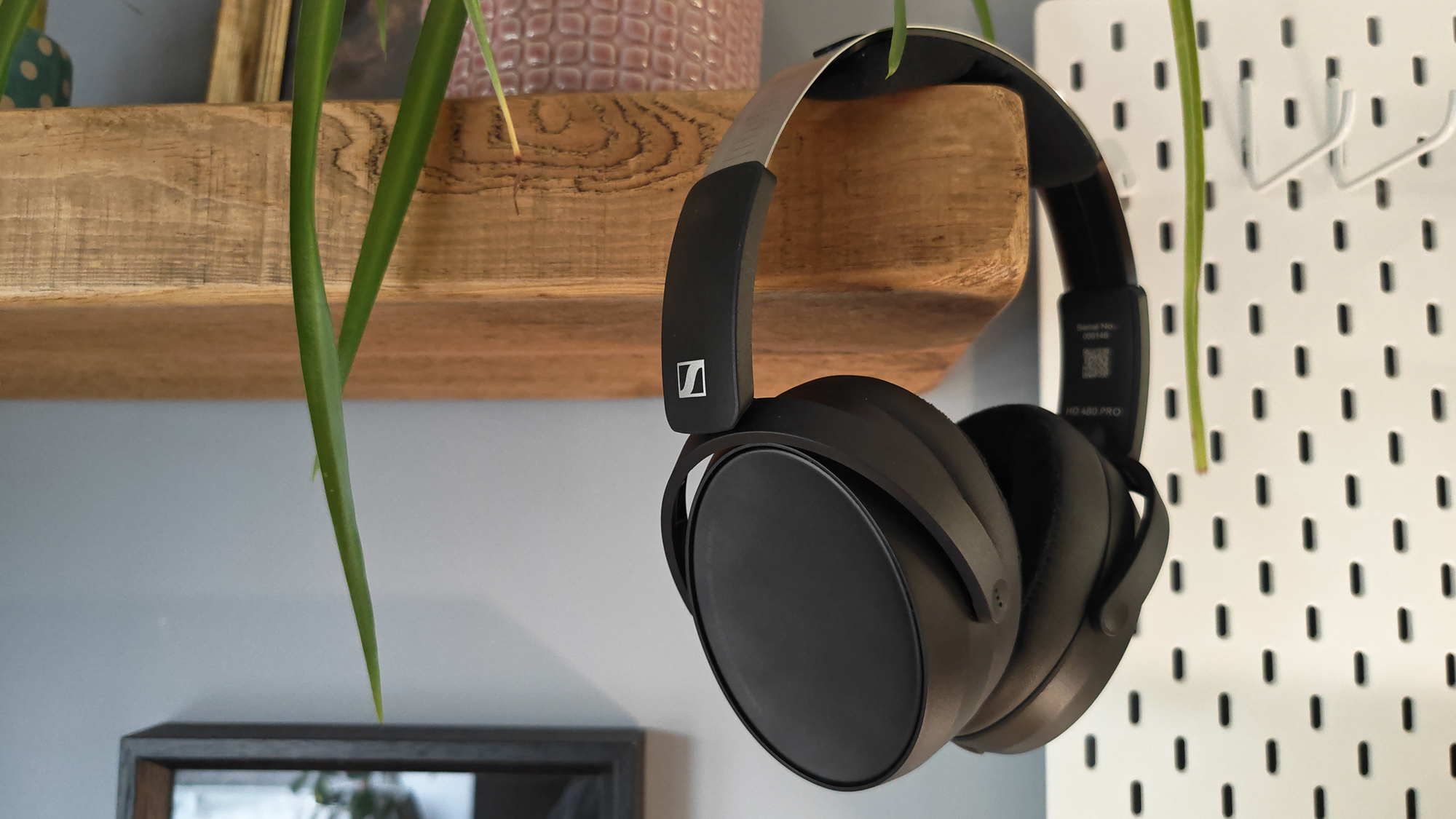
- Comfort: Washable velour/fabric acoustic pads; total weight of 272g.
- Connectivity: Detachable single-sided cable via 4-pin mini-XLR; 3.5mm jack with 6.3mm screw-on adapter.
- Impedance: 130 Ω (at 1 kHz).
- Sensitivity: 107 dB SPL (1 Vrms).
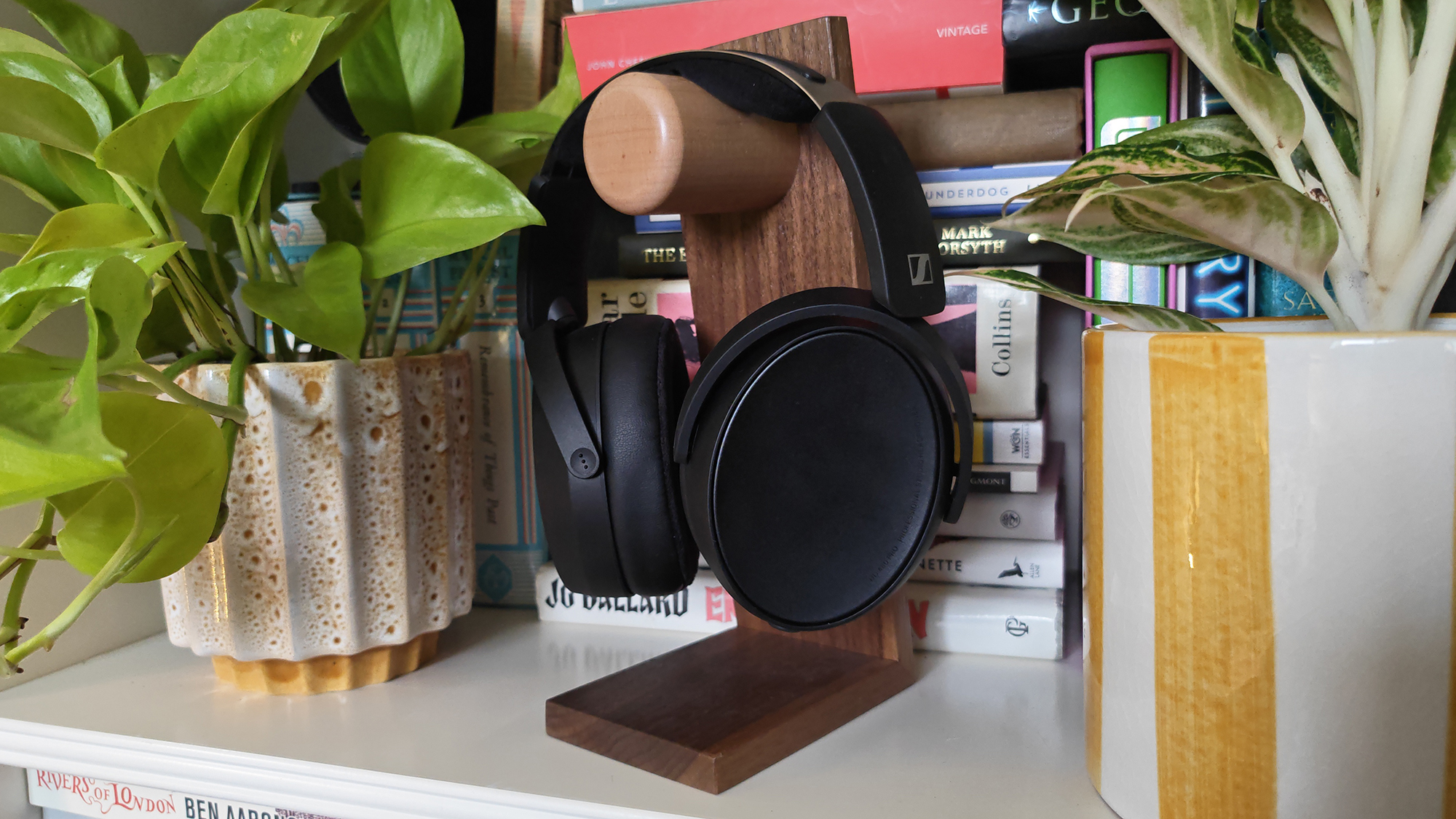
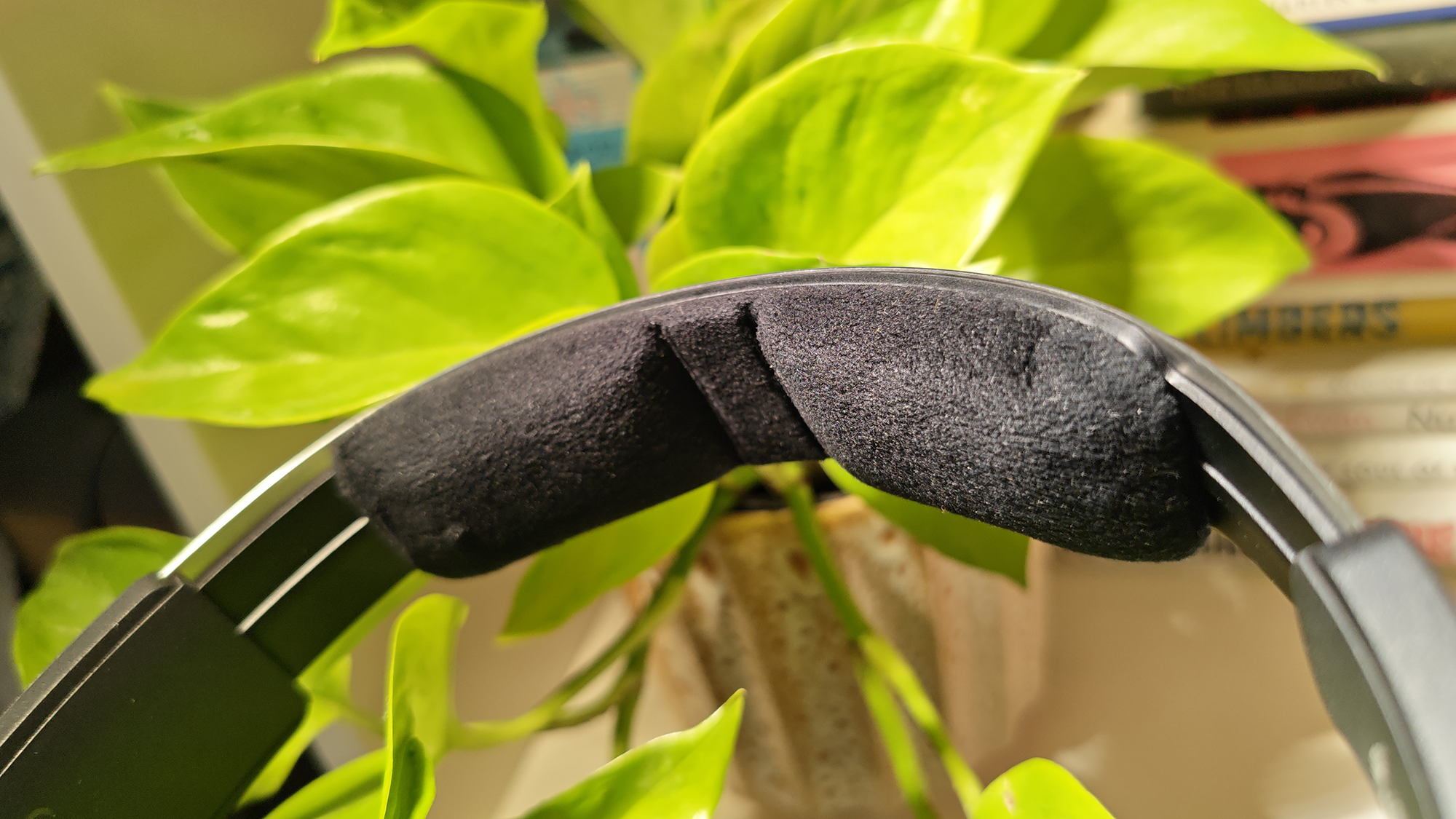
The design philosophy here is one of longevity. Unlike many modern headphones that rely on glued components, the HD 480 Pro is built for maintenance. Every major contact point—from the headband padding to the plush ear cushions—is removable and washable. For the professional who spends eight hours a day in the studio, this is not just a luxury; it is a prerequisite for a long-term investment.
A Chronology of Evaluation: From First Listen to Deep Analysis
The journey of testing the HD 480 Pro began by comparing it to its predecessor, the revered HD 550. While the 550 was celebrated for its bright, forward-leaning treble that highlighted fine details, it lacked the cohesive, full-bodied presentation that modern production demands.
Phase 1: The Initial Impression
Upon first listen, the 480 Pro does not "jump" at you with artificial high-frequency energy. It is understated. It is only after extended playback—listening to familiar reference tracks that have been part of my library for decades—that the genius of the tuning becomes apparent. The transition from the sub-bass foundation to the delicate, nuanced midrange is seamless.
Phase 2: Critical Stress Testing
To truly understand the driver’s capability, I subjected the unit to a rigorous selection of tracks, ranging from the complex funk-driven basslines of Parliament’s Give Up The Funk to the sibilance-prone vocal performances of Lucinda Williams. Whereas lesser headphones would either lose detail in the bass "mush" or become gratingly sharp in the treble, the HD 480 Pro maintained total composure. It is a rare device that renders the "stabbing" peaks of a track like Michael Jackson’s Billie Jean without losing the crispness that makes the song iconic.
Supporting Data: Sound Profile and Technical Performance
The performance of the HD 480 Pro is defined by its refusal to fall into the traps of traditional closed-back design.
The Bass Response: Controlled Power
Closed-back headphones are notoriously susceptible to "boomy" bass caused by internal reflections. The HD 480 Pro manages to deliver substantial, satisfying slam in the sub-bass region without bleeding into the mid-bass. During testing, even at high volumes, the clarity of lower-register instruments remained pristine. It is, quite simply, the best-balanced low-end response in a closed-back set I have ever encountered.
The Midrange: Timbral Accuracy
The midrange is where most headphones fail, often sounding either "hollow" or "shouty." The HD 480 Pro avoids these pitfalls by creating a subtle, intentional dip in the 4kHz region—a frequency that often causes ear fatigue—while boosting the 2.5kHz–3.5kHz range to provide clarity to vocals. The result is a sound that is timbrally correct. Instruments sound like they are being played in the room, not processed through a digital filter.
The Treble: Refined Detail
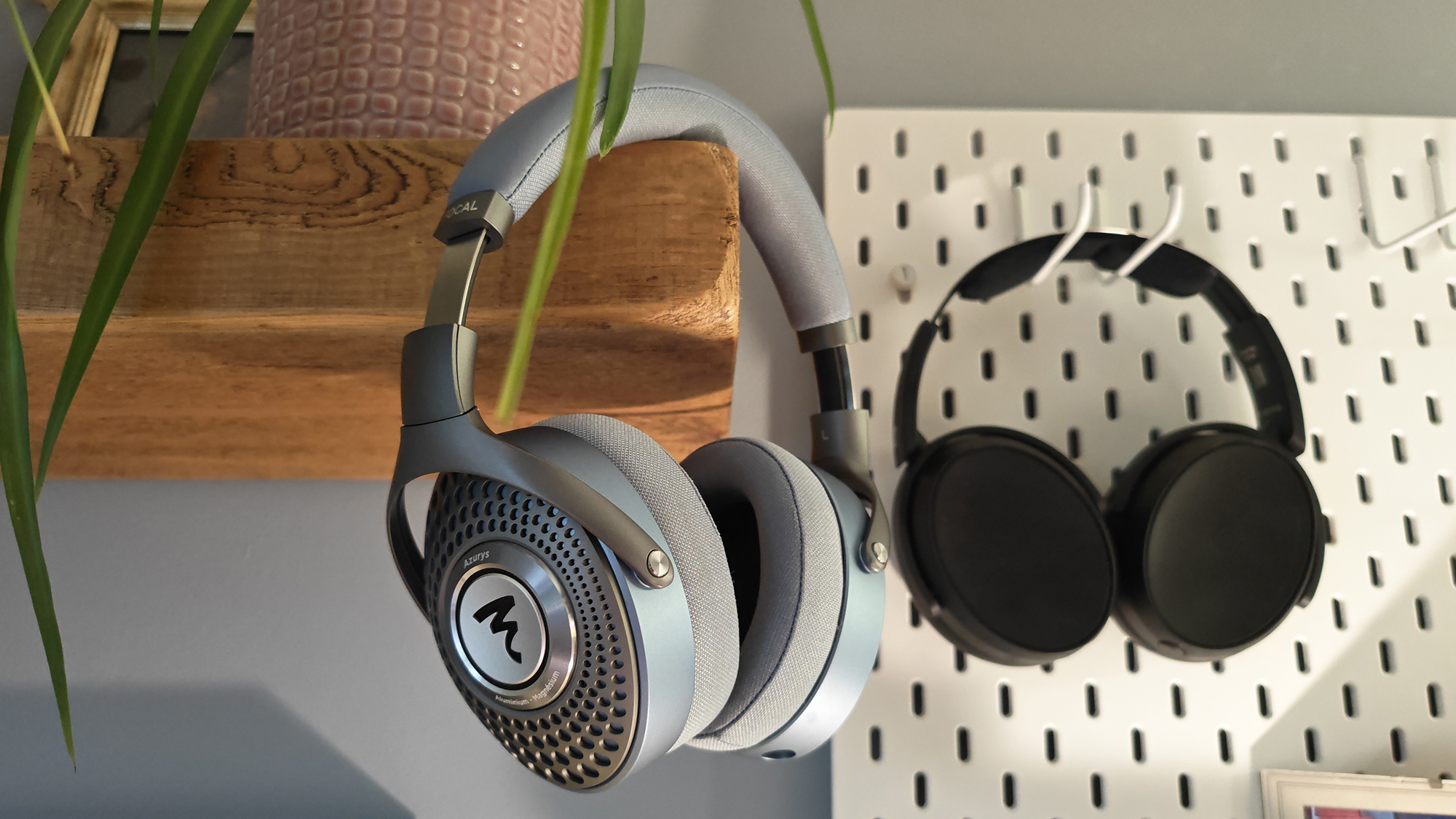
Comparing the 480 Pro to competitors like the FiiO FT1 or the Focal Azurys reveals the Sennheiser’s superiority in the high end. While the FT1 treats detail like a "sledgehammer"—shouting information at the listener—the 480 Pro treats it like a "scalpel." It presents high-frequency information with body and texture, making the music feel fuller rather than just sharper.
Official Perspective and Market Context
While Sennheiser has positioned this product squarely for the "studio pro," its accessibility makes it a formidable contender for the general enthusiast. The 130 Ω impedance might seem daunting on paper, but the high sensitivity rating (107 dB) ensures that the headphones are remarkably easy to drive.
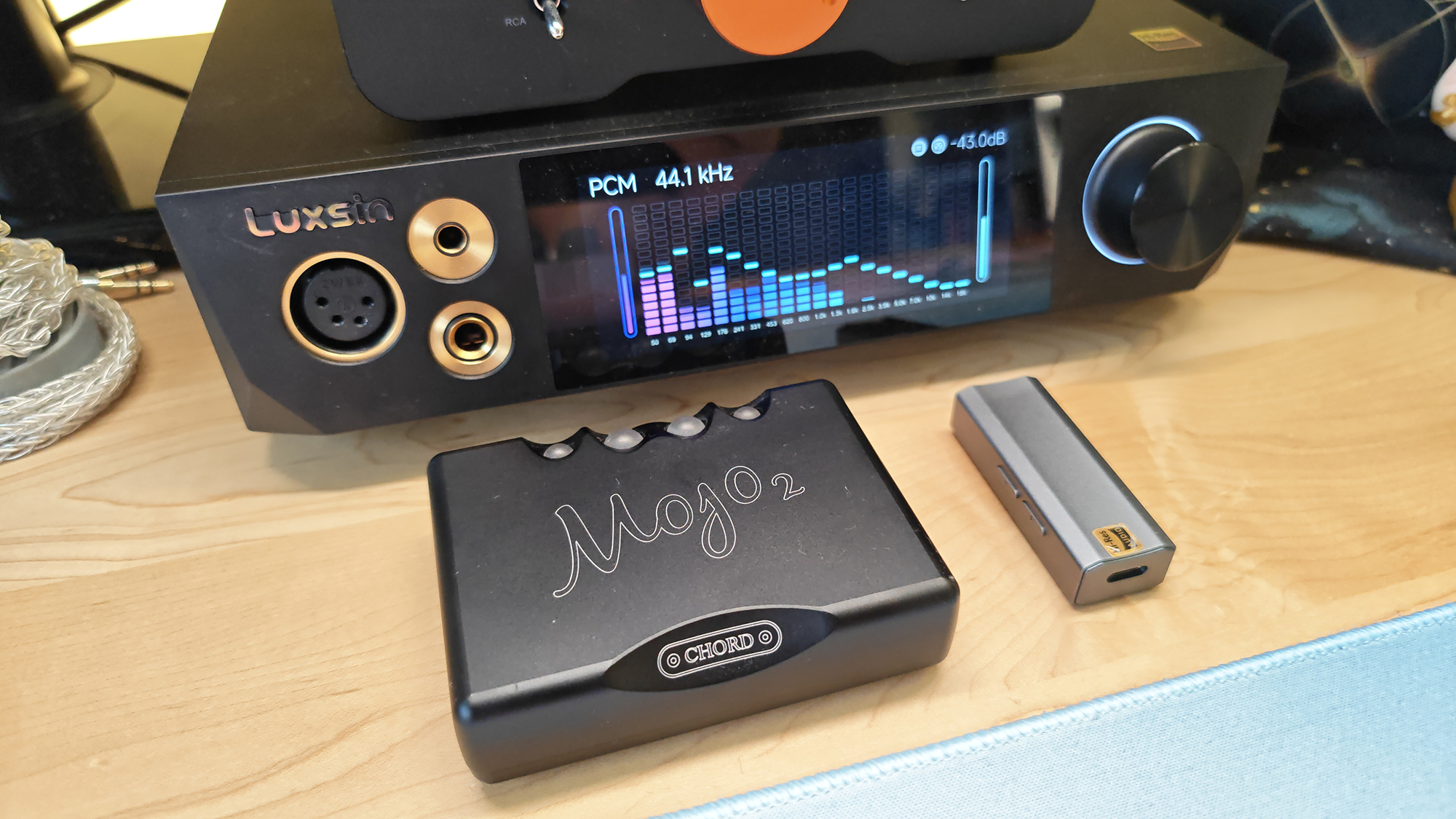
During my testing, I paired the headphones with both the Luxsin X8 and the Chord Mojo 2. While these high-end DAC/Amps provided excellent headroom, the HD 480 Pro performed surprisingly well with nothing more than a standard $9 Apple USB-C to 3.5mm dongle. This effectively removes the "barrier to entry" for many potential buyers who do not wish to invest in expensive external amplification.
Implications: Why the HD 480 Pro Changes the Game
The arrival of the HD 480 Pro has significant implications for both professional and consumer audio markets.
1. The Death of the "V-Shape" Necessity
For years, manufacturers assumed that if a headphone didn’t have boosted bass and boosted treble, it would be perceived as "boring." The success of the 480 Pro proves that consumers—and professionals—are ready for a more honest, balanced sound. It suggests a maturing market that values accuracy over the "fireworks" of V-shaped tuning.
2. A New Standard for Comfort
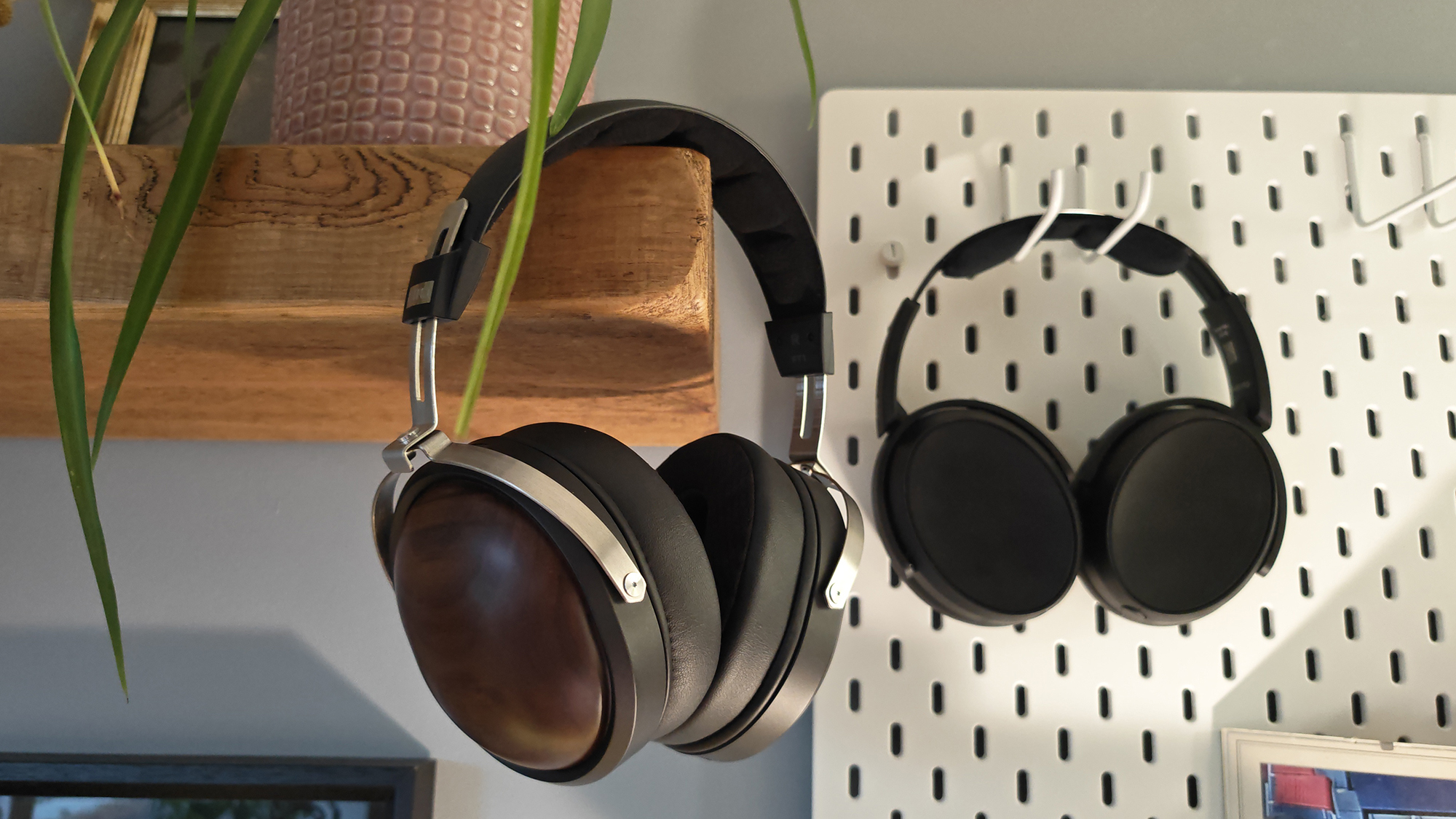
The combination of stainless steel construction and extreme lightness (272g) sets a high bar for comfort. By creating a headband that distributes weight so effectively that it requires no "aftermarket" comfort hacks (such as the Capra straps often required for competitors like the HEDD D1), Sennheiser has identified a pain point that many manufacturers ignore.
3. Sustainability and Durability
In an era of disposable electronics, the modular nature of the 480 Pro is a statement. By making the pads, cables, and even the headband padding replaceable and washable, Sennheiser is signaling that this is a "buy it for life" product. This shift is likely to resonate with the modern, environmentally conscious professional.
Conclusion: Is the Sennheiser HD 480 Pro for You?
If you are an audiophile looking for a "detail monster" that emphasizes artificial sizzle and excitement, the HD 480 Pro may not be your first choice. For those users, a Planar Magnetic option like the HiFiMan HE1000 Stealth might provide the specific kind of airy, high-frequency excitement they crave.
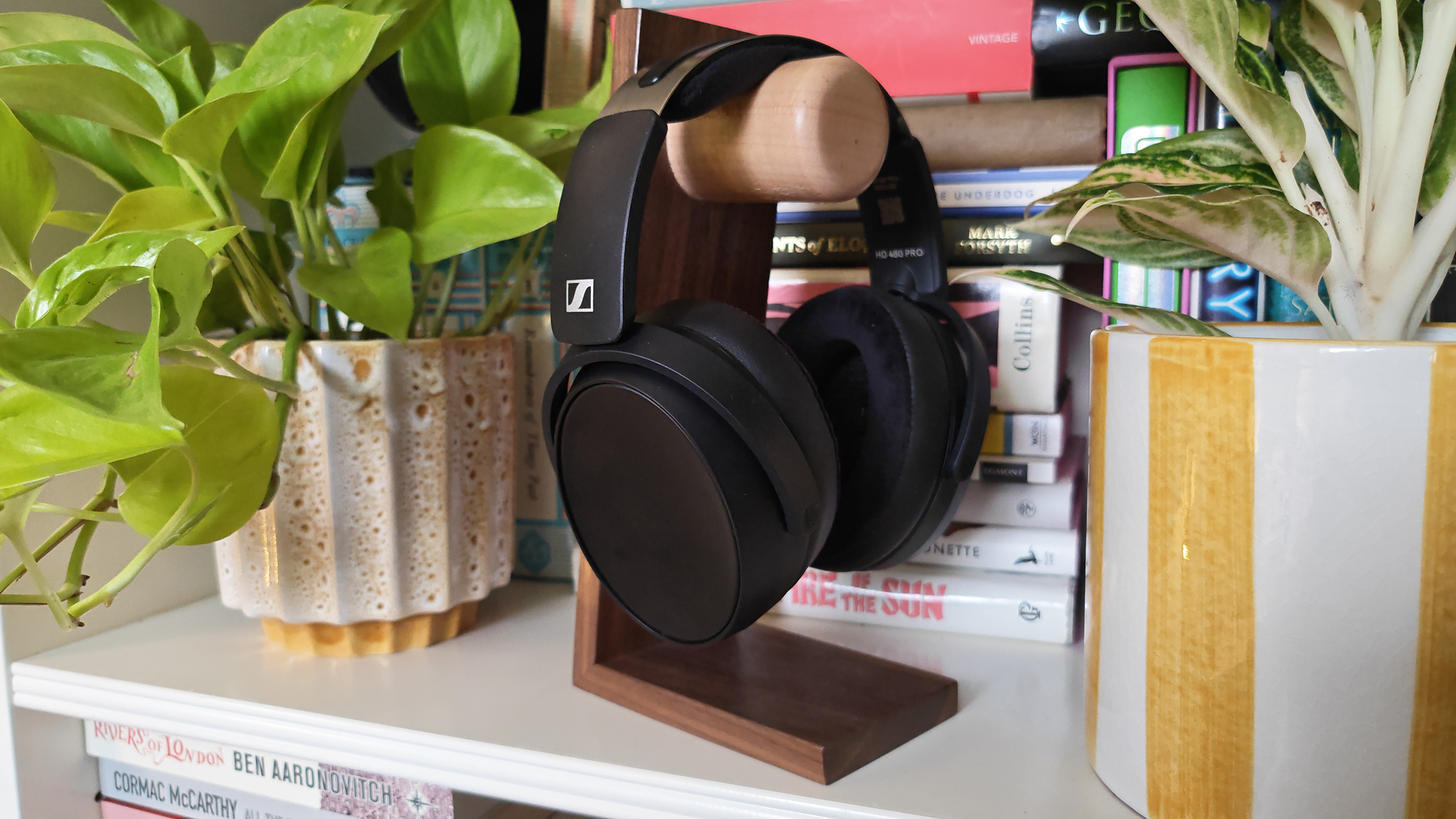
However, for the vast majority of music lovers, editors, producers, and casual listeners, the Sennheiser HD 480 Pro is the best closed-back headphone currently on the market. It manages to do everything well without sacrificing anything. It is comfortable enough for an entire workday, neutral enough for professional mixing, and musical enough to make your favorite albums sound exactly as the artist intended.
At $399, it is an investment in sound that will likely pay dividends for the next two decades. Sennheiser has not just created a new product; they have created a new standard for what a professional-grade, closed-back headphone should be. If you are looking for the "correct" way to hear your music, your search ends here.