Jia Lissa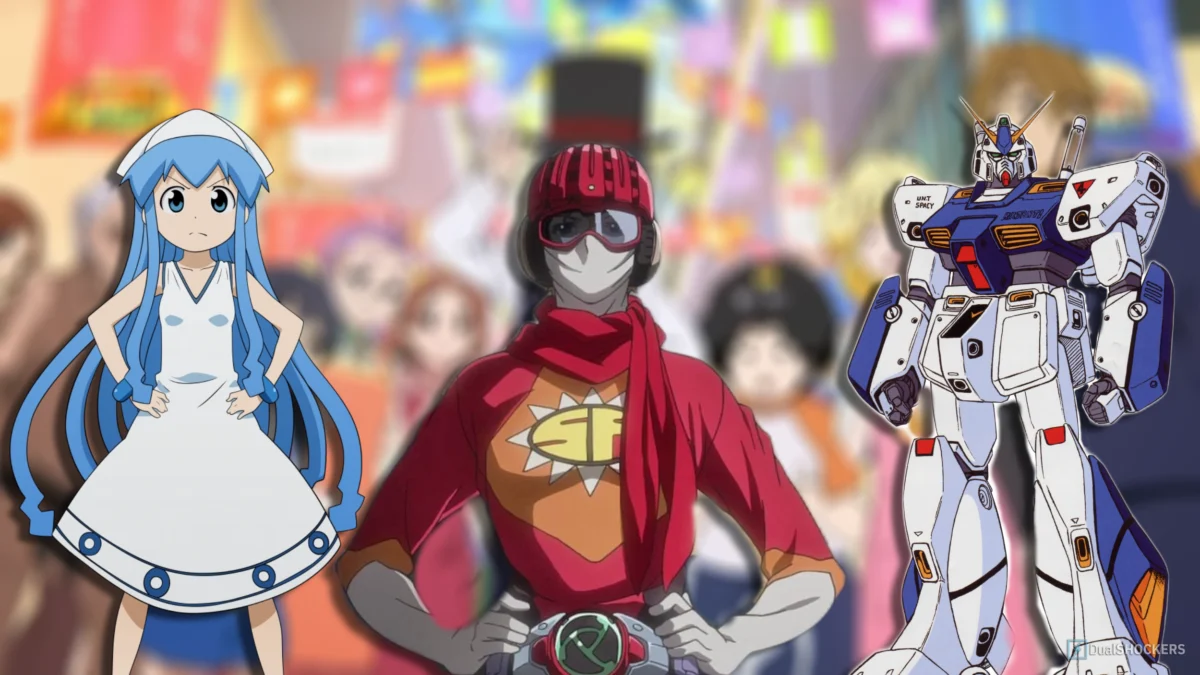
The landscape of anime is a fast-moving, high-velocity machine. Every season, dozens of new titles debut, flooding streaming platforms with high-budget animation and trending narratives that dominate social media discourse for a fleeting window of time. In this climate of constant consumption, the "shelf life" of a series is often measured in months rather than years. Consequently, many masterpieces—shows that once defined their respective eras or pushed the boundaries of their medium—have slowly receded into the background, becoming hidden gems for a newer generation of viewers.
While some classics maintain their cultural currency through constant merchandising or legacy sequels, others have drifted into the annals of history. They are not forgotten because they were bad; they are forgotten because the industry’s attention span is finite. If you are looking to step away from the current seasonal treadmill and explore the depths of anime history, these ten series represent some of the most compelling, creative, and emotionally resonant stories that have been unfairly sidelined by time.
The Cost of Conflict: Mobile Suit Gundam 0080: War in the Pocket
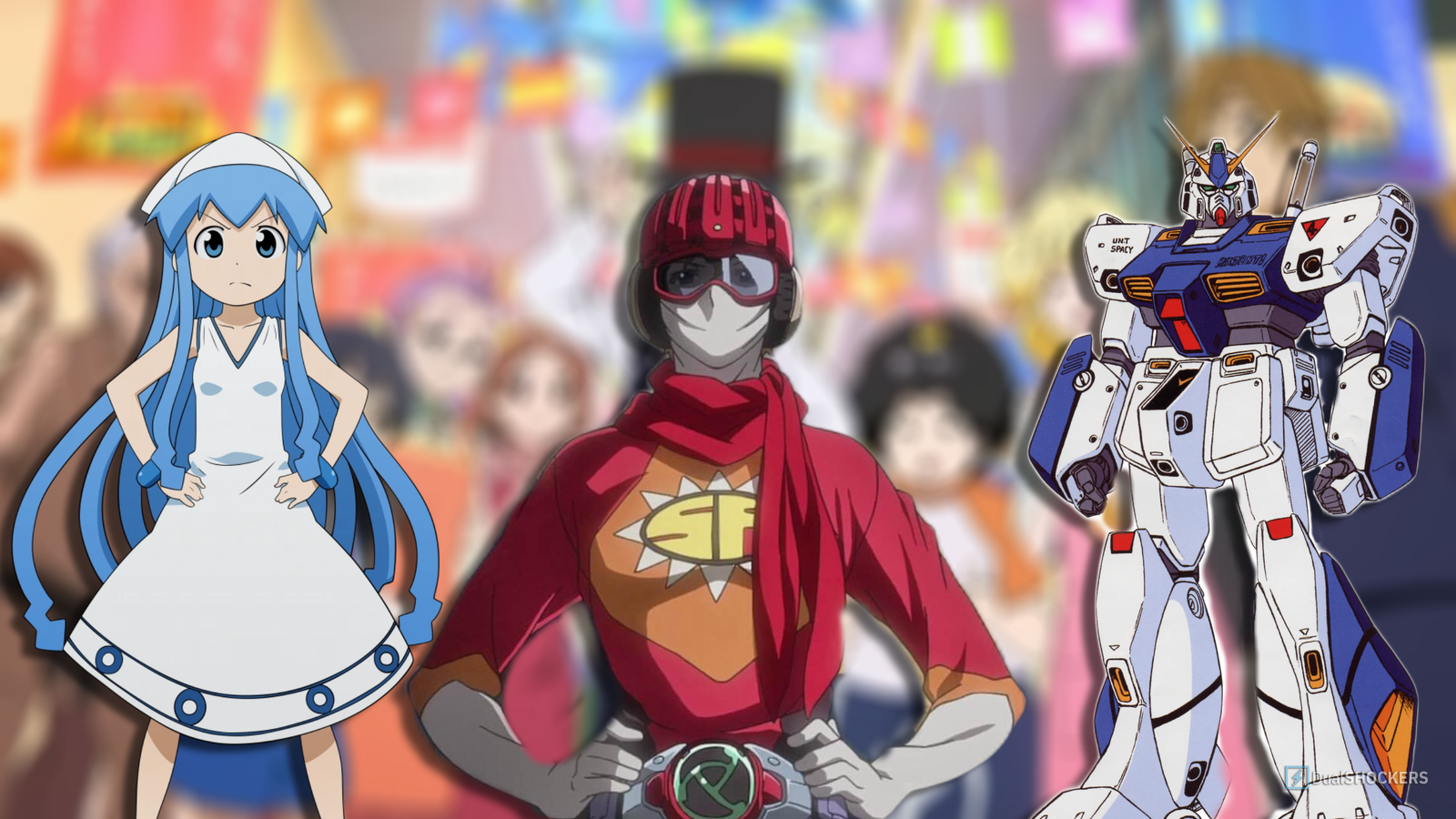
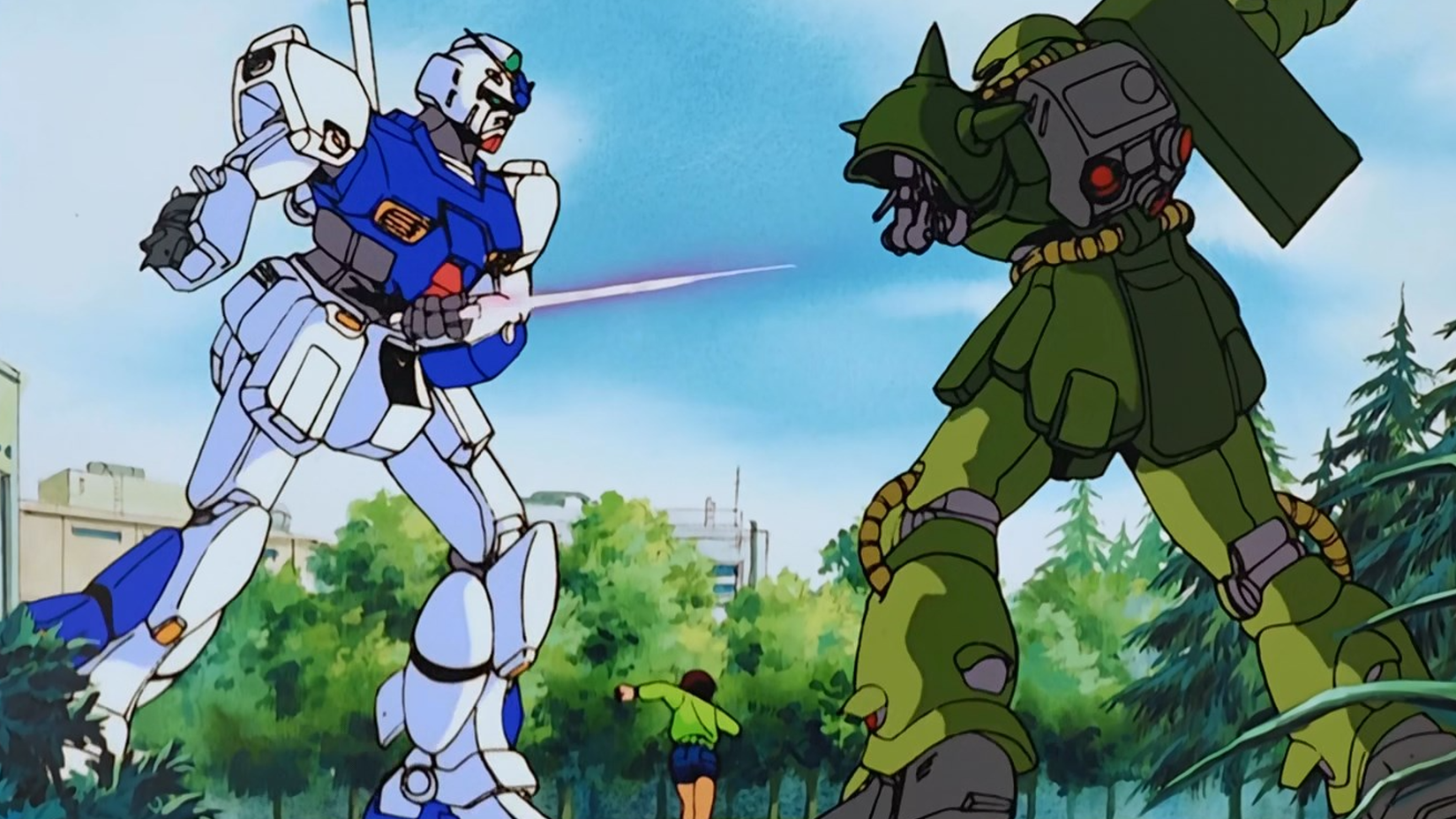
For many, the Mobile Suit Gundam franchise is synonymous with epic space battles and the clash of massive, weaponized mechs. However, the true legacy of the series lies in its exploration of the human condition amidst the machinery of war. Released in 1989, the six-episode OVA Mobile Suit Gundam 0080: War in the Pocket remains the definitive argument that the franchise functions best when it focuses on the intimate, rather than the galactic.
Set during the waning days of the One-Year War, the story follows a young boy living on a neutral space colony who becomes fascinated with the conflict, only to be confronted with the grim, unglamorous reality of it when he encounters a Zeon pilot. By shifting the perspective to a civilian child, the series avoids the "cool factor" often associated with mecha anime, replacing it with a harrowing look at how ideology and violence destroy innocence. It is a masterful, emotionally devastating narrative that serves as a necessary corrective for anyone who thinks they understand the "Gundam" formula.

Beyond the "Will-They-Won’t-They": His and Her Circumstances
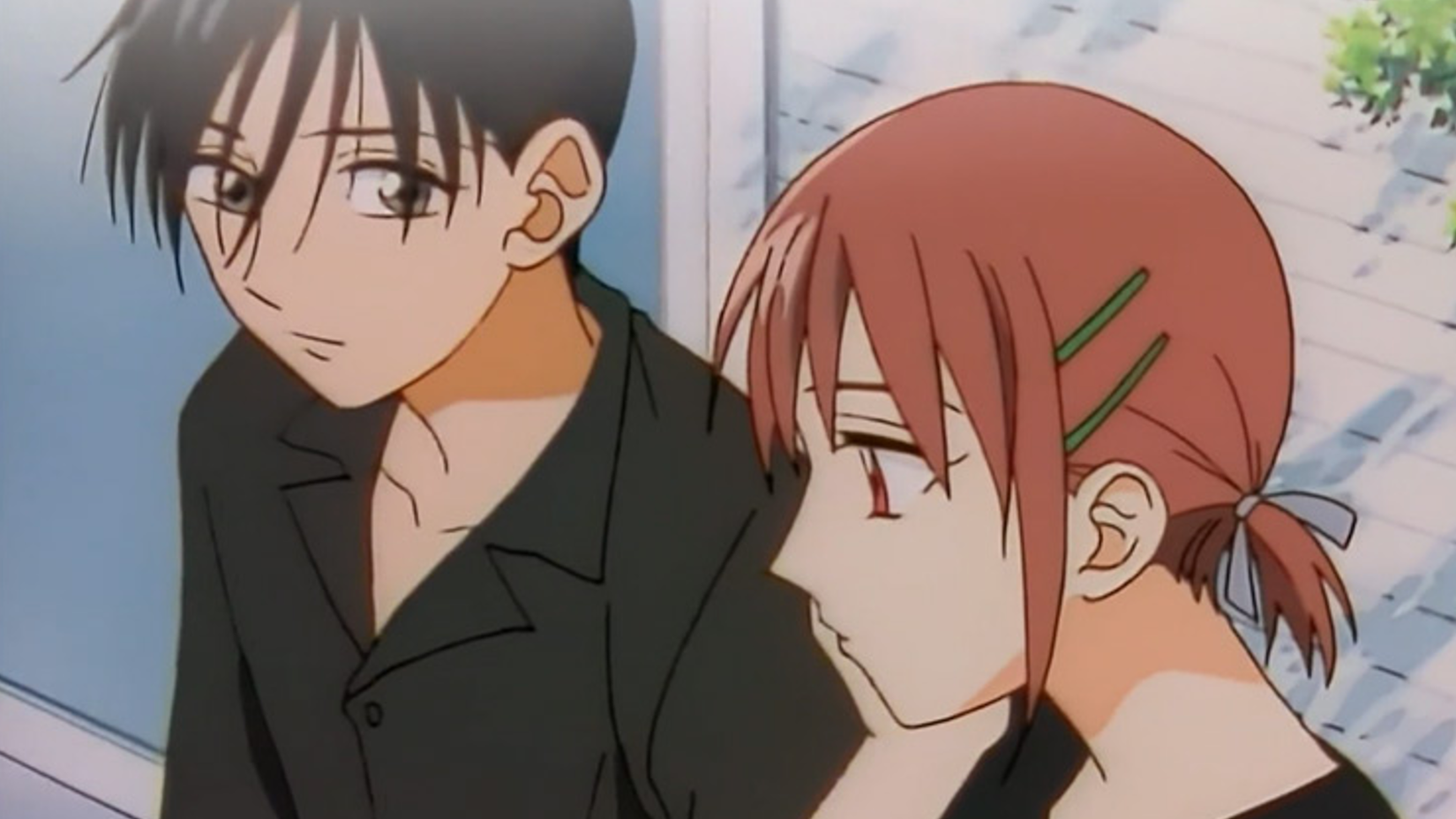
In 1998, Studio Gainax, fresh off the cultural earthquake that was Neon Genesis Evangelion, pivoted to the romantic comedy genre with His and Her Circumstances (Kareshi Kanojo no Jijou). While the studio is often remembered for its experimental sci-fi, this series remains a high-water mark for character-driven romance.
The show follows Yukino Miyazawa, a high school student who projects an image of perfection to feed her ego, only to have her facade shattered by her equally "perfect" rival, Soichiro Arima. What elevates this series above its contemporaries is its structural bravery. Most romcoms rely on the agonizingly slow "will-they-won’t-they" trope to sustain tension. His and Her Circumstances breaks this mold early, letting the couple actually enter a relationship, then shifting its focus to the genuine, often difficult process of two people learning to understand, support, and grow alongside each other. It is a mature, refreshing take on teenage love that avoids the genre’s most common pitfalls.
The Aesthetics of Rebellion: Air Gear
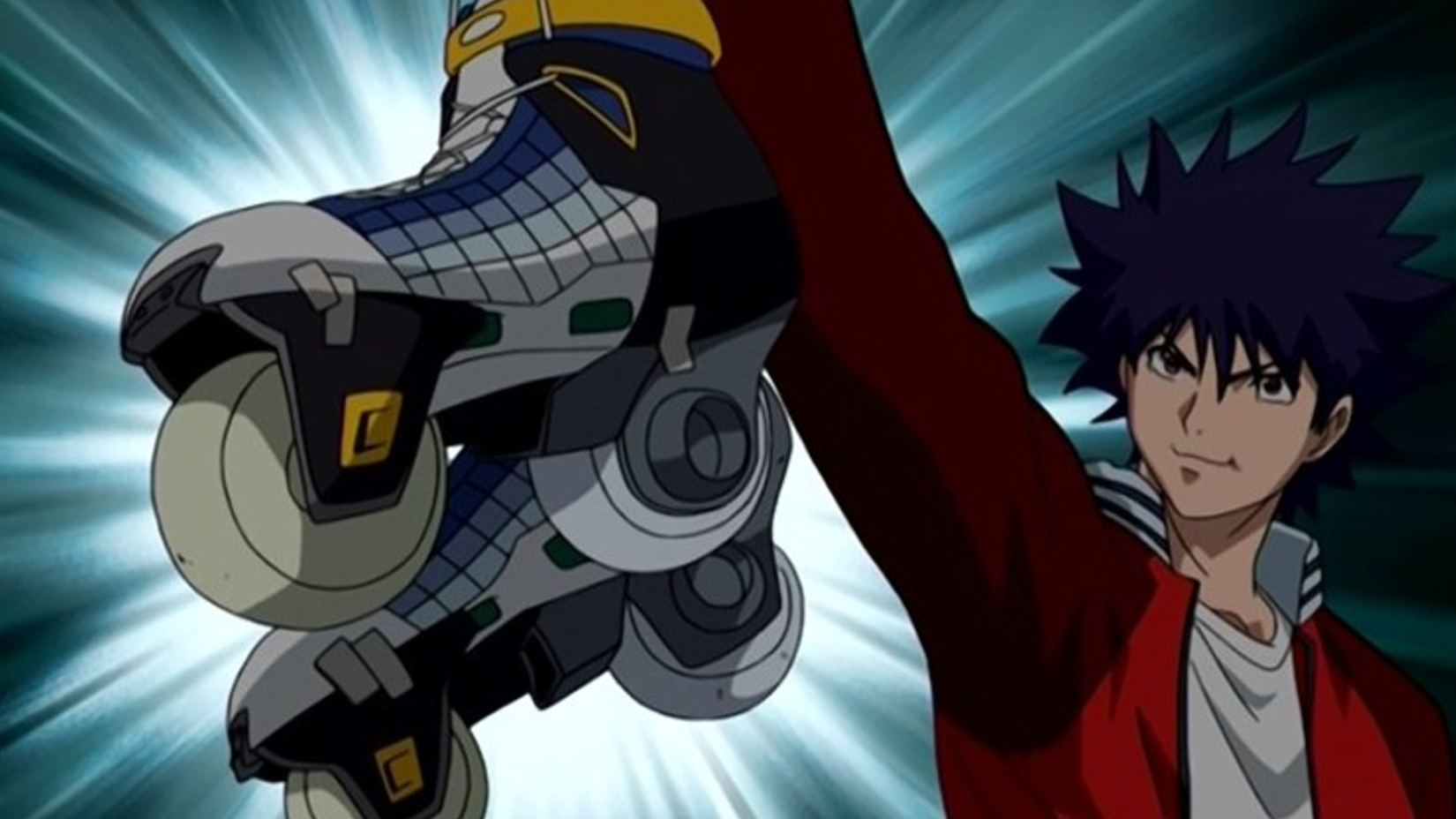
If you were a fan of the early-2000s skate culture—the kind captured perfectly by games like Jet Set Radio—Air Gear (2006) is the definitive anime equivalent. It is a high-octane, Shounen-infused sports series that captures the raw energy of underground subcultures.
The story centers on "Air Treks" (ATs), motorized inline skates that allow users to perform gravity-defying acrobatics and participate in high-stakes street racing. The protagonist, Ikki, finds himself drawn into a world of gang warfare where street cred is determined by how well you can navigate the urban jungle on wheels. While the series is known for its stylized, sometimes edgy presentation, it is the sheer inventiveness of its "nonsensical" power system and its commitment to the "cool factor" that keeps it entertaining. It is a relic of a time when Shounen anime was willing to be unapologetically stylish.
The Augmented Future: Den-Noh Coil
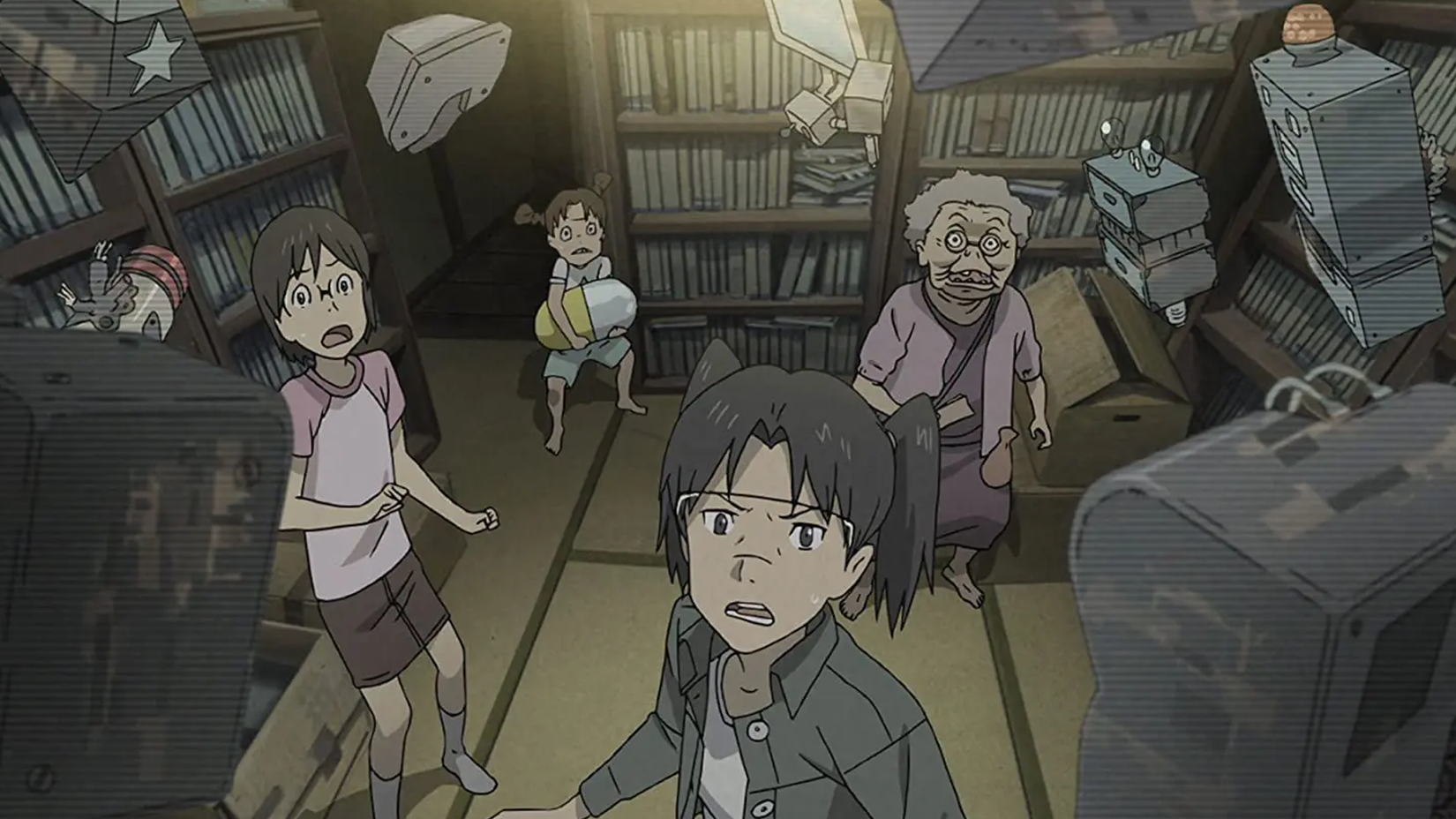
Released in 2007, Den-Noh Coil was arguably years ahead of its time. Set in 2026, the series explores a world where augmented reality (AR) glasses have become as ubiquitous as smartphones, superimposing a virtual layer over the real world.
The narrative follows a group of elementary schoolers who discover that there is a "dark side" to this technological integration—a hidden realm where the boundaries between cyberspace and reality are paper-thin. What makes Den-Noh Coil so compelling is its perspective: it treats the complex, potentially terrifying implications of AR as a childhood playground mystery. While adults ignore the bizarre occurrences as mere "glitches," the children are the ones who must navigate the dangers. It is a thoughtful, eerie, and intellectually stimulating series that feels more relevant today than it did upon its initial release.
The High-Stakes Hypothetical: Eden of the East
"If you were given ten billion yen and told to save your country, what would you do?" This is the hook for 2009’s Eden of the East, a brilliant political thriller and mystery series that feels like a cross between a Bourne film and a social experiment.
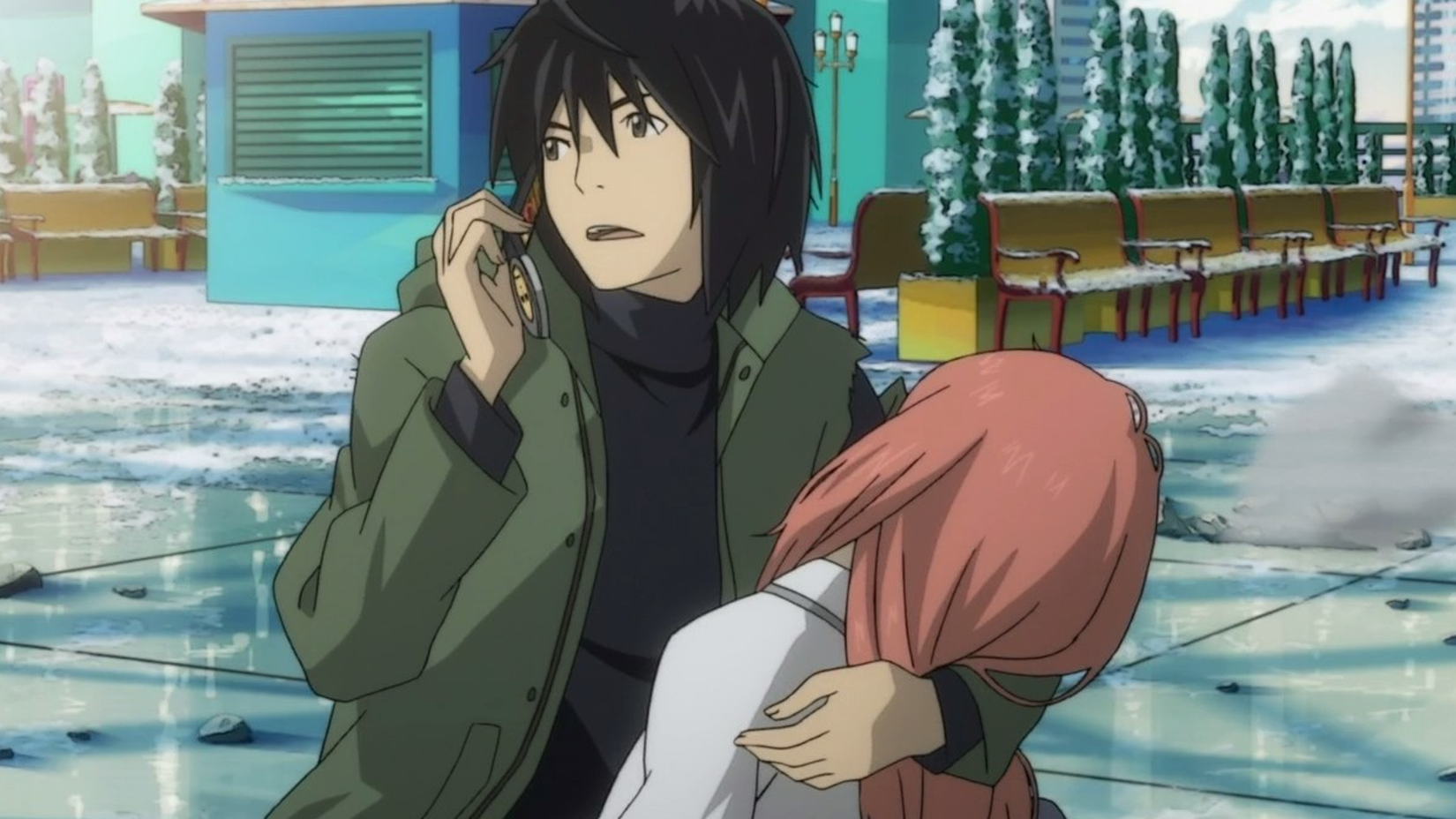
When college graduate Saki Morimi meets a naked man with no memory outside the White House, she discovers he possesses a phone that grants him access to a massive digital budget—and a mysterious concierge who will fulfill any request. This man, Akira Takizawa, is one of twelve individuals selected to "save" Japan. The show is a masterclass in pacing and intrigue, weaving together social commentary, corporate espionage, and genuine mystery. Its short 11-episode run is incredibly dense, rewarding viewers who pay attention to every detail of Akira’s extravagant, yet calculated, purchases.
Gleeful Mecha Madness: Star Driver
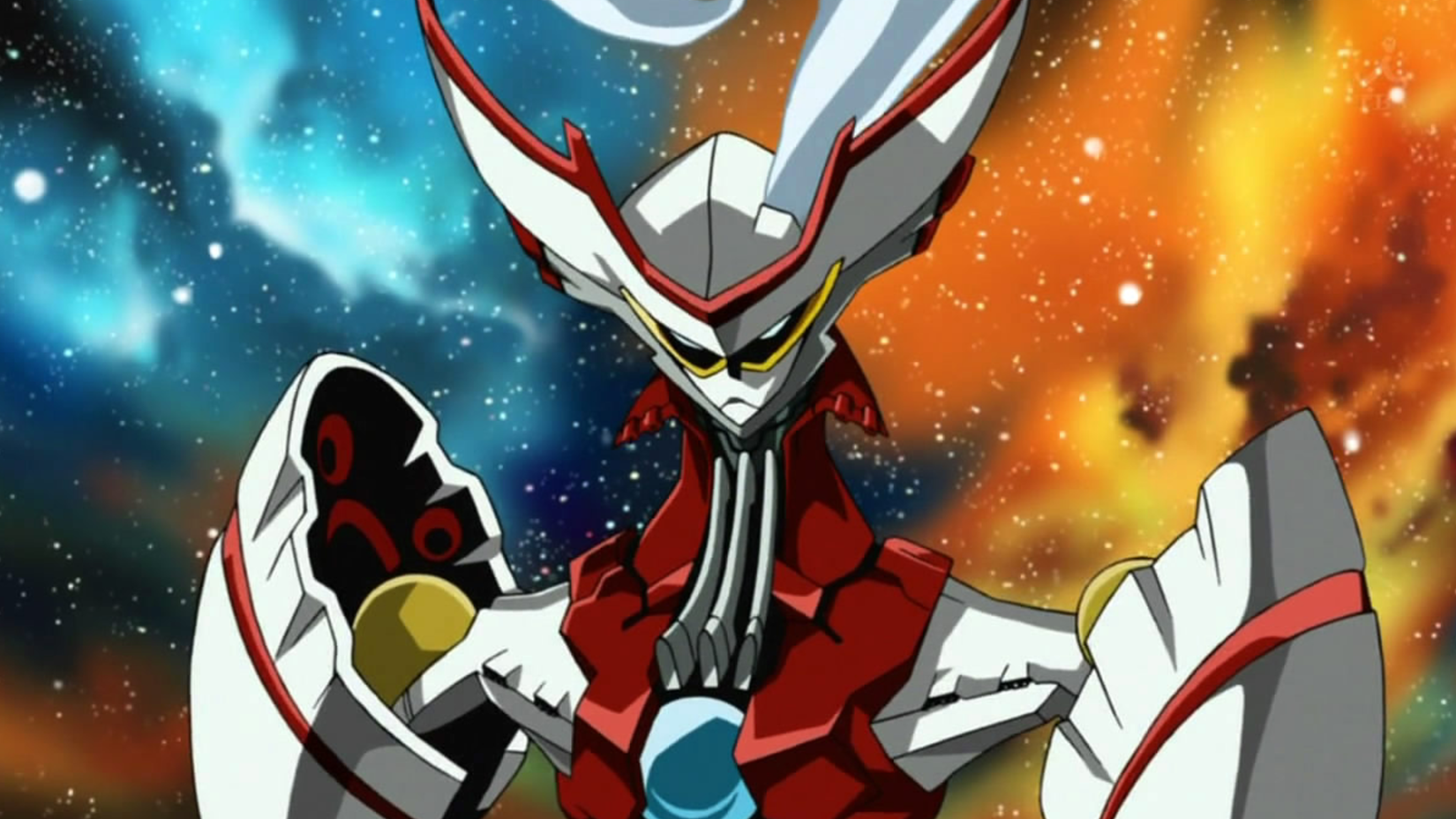
In 2010, Studio Bones delivered Star Driver, an anime that can best be described as "unapologetically insane." Set on a small island, the show revolves around ancient, giant robots called "Cybodies" that are piloted within a parallel dimension.
While that sounds like a standard mecha setup, Star Driver distinguishes itself through its aesthetic and its sheer commitment to being over-the-top. The characters are flamboyant, the dialogue is theatrical, and the stakes are both deeply personal and bizarrely cosmic. It is a show that you either completely buy into or find baffling, but for those who enjoy anime that isn’t afraid to fly its "freak flag," Star Driver remains an all-timer. It captures the spirit of classic 70s and 80s mecha with a modern, glossy sheen.
The Unintentional Icon: Squid Girl
For those who remember the original Splatoon on the Wii U, the "Squid Girl" gear was a massive crossover event that brought a specific piece of 2010 anime culture into the gaming world. The anime itself is a charming, episodic slice-of-life comedy about a humanoid squid girl who arrives on land to punish humanity for polluting the ocean—only to end up working at a beachside snack hut to pay for the damage she caused.
Squid Girl is the definition of "comfort food" anime. Its humor is light, its premise is absurd, and its protagonist is surprisingly endearing. It is a reminder that not every great show needs a complex plot or high-stakes drama; sometimes, watching a squid-themed girl try to navigate human society is more than enough.
The Absurdist Future: Humanity Has Declined
Humanity Has Declined (2012) asks a terrifying question: What happens when humanity begins to fade away? The answer, according to this series, is that we are replaced by whimsical, sweets-loving fairies who have replaced us as the dominant species.
The series is an absurdist dark comedy, focusing on a mediator who acts as a liaison between the remnants of humanity and these fairies. Each episode presents a surreal situation that requires the mediator to minimize the chaos caused by the fairies’ lack of understanding of human logic. It is a uniquely "strange" show—one that you watch with a sense of bemusement. It is a rare example of a series that is genuinely funny, deeply cynical, and visually distinct all at once.

The Quiet Comfort: Tamako Market
While Kyoto Animation is world-renowned for hits like Violet Evergarden or K-On!, Tamako Market (2013) is often left out of the conversation. It is a quintessential iyashikei (healing) series, focusing on the daily life of a mochi-maker’s daughter in a small shopping district.
The plot—which involves a talking bird from a tropical island—is largely secondary to the atmosphere. The show is about the comfort of routine, the warmth of community, and the slow, gentle development of relationships. It is the visual equivalent of a warm blanket on a rainy day. In an era where many shows feel the need to raise the stakes every episode, Tamako Market is a welcome reminder of the beauty in the mundane.
The Heroic Dream: Samurai Flamenco
Finally, Samurai Flamenco (2013) serves as a love letter to the tokusatsu genre (think Power Rangers or Kamen Rider). The story follows a male model who decides to become a masked hero despite having absolutely no superpowers, martial arts training, or gadgets.
The brilliance of Samurai Flamenco is how it evolves. It starts as a grounded story about a guy trying to do the right thing, but it takes wild, unpredictable turns that completely subvert the audience’s expectations. It is a show that demands you stick with it, even when it seems to be going off the rails. For fans of practical effects, masked heroes, and stories that dare to be truly bizarre, Samurai Flamenco is an essential, if unconventional, viewing experience.

Implications for the Future of Anime
The existence of these "lost" masterpieces highlights a significant issue in the current anime industry: the lack of cultural retention. As streaming services focus on the "next big hit," older, slower-paced, or more experimental shows are often buried by algorithms. The implication is that we are losing a diverse array of storytelling styles. These ten shows prove that the medium is capable of far more than just the current trends of isekai or high-action power fantasies. By revisiting these titles, fans can broaden their understanding of what anime can achieve, ensuring that these creative risks are not entirely forgotten in the archives of history.

 Lina Irawan
 Sagoh
Sagoh