

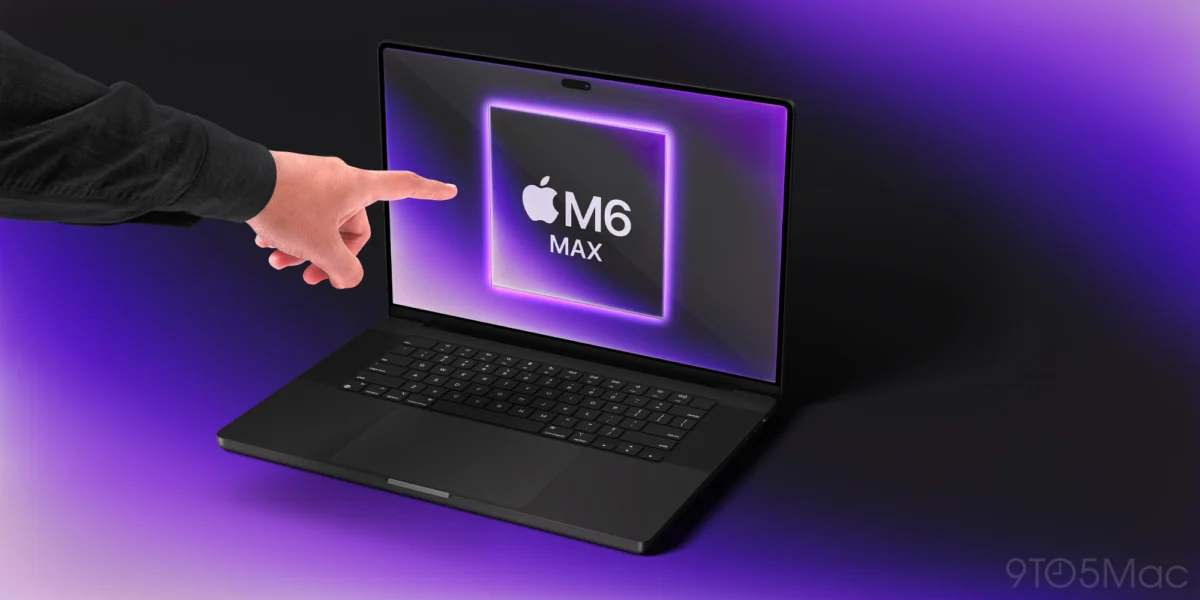
The landscape of professional computing is on the cusp of its most significant transformation in over a decade. Apple is currently preparing for a comprehensive redesign of its flagship MacBook Pro lineup, a project codenamed internally to signal a departure from the industrial design language that has defined the series since 2021. While the integration of the M6 chip is a given, the real headlines are being captured by a shift in display technology and a fundamental reimagining of the user interface.
Despite recent murmurs regarding potential supply chain headwinds, new intelligence suggests that Apple’s primary manufacturing partners are rapidly accelerating their efforts to bring the next-generation MacBook Pro to life. The transition to OLED panels, paired with rumors of a touchscreen interface and a refined physical chassis, marks a pivotal moment for Apple’s strategy in the high-end laptop market.
Main Facts: A Paradigm Shift for the MacBook Pro
The upcoming M6 MacBook Pro is shaping up to be far more than a routine internal hardware refresh. For years, the MacBook Pro has relied on IPS LCD panels with mini-LED backlighting—a technology that provided excellent contrast but still struggled to match the pixel-perfect precision of OLED.
The move to OLED is the cornerstone of this redesign. By utilizing self-emissive pixels, Apple will finally bring the vibrant color reproduction and infinite contrast ratios found in the iPhone and iPad Pro to its professional laptop line. Beyond the screen, the redesign is expected to include:

- A Thinner, Lighter Chassis: Leveraging the efficiency of the M6 chip, Apple is reportedly aiming to reduce the physical footprint of the devices, moving toward a sleeker, more portable design.
- The Dynamic Island: In a move that brings visual cohesion across Apple’s entire product ecosystem, the familiar display notch is expected to be replaced by the interactive Dynamic Island.
- Touchscreen Capability: Long resisted by Apple’s executive team, the inclusion of a touchscreen on the MacBook Pro would mark a historic reversal in policy, catering to creative professionals who have long demanded more intuitive interaction with the macOS environment.
- Cellular Connectivity: Persistent rumors suggest that Apple may finally integrate 5G/LTE capabilities, allowing the MacBook Pro to maintain high-speed connectivity independent of Wi-Fi or tethering.
Chronology of the Development
The path to the M6 MacBook Pro has been marked by a blend of aggressive design goals and logistical hurdles.
- Early 2025: Initial rumors began circulating regarding a "radical" design overhaul for the MacBook Pro. Sources indicated that Apple’s industrial design team was experimenting with thin-film transistor (TFT) backplanes for larger OLED displays.
- Q1 2026: Apple finalized the architectural specifications for the M6 series, focusing on a balance between extreme performance and thermal efficiency for a thinner chassis.
- April 2026: A Bloomberg report introduced the first note of caution, suggesting that industry-wide memory shortages and complex OLED manufacturing yields might push the projected release from late 2026 into early 2027.
- Present Day: New reports from TheElec confirm that Samsung Display, one of Apple’s key screen suppliers, has reached a critical milestone in production quality, signaling that the supply chain is finally beginning to stabilize for the ambitious 8.6-generation OLED panels.
Supporting Data: The OLED Manufacturing Challenge
Manufacturing OLED panels at the scale and size required for a 14-inch or 16-inch laptop is a monumental technical challenge. Unlike the smaller, mature production lines used for smartphones, the 8.6-generation panels require immense precision.
According to reports from the South Korean supply chain, Samsung Display is gearing up for mass production starting as early as next month. The current yield metrics reveal the difficulty of this undertaking:
- Production Volume: Estimates suggest that approximately 2 million OLED panels will be produced for the 14-inch and 16-inch MacBook Pro models in the initial rollout.
- Failure Rates: In the early phases of high-tech display manufacturing, failure rates are often significant. Samsung is currently reporting a failure rate of between 5% and 10%. As processes mature, the company aims to stabilize this at a consistent 5%.
- Supply Chain Timeline: The panels are expected to ship to Apple’s final assembly partners approximately two months after the initiation of mass production. This schedule creates a narrow window for a late-year release, supporting the notion that while a 2026 launch is possible, it remains subject to the realities of volume production.
Official Responses and Industry Outlook
Apple, true to its policy, has not issued any official comments regarding future product timelines or specific feature sets. However, the industry’s response to the leaks has been overwhelmingly optimistic. Analysts suggest that the shift to OLED is not merely a cosmetic upgrade but a necessity to maintain the MacBook Pro’s dominance in the professional creative sector.
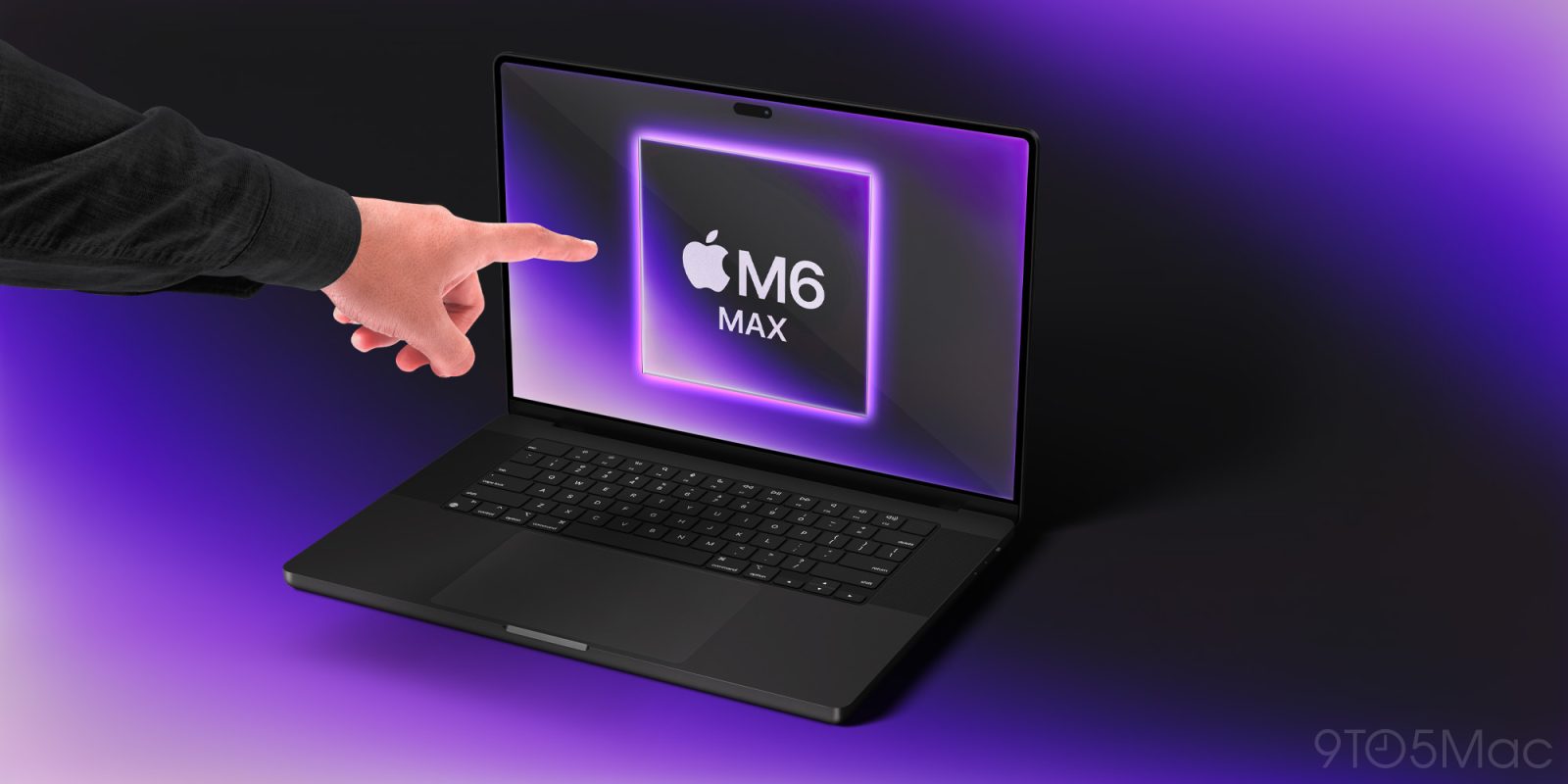
"The transition to OLED in the MacBook Pro is the final piece of the display strategy puzzle," says a prominent supply chain analyst. "Once Apple moves the Mac to OLED, the entire ecosystem will be unified. The challenge, as always, is the ‘Apple standard.’ They don’t just want a good screen; they want a perfect one, which is why the yield rates are so closely watched by investors."
Market observers also note that the decision to incorporate a touchscreen, if confirmed, will likely be accompanied by significant software optimizations in future iterations of macOS. This suggests that Apple is preparing for a future where the line between "desktop" and "mobile" computing continues to blur.
Implications: What This Means for Users
The potential launch of the M6 MacBook Pro has profound implications for both the professional market and the casual user.
For Creative Professionals
For photographers, videographers, and graphic designers, the OLED display represents a massive step forward in color accuracy. The ability to view HDR content with absolute black levels and higher peak brightness will simplify complex workflows. Furthermore, the introduction of a touchscreen could fundamentally change how artists use applications like Adobe Photoshop or Final Cut Pro, potentially reducing the reliance on external graphics tablets.

For the Enterprise Market
The rumored inclusion of cellular connectivity would turn the MacBook Pro into the ultimate "work-from-anywhere" machine. For enterprise users who require secure, constant access to cloud-based resources, an always-on MacBook Pro could become the new gold standard for productivity.
For the Consumer
While the MacBook Pro remains a premium-tier device, the trickle-down effect of these technologies is inevitable. Innovations like the Dynamic Island and advanced OLED panels often find their way to the MacBook Air and entry-level laptops within a few product cycles. By investing in these technologies for the professional tier, Apple is effectively setting the benchmark for the next five years of mobile computing.
Conclusion: A Delicate Balance
As we head into the latter half of the year, all eyes are on the supply chain. While the Bloomberg reports of potential delays serve as a reminder of the volatility inherent in modern electronics manufacturing, the progress reported by TheElec provides a concrete reason for optimism.
The M6 MacBook Pro is not just another iteration; it is a statement piece. It represents Apple’s willingness to re-evaluate its most sacred design tenets—such as the exclusion of touchscreens—in the face of evolving user needs. Whether it arrives in the final weeks of 2026 or the early months of 2027, the device is poised to redefine what a professional laptop can do. For now, the world waits as the machinery of the supply chain works to turn these ambitious prototypes into reality, ensuring that when the M6 MacBook Pro finally hits the shelves, it meets the exacting, uncompromising standards that have become synonymous with the Apple brand.










No comments yet. Be the first to join the conversation!