

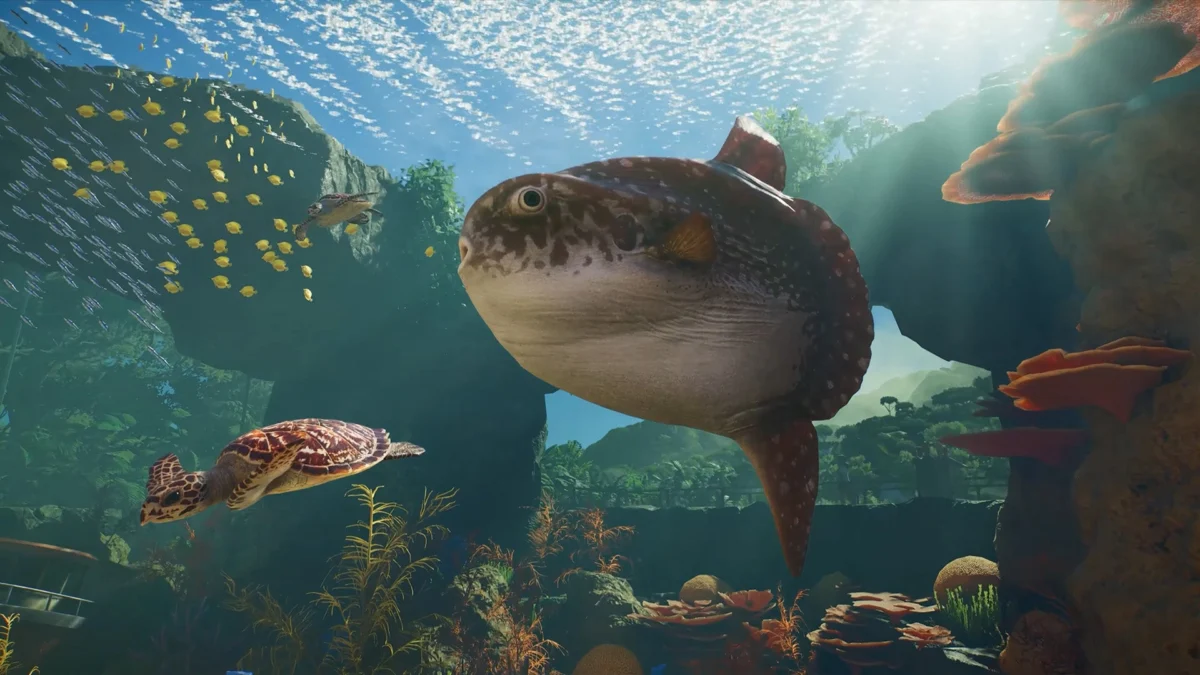
In a move that has sent ripples of excitement through the management-simulation community, Frontier Developments has officially pulled back the curtain on Planet Zoo 2. Following months of speculation and subtle hints from the studio, the sequel to the critically acclaimed 2019 title is no longer a rumor. With a confirmed release date of October 13th, the game promises to expand the scope of virtual conservation, introducing long-requested gameplay mechanics and a significant visual overhaul to the series.
Main Facts: A New Frontier for Conservationists
Planet Zoo 2 represents a fundamental shift in how players interact with their menageries. While the original game set the gold standard for intricate animal AI and architectural freedom, the sequel focuses on depth, environmental fidelity, and the expansion of biological diversity.
The most prominent feature of the announcement is the integration of "fully aquatic" species. Players will no longer be limited to terrestrial and semi-aquatic animals; they can now design and manage elaborate, high-fidelity aquariums. This includes both freshwater and saltwater ecosystems, requiring players to master complex filtration systems, water chemistry, and specialized staffing roles—such as professional divers—to ensure the health and happiness of their marine inhabitants. From the iconic Mola Mola to various exotic fish species, the ocean is now a core component of the Planet Zoo experience.
Beyond the water, the sequel introduces an expansive range of avian life. The reveal trailer showcased species such as the Toco Toucan and the striking Secretary Bird, confirming that birds will have their own dedicated, netted flight enclosures. This addition aims to solve one of the community’s oldest requests, providing a dynamic aerial dimension to zoo design that was previously unattainable.
Chronology: From Rumor to Reality
The journey to Planet Zoo 2 has been one of calculated anticipation. The original Planet Zoo enjoyed a robust, five-year lifecycle characterized by constant updates and DLC packs that introduced everything from aquatic wildlife to grassland conservation.
- 2019: The original Planet Zoo launches, quickly becoming the definitive zoo management game on the market.
- 2020–2023: Frontier Developments maintains a steady cadence of updates, refining mechanics and adding dozens of species, which kept the player base highly engaged.
- Mid-2024: Subtle, cryptic teases began appearing across official social media channels, hinting at a shift in focus toward more "natural" environments.
- Late 2024 (Current): The official announcement confirms the title, with a rapid turnaround to an October 13th release date.
This timeline reflects a studio that has learned the lessons of its predecessors. By allowing the original game to mature fully before announcing the successor, Frontier has managed to build a massive repository of player feedback, which is clearly being funneled into the design philosophy of the sequel.
Supporting Data: The Complexity of the New Wildlife Reserves
Perhaps the most ambitious feature introduced in the announcement is the "Wildlife Reserve" system. According to official documentation from Frontier, these reserves represent a move toward "rewilding" and conservation, rather than mere exhibition.
The game encourages players to design, manage, and observe a network of entirely natural habitats where human intervention is minimized. This system is designed to simulate real-world conservation efforts. Players must conduct research, manage biodiversity, and create self-sustaining environments. This is a departure from the traditional "guest-first" focus of the original game, shifting the goalpost toward ethical, sustainable stewardship of endangered species.
The Deluxe Edition and Species Catalog
Frontier Developments is also utilizing the "Deluxe Edition" model to bolster the game’s initial launch offering. The premium version includes six exclusive species:
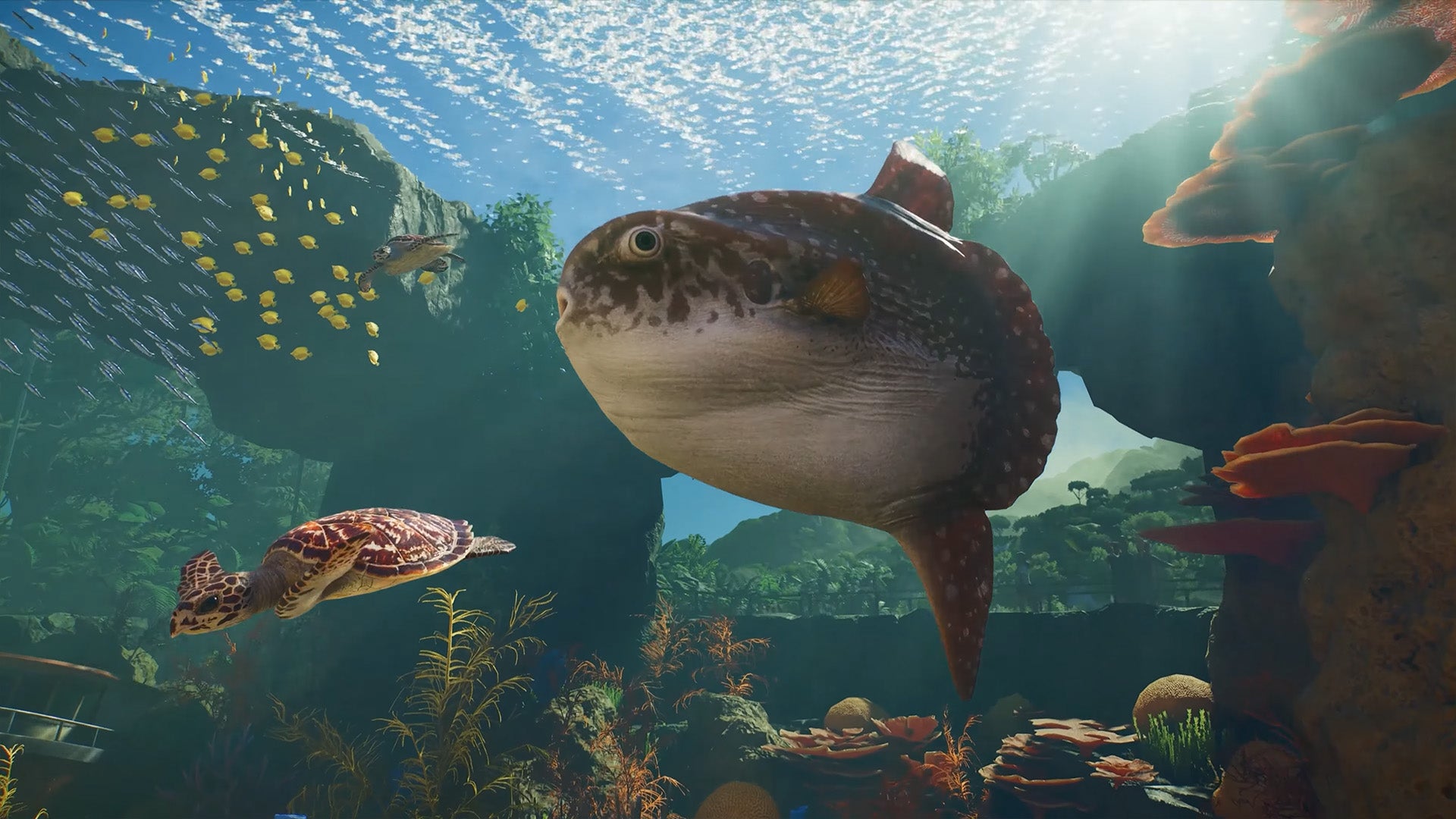
- Golden Lion Tamarin: A fan-favorite primate.
- Hammerhead Sharks: A marquee addition for the new aquatic systems.
- Axolotls: A unique, high-demand species for aquarium enthusiasts.
The inclusion of these specific animals highlights a deep understanding of the "zoo-core" community’s preferences. By targeting both high-profile marine predators and charismatic, conservation-status-heavy species, Frontier is ensuring that the game appeals to both casual players and hardcore simulation fans.
Official Responses and Developer Philosophy
Frontier Developments has emphasized that Planet Zoo 2 is not just an update, but a reimagining of the engine’s capabilities. A recurring point of discussion—and one noted by early testers—is the visual disparity between the animals and the human visitors.
In response to initial reactions regarding the character models, developers have indicated that the aesthetic choices are designed to provide maximum clarity during management tasks. While some critics argue that the human models appear "lifeless" or "cartoonish" compared to the hyper-realistic, motion-captured animals, the design intent is to ensure that players can quickly distinguish between guest needs and animal welfare requirements. The contrast, while striking, is a deliberate choice to maintain UI legibility in a game that involves thousands of individual pathfinding entities.
The studio has also leaned heavily into the "conservationist" identity. The official game website notes: "Conduct research and conservation projects in your Wildlife Reserves to improve your zoos, creating better habitats and a wilder world for all." This mission statement suggests that the game will lean harder into the educational aspects of modern zoological institutions, moving away from the "carnival" style of older management sims and toward a more modern, conservation-focused ethos.
Implications: The Future of the Management Genre
The arrival of Planet Zoo 2 on October 13th signals a shift in the simulation landscape. For years, the genre was dominated by older, legacy titles that failed to keep pace with modern graphical standards. Frontier has effectively created a monopoly on the "high-fidelity management" space, and this sequel is designed to solidify that dominance.
1. The Standard for Aquatic Simulation
The introduction of complex aquatic systems will likely set a new benchmark for how water physics and marine biology are represented in games. If the filtration and dive-team mechanics prove to be as deep as the developers suggest, it will render older aquarium-management games obsolete.
2. The Shift to "Rewilding"
The Wildlife Reserve system introduces a "passive" playstyle that could attract an entirely new demographic of players. By emphasizing observation and naturalistic management over high-intensity guest satisfaction, the game creates a more relaxed, meditative experience. This evolution is likely to increase the game’s longevity, as players look for ways to manage habitats that don’t always revolve around the "theme park" aesthetic.
3. Community-Driven Development
The inclusion of birds and specific requested species confirms that Frontier is listening to the pulse of its community. The success of Planet Zoo 2 will be measured by its ability to balance these complex systems without sacrificing the accessibility that made the first game a hit.
As the October 13th launch date approaches, the anticipation is palpable. With the ability to wishlist the game on Steam now available, the community is already preparing for a transition to this new, more complex era of virtual zoo-keeping. Whether one is drawn by the allure of the deep-sea aquariums or the prospect of managing a pristine rewilding reserve, Planet Zoo 2 is positioned to be one of the most significant simulation releases of the decade.












No comments yet. Be the first to join the conversation!