

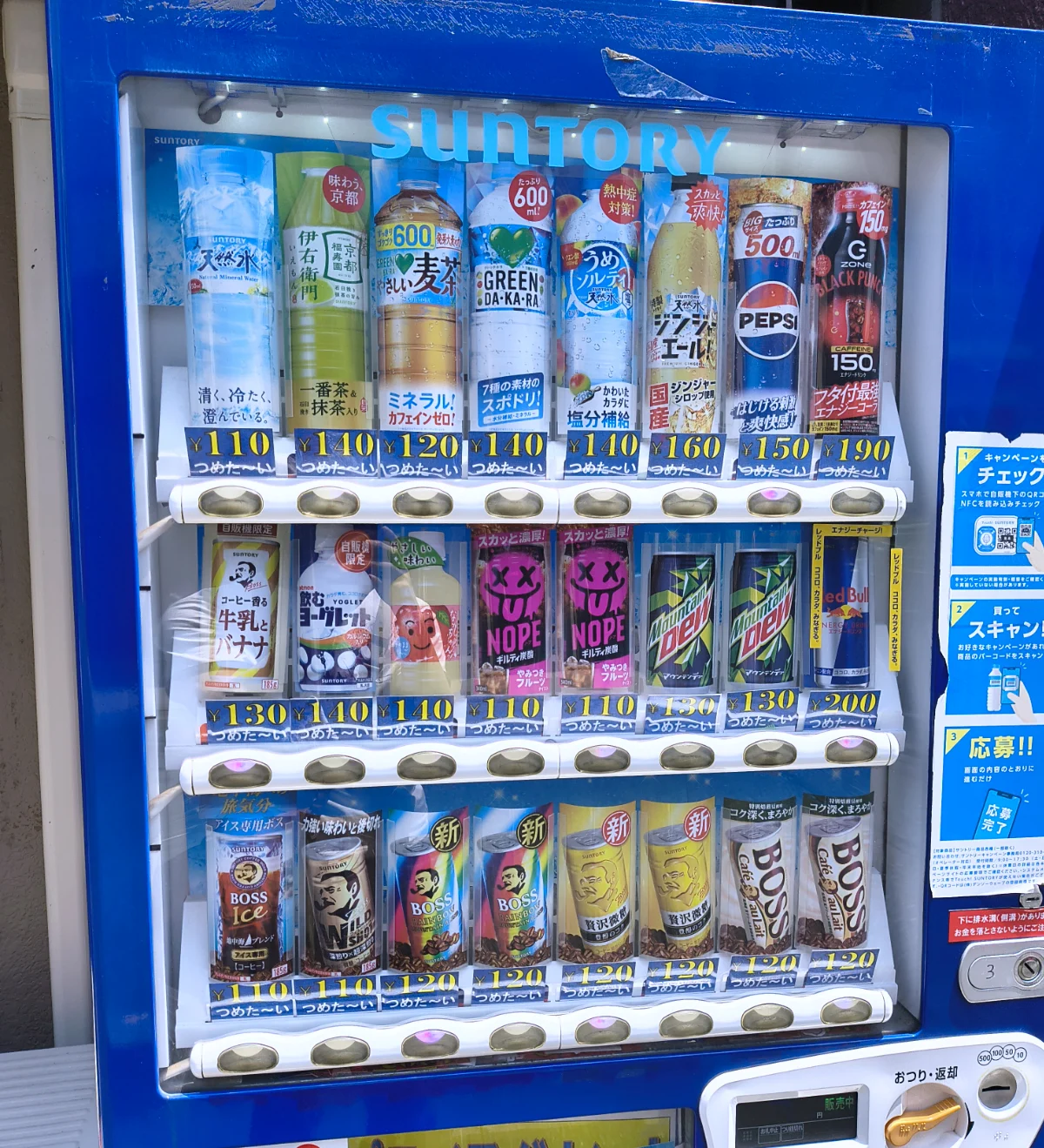
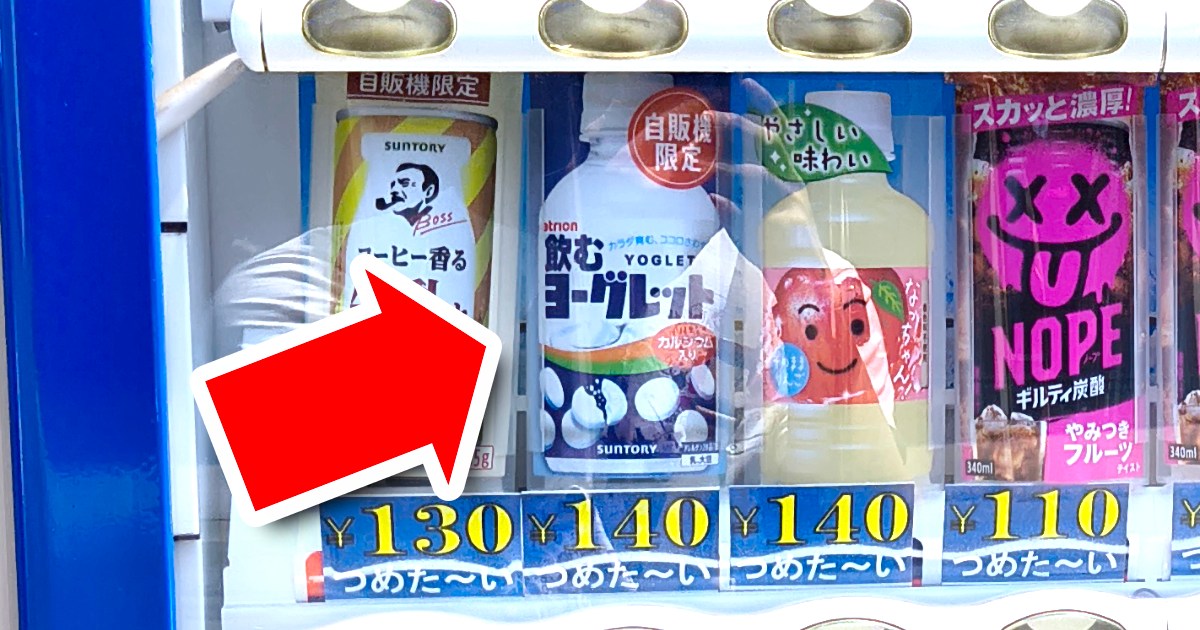
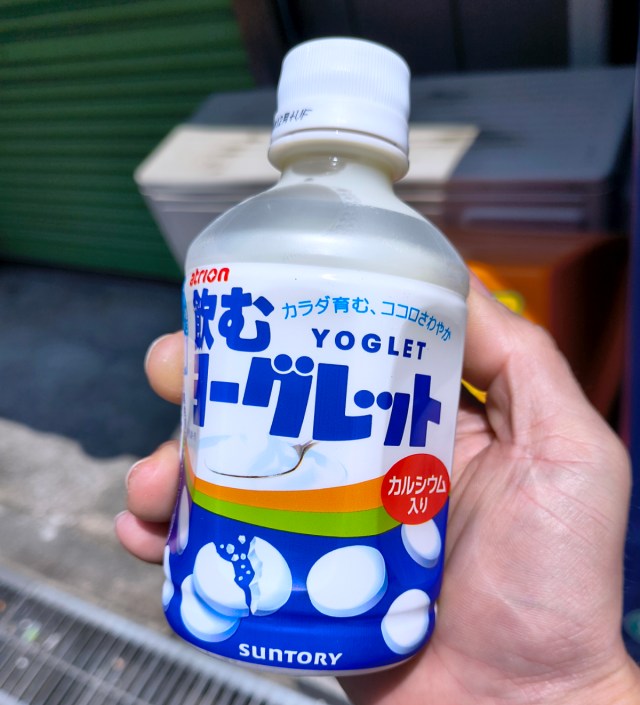
In the hyper-competitive and ever-evolving landscape of the Japanese beverage industry, companies are constantly seeking to bridge the gap between confectionery nostalgia and modern convenience. The latest venture to capture the public’s imagination comes from the beverage giant Suntory, which has introduced a "Drinkable Yoglet"—a liquid iteration of the beloved tablet-style candy that has been a staple of Japanese childhoods since 1979.
This development, spotted by keen-eyed observers in Saitama, highlights a growing trend in the Japanese market: the "gummification" and "drinkification" of nutritional supplements and traditional candies. As the line between snacks and beverages blurs, manufacturers are betting that consumers are eager to consume their favorite childhood treats in a refreshing, on-the-go format.
The Evolution of a Japanese Icon
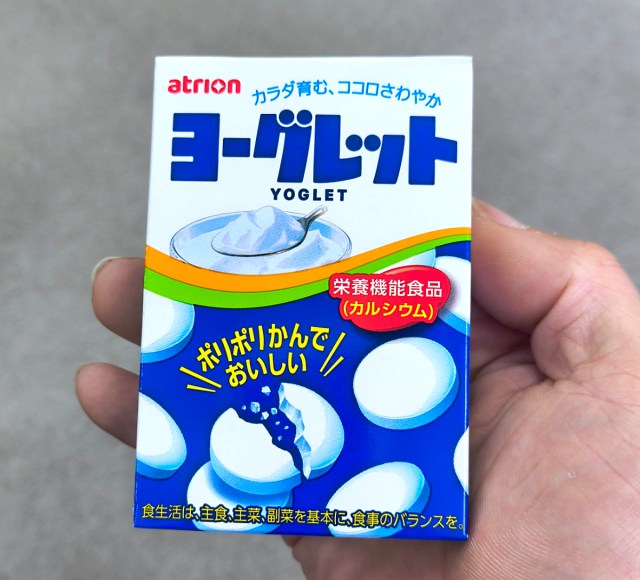
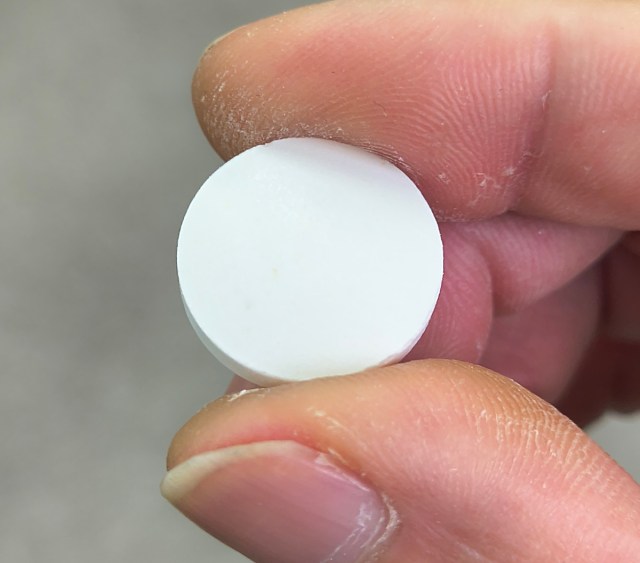
For over four decades, Yoglet, manufactured by Meiji (often associated with Atrion Confectionery in production contexts), has maintained its status as a cultural touchstone. The candy is defined by its distinctive, chalky texture and a sweet-tart yogurt flavor profile. Beyond its taste, the product is marketed as a nutritional supplement, boasting high levels of calcium and bifidobacteria.
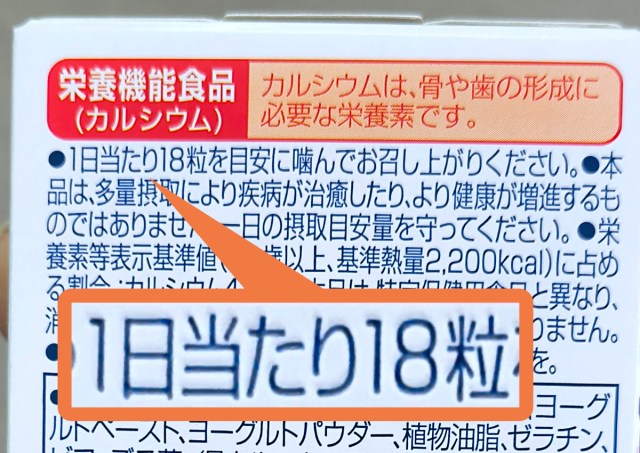
The original packaging famously suggests a daily consumption of 18 tablets, a regimen that feels almost clinical yet distinctly indulgent. For many Japanese adults, the sensory memory of the candy—the initial crunch followed by a rapid, melt-in-the-mouth dissolution—is inextricably linked to the candy stores of their youth. By translating this specific experience into a liquid form, Suntory is not merely selling a drink; they are selling a nostalgic sensory experience.
Chronology: From Tablet to Liquid
The journey of the Drinkable Yoglet from a corporate brainstorming session to the front lines of a vending machine in Saitama reflects the rapid speed-to-market strategies common in Japan’s beverage sector.
- 1979: The original Yoglet tablet candy is launched, finding immediate success as a "functional" candy that appealed to both children and health-conscious adults.
- Early 2020s: As the global demand for probiotics and gut-health-conscious snacks rises, Meiji and partner manufacturers see a resurgence in the popularity of probiotic-rich snacks.
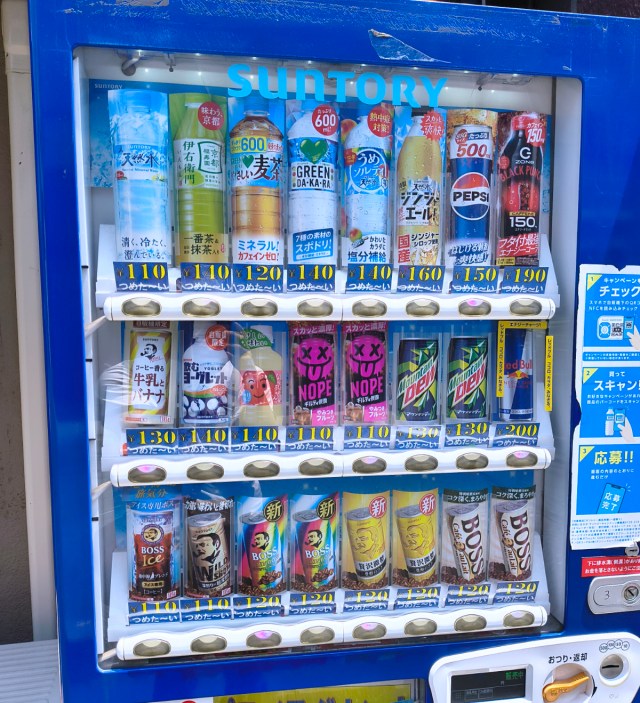
- March 2026: Suntory officially launches the "Drinkable Yoglet," a liquid version of the classic tablet. The product is released as a vending machine exclusive, a strategic move designed to capitalize on the high foot traffic and impulse-buy nature of Japan’s ubiquitous machine network.
- May 2026: Field reports from industry analysts and consumers begin to circulate, noting the drink’s appearance in regional vending machines, sparking renewed conversation about the "rebranding" of classic confectionery.
Supporting Data and Sensory Analysis
When evaluating the Drinkable Yoglet, it is essential to distinguish between the chemical composition of the original tablet and its liquid counterpart. While the tablet contains concentrated yogurt paste and powder, the liquid version relies on a different formulation to achieve a similar taste profile.
Ingredient Comparison
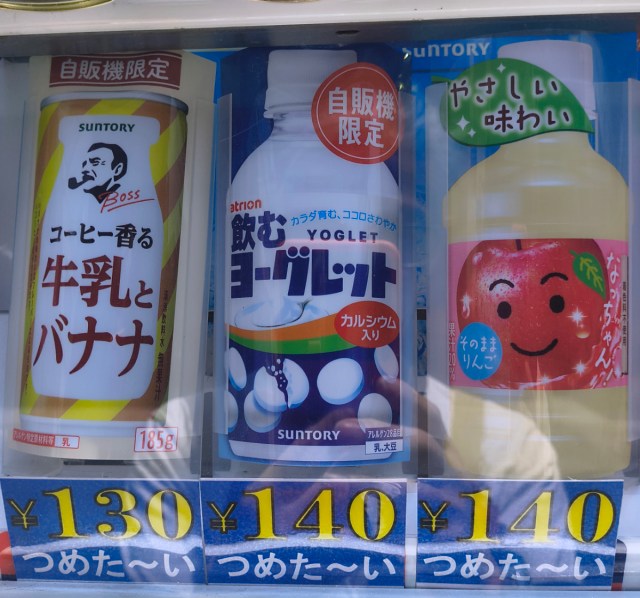
The liquid version, priced at approximately 140 yen (roughly $0.88 USD), does not contain the same concentrated yogurt paste found in the solid tabs. Instead, it utilizes a blend of calcium lactate and various acidulants to replicate the signature tang. While the tablets provide 300 milligrams of calcium per box, the drink offers a modest 53 milligrams. This suggests that the drink is positioned more as a beverage experience than a direct, high-dose nutritional replacement for the tablets.
The "Yoghurppe" Connection
During a recent taste test, long-time observers of the Japanese beverage scene noted a curious phenomenon: the drink does not taste exactly like the tablets. Instead, it triggers a strong recollection of "Yoghurppe," a regional lactic acid beverage produced by the Minami Nippon Dairy Cooperative.
Yoghurppe has long been a "cult favorite," particularly among those who grew up in regions like Miyazaki or those who encountered it in school cafeterias. The fact that the Drinkable Yoglet evokes this specific flavor profile suggests that the "yogurt flavor" in Japan has a standardized, nostalgic baseline that transcends individual brands. Whether intentional or a byproduct of the specific lactic acid chemistry used, this sensory overlap has significantly enhanced the product’s appeal.
Implications for the Vending Machine Industry
The success of the Drinkable Yoglet holds significant implications for the future of Japanese vending machines. These machines are no longer just dispensers of coffee or tea; they are becoming curators of "niche" experiences.
The "Micro-Trend" Strategy
By limiting the distribution of the Drinkable Yoglet to Suntory-owned vending machines, the company creates a sense of "scarcity" and "discovery." In a market saturated with options, the hunt for a specific, novelty drink turns the act of buying a beverage into a form of recreational activity. This strategy is particularly effective in Japan, where consumers are accustomed to regional exclusives and limited-edition seasonal releases.
Blurring Lines: Snacks vs. Drinks
The rise of products like the Drinkable Yoglet demonstrates a broader shift in consumer behavior. With the increasing popularity of "functional" foods—such as chewable vitamins and supplement-infused gummies—the expectation for beverages has changed. Consumers now expect their drinks to offer more than just hydration; they want a functional benefit (such as probiotics) or an emotional reward (nostalgia).
Official Responses and Future Outlook
While Suntory has remained relatively quiet regarding specific sales data for the Drinkable Yoglet, the company’s decision to continue production and maintain its presence in vending machines indicates that the initial reception has met internal benchmarks.
Industry analysts suggest that if the product continues to perform well, we may see a wider rollout or the introduction of "Yoglet-inspired" lines, potentially including seasonal variants or variations in probiotic density. For the consumer, this is a win-win: they gain access to a convenient, nostalgic beverage that fits perfectly into the fast-paced lifestyle of a modern urbanite.
Conclusion
The Drinkable Yoglet is a quintessential example of Japanese product innovation—a masterclass in taking a well-known, established brand and successfully recontextualizing it for a new generation. By balancing the "mythology" of the original 1979 tablet with the modern, fast-paced convenience of a vending machine beverage, the product has managed to tap into both the health-conscious trends of today and the deep-seated nostalgia of the past.
As we look toward the future of the beverage industry, the success of this project serves as a reminder that in Japan, the most successful products are often those that don’t just quench a thirst, but tell a story. Whether it tastes exactly like the candy or reminds one of a childhood favorite like Yoghurppe, the Drinkable Yoglet has successfully earned its place in the pantheon of Japan’s "weird and wonderful" drinks. For anyone passing by a Suntory machine, it is certainly worth the 140 yen to take a sip of history.












No comments yet. Be the first to join the conversation!