Layla Zulfa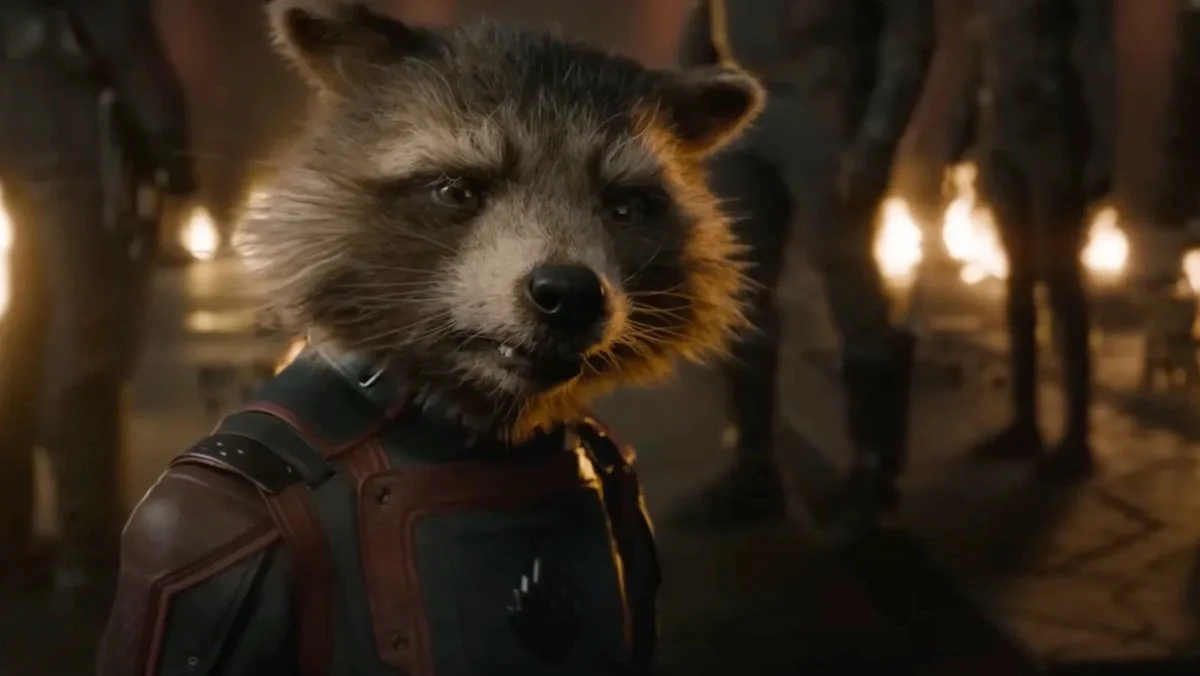
In an era defined by the cyclical nature of intellectual property, Warner Bros. has officially signaled its intent to dive back into the deep end of 90s nostalgia. According to recent reports from Variety, the studio is officially moving forward with a reboot of Free Willy, the 1993 family classic that captured the world’s imagination and turned an orca named Keiko into an international cultural icon.
While the announcement has sparked inevitable discourse regarding Hollywood’s reliance on established franchises, it also presents a fascinating case study in modern production strategy. By attaching industry titans like the Russo brothers to a project once considered a humble, heartfelt indie-style drama, Warner Bros. is signaling a massive shift in scale for the franchise.
The Facts: A New Chapter for a Cinematic Icon
The upcoming Free Willy project is set to reimagine the story that first introduced audiences to Jesse, a troubled foster child who forms an unbreakable bond with an orca living in a run-down aquatic park. The original film was a masterclass in emotional storytelling, anchored by the technical marvel of an animatronic whale and the genuine, palpable chemistry between a young boy and his captive companion.
Warner Bros. has tapped Anthony and Joe Russo—the architects behind the Marvel Cinematic Universe’s most successful installments, including Avengers: Infinity War and Avengers: Endgame—to produce the project through their AGBO banner. The screenplay is currently being penned by Mary-Margaret Kunze, a writer known for her work on Marvel’s Daredevil and Agents of S.H.I.E.L.D.
While the studio has not yet confirmed a release date or a casting director, the pedigree of the creative team suggests that this iteration of Free Willy will likely lean heavily into high-concept production values and potentially a broader, more global narrative scope.
Chronology: From Cult Classic to Franchise Fatigue
To understand why a Free Willy reboot is considered a risky gamble, one must examine the trajectory of the original franchise.
- 1993: The Phenomenon. The original Free Willy was released on a modest $20 million budget. It defied industry expectations to gross over $150 million worldwide, becoming a touchstone of 90s cinema. Its success was not merely financial; it sparked a genuine conversation regarding the ethics of cetacean captivity.
- 1995–2010: Diminishing Returns. Following the success of the first film, Warner Bros. and Regency Enterprises greenlit three sequels: Free Willy 2: The Adventure Home (1995), Free Willy 3: The Rescue (1997), and the direct-to-video Free Willy: Escape from Pirate’s Cove (2010). Each subsequent entry saw a significant decline in both critical reception and box office performance, leading to the franchise eventually being shelved for over a decade.
- 2013: The Documentary Shift. The release of Gabriela Cowperthwaite’s documentary Blackfish fundamentally altered the public’s relationship with marine parks. By detailing the psychological and physical tolls of captivity on orcas, the film rendered the lighthearted tone of the Free Willy sequels somewhat obsolete, creating a new, more serious cultural baseline for animal rights.
- 2026: The Reboot Announcement. With the IP sitting dormant for years, Warner Bros. has decided to attempt a total creative reset, presumably to align the story with modern sensibilities and the current technological capabilities of CGI and animatronics.
Supporting Data: Why the Reboot Matters
The financial history of Free Willy serves as a textbook example of "lightning in a bottle." The original film’s 7.5x return on investment is the kind of figure that keeps studio executives awake at night, dreaming of successful reboots. However, the data surrounding its sequels tells a cautionary tale.
In the 90s, the audience was driven by the novelty of animal-human interaction films. Today, audiences are driven by spectacle and "IP recognition." By utilizing the Russo brothers, Warner Bros. is likely banking on "brand prestige." The Russo brothers’ AGBO studio has become a powerhouse for high-budget, mass-market entertainment. The budget for this reboot, while undisclosed, is expected to dwarf the original $20 million, likely venturing into the $100M+ range common for major studio tentpoles.
Furthermore, the involvement of Marvel-adjacent talent suggests a desire to infuse the film with the "cinematic universe" sensibility—fast-paced editing, high-stakes action sequences, and potentially more expansive world-building than the intimate, dock-side drama of the 1993 original.
Official Responses and Creative Direction
While official statements from Warner Bros. regarding the specific tone of the film have been sparse, the creative team has left a trail of breadcrumbs.

"We are looking to modernize the core message of the original," a source close to the production stated. "The goal is to maintain the emotional resonance that made the original a classic, while updating the narrative to reflect the realities of the 21st century."
Critics and industry insiders are already debating the merits of this approach. Some argue that a Free Willy movie in 2026 cannot exist without addressing the very real, very dark truths of the marine park industry. If the film attempts to sanitize the reality of orca captivity, it risks being labeled as tone-deaf. Conversely, if it leans too heavily into the Blackfish style of hard-hitting activism, it may alienate the family-friendly demographic that is the franchise’s traditional bread and butter.
The decision to hire Mary-Margaret Kunze—known for balancing gritty, character-driven drama with episodic pacing—suggests that the studio is searching for a middle ground: a film that is an entertaining blockbuster but remains grounded in the plight of its protagonist.
Implications: The Ethics of Animal Representation in Film
The announcement of a Free Willy reboot raises profound questions about the evolution of animal rights in cinema. For decades, live animals were the standard for such films. Today, the industry has largely pivoted toward motion-capture and photorealistic CGI, as seen in Guardians of the Galaxy Vol. 3.
The New Standard of Animal Welfare
The success of Guardians of the Galaxy Vol. 3 demonstrated that audiences are increasingly sensitive to the portrayal of animal cruelty. James Gunn’s depiction of Rocket Raccoon’s origin story served as a poignant allegory for animal experimentation, resonating deeply with viewers and effectively using a "superhero" film to advocate for real-world animal ethics.
If the new Free Willy follows this path, it could be more than just a nostalgic cash-grab. It could serve as a vehicle for a new generation of environmental advocacy. However, the industry is also witnessing a trend of "cautionary" animal films, such as Good Boy, which have been recognized by organizations like PETA for their commitment to animal-friendly production practices.
Can Hollywood Balance Commerce and Conscience?
The central challenge for the Russo brothers will be navigating the "nostalgia trap." The 1993 film was a product of its time—a simpler, more optimistic era of environmentalism. Today’s climate is more polarized and better informed. If the reboot fails to acknowledge the complex relationship between humanity and the ocean, it will likely be viewed as an empty, corporate exercise.
However, if they succeed, they could revitalize a dormant brand while simultaneously highlighting the urgent need for marine conservation. The shift from "freeing the whale" as a personal rescue mission to "freeing the species" as a systemic goal could be the narrative evolution needed to justify the existence of this film.
Conclusion: A Wait-and-See Approach
As production gears up, the industry remains in a state of watchful waiting. The Russo brothers have a proven track record of handling high-stakes projects, but Free Willy is a different beast entirely. It lacks the explosive action and established lore of the Avengers. Instead, it relies on the quiet, spiritual connection between human and nature.
Will this be a groundbreaking cinematic experience that redefines how we view captive marine life, or will it be another hollow reboot destined to be lost in the vast ocean of studio content? For now, the only certainty is that the world will be watching to see if Willy can capture hearts for a second time. Until a release date is set, fans of the original will be left to wonder if the 2026 version can ever replicate the magic of that final, soaring jump over the sea wall.

 Siti Muinah
 Azzam Bilal Chamdy