

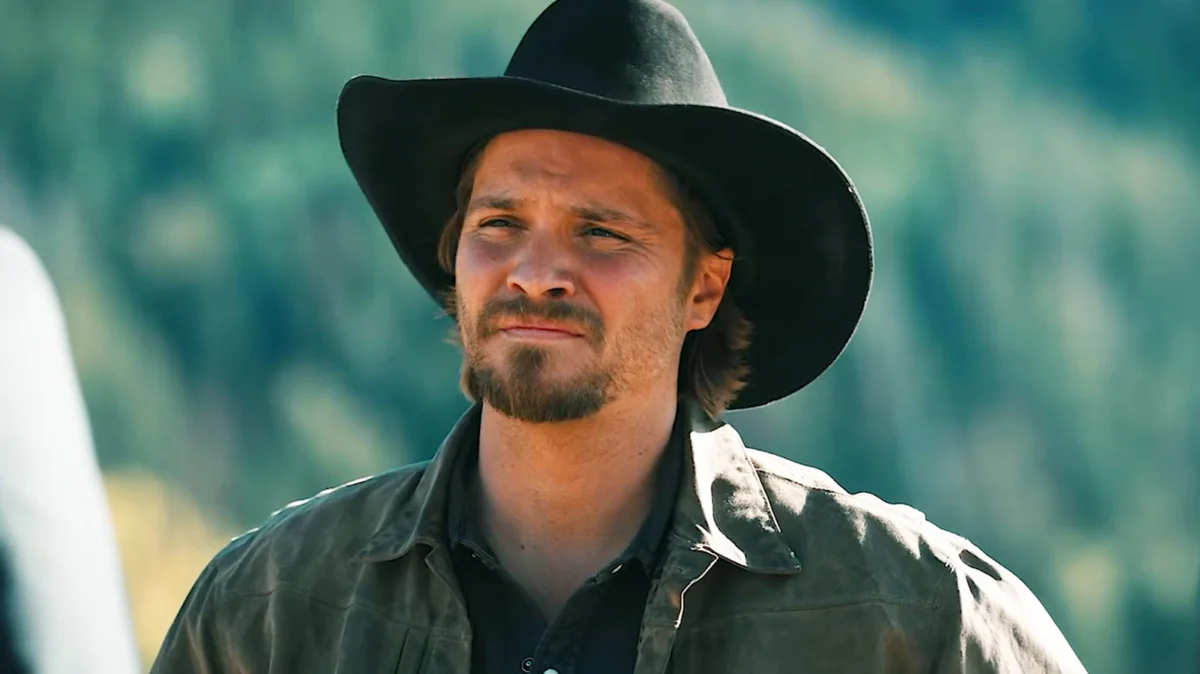
In the sprawling, sun-drenched universe of Taylor Sheridan’s neo-Western empire, few titles have sparked as much friction as Marshals. As a direct spin-off/sequel series featuring Luke Grimes’ Kayce Dutton, the show was positioned as a cornerstone of the post-Yellowstone era. However, since its debut on CBS, the series has become a lightning rod for controversy. While it has shattered ratings records—securing a swift renewal and cementing its status as the most-watched new series of the season—it simultaneously faces a relentless barrage of criticism from the franchise’s core fanbase.
The conflict represents a unique case study in modern television: a show that is statistically a massive success yet critically polarized by the very audience it was intended to serve. As fans continue to clash on forums and social media, the debate centers on a fundamental question: Is Marshals a victim of unfair expectations, or is it a genuinely inferior product masquerading in the Yellowstone brand?
The Anatomy of a Success: A Ratings Powerhouse
To understand the divide, one must first look at the cold, hard numbers. According to Variety, Marshals has performed exceptionally well by traditional broadcast standards. By capturing the coveted primetime slot on CBS, the show has leveraged the massive, built-in audience that Taylor Sheridan cultivated over years of Yellowstone’s cable dominance.
The network’s decision to renew the series within its inaugural month of broadcast underscores a level of institutional confidence that few new dramas enjoy. For network executives, the show is an unmitigated triumph—a reliable, high-volume procedural that keeps eyes glued to the screen. Yet, within the digital corridors of the Yellowstone subreddit and various fan communities, the discourse tells a vastly different story. The disconnect between "most-watched" and "most-liked" is the crux of the current tension.
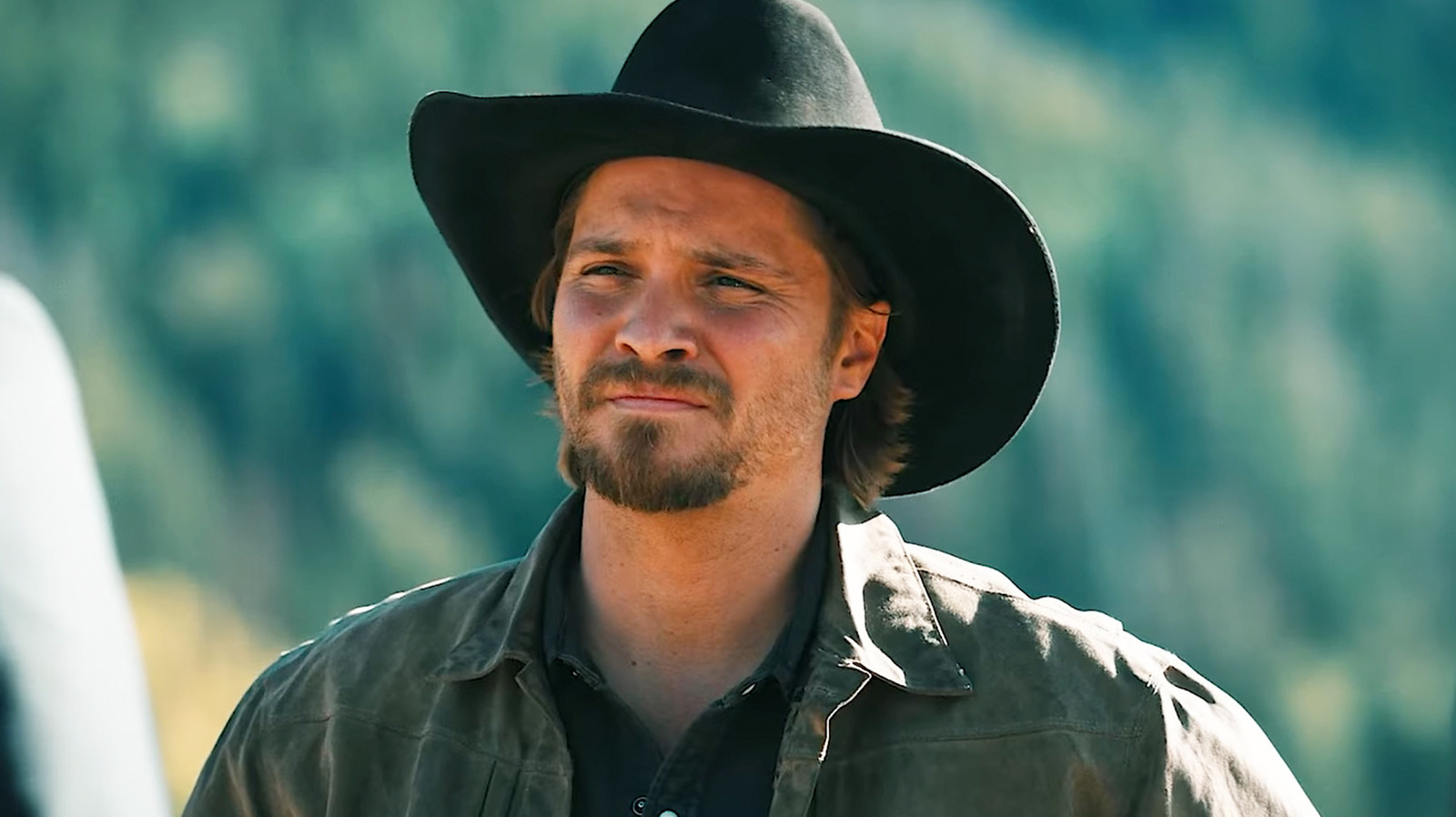
A Chronology of the Divide
The skepticism surrounding Marshals did not emerge in a vacuum; it began during the pre-production phase when it was revealed that the series would operate as a network procedural.
- The Announcement: When Marshals was first billed as a procedural in the vein of NCIS or Criminal Minds, long-term Yellowstone fans expressed initial hesitation. They were accustomed to the premium, cinematic, and often slow-burn narrative structure of the flagship series.
- The Premiere: Upon its debut, the show was met with immediate "culture shock." Viewers expecting the grit and moral ambiguity of the Dutton Ranch were instead greeted with the episodic, self-contained structure of standard police dramas.
- The "Dutton Ranch" Counter-Balance: The subsequent release of Dutton Ranch—a Paramount+ exclusive—served as a catalyst for the frustration. Fans quickly pointed to Dutton Ranch as the "true" successor to the original show’s DNA, creating a yardstick by which Marshals was inevitably found wanting.
- The Current Impasse: As the first season concluded and a second was confirmed, the community solidified into two camps: those who embrace Marshals as a functional, if generic, cop show, and those who view it as a hollow shell of the Yellowstone brand.
The Identity Crisis: Procedural vs. Premium Drama
The primary complaint leveled against Marshals is that it feels "generic." Critics argue that the writing lacks the sharp, idiosyncratic dialogue that became a trademark of Taylor Sheridan’s work. One prominent thread on Reddit captures the sentiment of the detractors, with users claiming that the series suffers from "network TV clichés" that feel jarring when juxtaposed with characters audiences have known for years.
The creative involvement of Taylor Sheridan is also a major point of contention. While he maintains an Executive Producer credit, his actual day-to-day influence on Marshals is limited compared to his total control over the original series. Showrunner Spencer Hudnut has steered the ship, and the result is a product that bears the Yellowstone aesthetic but lacks its soul. For many fans, seeing a character as complex as Kayce Dutton forced into the rigid, episodic box of a procedural feels like an act of betrayal against the character’s established arc.
Supporting Data: What the Fans Are Saying
The debate is not merely a matter of taste; it is a battle over the definition of the franchise.
- The "Generic" Argument: Detractors often cite the show’s pacing and case-of-the-week structure as evidence of its lack of ambition. "It just feels like generic TV," one Redditor noted, comparing it unfavorably to the premium feel of the original series.
- The "Contextual" Defense: Conversely, proponents argue that the failure lies with the audience, not the show. "People need to stop thinking of it as Yellowstone 2," writes one defender, who suggests that viewers should instead frame their expectations around the show’s genre: a police procedural.
- The "Guilty Pleasure" Middle Ground: A significant portion of the audience falls into the "it’s fine" category. They acknowledge the flaws—the occasional clunky dialogue and the "bored" performance from lead Luke Grimes—but argue that it provides a necessary, if uncomplicated, form of entertainment.
Official Responses and Creative Implications
Taylor Sheridan and the production teams at Paramount and CBS have remained largely quiet regarding the specific fan backlash, focusing instead on the impressive viewership statistics. This silence is strategic; in the world of broadcast television, ratings are the ultimate arbiter of quality.
However, the industry implications are profound. Marshals serves as a test case for whether a premium cable brand can be successfully translated into a broad-market network product. The "uncanny valley" effect—where a familiar character is placed in a format that feels alien to their origins—has left producers with a difficult decision. Do they lean further into the procedural format to satisfy the network audience, or do they pivot to satisfy the hardcore Yellowstone fans?
Looking Ahead: Can Season 2 Bridge the Gap?
As the production gears up for its second season, the show stands at a crossroads. Some fans have suggested that the series needs to shed the Yellowstone baggage entirely to find its own voice. Others hope that the writers will incorporate more serialized storytelling to reclaim the gravity of the original series.
One point of consensus remains: Marshals is not going anywhere. Its commercial success guarantees its survival, regardless of the vitriol found in online forums. Yet, the existence of this debate proves that the Yellowstone audience is not a monolith. They are a discerning group who hold the brand to a high standard, and they are not afraid to voice their displeasure when they feel that standard has been compromised.
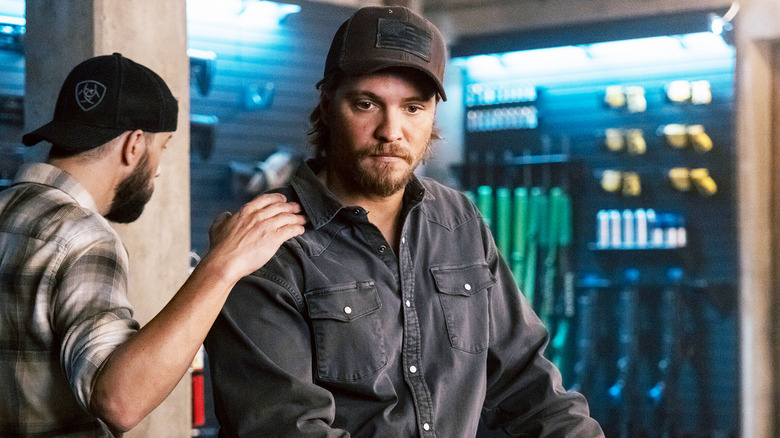
Whether Marshals eventually evolves into a show that earns the respect of its harshest critics remains to be seen. For now, it remains a paradox: a ratings giant that is still searching for its creative identity, trapped between the expectations of the past and the demands of the present. As the dust settles on the first season, the only certainty is that the conversation surrounding the Dutton family’s future will continue to be as volatile and unpredictable as the landscape of the American West itself.











No comments yet. Be the first to join the conversation!