Basiran
In the ever-evolving landscape of television science fiction, few networks have shaped the genre’s DNA quite like Syfy. From the sprawling political intrigue of Battlestar Galactica to the gritty, survivalist angst of The 100, the network has consistently sought to push the boundaries of space-bound storytelling. Yet, in recent years, a new contender has emerged, occupying a curious space between those two titans of the genre. Dean Devlin’s The Ark, currently heading into its third season, has proven that longevity in the modern streaming era is not always dictated by critical acclaim, but by the relentless magnetism of its premise.
The Foundation: A Convergence of Genre DNA
At its core, The Ark operates on a premise that feels intimately familiar to veteran sci-fi audiences. Humanity, facing an extinction-level event on Earth, launches a desperate, last-ditch effort to colonize a distant world. The central vessel, Ark One, is tasked with the survival of the species. However, as is tradition in the genre, the mission is immediately derailed by a catastrophic event, forcing the surviving crew to grapple with dwindling resources, failing systems, and the crushing weight of being the final hope for mankind.
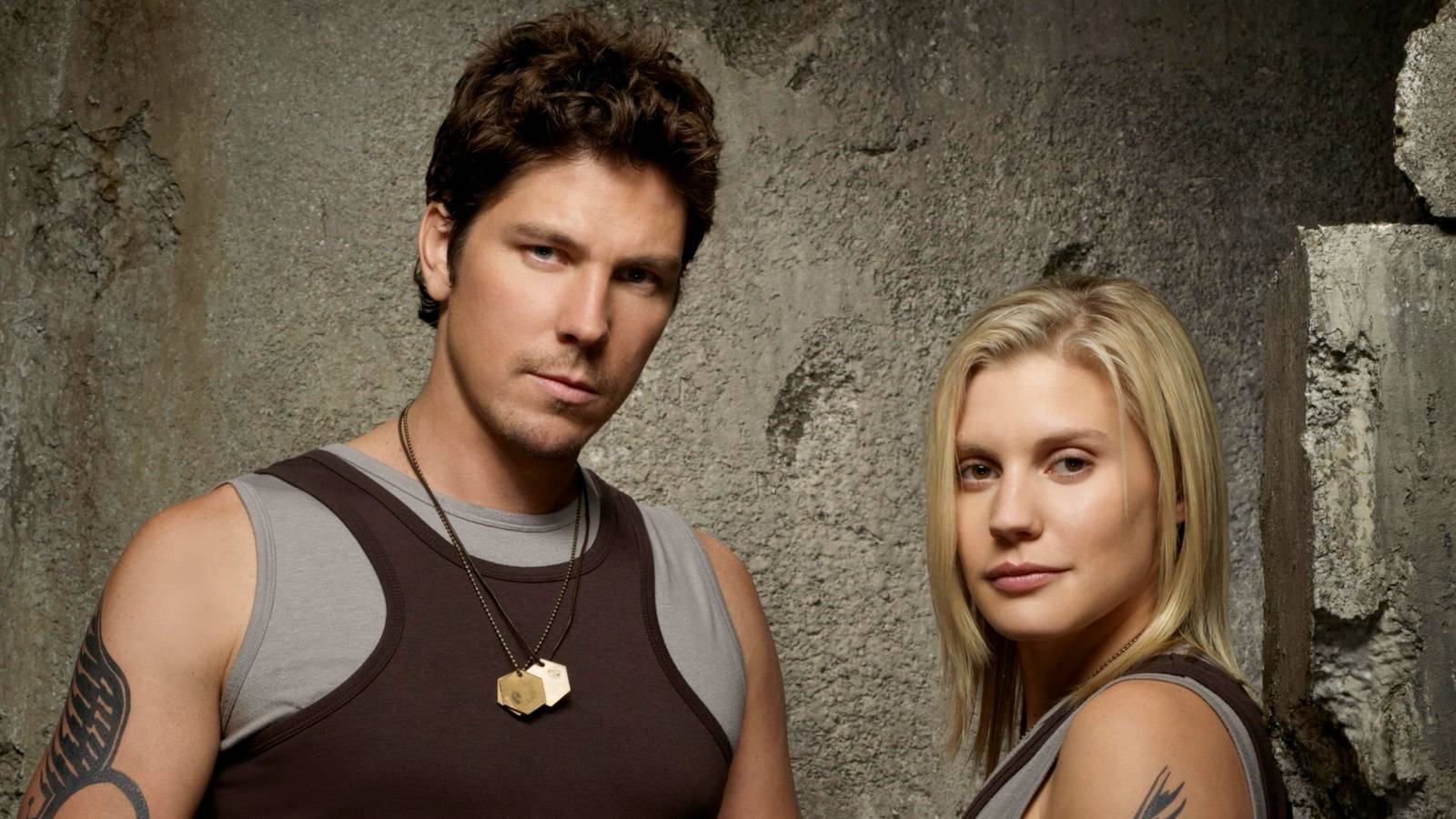
This setup echoes the high-stakes survivalism of The 100, where a group of young, often inexperienced individuals are forced to evolve into leaders under the most extreme circumstances imaginable. Simultaneously, the show mirrors the fundamental "last ship of the fleet" tension inherent in Battlestar Galactica. Yet, where Battlestar leaned into grim, military-grade pragmatism and theological mystery, The Ark strikes a different chord. It leans into a more youthful, ensemble-driven energy, prioritizing the volatile social dynamics of its crew as much as the technical hurdles of deep-space travel.
Chronology of a Cult Phenomenon
The journey of The Ark began on February 1, 2023, arriving at a time when the sci-fi landscape was hungry for a new space opera. Created by veteran producer Dean Devlin—known for his work on Independence Day and Stargate—and co-showrun by Jonathan Glassner, the series was designed to be a fast-paced, high-concept procedural.
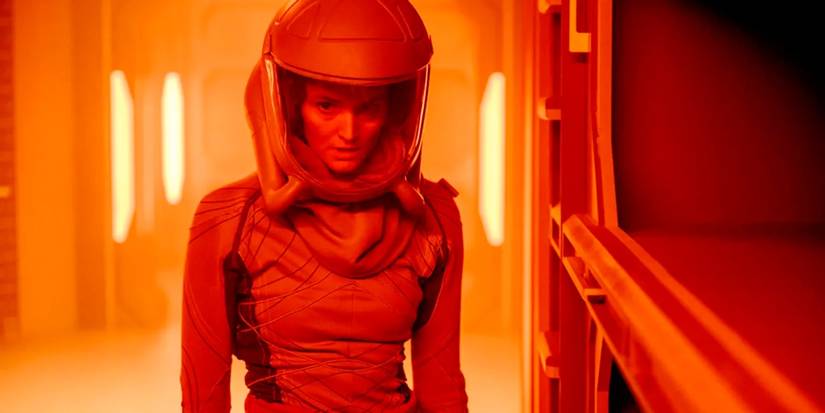
- The Launch (2023): The debut season established the primary conflict: the mysterious accident that decimated the ship’s command structure, thrusting junior officers like Lieutenant Sharon Garnet (played by Christie Burke) into positions of power they were never prepared to hold.
- Expansion (2024): The second season saw the show deepening its world-building, focusing on the internal power struggles between the ship’s disparate factions and the external threats encountered during their voyage.
- The Third Frontier (2026): With the upcoming premiere on July 29, 2026, the series enters its third installment. The fact that the network has greenlit a third season—and potentially more—signifies a level of confidence in the show’s performance metrics that defies its initial critical reception.
Supporting Data: The Critical vs. Commercial Divide
One of the most fascinating aspects of The Ark is the stark discrepancy between its critical reception and its continued renewal. On platforms like Rotten Tomatoes, the series has hovered around a 50% approval rating. Critics have often pointed to its soap-opera-esque pacing and occasional reliance on familiar genre tropes as points of contention.
However, television renewal is rarely a matter of aggregate review scores alone. In the modern era, "viewability" and "fan retention" often trump the opinions of professional critics. The Ark has carved out a niche audience that values its straightforward approach. While it may not possess the philosophical depth of Battlestar Galactica or the dark, post-apocalyptic intensity of The 100, it delivers a consistent, serialized entertainment product. Its viewers are not necessarily looking for the "next big thing" in prestige television; they are looking for a reliable, weekly space adventure that hits the classic beats of the genre.
Furthermore, the show’s production efficiency—likely aided by the experience of showrunners like Devlin—allows it to maintain a high level of visual polish without the ballooning budgets that have doomed other sci-fi projects. By focusing on a contained setting, the production creates a sense of claustrophobic tension that keeps costs manageable while maintaining narrative momentum.
Official Perspectives and Creative Intent
The creative team behind The Ark has been vocal about their intention to modernize the space opera format. Dean Devlin has frequently spoken about the show’s focus on the "everyman" in space. Unlike the seasoned admirals of older series, the characters in The Ark are essentially orphans of a dying planet, thrust into roles of authority.

"The goal," Devlin noted in early production interviews, "is to focus on the human capacity for growth under pressure." This is evident in the character arc of Sharon Garnet. Her transformation from a low-ranking officer to a de facto commander serves as the show’s emotional anchor. The producers intentionally avoided the "military expert" trope, opting instead to showcase characters who make mistakes, harbor petty rivalries, and have to learn how to govern a society while they are still learning how to survive the next ten minutes.
This approach resonates with a demographic that grew up watching the CW’s brand of sci-fi drama—shows where the romantic entanglements are just as critical to the mission’s success as the engineering fixes. By blending high-concept survival science with character-driven drama, the show creates a "sticky" viewing experience that keeps fans returning to see which character will clash next.
Implications for the Future of Syfy
The sustained success of The Ark carries significant implications for the future of the Syfy network and the genre at large. For years, there has been a prevailing sentiment that science fiction must be "prestige" to succeed—that it must feature dark, complex moral dilemmas and high-end cinematography to be worthy of investment. The Ark proves that there is still a massive, underserved appetite for "popcorn" science fiction—shows that are unashamedly fun, fast-paced, and focused on pure, escapist entertainment.
If The Ark continues to perform well into its third and potentially fourth seasons, it could signal a shift in commissioning strategy for genre networks. We may see a move away from the high-budget, high-risk "event" series in favor of more sustainable, mid-budget, high-concept dramas that can be produced reliably over many years.
Moreover, the show serves as a bridge for the next generation of sci-fi fans. By incorporating elements of The 100, it captures the attention of a younger audience that may not have been around for the original airing of Battlestar Galactica. It acts as a gateway drug to the genre, keeping the spirit of space-based storytelling alive while it waits for the next cultural phenomenon to emerge.
Conclusion: The Endurance of the Journey
As we look toward the July 2026 premiere, the narrative of The Ark is one of quiet persistence. It is not the show that changed the world, nor is it the show that critics are calling the "greatest of all time." Instead, it is something perhaps more valuable in the current media climate: a survivor.
Much like its characters, the show has had to navigate through rough waters, overcome skepticism, and find its own way in a vast, uncaring void. Its ability to thrive despite the odds is a testament to the enduring power of the space opera format. As long as there are viewers who want to look at the stars and imagine themselves in the pilot’s seat of a desperate, broken ship fighting for a future, there will be a place for stories like The Ark.
Whether it reaches the seven-season mark of The 100 or stays within its own unique three-to-four-season orbit, The Ark has already left its mark. It has proven that in the vacuum of space, even the most unlikely vessels can keep the light of humanity burning—at least for one more episode.

 Nana Muazin
 Nana
Nana