Lina Hope
For decades, the term "pink tax" has been a staple of feminist economic discourse in the West, describing the systemic phenomenon where products marketed specifically to women—ranging from razors and shampoos to clothing—carry higher price tags than their functionally identical counterparts. While this concept is well-trodden ground in North America and Europe, it has only recently begun to gain traction in Japan.
The conversation was thrust into the national spotlight this past May, triggered by a viral observation regarding the pricing strategies of a beloved retail giant. In a country where the gender gap remains a persistent, systemic challenge, this discussion has evolved from a simple observation about retail pricing into a broader inquiry into how Japan’s economic structure subtly, yet consistently, disadvantages women.
The Viral Spark: MUJI and the Anatomy of Pricing
On May 25, 2026, X (formerly Twitter) user @femimi33 ignited a firestorm of debate with a seemingly mundane observation. Posting a comparison of MUJI’s linen pants, the user pointed out that the men’s and women’s versions were sold at the exact same price point, despite clear differences in production. Specifically, the women’s pants utilized less fabric and featured fewer pockets than the men’s version.
The post struck a nerve, garnering over 15,000 likes and nearly 2,000 reposts within three days. For many, this was not merely about a pair of pants; it was a microcosm of "women’s everyday economics." Critics of the pricing model argued that if the cost is determined by the amount of raw material used, the women’s version should logically be cheaper. Supporters of the retail model, however, suggested that pricing is based on a complex web of design, marketing, and inventory costs, rather than the raw cost of fabric alone.
This was not the first time MUJI has faced public scrutiny regarding gendered marketing. In March 2025, the brand drew criticism for its display methods: women’s underwear was showcased on live models, while men’s was presented on static mannequins. When pressed, parent company Ryohin Keikaku defended the decision, citing consumer demand—asserting that women, as a demographic, are more interested in seeing the "fit" of an item than their male counterparts. This response, while grounded in market research, inadvertently fed into the very gendered stereotypes that critics argue sustain the pink tax.
Chronology of a Growing Discontent
The trajectory of the pink tax discussion in Japan follows a clear path of increasing public awareness:
- 2023–2024: Blogs and feminist forums begin to circulate translated essays from Western sources, detailing how women’s personal care items and services (such as dry cleaning) are consistently marked up.
- March 2025: The MUJI "mannequin controversy" raises questions about how brands treat male and female consumers differently in their visual marketing.
- May 25, 2026: The @femimi33 post provides a tangible example of price disparity, moving the conversation from theoretical to material.
- Late May 2026: The conversation expands to include "pinkflation"—the observation that prices for women’s goods rise more rapidly over time compared to men’s items.
The discourse has also branched out into the labor market. On the same day that the linen pants issue went viral, the same user highlighted a stark wage gap: a 65-year-old female colleague with two decades of experience was earning ¥180,000 per month, while her male peers in similar roles were commanding salaries over ¥300,000. While this is an issue of wage inequality rather than a "pink tax," the two topics are increasingly viewed as two sides of the same coin—a systemic environment where women pay more for the privilege of existing in a market designed with gendered assumptions.
Supporting Data: Why Do the Prices Differ?
The pink tax is rarely the result of a malicious "tax" at the checkout counter; it is often the result of supply chain and service realities.
The Dry Cleaning Paradigm
A prime example of this disparity is found in dry cleaning services. A standard men’s dress shirt often costs approximately ¥200 to clean, whereas a women’s blouse can cost up to ¥400. The discrepancy is not necessarily driven by gender discrimination, but by production technology. Men’s shirts are generally standardized, allowing them to be processed rapidly on automated, high-speed press machines. Women’s blouses, conversely, vary wildly in terms of material, cut, pleats, and buttons. They often require manual ironing, which is labor-intensive and time-consuming.
The Salon Gap
Hair salons represent another arena of significant disparity, with women paying an average of ¥2,300 more per visit than men. While add-on services like coloring and perms contribute to this, the "base price" difference is a common feature in many salons. This is often justified by the amount of time required for long-hair styling, yet it raises the question: why is the baseline service categorized by gender rather than the actual complexity of the hair treatment required?
The "Pinkflation" Phenomenon
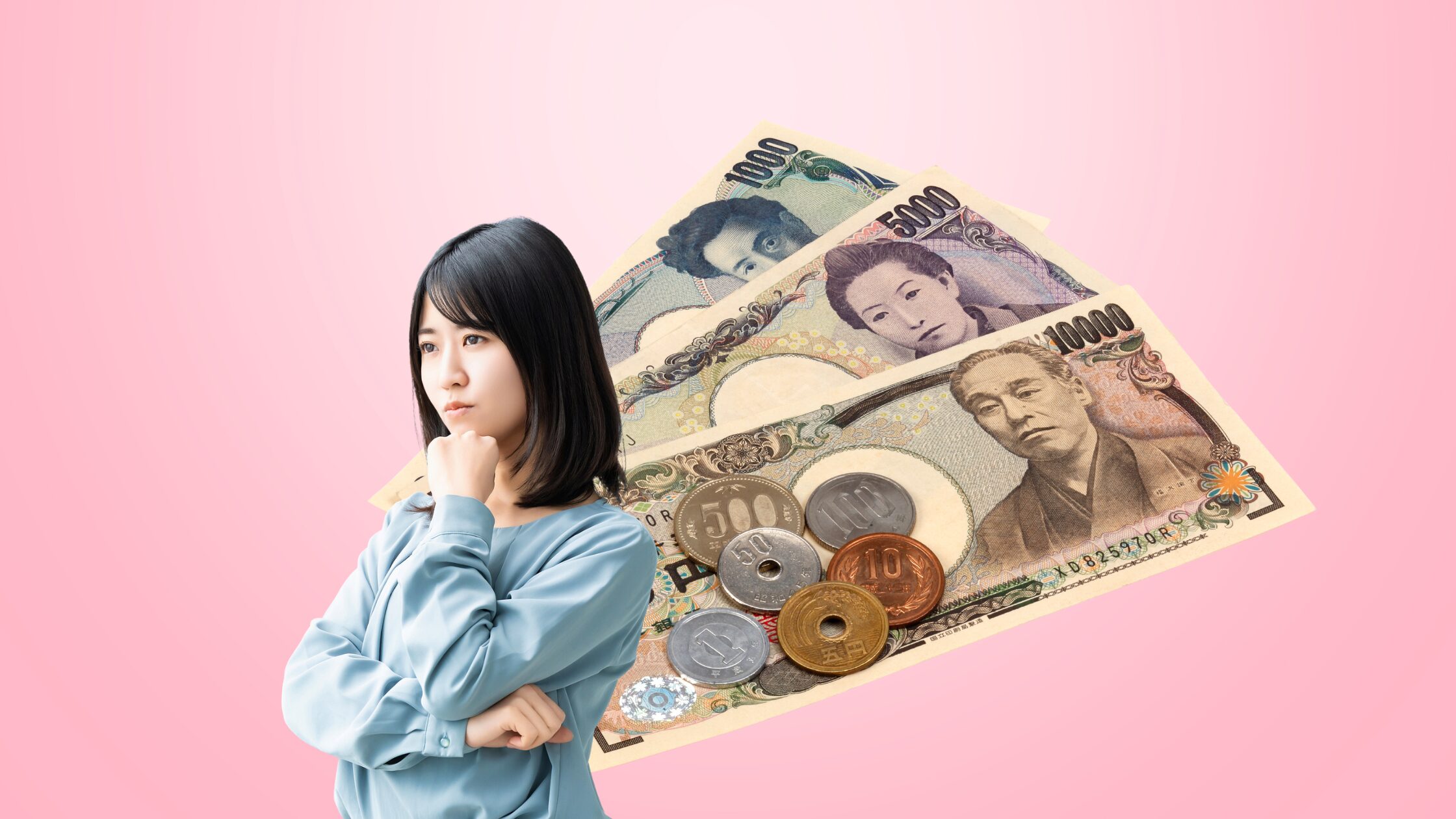
Beyond static price differences, "pinkflation" describes a dynamic trend. Analysis of retail data between 2000 and 2022 shows that women’s clothing prices have trended upward with significant volatility, whereas men’s prices have remained relatively flat. Economists suggest that brands often operate on the assumption that women are less price-sensitive regarding fashion, leading to higher margins on women’s lines.
Global Perspectives and the Search for Solutions
Japan is far from alone in this struggle. A landmark 2015 study in New York City revealed that, on average, women paid 7% more across various product categories. The reasons cited were multifarious: women’s products often contain more complex fragrances, packaging, and marketing materials. Because women tend to have a heightened sense of smell, manufacturers capitalize on this by creating more intricate, and thus more expensive, scent profiles for soaps, lotions, and deodorants.
Some nations are beginning to pivot toward solutions. Belgium, for instance, has experimented with gender-neutral pricing models for services, effectively forcing businesses to price based on the complexity of the task rather than the gender of the client.
In the United States, several states have moved to ban the pink tax in specific service sectors. However, in Japan, such legislative action remains a distant prospect. As of 2025, Japan ranked 118th out of 148 countries in the World Economic Forum’s Gender Gap Index—the lowest among the G7 nations. This ranking serves as a sobering backdrop to the current debate, suggesting that the pink tax is not an isolated retail anomaly, but a symptom of a broader societal lag in gender equity.
Implications: Is It Discrimination or Market Efficiency?
The central question remains: at what point does "market pricing" become "discrimination"?
Companies argue that they are simply responding to consumer behavior. If women’s clothing requires more R&D, more frequent trend cycles, and more complex manufacturing, the higher price is a reflection of that value. However, critics argue that these companies are complicit in reinforcing gender roles. By marketing products differently—and by extension, pricing them differently—they perpetuate the idea that women’s needs are inherently more "expensive" or "specialized."
The psychological impact of these cumulative costs is significant. A 2004 California study famously estimated that these small, everyday price differences could cost a woman up to $100,000 (approximately ¥10 million) over a lifetime. In an era where women are already fighting for pay equity, the realization that their cost of living is structurally higher adds an additional layer of economic strain.
The Path Forward
The discourse in Japan is still in its infancy. For many, the initial reaction to the MUJI controversy was to dismiss it as a minor, trivial complaint. Yet, the persistence of the discussion suggests that the public is ready to move beyond the status quo.
Moving forward, the debate will likely shift from merely pointing out the price gaps to demanding transparency. As consumers become more informed, brands may find that the "pink tax" is no longer a viable business strategy. If retailers continue to rely on antiquated gendered assumptions to set their pricing, they may find themselves on the wrong side of a shifting cultural tide.
Ultimately, the goal of this movement is not to create a world where men’s and women’s products are exactly the same, but to create a market where pricing is based on clear, objective value rather than gendered marketing. As Japan continues to grapple with its position on the global stage regarding gender equality, the "pink tax" serves as a critical, if small, piece of the puzzle—a reminder that equality is not just about the boardroom, but also about the price tag on a pair of linen pants.


 Neng Nana
 Asro
Asro