Siti Muinah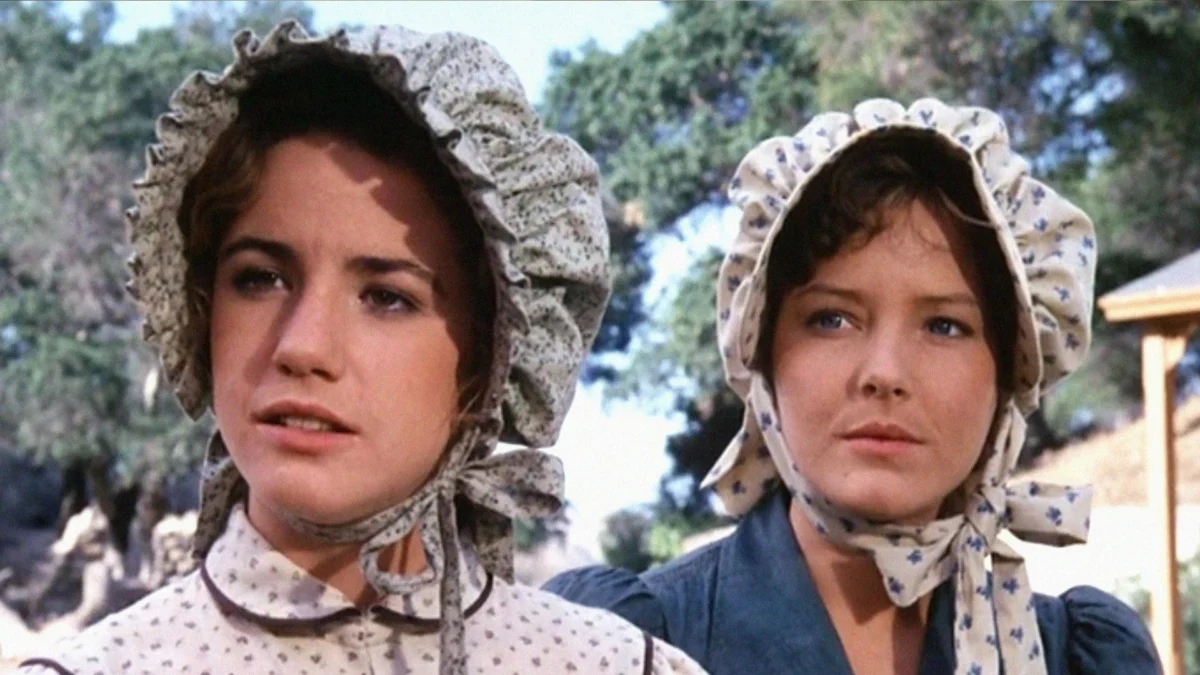
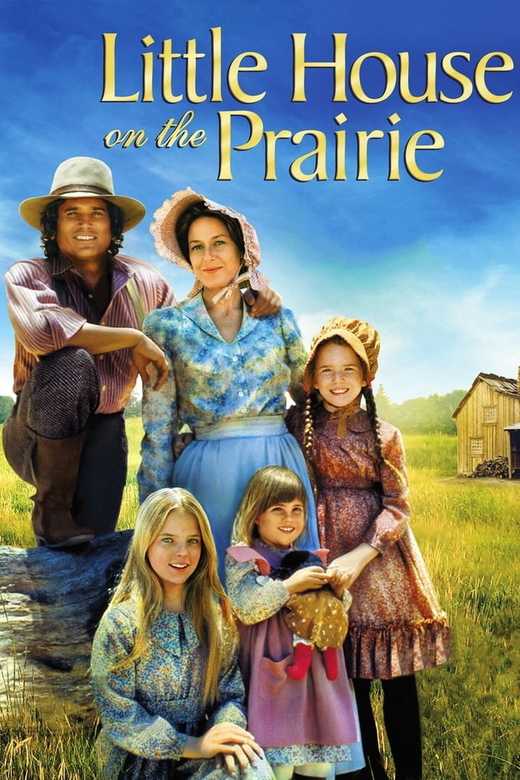
Fifty-two years after the Ingalls family first captured the hearts of television audiences, the frontier is being resettled. Netflix has officially confirmed the debut of its highly anticipated Little House on the Prairie reboot this July, a project that has already secured a preemptive renewal for a second season. As the Western genre experiences a modern-day renaissance, the return of this quintessential family drama is met with a complex cocktail of profound nostalgia and intense industry scrutiny. The task is gargantuan: to modernize a cultural touchstone that defined the television landscape of the 1970s and 80s while satisfying a multi-generational fanbase.
The Evolution of the Modern Western
The Western genre has undergone a significant metamorphosis since the days of Gunsmoke. While the mid-20th century relied heavily on the archetypal gunslinger—a lone hero policing the border between untamed wilderness and encroaching civilization—the modern landscape is far more nuanced. Today’s Westerns, such as the sprawling Yellowstone franchise, lean into the dynastic, the political, and the gritty realities of land management and generational trauma.
Despite this shift toward the "Neo-Western," there remains an undying hunger for the original spirit of the genre: the struggle for survival. From the enduring legacy of films like Butch Cassidy and the Sundance Kid to the critical acclaim surrounding Killers of the Flower Moon, audiences continue to gravitate toward the aesthetic and ethical dilemmas of the American frontier. Netflix’s decision to revive Little House on the Prairie signals that the streaming giant recognizes this appetite, aiming to bridge the gap between the wholesome, pioneer-focused storytelling of the past and the high-production values of today’s streaming era.
A Chronology of a Cultural Icon
To understand the weight of the upcoming reboot, one must look back at the original series’ unprecedented trajectory. Premiering in 1974, Little House on the Prairie was more than just a show; it was a weekly ritual.
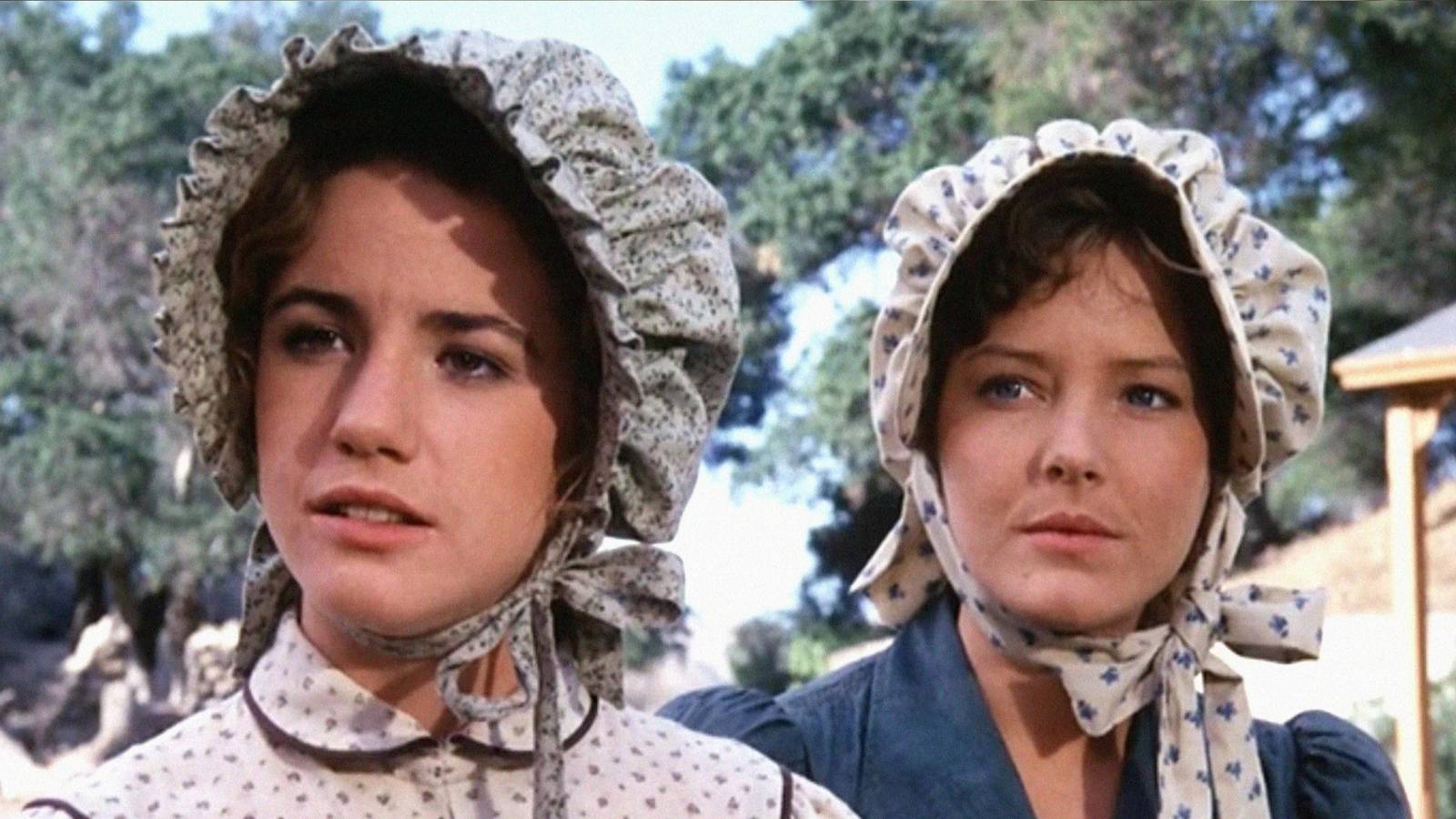
- 1974: The pilot movie and series premiere launch on NBC, immediately establishing a devoted following.
- 1974–1983: The show runs for nine successful seasons, consistently ranking in the Nielsen Top 20.
- 1982: The series concludes its run, followed by a series of three television movies that provide closure for the Ingalls family arc.
- 1980s–2020s: Syndication keeps the show alive across networks like Hallmark, ensuring that new generations are exposed to the adventures of Laura and Mary Ingalls.
- 2024: Nielsen data confirms the show remains a streaming powerhouse, ranking alongside Gunsmoke as one of the most-watched classic programs in the digital age.
- 2026: Netflix announces its ambitious reboot, complete with an early season two renewal, signaling a long-term commitment to the IP.
The longevity of the series is a testament to its production quality and the vision of the late Michael Landon. As both the lead actor playing Charles "Pa" Ingalls and the primary creative force—serving as executive producer, writer, and director—Landon imbued the series with a sense of moral gravity that allowed it to transcend the "family drama" label.
Supporting Data: Why the Reboot is a High-Stakes Gamble
The primary challenge for Netflix is that the original Little House was a statistical juggernaut. Achieving similar success is, by almost any metric, a daunting feat. During its original run, the series secured 17 Emmy nominations and four wins, alongside 19 Young Artist Award nominations.
The enduring appeal is perhaps best evidenced by its modern streaming performance. In an era saturated with high-octane thrillers and sci-fi epics, the quiet, deliberate pace of Little House on the Prairie consistently outperforms contemporary programs. The 2024 Nielsen reports cited by Deadline underscore a simple truth: audiences have a deep-seated emotional investment in the characters of Walnut Grove. When a property has been inducted into the Online Film and Television Association’s TV Hall of Fame, the audience’s protective instincts regarding the source material are at their peak. Netflix is essentially attempting to renovate a national monument; every architectural change is being watched by millions of "custodians."
Navigating the Dual Identity: Progressivism vs. Tradition
One of the most defining—and occasionally controversial—aspects of the original show was its delicate balancing act between traditional conservative values and surprisingly progressive social commentary.

While the show was a beacon for resilience, hard work, and the nuclear family, it did not shy away from the darker facets of the human experience. Throughout its nine-season run, the series tackled issues that were largely considered taboo for family television at the time, including:
- Substance Abuse: Realistic portrayals of addiction.
- Systemic Injustice: Addressing racism and gender inequality in the 19th-century American context.
- Tragedy: Dealing with the loss of children and the harshness of frontier survival.
Pa Ingalls’ famous monologue to Laura—encouraging her to stand up to bigots because silence is an endorsement of their views—remains one of the most cited moments in the show’s history. It served as a moral compass for a generation. The reboot faces the immense challenge of maintaining this "hopeful" tone while navigating modern sensibilities. If the new series leans too far into gritty revisionism, it risks alienating the core fanbase that cherishes the show’s optimistic spirit. If it remains too sanitized, it may fail to resonate with a modern audience that demands complexity and social awareness.
Official Responses and Creative Direction
While Netflix has remained tight-lipped regarding specific plot details, the industry buzz is centered on the production’s commitment to authenticity. The involvement of modern creative teams suggests an attempt to expand the world of Walnut Grove rather than simply replacing the original actors.
A notable development in the pre-release phase is the discussion surrounding potential spin-offs. Actor Jocko Sims has publicly floated a pitch centered on the character of Dr. George Tann, an approach that would allow the franchise to explore the frontier through different, often marginalized, perspectives. This strategy suggests that Netflix intends to use the Little House brand as a foundation for a larger "Prairie-verse," capable of holding multiple narratives simultaneously.
By diversifying the scope of the storytelling, the producers hope to mitigate the "impossible expectations" of directly competing with the legacy of Michael Landon’s performance. They are not merely recreating the past; they are building a new structure on the same bedrock.
Implications for the Future of the Genre
The success or failure of this reboot will have profound implications for how studios approach legacy properties. If Netflix manages to strike the right balance, it will prove that classic television can be successfully reimagined for a digital-first audience without losing its soul. Conversely, if the reboot falters, it may serve as a cautionary tale for studios looking to mine the past for content.
As we approach the July release, the anticipation is palpable. The industry is waiting to see if the "Prairie" can once again become the heart of American television. For the fans who grew up watching reruns on rainy afternoons, the reboot represents a chance to revisit a world that felt like home. For Netflix, it represents the ultimate test of brand management: honoring a legend while attempting to forge a new path in a landscape that has changed irrevocably since the Ingalls family first moved out West.
The legacy of Little House on the Prairie is set in stone, but the future is being written this summer. Whether it becomes the definitive Western of the 2020s or a reminder of the lightning-in-a-bottle magic of the 1970s, one thing is certain: the world will be watching.

 Layla Zulfa
 Sagoh
Sagoh