Nana Muazin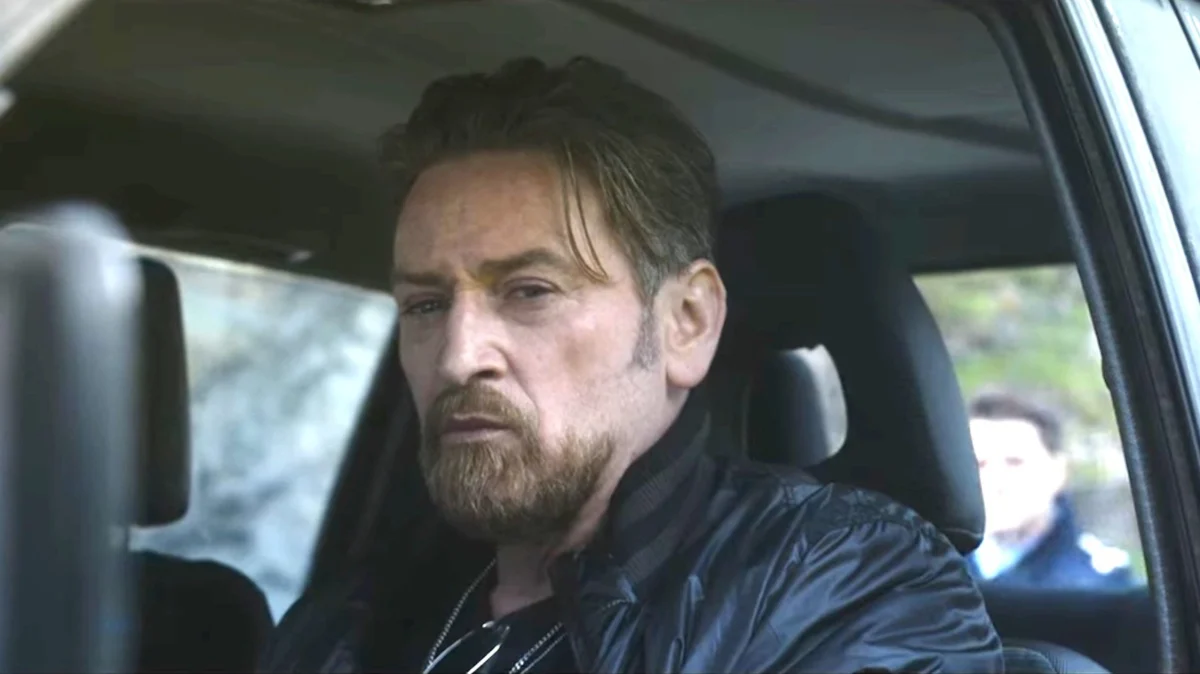
In the high-stakes world of streaming content, intellectual property is the bedrock of production. When that bedrock is called into question, the fallout can be catastrophic. Such was the case for the Apple TV+ miniseries The Hunt, which faced an eleventh-hour crisis in late 2025 that threatened to relegate the high-budget production to the "lost media" pile before it ever reached an audience.
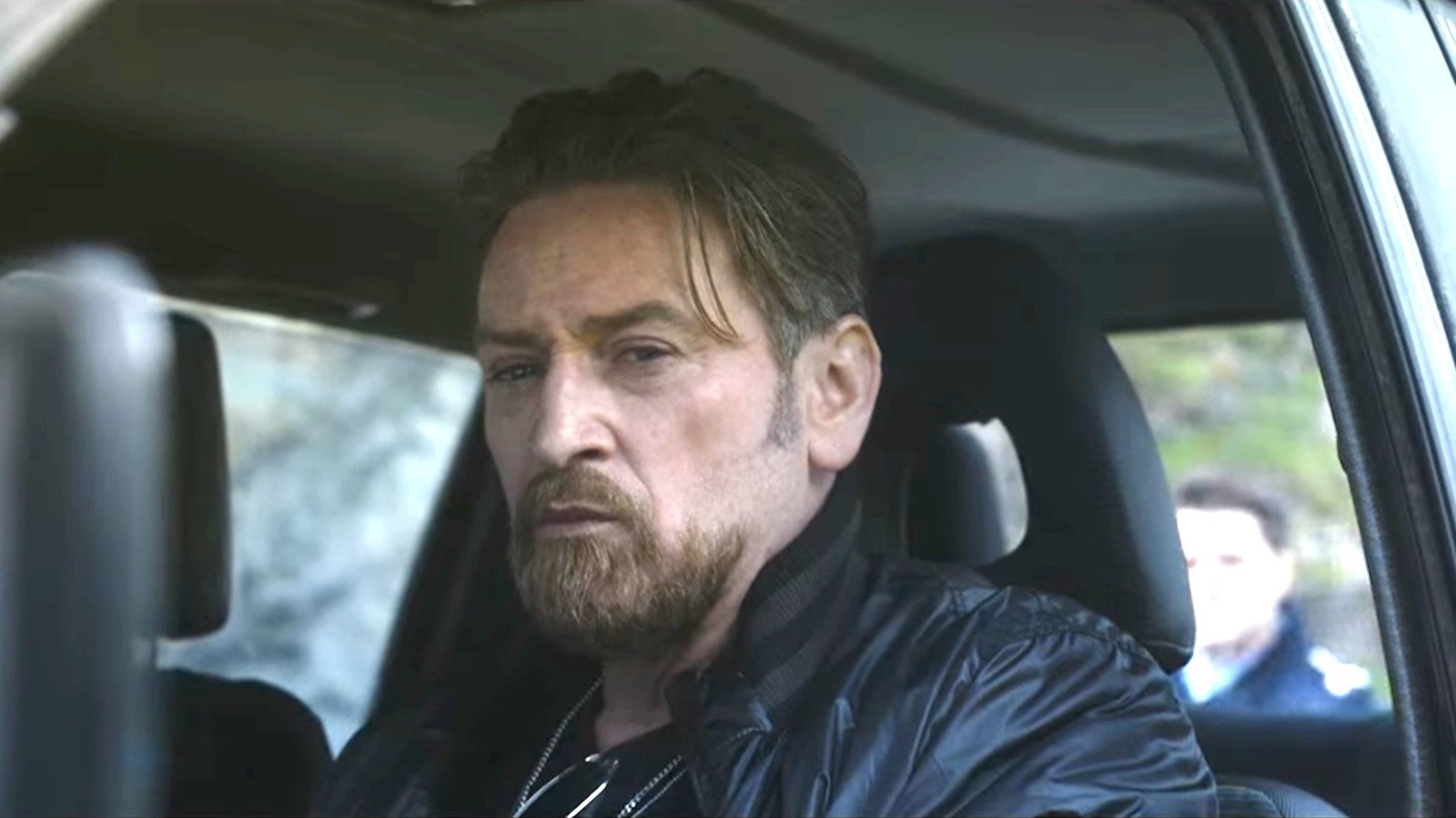
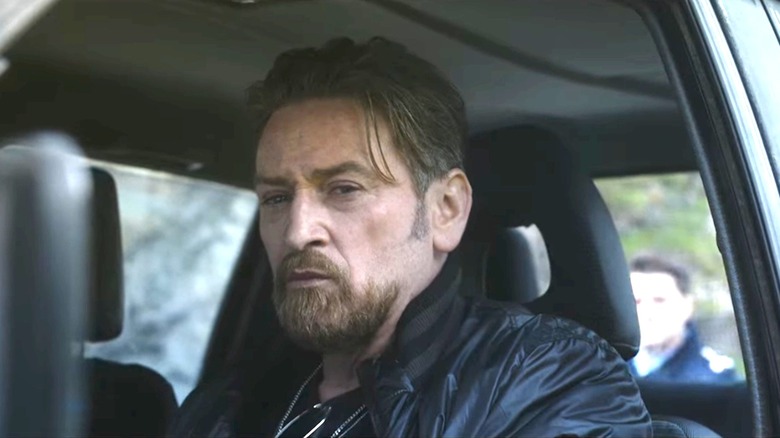
The controversy centers on accusations that the series—directed by Cédric Anger and starring Benoît Magimel—was an unauthorized adaptation of Douglas Fairbairn’s 1973 novel, Shoot. While the series eventually made its debut on March 4, 2026, the path to release was fraught with legal wrangling, industry embarrassment, and a cautionary tale about the importance of due diligence in creative development.
The Core Allegation: A Tale of Two Huntings
At the heart of the dispute is a fundamental question of creative derivation. The Hunt, as envisioned by Cédric Anger, follows a group of friends who venture into the wilderness for a weekend of hunting and performative masculinity. The narrative tension spikes when the group realizes they are being stalked by a rival faction of armed individuals. A violent confrontation ensues, resulting in the death of one of the outsiders. Upon returning to civilization, the protagonists are haunted by the prospect of vengeance, creating a psychological thriller that leans heavily into the "survivalist" subgenre.
However, a French journalist uncovered striking similarities between Anger’s screenplay and the 1973 novel Shoot. The book, which was adapted into a 1976 film directed by Harvey Hart and starring heavyweights like Ernest Borgnine and Cliff Robertson, features an almost identical setup. While there are narrative divergences—specifically regarding the protagonist’s response to the initial conflict—the structural DNA of the two works is hauntingly similar.
In Hart’s 1976 version, the protagonists choose to cover up the death and hunt down the remaining antagonists, turning the story into a proactive, bloody pursuit. Anger’s version, while distinct in its pacing and thematic focus, mirrored the foundational premise so closely that it triggered alarm bells within the production giant, Gaumont.
A Chronology of the Crisis
The timeline of the controversy serves as a stark reminder of how quickly modern media distribution can grind to a halt.
- Pre-Production (2024): Cédric Anger’s script for The Hunt is greenlit by Gaumont and Apple TV+, with production beginning in France.
- November 2025: With a release date slated for December 2025, a French investigative reporter publishes findings highlighting the striking parallels between the series and the out-of-print novel Shoot.
- Late November 2025: Apple TV and Gaumont officially announce a delay of the series. The release is pulled from the schedule indefinitely as legal teams scramble to assess the validity of the plagiarism claims.
- December 2025 – February 2026: Gaumont enters intense negotiations with the estate of Douglas Fairbairn to acquire the rights to Shoot, effectively "buying out" the potential litigation.
- March 4, 2026: The Hunt finally premieres on Apple TV+ after the legal issues are resolved.
The delay was not merely a PR inconvenience; it was a logistical nightmare for a global streaming service with a pre-set marketing calendar. The fact that a project of this magnitude could reach the precipice of a global release without the production team identifying a known, albeit obscure, literary work speaks to a significant breakdown in the research and development phase of television production.
Historical Context: Plagiarism as an Industry Staple
Plagiarism in film is as old as the medium itself. The article’s author notes the infamous case of Sergio Leone, who famously adapted Akira Kurosawa’s Yojimbo into A Fistful of Dollars without obtaining the rights. Kurosawa, who himself drew inspiration from Dashiell Hammett’s Red Harvest, was initially incensed, famously writing to Leone: "Signor Leone, I have had the pleasure of watching your film. It is a very fine film, but it is my film."
The resulting legal battle between Toho (Kurosawa’s production company) and Leone’s producers led to a settlement that secured a percentage of the profits and distribution rights in key territories for Kurosawa. It is a cautionary tale that has echoed through the decades. While modern copyright law is far more robust, the The Hunt incident proves that the "originality" of a script is often subject to the depth of the producer’s library research.
The irony, of course, is that Shoot itself is a largely forgotten entity. Out of print and unavailable on modern digital platforms, the book had slipped into a cultural vacuum. Yet, in the age of the internet, no piece of work is truly "lost." The ease with which the journalist connected the dots proves that studios can no longer rely on the obscurity of source material to shield them from accountability.
Official Responses and Corporate Responsibility
When the plagiarism claims surfaced, Gaumont’s response was swift and arguably essential to preserving their reputation. In a formal statement released during the height of the crisis, the production house stated:
"As soon as this information came to its attention, Gaumont, the series’ producer, immediately took the necessary steps to identify the rights holders, and obtain the required authorizations. Respect for works and authors’ rights is a fundamental principle for Gaumont, which can only be exercised with the trust and transparency of creative artists."
This corporate messaging serves two purposes. First, it acknowledges the error without necessarily assigning blame to the individual creator, Cédric Anger. Second, it reaffirms the company’s commitment to intellectual property law, which is vital for maintaining relationships with writers and estates. By settling with the rights holders, Gaumont essentially turned a legal liability into a licensed adaptation, albeit one that cost them significantly more than it would have had they secured the rights at the inception of the project.
Implications: The High Cost of Oversight
The case of The Hunt carries profound implications for the streaming era. As platforms like Apple TV+ pump out content at an unprecedented rate, the pressure on writers to produce "original" high-concept thrillers is immense. This pressure can lead to "cryptomnesia"—where a writer may subconsciously borrow ideas they have encountered in the past—or, in more egregious cases, outright lifting of obscure plots.
The Financial Burden
The financial toll of this oversight is twofold: the cost of the delay and the cost of the retroactive licensing fee. Negotiating rights under duress is rarely cheap. Had the legal team vetted the premise of The Hunt against existing literary databases during the pre-production phase, the settlement would have been a fraction of the cost of halting a global marketing campaign.
The Quality Question
Critics have noted that the final product, now available for streaming, suffers from a bloated runtime. Clocking in at six hours, The Hunt has been described as a thin story stretched to its breaking point. This raises a pertinent question: Did the focus on the thriller’s structure—and the subsequent legal scramble to justify that structure—distract from the creative refinement of the show? If the story had been adapted from the start, could it have been a more concise, punchy, and ultimately better series?
The "Deliverance" Effect
It is worth noting that the premise—a group of men facing a threat in the wilderness—is a well-trodden path. From Deliverance to the source material of Shoot, there is a specific hunger for this brand of visceral, survivalist cinema. However, as the industry continues to iterate on these themes, the risk of "accidental" plagiarism increases. Studios will likely need to implement more rigorous "clearance" procedures for scripts, treating them with the same level of scrutiny usually reserved for documentaries or biopics.
Conclusion: A Lesson for the Future
The release of The Hunt in March 2026 was a victory for legal pragmatism, but it remains a smudge on the project’s creative record. It serves as a stark reminder that in the creative arts, the past is never truly buried. Whether a work is a best-seller or a long-out-of-print curiosity, it remains protected by the principles of copyright.
For Apple TV+ and Gaumont, the incident was an expensive lesson in due diligence. For the rest of the industry, it is a wake-up call. In an era where information is instantly accessible, the "wild accusation" that almost killed The Hunt is likely to become a recurring theme unless studios prioritize the historical integrity of their stories as much as their special effects budgets.
Moving forward, one hopes that if The Hunt sees a second season or if similar "survivalist" projects are commissioned, the production houses will be more proactive. After all, the cost of a copyright clearance is a rounding error compared to the cost of a stalled production and the public relations headache that follows a claim of plagiarism. As the old adage goes, if you are going to be inspired by a story, it is always best to ensure you have the paper trail to prove it.

 Siti Muinah
 Dwi Wanna