

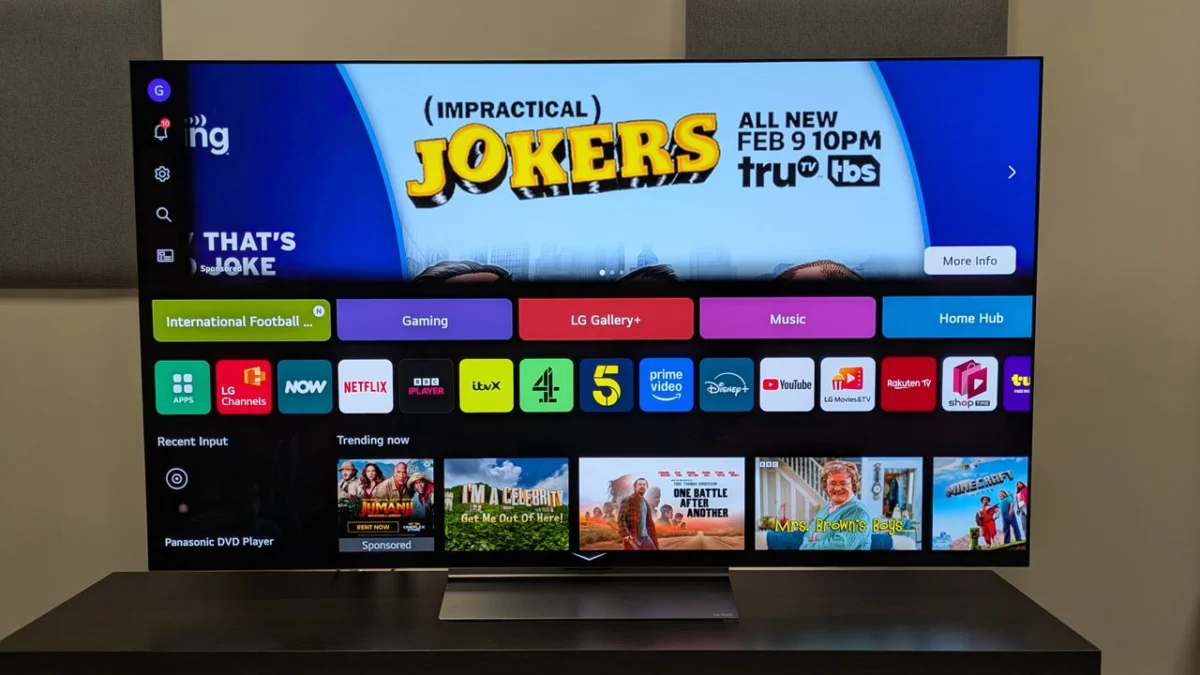
In an era where the "Internet of Things" (IoT) has firmly embedded itself into the living rooms and home offices of millions, the line between helpful innovation and invasive surveillance is becoming increasingly blurred. Recent revelations regarding LG Electronics have brought this tension to a boiling point, as users discover that their smart TVs and monitors may be encroaching on their privacy in ways that were previously unthinkable.
From aggressive software installation on desktop PCs to alarming new legal mandates buried within television terms of service, LG is currently facing a firestorm of criticism. As the industry pushes toward AI-driven integration, consumers are beginning to ask a fundamental question: How much autonomy are we sacrificing for the convenience of a "smarter" device?
The Core Controversy: Wiretapping and User Responsibility
The most immediate concern stems from a specific clause within LG’s updated Terms of Service. Part 6(d), titled "Voice Recognition and Privacy Compliance," has sent shockwaves through the tech community. The language is stark and, for many, deeply unsettling.
The clause stipulates that it is the user’s explicit responsibility "to obtain all necessary consents from any third parties whose voices may be captured by the Product and to notify household members and guests that their voices may be captured and processed, in compliance with applicable wiretapping, eavesdropping, and privacy laws."
On its surface, this appears to be a legal safeguard—a classic example of "corporate ass-covering" designed to shield LG from liability should a device inadvertently record a private conversation. However, the legal weight of the burden is shifted entirely onto the consumer. In a modern household, where guests, children, and delivery workers pass through the living room, obtaining formal consent for voice processing is, for all intents and purposes, an impossible task.
The Legal Implications
By framing the issue this way, LG is essentially distancing itself from the potential legal ramifications of ambient recording. If a voice assistant on an LG TV captures sensitive information or records a private discussion without the speaker’s knowledge, the legal finger points not to the manufacturer, but to the homeowner. This raises significant questions regarding the definition of "informed consent" in the age of ambient computing.
A Double Front: The PC Monitor Bloatware Scandal
While the television terms of service have drawn the ire of privacy advocates, LG’s behavior regarding its PC monitors has sparked a different, but equally heated, reaction. As documented by the tech analysis outlet Gamers Nexus, LG has been accused of deploying "adware-like" software tactics on Windows-based PCs.
The Chronology of the Discovery
The issue came to light when users noticed that connecting certain LG monitors to their computers triggered the automatic installation of the "LG Monitor App Installer." While manufacturers often provide utility software for hardware calibration, this specific installer allegedly went further than expected.
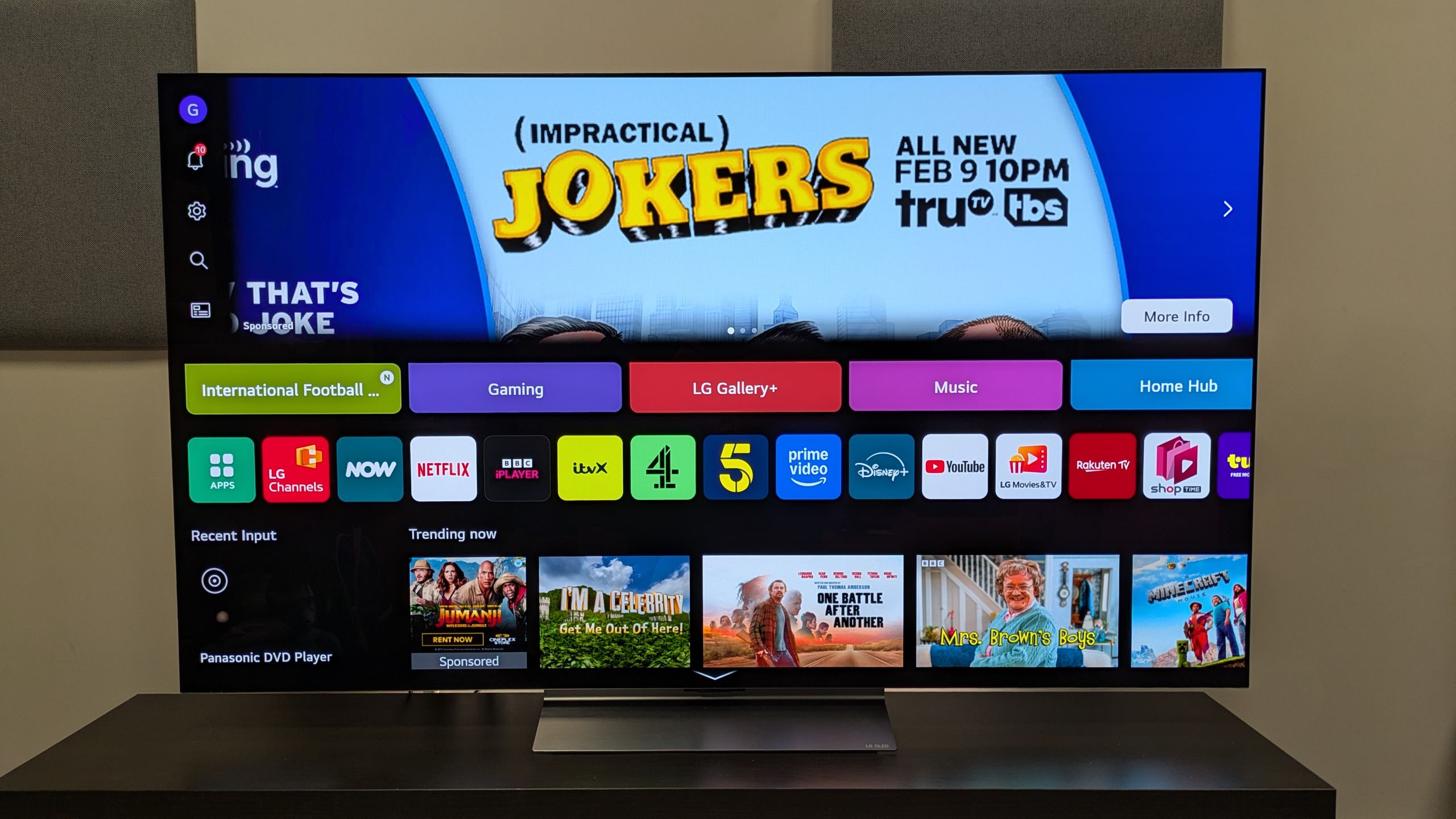
According to reports, the installer pushes the "McAfee Scam Detector" onto systems without explicit, clear user permission. Furthermore, the primary LG application itself requires deep-level system access, granting it the potential to monitor online activity, hardware configurations, geolocation data, and login credentials.
Why This Matters
For power users and privacy-conscious individuals, the presence of forced bloatware is a major red flag. McAfee, while a long-standing name in security, has frequently been criticized for its aggressive bundling tactics and resource-heavy footprint. When a hardware company acts as a Trojan horse for third-party software, it breaks the implicit trust between the manufacturer and the consumer. The lack of transparency in the installation process—where the software is essentially "sideloaded" under the guise of driver updates—has led to widespread accusations of unethical business practices.
Analyzing the "Smart" Ecosystem: Is There a Way Out?
For users concerned about the implications of LG’s latest policies, the path forward is fraught with compromises. There are three primary ways to mitigate the privacy risks, yet each comes with a significant trade-off.
1. The "Analog" Approach
The most foolproof method to prevent voice capture is to disable all microphone-based features on LG smart TVs. While this effectively silences the "eavesdropping" potential of the hardware, it renders the advanced voice-control features—often marketed as a primary selling point—useless. Users who struggle with the complex, nested menus of modern smart TVs often rely on these voice prompts to navigate settings; removing them diminishes the very "smart" utility of the product.
2. The Software Standoff
Users can choose to avoid installing the latest firmware updates. However, this is a dangerous game. In the current cybersecurity climate, firmware updates are critical for patching vulnerabilities that could allow hackers to gain remote access to home networks. By refusing to update, users protect their privacy from the manufacturer, but potentially expose their entire home network to external malicious actors.
3. Disconnecting from the Grid
The final option is to strip the device of its internet connection entirely. While this prevents the transmission of data back to LG’s servers, it effectively turns a high-end smart TV into a "dumb" monitor. For a consumer who has paid a premium price for smart features, this is a pyrrhic victory—privacy is maintained, but the value of the investment is destroyed.
Corporate Ambition vs. Consumer Rights
The underlying tension here is the industry-wide push to train AI models on massive, diverse datasets. As AI platforms become more sophisticated, the demand for human voice data has skyrocketed.
While LG’s terms of service may be intended to protect the company from lawsuits, the breadth of the language suggests that the company is preparing for a future where voice data is a standard input for AI processing. If the device is capturing voices, it is only a small logical leap to assume that those voices could be used to improve speech recognition algorithms, sentiment analysis, or targeted advertising profiles.
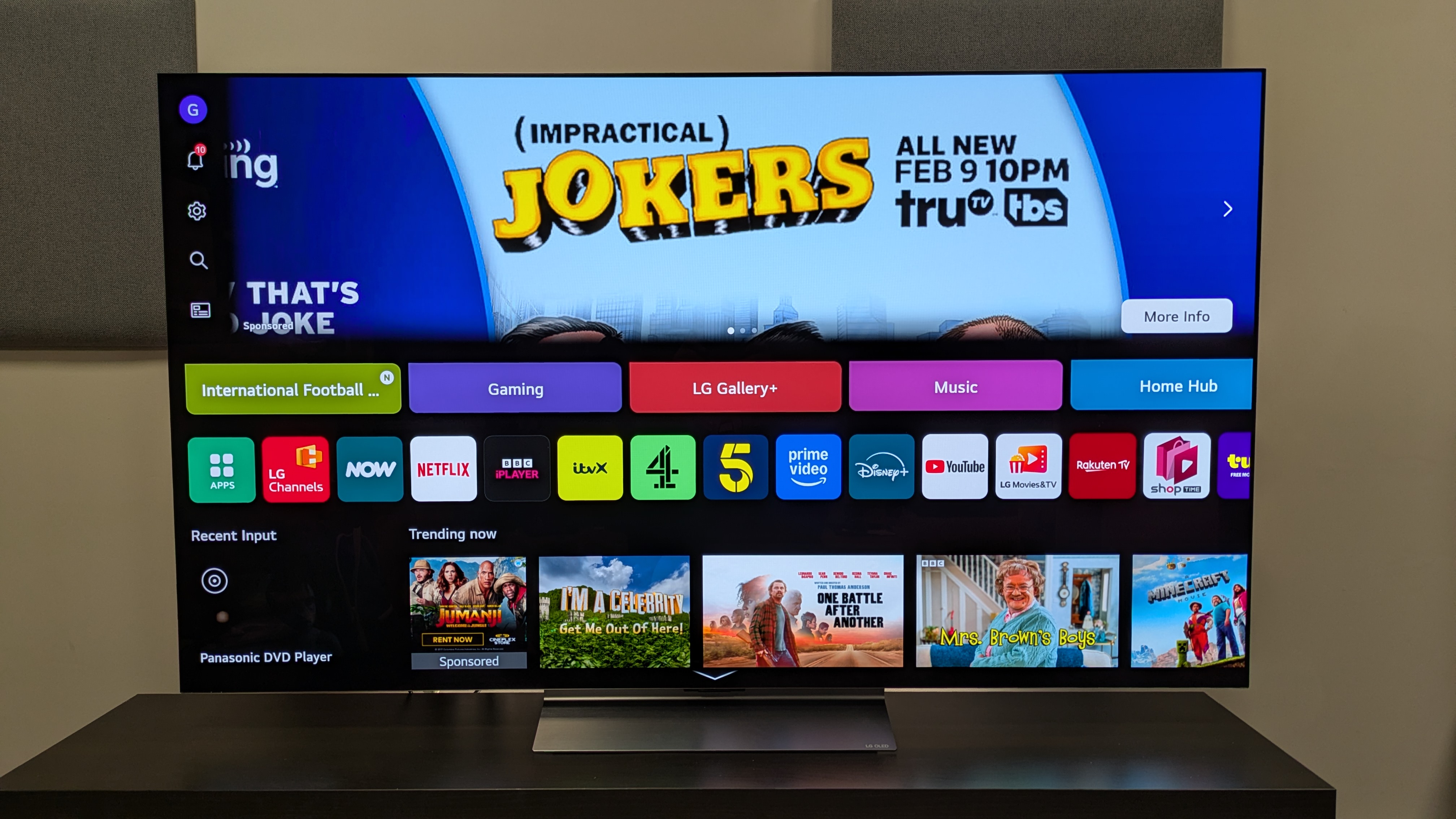
In the context of the recent "bloatware" scandal, these policies feel less like administrative legal jargon and more like a systematic effort to harvest data and promote third-party services. The tech industry has a long, documented history of "testing the waters"—introducing invasive features and only retreating when the public outcry becomes deafening.
The Public Response
The reaction from the tech community has been swift and unforgiving. Reddit threads and YouTube comment sections are filled with users expressing feelings of betrayal. The sentiment is clear: consumers are tired of being treated as products rather than customers.
When tech giants treat their users with this level of disregard, it inevitably leads to a decline in brand loyalty. The rise of "de-googled" operating systems and the popularity of privacy-focused hardware suggest that a segment of the market is actively seeking alternatives to the "big tech" status quo. LG’s current strategy, which prioritizes corporate convenience and data access, seems to be moving in the opposite direction of this trend.
A Call for Transparency and Accountability
As of this writing, LG has not provided a comprehensive explanation that satisfies the growing number of critics. While the company may argue that these terms are standard industry practice—and in many ways, they are—that does not make them right.
Transparency is the bedrock of consumer trust. If LG intends to continue with these practices, they must:
- Provide granular consent: Users should be able to opt-in or out of data collection without losing access to core hardware functionality.
- Decouple software: Hardware drivers should remain separate from promotional software or security "bloatware."
- Simplify legalese: Terms of service should be written in plain language that a reasonable consumer can understand, rather than burying invasive policies in dense, multi-page legal documents.
Conclusion
The situation with LG serves as a sobering reminder of the "privacy tax" we pay for modern technology. We are currently living in a cycle where hardware is increasingly capable, but our rights as owners of that hardware are increasingly curtailed.
Whether these policies are the result of malicious intent or simply a clumsy attempt at legal protection, the result is the same: the consumer loses. As we move further into the age of AI and hyper-connected devices, the burden of advocacy remains on the user. We must demand more from the companies that occupy our homes. Until manufacturers start viewing privacy as a core product feature rather than a hurdle to be jumped, consumers should remain vigilant—and perhaps a little skeptical—of any device that asks for "full access" to their lives.
We will continue to monitor the situation as LG responds to the inquiries of users and regulators, and we will update this report as more information becomes available. In the meantime, users are encouraged to audit their own devices, check their privacy settings, and stay informed about the digital footprint of their household tech.











