The landscape of personal technology is on the precipice of a significant shift. For years, the dream of "smart eyewear"—devices that seamlessly blend digital information with the physical world—has been relegated to niche enterprise use or criticized for its lack of aesthetic appeal. However, a new consortium led by Google and anchored by high-fashion powerhouses like Gentle Monster and Warby Parker is attempting to rewrite the narrative.
Gentle Monster has officially confirmed that its highly anticipated "Intelligent Eyewear" will be available for pre-order on November 12, with a full commercial launch slated for December. This announcement follows a flurry of industry leaks and signals a coordinated effort by Google to establish a dominant foothold in the burgeoning Android XR (Extended Reality) ecosystem. By marrying cutting-edge AI-driven hardware with the trend-setting design language of luxury fashion brands, Google is attempting to succeed where previous iterations of wearable tech—most notably the original Google Glass—failed.
The Chronology of a High-Stakes Rollout
The path to this launch has been marked by strategic silence punctuated by accidental reveals. The timeline of this project underscores the sensitivity of Google’s pivot into hardware-fashion collaborations.
- The Conceptual Foundation: Following the well-documented struggles of the early Google Glass era, Google spent years iterating on its XR platform. The goal was to move away from bulky, intrusive headsets toward devices that look, feel, and function like everyday eyewear.
- The Partnership Strategy: Throughout 2025 and 2026, Google solidified its partnerships with industry leaders. By enlisting Samsung for high-end mixed reality hardware and tapping Warby Parker and Gentle Monster for the lifestyle-focused, audio-first segment of the market, Google established a tiered strategy for Android XR.
- The Accidental Leak: The momentum hit a boiling point in early November 2026, when Warby Parker inadvertently signaled a mid-November pre-order date on their digital platforms. This accidental "spilling of the beans" prompted industry observers to look toward other partners for confirmation.
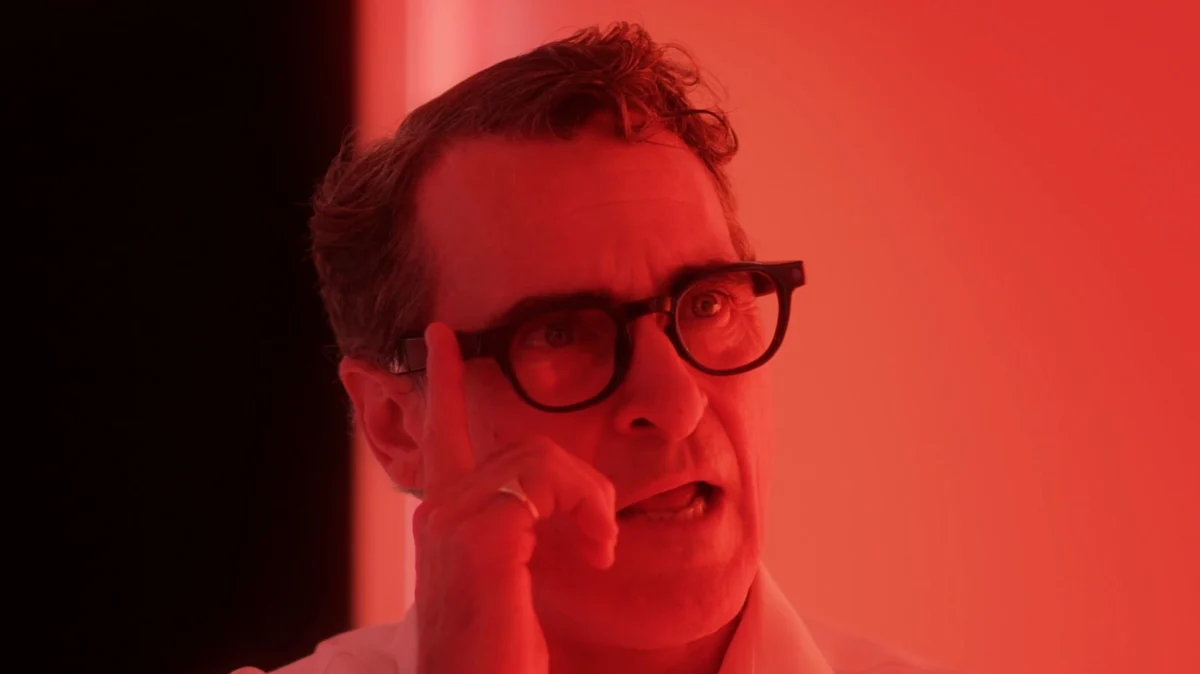
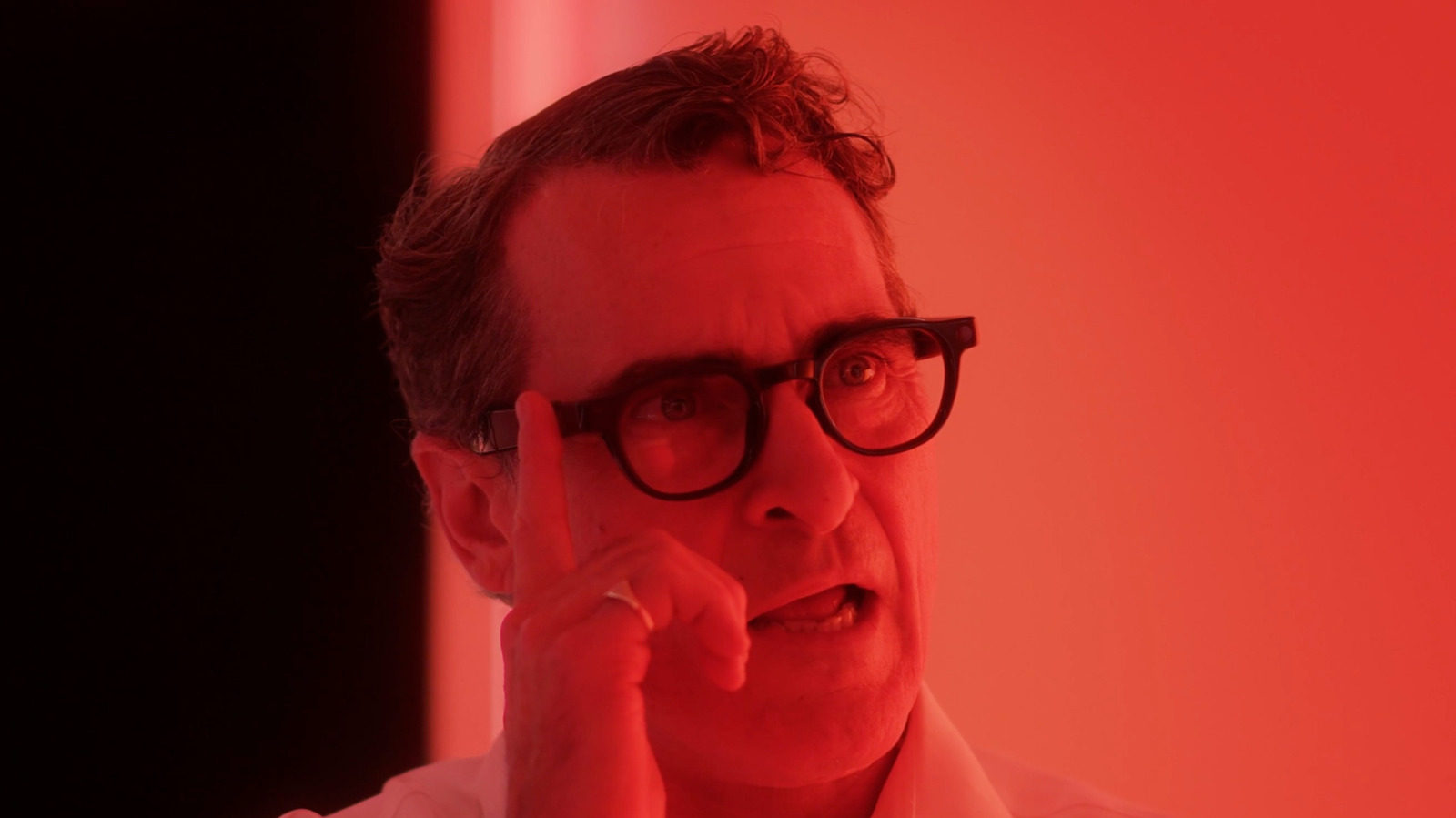
- Official Confirmation: On November 6, 2026, Gentle Monster broke its silence, confirming the November 12 pre-order date via social media. This was accompanied by a high-profile marketing push featuring Joaquin Phoenix, effectively tying the tech product to the world of prestige cinema.
Strategic Vision: The Marriage of Tech and Trend
At the heart of this initiative is the "Intelligent Eyewear" designation. Unlike the Samsung Galaxy XR, which serves as a more traditional mixed-reality headset, the collaboration with Gentle Monster and Warby Parker focuses on a "display-free, audio-first" experience.
Why Audio-First?
Industry analysts suggest that the "audio-first" approach is a calculated move to avoid the privacy and social hurdles that hampered previous smart glasses. By focusing on Gemini-powered voice interaction, spatial audio, and discreet notifications rather than projected visuals, these glasses aim to be a constant, unobtrusive companion. Users can interact with the world around them while maintaining a tether to the digital assistant, effectively creating an "AI-in-the-ear" experience that feels more like a fashion accessory than a piece of silicon.
The Role of Aesthetic Design
Gentle Monster has built its reputation on avant-garde, structural eyewear designs that have become staples of global street fashion. By allowing a brand with such a distinct visual identity to lead the hardware design, Google is betting that consumers will be more inclined to adopt smart technology if the device enhances their personal style rather than detracting from it. This is a direct challenge to the Meta Ray-Ban collaboration, which has successfully utilized the "cool factor" to drive mass adoption of smart glasses.
Cinematic Marketing and the "Her" Connection
One of the most compelling aspects of the Gentle Monster launch is its marketing campaign. The brand has commissioned a short film directed by Jonathan Glazer, the visionary filmmaker behind The Zone of Interest and Under the Skin.
The inclusion of Joaquin Phoenix—who famously starred in Spike Jonze’s Her, a film that explored the existential implications of falling in love with an AI—is clearly intentional. The teaser suggests a moody, dreamlike exploration of the boundary between human perception and digital augmentation. By aligning its brand with the high-art sensibilities of Glazer and the cultural gravitas of Phoenix, Gentle Monster is signaling that this isn’t just a gadget launch; it’s an invitation to a new way of living. The full film, dropping in mid-November, is expected to frame the Intelligent Eyewear not as a tool for efficiency, but as a lens through which to experience a more curated, intelligent reality.
Supporting Data: The Android XR Ecosystem
Google’s Android XR is designed to be the foundational operating system for a new generation of devices. While the Gentle Monster and Warby Parker glasses focus on audio and voice-based AI, the platform is modular and scalable.
- Gemini Integration: The primary driver for these devices is Google’s Gemini AI. The ability for the glasses to interpret environmental cues, provide real-time translation, and manage day-to-day tasks via natural language processing is the core value proposition.
- Hardware Diversification: The ecosystem spans from the Xreal Aura—which offers a more robust augmented reality display—to the upcoming Samsung Galaxy XR, which will compete directly with high-end mixed reality devices like the Apple Vision Pro.
- The Competitive Landscape: The market for smart glasses is becoming increasingly crowded. With Meta continuing to iterate on its Ray-Ban line and rumors of Apple’s long-term interest in smart spectacles, Google’s strategy of leveraging "brand partners" rather than building a single, monolithic "Google Glass 2.0" appears to be a defensive measure to ensure the platform is ubiquitous across different consumer demographics.
Official Responses and Industry Implications
While Google has remained characteristically tight-lipped about specific launch dates for its own internal hardware, the enthusiasm from its partners is palpable. The consensus among those close to the project is that the "Intelligent Eyewear" project represents a "second chance" for the tech giant to dominate the wearable space.
The Privacy Conundrum
Industry experts remain divided on whether consumers are truly ready for cameras and microphones to be permanently integrated into fashion eyewear. While the audio-first focus mitigates some concerns, the integration of Gemini necessitates a level of data processing that will inevitably draw scrutiny from privacy advocates. Google has signaled that its approach to privacy will be "privacy-by-design," emphasizing on-device processing where possible, though the full technical specifications remain to be seen.
Market Expectations
Retail analysts are watching the November 12 pre-order window closely. If the Gentle Monster collaboration sees high sell-through rates, it will validate the strategy of using luxury partners to "normalize" wearable tech. If it falters, it may indicate that even the most stylish frames cannot overcome the fundamental consumer skepticism toward head-worn computing.
Conclusion: A New Frontier
As we approach the December launch, the collaboration between Gentle Monster and Google stands as a bellwether for the future of the technology industry. We are witnessing a transition from the era of "smartphones in our pockets" to "intelligence in our environment."
Whether these glasses will achieve the ubiquity of the smartphone remains an open question. However, by prioritizing design, utilizing the massive, untapped potential of the Gemini AI, and partnering with brands that command cultural influence, Google has set the stage for one of the most significant product launches of the decade. The upcoming short film by Jonathan Glazer will likely serve as the philosophical manifesto for this movement: that the future of technology is not about screens and data, but about enhancing the human experience in ways that feel both natural and profoundly, if somewhat hauntingly, new.
For now, the world waits for November 12. As the digital and physical worlds continue their slow, inevitable collision, consumers and competitors alike are left to wonder: are we ready to see the world through the lens of a machine? If Gentle Monster has its way, the answer will be a stylish, and highly intelligent, "yes."