Rifan Muazin
In an era defined by hyper-connectivity, Japan is quietly pioneering a "proxy economy"—a suite of services where individuals hire others to perform life’s most delicate, difficult, or socially sensitive tasks. From renting a surrogate friend for an afternoon to commissioning a professional to deliver an apology, these businesses are far more than mere curiosities. They represent a pragmatic, uniquely Japanese response to profound social shifts, including an aging population, the erosion of traditional community ties, and a rigid societal emphasis on harmony and etiquette.
While international observers often view these services as unconventional, they are deeply rooted in the structural realities of contemporary Japanese life. To understand why someone would pay to have their grave visited or their resignation delivered, one must look at the intersection of cultural expectations and the isolation inherent in modern urban existence.
The Genesis of the Proxy Industry
The emergence of the proxy industry did not happen overnight. Its origins are found in the transition from the post-war era—where tight-knit family units and corporate paternalism provided a safety net for every citizen—to the current era of nuclear families and individualistic, globalized employment.
A Chronology of Change
- The 1980s and 90s: The "Bubble Era" and its subsequent collapse began to fracture the traditional lifetime employment model. As job security wavered, the "salaryman" culture—which once provided a sense of belonging—began to feel more like a cage.
- The 2000s: The rise of the internet and the proliferation of single-person households in cities like Tokyo and Osaka accelerated the decline of neighborhood-level support systems.
- The 2010s to Present: The normalization of the "gig economy" provided the logistical infrastructure (apps and platforms) necessary to turn personal favors into professional services. As social stigma around "paying for connection" faded, niche services like Ossan Rental transitioned from internet memes to legitimate business models.
Five Pillars of the Japanese Proxy Market
1. Ossan Rental: The Art of the Listening Ear
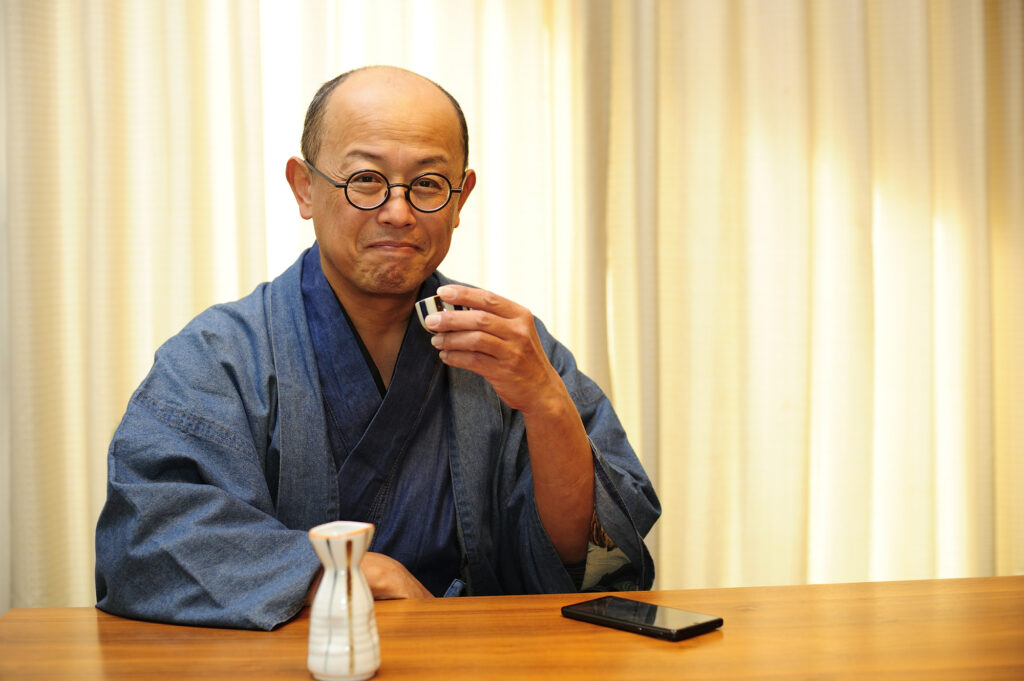
Ossan Rental allows users to hire a middle-aged man (an ossan) for an hourly fee. Far from a dating service, these men act as neutral, non-judgmental sounding boards.
Supporting Data: With the number of single-person households in Japan projected to exceed 40% of all households by 2040, the need for companionship has reached a critical juncture. The service fills a void for those who feel that family or friends may be too emotionally involved or judgmental to provide objective advice. Whether it is a younger professional seeking career mentorship or an elderly individual simply wanting someone to share a cup of tea with, Ossan Rental provides a human connection stripped of the pressure of long-term commitment.

2. Wedding and Family Proxies: Maintaining "Face"
In Japan, the honne (true feelings) and tatemae (public facade) dynamic dictates much of social interaction. During high-stakes events like weddings, the absence of a large circle of friends or a complete family unit can be viewed as a social failure.
Professional actors are now routinely hired to populate guest lists. They blend in seamlessly, offering toasts, mingling with real guests, and ensuring that the bride and groom appear to have the robust social standing expected by society. This service is not merely about deception; it is about the "right to comfort." For those estranged from their families or those who have moved away from their hometowns, these proxies ensure that a milestone event is not marred by the stigma of being "alone."
3. The Resignation Proxy: Breaking the Hierarchy
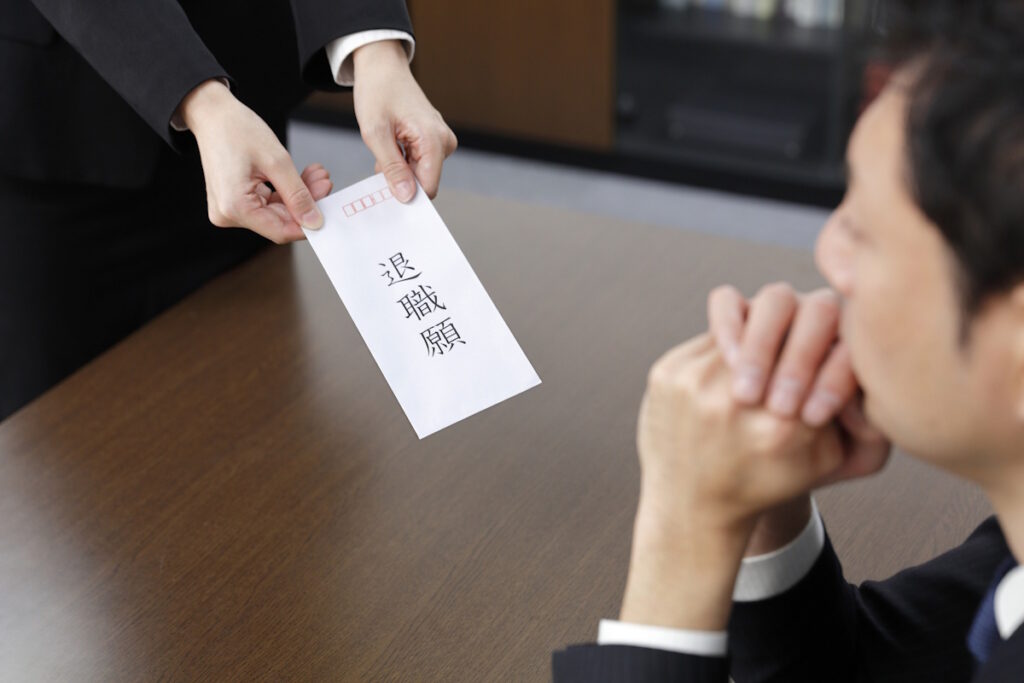
The Taishoku Daiko (resignation proxy) is perhaps the most significant indicator of the changing Japanese workplace. In a culture where loyalty to one’s company is historically paramount, quitting can feel like an act of betrayal.
Implications: When an employee attempts to resign, they often face "guilt-tripping" from supervisors or threats of legal repercussions, even when none exist. Resignation proxies act as a legal and emotional shield. They deliver the resignation notice, handle the final paperwork, and communicate with the employer so the worker never has to face the confrontation. It is a direct response to the "power harassment" (pawa-hara) that has plagued Japanese corporate culture for decades.
4. Apology Services: The Buffer for Conflict
Shazaiya (apology agents) specialize in delivering difficult messages. In Japan, an apology is not just an expression of regret; it is a vital tool for restoring the wa (social harmony).
However, direct confrontation can trigger extreme anxiety. By hiring a professional to deliver an apology, the client ensures that the act is performed with the correct level of deference and vocabulary. The agent acts as a heat-sink, absorbing the initial anger of the aggrieved party and preventing the conflict from escalating into legal or physical confrontation.
5. Grave-Visiting Proxies: Honor in an Age of Migration
As the Japanese population ages, the burden of maintaining ancestral graves (haka-mairi) has become physically and logistically impossible for many. With the youth moving to cities and the elderly remaining in rural areas, the tradition of tending to the resting places of ancestors is at risk of dying out.
Grave-visiting services provide cleaning, weed removal, and incense offerings, often sending photos to the families to prove the duty has been fulfilled. This service serves as a bridge between the duty to one’s ancestors and the reality of a transient, urbanized life.
Official Responses and Societal Implications
The Japanese government has taken a cautious interest in these services. While there is no specific legislation regulating "proxying," the growth of these industries has forced a conversation about the nature of labor and the definition of a "service."
Labor Law Context: The Resignation Proxy services, in particular, have been under scrutiny by the Ministry of Health, Labour and Welfare. While these companies are technically intermediaries, they are not law firms; therefore, they are strictly prohibited from negotiating severance or working conditions. As long as they stay within the boundaries of delivering notice, they remain a legal, if controversial, part of the job market.
Societal Health: Mental health professionals in Japan have offered mixed reviews. While some argue that these services offer a "crutch" that discourages people from building real, long-term relationships, others suggest they act as a "pressure valve." By providing a safe way to exit a toxic job or to experience a social event without judgment, these services may actually be preventing more severe cases of social withdrawal, such as hikikomori (severe social isolation).
The Future of Proxy Services
The "Proxy Economy" is a mirror reflecting the evolution of Japanese values. The country is moving away from the rigid collectivism of the 20th century toward a more individualized, yet deeply lonely, reality.
These services are not merely gimmicks; they are an ingenious adaptation to a society where the traditional support structures have eroded. As the world watches Japan navigate the challenges of an aging population and a shrinking workforce, the proxy industry offers a glimpse into a potential future for other developed nations. Whether these services will eventually be integrated into the mainstream as a standard form of "social care" or remain a niche sector remains to be seen. However, one thing is certain: as long as there is a gap between societal expectations and the reality of modern life, the demand for a professional proxy will only continue to grow.


 Neng Nana
 Asro
Asro