Layla Zulfa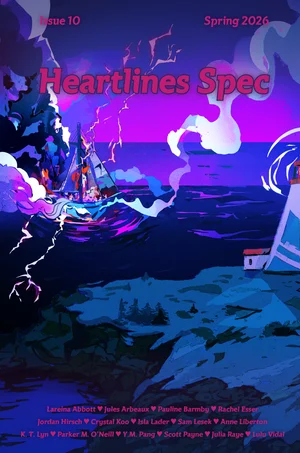
In the ever-shifting topography of speculative fiction, the lifeblood of the genre flows through its periodicals. From long-standing pillars of literary excellence to bold, experimental newcomers, the ecosystem of Science Fiction, Fantasy, and Horror (SF/F/H) print and digital magazines remains the primary engine for discovery. Locus magazine, the definitive chronicle of the field, continues its mission to catalog these vital hubs of imagination. As the industry faces the dual pressures of digital transformation and an ever-expanding global readership, understanding where these stories are being told—and who is telling them—is more critical than ever.
Main Facts: The Current State of Genre Publishing
The current landscape of SF/F/H publishing is characterized by a vibrant dichotomy between traditional print aesthetics and the rapid-fire agility of online platforms. Publishers are currently navigating a landscape that demands high-quality fiction, incisive criticism, and robust online presence.
This latest survey by Locus highlights a diverse array of outlets. Among the notable print and electronic periodicals are Electronic Brain, which has recently garnered attention for its distinct visual branding, and The Fabulist, a publication known for its commitment to the intersection of literary fiction and speculative elements. Other significant players include Fusion Fragment, Heartlines Spec, Pulp Literature, Saros Speculative Fiction, Reckoning: It Was Paradise, and Wyldblood.
These titles represent the "living library" of the genre. They are not merely repositories for stories but are curated environments that shape the aesthetic and intellectual direction of the field. By providing platforms for emerging voices and established masters alike, these publications ensure that the speculative community remains intellectually rigorous and creatively diverse.
A Chronology of Genre Discovery
The history of SF/F/H magazines is a narrative of adaptation. In the early 20th century, the "pulp" era defined the genre, with newsstand dominance dictating the success of authors like Asimov, Bradbury, and Le Guin. As the decades progressed, the center of gravity shifted.

- The Golden Age (1940s–1950s): Magazines like Astounding Science Fiction and The Magazine of Fantasy & Science Fiction established the standard for literary speculative fiction.
- The New Wave (1960s–1970s): Periodicals began to experiment with internal psychological narratives and non-linear storytelling, pushing the boundaries of what "genre" could mean.
- The Digital Revolution (2000s–Present): The rise of the internet dismantled the geographical barriers to entry. Websites like Clarkesworld, Lightspeed, and Beneath Ceaseless Skies proved that digital-first models could achieve the same prestige as legacy print publications.
Today, we are in a "Multi-Modal" era. Magazines like Radon Journal and The Dark utilize digital-first aesthetics—vibrant cover art, optimized web layouts, and audio accompaniments—to reach a generation of readers who consume stories via tablets, phones, and e-readers.
Supporting Data: The Digital Vanguard
The shift toward online consumption has been nothing short of transformative. The following list represents the current vanguard of online speculative fiction, each contributing a unique flavor to the collective output:
- Literary Mainstays: Aurealis, Beneath Ceaseless Skies, and Clarkesworld remain the gold standard for high-quality, long-form speculative fiction. They are frequently cited in annual anthologies and major industry awards.
- Niche & Thematic Focus: The Dark continues to be a leader in the horror and dark fantasy space, while Cosmic Roots and Eldritch Shores provides a sanctuary for speculative myth-making.
- Multimedia Integration: The Escape Artists network (comprising Escape Pod, PodCastle, and PseudoPod) has mastered the art of the podcast, proving that speculative fiction has a massive auditory audience.
- Contemporary Commentary: Reactor (formerly Tor.com) stands as a titan of industry news, reviews, and community discourse, bridging the gap between fiction and critical analysis.
- Emerging Voices: Black Cat Weekly, DreamForge Anvil, Flash Point SF, and Otherside offer fresh perspectives and experimental formats that keep the field from becoming stagnant.
These magazines are not merely hobbyist ventures; they are sophisticated publishing operations. Many of these entities now employ professional editorial staffs, maintain rigorous submission guidelines, and operate on sustainable business models that balance reader subscriptions with donor support.
Official Perspectives and Industry Standards
For editors and publishers, the challenge lies in the "discoverability crisis." With the sheer volume of content available online, how does a magazine maintain its voice?
"The goal," notes a prominent editor in the field, "is to curate a sense of place. When a reader clicks onto our site, they should know exactly what kind of journey they are about to take." This sentiment is echoed across the industry. The Locus submission guidelines reflect this ethos, urging editors to maintain high standards of professionalism. By creating a centralized repository for news and submissions, Locus acts as the connective tissue that allows these disparate magazines to thrive as a cohesive community.

Furthermore, the emphasis on transparency—clear submission windows, fair payment rates for authors, and active social media engagement—has become the industry benchmark. Publications that fail to maintain these standards often find themselves excluded from the serious conversation of the field, reinforcing the idea that professional excellence is the prerequisite for relevance.
Implications for the Future of SF/F/H
The trajectory of speculative fiction is undeniably leaning toward increased accessibility and intersectionality. As these magazines continue to evolve, several implications for the future of the genre have emerged:
1. The Democratization of Submissions
The barriers to entry have never been lower. A writer in a remote location can submit a story to a top-tier magazine in London or New York with a single click. This has led to a surge in global voices, with magazines like Fusion Fragment and Wyldblood actively seeking to publish authors from underrepresented regions, thereby expanding the cultural lexicon of science fiction.
2. The Rise of the "Hybrid" Model
Print is not dead; it has simply changed its function. Many magazines are moving toward a model where digital content is free or low-cost, while limited-run print editions serve as collector’s items. This dual-revenue stream allows publishers to maintain their digital presence while satisfying the tactile demands of the hardcore genre enthusiast.
3. Sustainability and Reader Support
The final, and perhaps most significant, implication is the shift toward community-funded models. As traditional advertising revenue fluctuates, publications are increasingly reliant on reader support. The Locus fundraising campaign is a testament to this reality: the audience is no longer just a passive consumer base, but an active stakeholder in the magazine’s survival. When readers donate to Locus or subscribe to Clarkesworld, they are essentially voting for the continued existence of the speculative medium.

4. Critical Evolution
As the volume of fiction increases, the role of reviews and criticism becomes paramount. Magazines that integrate high-level criticism—analyzing the trends, tropes, and societal reflections within the stories—are proving more valuable than those that merely publish fiction. This critical layer provides the context necessary for the genre to be taken seriously by the wider literary establishment.
Conclusion: A Call to Action
The speculative fiction landscape is a testament to human ingenuity. Whether through the eerie depths of The Dark, the intellectual rigor of Clarkesworld, or the experimental fervor of Radon Journal, these periodicals are the architects of our future mythologies.
However, this architecture requires maintenance. The magazines listed in this report are the platforms upon which the next generation of great writers will build their reputations. As we move further into the 21st century, it is incumbent upon readers, writers, and fans to engage with these periodicals. Support your favorite magazines, submit your best work, and contribute to the fundraising efforts that keep these platforms alive. The future of science fiction is not a distant point on the horizon; it is being written, edited, and published right now, one issue at a time.


 Azzam Bilal Chamdy
 Raul Delapena Setiawan