Ali Ikhwan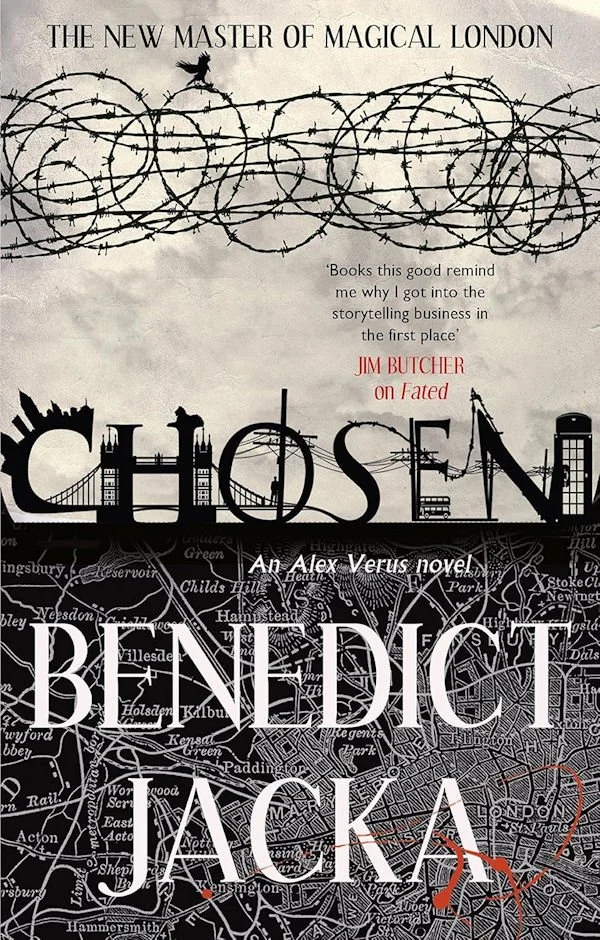
In the bustling, hidden magical underbelly of modern-day London, Alex Verus—a diviner whose primary talent is the ability to map the branching paths of probable futures—has long operated as a man defined by his pragmatism. He is a character who prefers the shadows of his curiosity shop to the limelight of the magical council, and his survival has always hinged on his ability to outmaneuver foes rather than outgun them. However, in Chosen, the latest installment in the long-running urban fantasy series, the narrative shifts from external threats to a deeply internal reckoning.
As the series hits its stride, Chosen stands as a masterclass in character development, forcing the protagonist to reconcile his current identity as a protector with the haunting, bloody legacy of his time as an apprentice to a Dark mage.
The Chronology of Consequence: A Retrospective
To understand the gravity of Chosen, one must look at the narrative arc that preceded it. From the inception of the series, Alex Verus has been portrayed as a man running from his own history. His powers of foresight have made him an invaluable, if reluctant, asset in the conflicts that plague the magical community.
Throughout the first three novels, readers witnessed Alex’s gradual transition from a solitary survivalist to the center of a "found family." He became a mentor to Luna, a young woman struggling with her own volatile magical nature, and cultivated alliances that were predicated on a fragile, surface-level understanding of his past.
Chosen disrupts this status quo. The inciting incident is not a new enemy appearing on the horizon, but the return of a ghost from Alex’s past. As rumors of his former master’s return begin to circulate, the narrative forces a collision between the man Alex is today and the apprentice he once was—an apprentice who participated in atrocities that have long been buried under layers of secrecy and denial.
Supporting Data: The Anatomy of a High-Stakes Narrative
What elevates Chosen above its predecessors is the structural integrity of its emotional stakes. The novel functions on three distinct levels:
- The Moral Audit: Alex is forced to confront the specific, terrible events of his apprenticeship. This isn’t merely a plot point; it is the central conflict. The reader is invited to judge whether the man who seeks to do good can ever truly distance himself from the evil he once facilitated.
- The Stress Test of Loyalty: The "found family" dynamic is the heartbeat of this series. By forcing Alex to reveal the truth to Luna and his other companions, the author tests the durability of these bonds. For the first time, the reader is left in genuine doubt as to whether these relationships can survive the revelation of Alex’s dark history.
- The Tactical Evolution: True to form, the action remains rooted in Alex’s unique magical limitations. Unlike mages who rely on raw power or elemental destruction, Alex relies on his divinatory foresight. The tension in Chosen is derived from the "chess match" style of combat—planning, maneuvering, and using the environment to secure an advantage. It serves as a reminder that for a diviner, knowledge is not just power; it is the only viable weapon.
Professional Analysis: The Evolution of the Protagonist
Literary critics and long-term fans have noted that Chosen represents a shift in tone for the series. While the banter and biting sarcasm that define Alex Verus’s voice remain present—serving as a necessary counterweight to the encroaching darkness—the stakes feel significantly more personal.
The narrative succeeds because it refuses to offer Alex an easy out. There is no redemption arc that allows him to wash his hands of his past. Instead, the book explores the concept of "the man he is trying to be" versus "the man he was." This duality creates a friction that drives the plot forward, ensuring that every encounter with an antagonist feels weighted with historical significance.
Furthermore, the introduction of a young adept—who views Alex through the lens of a victim seeking vengeance—provides a necessary mirror. This character acts as a catalyst, forcing Alex to acknowledge that his past is not just a memory, but a living, breathing force that can demand accountability.
The Implications for the Urban Fantasy Genre
The success of Chosen has significant implications for the urban fantasy genre at large. In a field often dominated by "chosen one" tropes and power-scaling, the Alex Verus series suggests that audiences are increasingly craving stories about moral ambiguity and the long-term cost of survival.
By choosing to lean into the "darkness" that Alex has carried since the beginning, the series avoids the trap of stagnation. It tells the reader that growth is not just about gaining new allies or more power, but about the painful process of shedding one’s previous self.
Key Takeaways for Readers:
- A Shift in Focus: The series has moved from episodic adventures to a high-stakes, long-form character study.
- The Weight of Secrets: The revelation of Alex’s past serves as the primary engine for the emotional climax of the book.
- Consistent Combat Logic: The series maintains its commitment to tactical, foresight-based combat, ensuring that the action remains cerebral rather than chaotic.
- The "Chosen" The title is a double entendre, referring both to the antagonist’s mission and to the choices Alex has made throughout his life that have led him to this point of reckoning.
Conclusion: A New Standard
If the first three books of the series were an introduction to the world of Alex Verus, Chosen is the definitive statement of his identity. It is a book that rewards the loyal reader while setting a new, higher bar for the series moving forward.
The tension in Chosen is palpable, not because we fear Alex will lose his life, but because we fear he might lose the people who make his life worth living. It is a rare sequel that manages to honor everything that came before while simultaneously blowing up the foundation to build something stronger in its place. For those who have followed the diviner this far, the journey into the darkness is not just recommended—it is essential.
As Alex Verus himself notes in the book, "Hide something behind smoke and mirrors and make people work to find it, and they’ll tear the place down looking for what’s there." In Chosen, the smoke has cleared, the mirrors have shattered, and Alex Verus is finally standing in the light, waiting to see who is still standing beside him.


 Azzam Bilal Chamdy
 Raul Delapena Setiawan