Asep Darmawan
Published: June 20, 2026
CD Projekt Red, the acclaimed Polish video game developer behind the revered Witcher series, is embarking on a pivotal new chapter with the highly anticipated The Witcher 4. At the heart of this endeavor lies a profound sense of responsibility, as the studio’s CEO, Michał Nowakowski, openly acknowledges that the company’s "redemption arc" following the disastrous launch of Cyberpunk 2077 remains incomplete. This candid admission sets a high bar for their next flagship title, positioning The Witcher 4 not merely as a successor to a beloved fantasy saga, but as a critical test of the studio’s renewed commitment to quality and player trust.
A CEO’s Candor: Acknowledging Unfinished Business
In a recent interview for Edge’s Knowledge newsletter, as reported by GamesRadar, Michał Nowakowski articulated a sentiment that resonates deeply within the gaming community: "I’m not 100 percent convinced we went through the full redemption arc." This statement is particularly striking given the significant turnaround Cyberpunk 2077 has achieved in the years since its initial release. From a universally panned, buggy mess, it has transformed into a critically praised open-world RPG, especially following the monumental 2.0 update and the Phantom Liberty expansion. Yet, Nowakowski’s words reveal an underlying understanding that some wounds run deeper than mere technical fixes.
"I’m convinced that we lost the faith of some people indefinitely, and that’s a fair thing," Nowakowski continued, highlighting the permanent impact of the launch debacle on a segment of their audience. He expressed hope that The Witcher 4, or subsequent projects, could mend these fractured relationships. This perspective underscores a mature, self-aware leadership acknowledging that while the product itself may have been salvaged, the perception and trust of a loyal fanbase are far more fragile and challenging to fully restore. The implication is clear: The Witcher 4 carries not just the weight of its own narrative and gameplay expectations, but also the symbolic burden of fully regaining the industry’s and players’ unwavering confidence in CD Projekt Red’s development prowess and ethical standards.
A Tumultuous History: The Cyberpunk 2077 Saga
To fully grasp the significance of Nowakowski’s statements, it is crucial to revisit the tumultuous journey of Cyberpunk 2077. The game’s development and release constitute one of the most dramatic sagas in modern video game history, a cautionary tale that has since become a benchmark for both catastrophic launches and persistent redemption efforts.
The Ascent to Unprecedented Hype
Before its release, Cyberpunk 2077 was arguably one of the most anticipated games of all time. Riding high on the immense critical and commercial success of The Witcher 3: Wild Hunt, CD Projekt Red had cultivated a reputation as a developer committed to crafting expansive, narrative-rich RPGs with unparalleled player choice and stunning visuals. The announcement of Cyberpunk 2077, based on Mike Pondsmith’s tabletop RPG, promised an ambitious leap into a dystopian future, boasting unprecedented freedom, deep character customization, and groundbreaking emergent gameplay.
E3 demonstrations, particularly the highly cinematic 2018 trailer featuring Keanu Reeves, fueled an almost feverish level of hype. Developers frequently spoke of the game’s immersive world, intricate systems, and a level of detail that would redefine open-world gaming. Promises of branching narratives, dynamic AI, profound player agency, and a living, breathing Night City set expectations sky-high. Players eagerly pre-ordered, convinced that CD Projekt Red would deliver another masterpiece, one that would push the boundaries of the medium.
The Cataclysmic Launch of December 2020
The reality of Cyberpunk 2077‘s launch on December 10, 2020, was a stark and brutal contrast to years of meticulously built anticipation. What arrived was a game plagued by an unprecedented array of technical issues, particularly on the PlayStation 4 and Xbox One consoles, where performance was abysmal. Frame rates frequently dipped into single digits, textures failed to load, character models T-posed through environments, and critical bugs routinely broke quests or rendered the game unplayable.
Beyond the technical glitches, many players felt that core features promised during the extensive marketing campaign were either absent or severely underbaked. The intricate AI systems seemed rudimentary, the open world felt less dynamic than advertised, and player choices often had less impact than expected. The narrative, while generally praised for its characters and themes, was overshadowed by the pervasive instability.
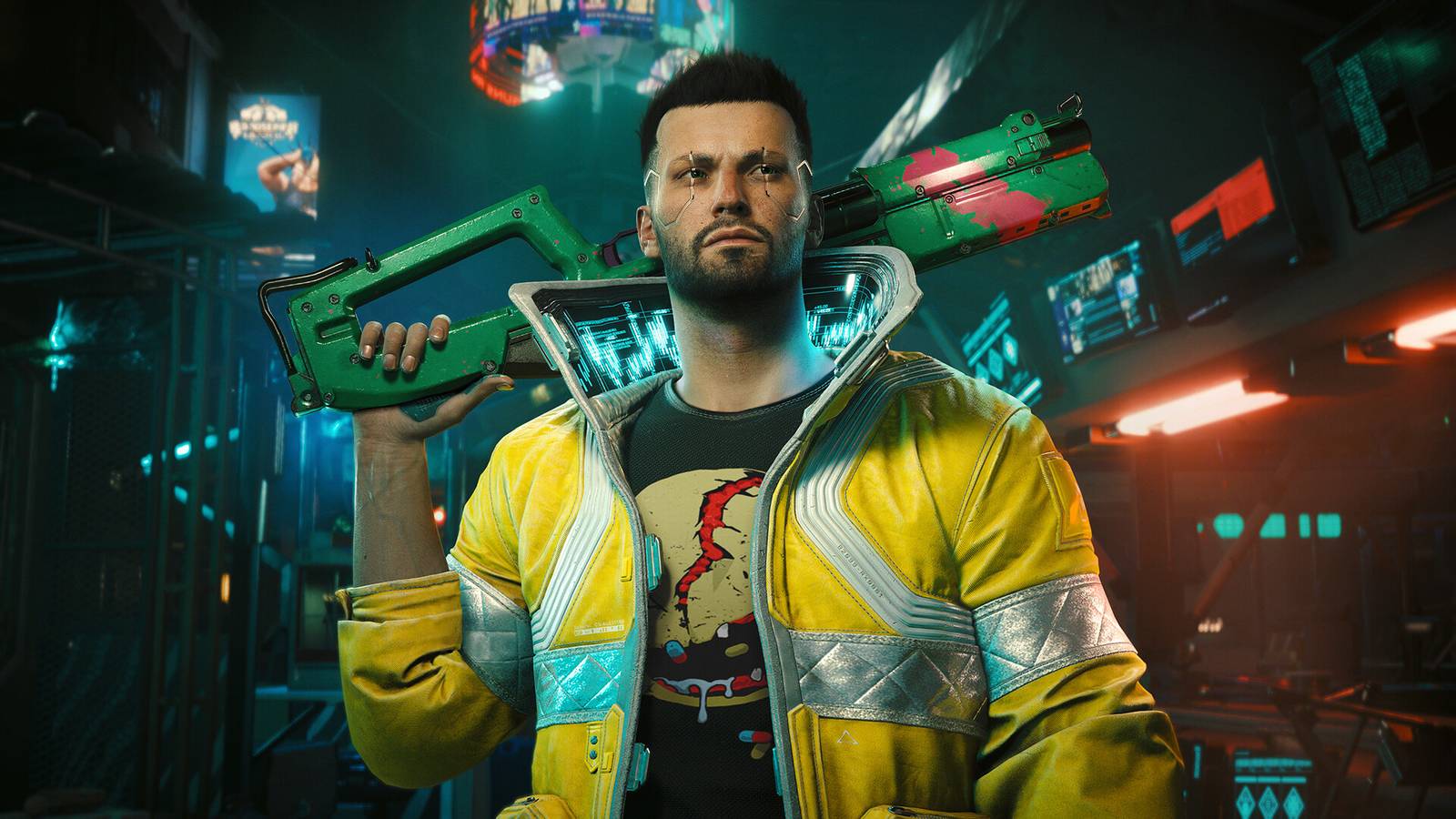
The fallout was immediate and severe. CD Projekt Red faced a torrent of criticism, not just from players but also from industry pundits and even platform holders. Sony, in an almost unprecedented move, delisted Cyberpunk 2077 from the PlayStation Store and offered full refunds to all purchasers, a decision that sent shockwaves through the industry. Microsoft followed suit with more lenient refund policies. The company’s stock plummeted, legal challenges mounted, and its once-sterling reputation was tarnished overnight. CD Projekt Red issued multiple apologies, with co-founder Marcin Iwiński releasing a video message taking personal responsibility for the launch state.
The Long Road to Recovery: Patches, Reworks, and Player Trust
In the wake of this catastrophe, CD Projekt Red embarked on what would become a years-long endeavor to fix and refine Cyberpunk 2077. This period was characterized by consistent, albeit sometimes slow, updates aimed at addressing the most egregious technical issues and gradually implementing missing features. The initial patches focused heavily on stability, performance improvements across all platforms, and bug squashing. These early efforts were met with cautious optimism, but the sheer scale of the problems meant that a complete overhaul would take time.
Over the course of 2021 and 2022, CDPR released a series of substantial updates. These weren’t just bug fixes; they included significant reworks of gameplay systems, AI improvements, UI enhancements, and the introduction of features that improved the overall quality of life within Night City. Driving mechanics were refined, police AI was made more responsive, and the game’s perk system underwent substantial revisions. The release of the next-generation console versions for PlayStation 5 and Xbox Series X|S in early 2022 marked a significant milestone, finally allowing the game to shine on more powerful hardware, closer to its original artistic vision.
Phantom Liberty and Update 2.0: A Critical Rebirth
The culmination of CD Projekt Red’s redemption efforts arrived in late 2023 with the release of the massive 2.0 update and the Phantom Liberty expansion. This dual release fundamentally transformed Cyberpunk 2077. Update 2.0, free to all base game owners, completely revamped core gameplay mechanics, including the perk system, cyberware, vehicle combat, and police pursuit AI. It injected new life into Night City, making it feel more dynamic and reactive.
Phantom Liberty, a paid expansion featuring Idris Elba and returning star Keanu Reeves, delivered a spy-thriller narrative that was universally lauded for its mature storytelling, complex characters, and engaging missions. Critics praised its dense Dogtown district, its intricate design, and its ability to seamlessly integrate new mechanics introduced in 2.0. The expansion, combined with the comprehensive free update, propelled Cyberpunk 2077 back into the critical spotlight, earning rave reviews and widespread player appreciation. The game, once an industry pariah, was now being celebrated as one of the best RPGs of its generation, having sold over 25 million copies worldwide. This turnaround was a testament to CD Projekt Red’s perseverance and commitment to their product, demonstrating that even the most disastrous launches can be overcome with sustained effort and a willingness to listen to feedback.
The Weight of Expectation: The Witcher 4 and Beyond
Despite the triumphant turnaround of Cyberpunk 2077, Nowakowski’s recent comments reveal that the internal perception at CD Projekt Red is more nuanced. The scars of 2020 run deep, and the company understands that regaining full trust is an ongoing process, not a singular event. This makes The Witcher 4, currently codenamed Project Polaris, an exceptionally high-stakes venture.
Polaris: The Next Chapter in the Witcher Universe
The Witcher 4 is poised to kickstart a new saga within the beloved Witcher universe, moving beyond Geralt of Rivia’s story. While details remain scarce, it is known that the game will be built on Unreal Engine 5, signaling a departure from CDPR’s proprietary REDengine, which powered Cyberpunk 2077 and The Witcher 3. This engine switch is seen by many as a strategic move to leverage a more stable and widely supported development platform, potentially mitigating some of the technical hurdles faced during Cyberpunk 2077‘s production.
The anticipation for The Witcher 4 is immense, largely due to the enduring legacy of its predecessor. The Witcher 3 is widely considered one of the greatest RPGs ever made, celebrated for its sprawling open world, compelling characters, morally ambiguous choices, and masterful storytelling. For CD Projekt Red, The Witcher 4 represents an opportunity to reaffirm its identity as a world-class RPG developer, to prove that its success with The Witcher 3 was not a fluke, and that the lessons learned from Cyberpunk 2077‘s launch have been thoroughly integrated into its development culture.
The game will likely be scrutinized from every angle, from its technical stability to its narrative depth and its ability to innovate within an established IP. Players will be looking for a seamless, polished experience from day one, without the need for extensive post-launch rehabilitation. This places significant pressure on the development team to deliver a product that not only meets the high standards of the Witcher franchise but also assuages any lingering doubts about CDPR’s capacity for flawless execution.

Lessons Learned and a Revised Philosophy
The Cyberpunk 2077 experience forced CD Projekt Red into a period of deep introspection and significant restructuring. The company has publicly committed to more transparent communication, more realistic marketing, and prioritizing quality and stability over ambitious, potentially unachievable features. This revised philosophy aims to prevent a repeat of the 2020 debacle.
Internal processes have been overhauled, with a greater emphasis on cross-platform development from the outset, rather than porting a PC-centric build to consoles later. There’s also a renewed focus on employee well-being and sustainable development cycles, moving away from the intense crunch culture that often characterized previous projects. These internal shifts are crucial for building a resilient development pipeline that can consistently deliver high-quality games. Nowakowski’s acknowledgment of the "indefinitely lost faith" suggests that CD Projekt Red understands that even with all these changes, regaining trust is a long-term commitment that transcends a single successful game. It requires a consistent track record of excellence and integrity.
Navigating the Future: Quality Over Quantity
Looking beyond The Witcher 4, CD Projekt Red has ambitious plans, including a sequel to Cyberpunk 2077 (codenamed Project Orion) and a completely new intellectual property (Project Hadar). Yet, Nowakowski’s vision for the company’s future explicitly rejects the industry trend of yearly releases or rapid-fire development. "Our dream is to be making more games, although we never want to turn into the studio that’s going to be launching a big game every year," he explained.
This statement reinforces CD Projekt Red’s commitment to its identity as a developer of meticulously crafted, expansive RPGs that require significant development time. It signals a dedication to quality over quantity, a philosophy that many fans hope will safeguard against future rushed releases. In an era where many major publishers push for shorter development cycles and more frequent releases, CDPR’s stance is a deliberate choice to prioritize artistic vision and technical polish, even if it means longer waits between their tentpole titles. This approach, if consistently executed, could be key to solidifying their redemption and rebuilding their reputation as a studio that delivers on its promises, no matter the wait.
The Broader Industry Impact
The journey of Cyberpunk 2077 has had a profound impact on the wider video game industry. It served as a stark reminder of the dangers of unchecked hype, the importance of transparency, and the critical role of platform holders in ensuring product quality. The PlayStation Store delisting, in particular, set a precedent that developers and publishers cannot ignore.
CD Projekt Red’s subsequent efforts also provided a blueprint for redemption. The sustained commitment to fixing a broken game, rather than abandoning it, demonstrated that player trust, once lost, can be partially regained through genuine effort and significant investment. This redemption arc has influenced other developers facing similar challenges, encouraging them to persist in improving their games post-launch. However, it also highlighted the immense cost—both financial and reputational—of launching an unfinished product. The industry has become more cautious, with many studios now delaying games to ensure greater polish, often citing "lessons learned from past launches."
Conclusion: A Legacy Defined by Resilience
Michał Nowakowski’s honest assessment of CD Projekt Red’s position is a refreshing display of humility and a recognition of the ongoing effort required to fully mend the damage of Cyberpunk 2077‘s launch. While the game itself has been largely redeemed, the memory of its initial state persists for many, a testament to the enduring impact of first impressions in the digital age.
The Witcher 4 stands as a crucial opportunity for CD Projekt Red to cement its return to grace. It is more than just another game; it is a declaration of intent, a promise to deliver the quality and polish that players have come to expect from the studio. By embracing a philosophy of measured growth, prioritizing quality, and remaining transparent, CD Projekt Red aims to not just rebuild its legacy, but to redefine it – not as a company that stumbled, but as one that demonstrated remarkable resilience, learned from its mistakes, and ultimately delivered on its profound commitment to its players. The gaming world watches with bated breath, hoping that The Witcher 4 will indeed be the defining chapter in CD Projekt Red’s complete redemption arc.


 Lina Irawan
 Sagoh
Sagoh