

Few figures in the landscape of contemporary art possess a visual language as instantly recognizable—and emotionally resonant—as Yoshitomo Nara. His wide-eyed, childlike subjects, rendered with deceptively simple outlines and muted palettes, serve as vessels for complex human states: loneliness, quiet defiance, and an ache of innocence that feels both universal and intensely private. Drawing from the disparate worlds of Japanese manga, folk art, and the visceral energy of Western rock culture, Nara has successfully blurred the boundaries between high-concept fine art and accessible, collectable objects.
For the uninitiated, Nara’s work may appear deceptively simple. Yet, to look closer is to encounter a master of psychological nuance. His figures, often scowling or caught in a state of melancholic repose, invite viewers into a space of introspection. As we explore six of Japan’s most significant spaces dedicated to his oeuvre, we uncover not just an artist, but a narrative that stretches from the snowy landscapes of the north to the refined architectural retreats of the south.
About Yoshitomo Nara: A Life in Layers
Born in 1959 in Hirosaki, Aomori Prefecture, Yoshitomo Nara emerged from the periphery to become one of Japan’s most internationally acclaimed contemporary artists. His formative years in northern Japan—a region defined by harsh winters and a deep sense of isolation—provided the foundational DNA for his work.

Chronology of Influence
- 1959: Born in Hirosaki, Aomori.
- Late 1970s–1980s: Attends the Aichi Prefectural University of Fine Arts and Music, developing his technical foundation.
- 1988–2000: Relocates to Germany. This decade-long residency proves pivotal, exposing him to the raw, anti-establishment ethos of punk rock and the intellectual rigors of the European contemporary art scene.
- 2000s–Present: Returns to Japan, solidifying his status as a global icon with exhibitions at the MoMA, the Asia Society, and record-breaking auction sales.
Nara’s time in Germany served as a crucible. It was there that he moved away from traditional Japanese art tropes, leaning instead into the "do-it-yourself" spirit of punk music and the aesthetic of underground zine culture. This hybridization of East and West created the "Nara style": a sophisticated fusion of traditional Japanese graphic simplicity and the rebellious, emotive energy of the West.
Supporting Data: The Value of Ambiguity
While Nara is a beloved figure in the cultural zeitgeist, his economic impact is equally staggering. His paintings have consistently fetched millions at international auctions, often setting records for Japanese contemporary artists. However, the true "data" of Nara’s success is not found in spreadsheets but in the persistent, almost cult-like following he maintains.
Collectors and critics alike note that his works—whether they are large-scale paintings, bronze sculptures, or limited-edition ceramics—possess a rare "stickiness." They inhabit the domestic spaces of his collectors, acting as companions rather than mere status symbols. This accessibility is a strategic choice; by allowing his motifs to appear on everything from tote bags to museum-grade sculptures, Nara ensures that his "quiet rebellion" reaches beyond the ivory tower of the art market.

Pilgrimage: Six Essential Destinations
To truly understand Yoshitomo Nara, one must travel. His work is inextricably linked to the geography of Japan. Below are six essential sites where the artist’s spirit is most palpable.
1. Aomori Museum of Art (Aomori Prefecture)
Perched on the outskirts of Aomori City, adjacent to the Sannai-Maruyama archaeological site, this institution is the heart of the Nara universe. Designed by architect Jun Aoki, the museum is a masterpiece of subterranean design—white, raw concrete structures that seem to emerge from the earth itself.
- The Experience: The highlight is undoubtedly the nine-meter-tall Aomori Dog. Standing in the crisp, cold air of northern Japan, the sculpture acts as a guardian of the artist’s legacy. Inside, the collection offers a comprehensive look at his evolution, from early drawings to his mature sculptural work.
2. Towada Art Center (Aomori Prefecture)
Opened in 2008, the Towada Art Center brought a new level of contemporary discourse to the Tohoku region. It houses the installation Yoroshiku Girl 2012, a work that epitomizes the artist’s ability to turn a public space into a moment of private connection.

- The Experience: The center functions as a dialogue between architecture and art, with installations specifically commissioned for the site. It serves as a reminder that Nara’s work is intended to be lived with, not just viewed.
3. Hirosaki Museum of Contemporary Art (Aomori Prefecture)
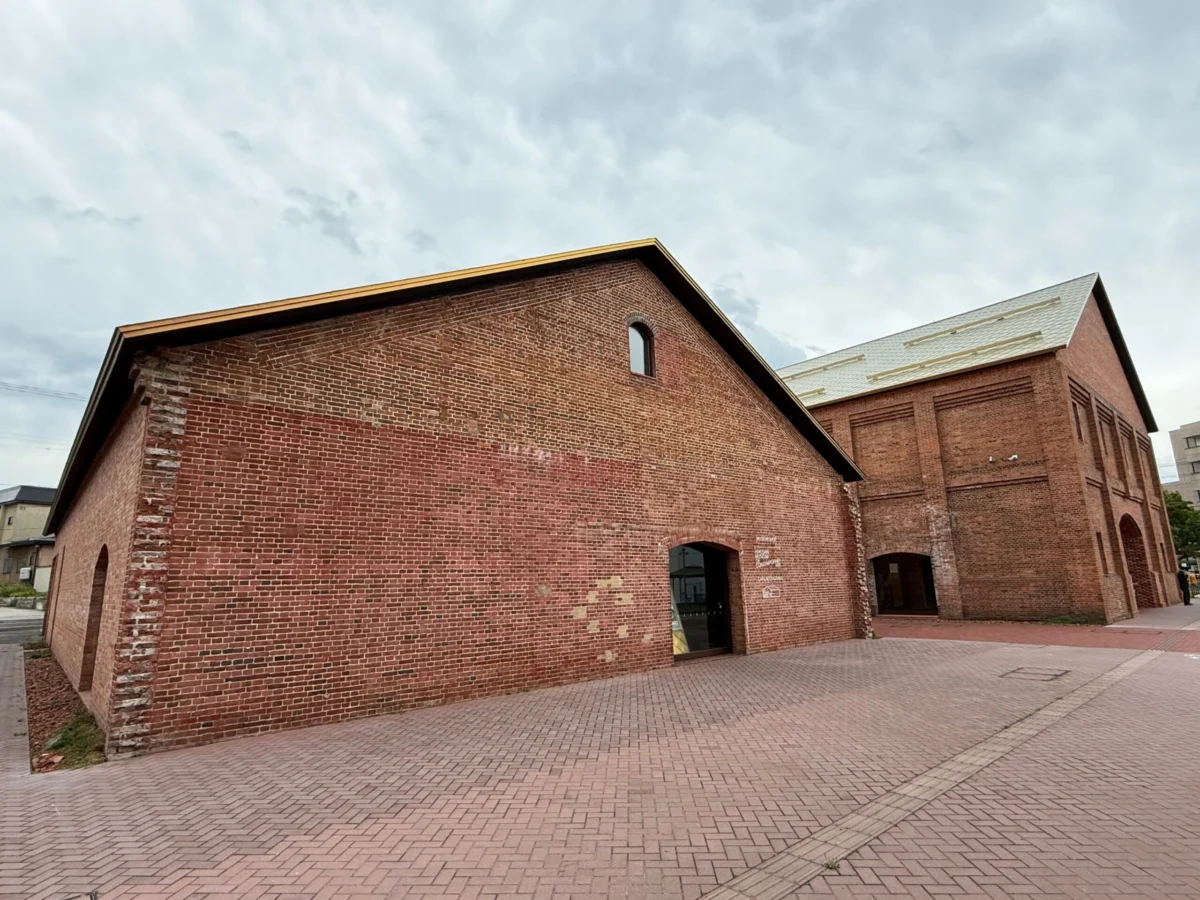
Housed in a repurposed, century-old sake brewery, this museum offers a rustic, industrial counterpoint to the sterile environments of modern galleries. The building’s red-brick walls and exposed beams provide a haunting, nostalgic backdrop for the A to Z Memorial Dog.
- The Experience: This site commemorates the legendary 2006 "A to Z" exhibition. Visiting here feels like stepping into a time capsule of the artist’s mid-career creative explosion.
4. N’s Yard (Tochigi Prefecture)
If the previous museums are the public face of Nara, N’s Yard is his inner sanctum. Located in the mountain resort of Nasu, this private museum is a deeply personal project.
- The Experience: The space is curated by the artist himself. Visitors can view his personal collection of vinyl records, dolls, and sketchbooks, alongside his art. It is a quiet, contemplative retreat that feels less like a museum and more like a visit to a friend’s creative studio. Note: The facility closes during the winter months; check schedules before planning your transit.
5. Wing Kamiooka (Kanagawa Prefecture)
Nara’s reach extends to the everyday transit hubs of Japan. Located within a shopping complex in Yokohama, World Is Yours is perhaps his most accessible work.

- The Experience: The installation transforms a standard atrium staircase into an immersive, dreamlike playground. By placing his work in a space of commerce, Nara challenges the idea that art belongs exclusively in silent, white-walled galleries.
6. Comico Art Museum Yufuin (Oita Prefecture)
Designed by the legendary Kengo Kuma, this museum is a study in material restraint. The use of scorched cedar and glass creates a serene environment that frames the nearby Mount Yufu.
- The Experience: The inclusion of Your Dog here serves as a bridge between the cold, snowy north and the lush, hot-spring-rich south. It is the perfect final stop for a traveler seeking to see how Nara’s work interacts with the varying climates and landscapes of Japan.
Official Responses and Curatorial Perspectives
Curators often point to the "intentional ambiguity" of Nara’s figures as the reason for his enduring popularity. In official exhibition catalogs, the artist has frequently described his work as a form of autobiography. He does not paint the child he once was, but rather the child that remains within him—a source of both comfort and frustration.
Art historians argue that Nara’s work functions as a "third space" in Japanese culture—a place where the rigid expectations of societal decorum are momentarily suspended. By embracing the sullen, the lonely, and the rebellious, Nara allows his audience to acknowledge their own vulnerabilities.

Implications: The Legacy of the "Nara Aesthetic"
The implications of Yoshitomo Nara’s career are profound. He has successfully dismantled the hierarchy of "high" and "low" culture. By drawing from the punk-rock aesthetic of the 1980s and the traditional craft techniques of his Aomori roots, he has created a visual vernacular that transcends language barriers.
His work continues to influence a new generation of artists who, like him, seek to find beauty in the margins. Whether through the massive, iconic sculptures that dot the Japanese countryside or the intimate drawings held in his private museum, Nara reminds us that art does not need to be loud to be powerful. Sometimes, the most enduring messages are those whispered by a wide-eyed figure, looking out at a world that is, in its own way, just as lonely and just as full of quiet, hopeful rebellion.












No comments yet. Be the first to join the conversation!