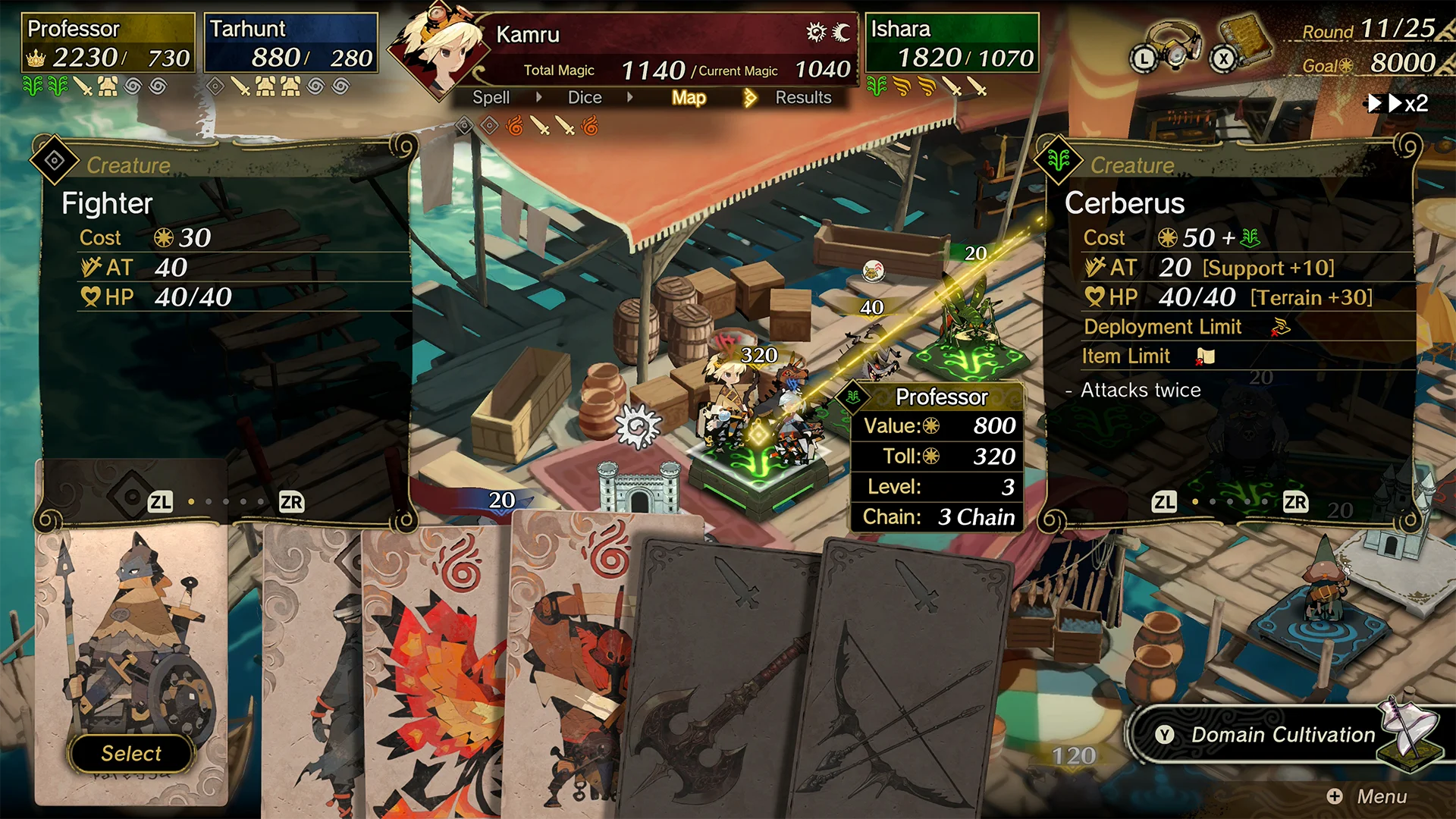
For many, the formative years of gaming were defined by the tactile clatter of dice on a board and the strategic depth of trading card games. Whether it was the cutthroat capitalism of Monopoly or the intricate, monster-laden combos of Yu-Gi-Oh!, these games cultivated a specific type of competitive thrill. It is this unique intersection of board-game randomness and deep, cerebral deck-building that defines the Culdcept series. After a decade of dormancy, the franchise returns with Culdcept Begins, a title that serves both as a soft reboot for the series and a masterclass in modernizing a classic, turn-based strategy formula for a new generation.
The Core Concept: Where Fortune Meets Strategy
At its heart, Culdcept Begins is a digital hybrid that dares to marry the property-acquisition mechanics of traditional board games with the complex, card-based combat of titles like Magic: The Gathering. Players navigate a dynamic game board, capturing territories by deploying monster cards. However, unlike Monopoly, where landing on a property is a matter of luck, here, the property is a battlefield.
When an opponent lands on your space, they may attempt to conquer it. This triggers a combat sequence where the defender utilizes their deployed monster, potentially augmented by item and spell cards, to stave off the assault. If the attacker is successful, they claim the land; if they fail, they pay a hefty toll. This cycle—the "push and pull" of territory management—creates an addictive loop of risk and reward. It is a game that respects the unpredictability of a dice roll while demanding the calculated foresight of a seasoned card player.
Chronology of a Kingdom: The Narrative Arc
Culdcept Begins transports players to the kingdom of Bavrashka, a land unified by King Dagar. The narrative centers on the four elemental realms—Water, Fire, Air, and Earth—bound together under a magical barrier intended to keep the dark, subterranean forces of the Abyss at bay.
The story follows Kamru, the son of the legendary general Rutra. When Rutra mysteriously vanishes, leaving a void in the kingdom’s defenses, Kamru finds himself enrolled in the Royal Cepter Academy. Alongside the princess Ishara and his rival, Tarhunt, Kamru begins his journey as a "Cepter"—a wielder of "Culd," the magical artifacts represented by cards.
While the initial chapters lean into a standard "academy" trope, the narrative expands significantly as the threat of the Abyss intensifies. The plot is less about deep character evolution—many supporting figures remain somewhat one-note—and more about the grander cosmology of the world. For fans of the series, it is a functional, if somewhat conventional, backdrop that serves its primary purpose: providing a compelling reason to engage in the next tactical match.
Supporting Data: Visuals, UI, and Auditory Evolution
One of the most striking aspects of Culdcept Begins is its bold departure from the franchise’s established aesthetic. Previous entries leaned into a mature, fantasy-anime art style, often with varying character designs that felt disjointed across the cards and the game board.
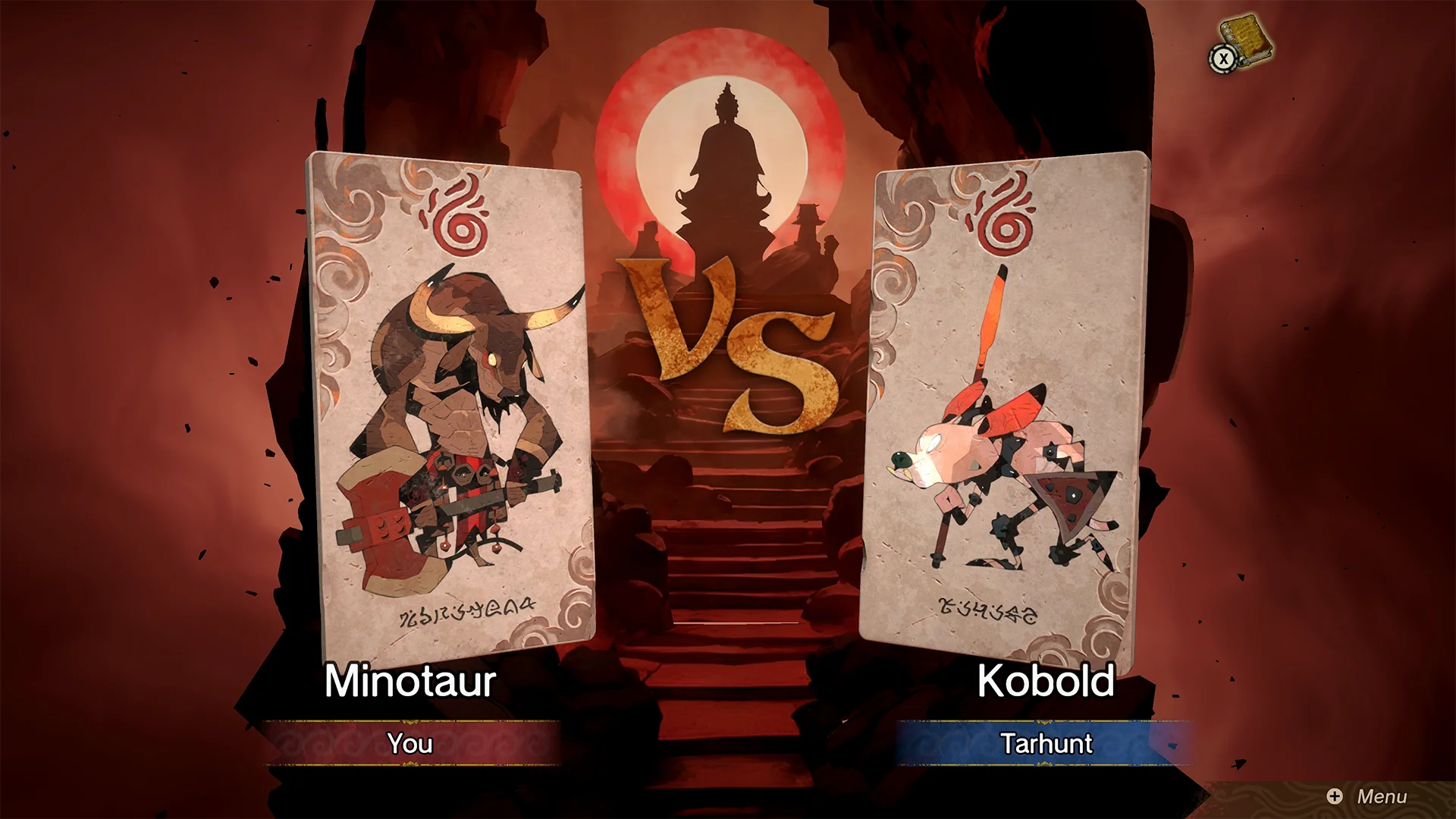
Culdcept Begins pivots to a cohesive, "super-deformed" (chibi-inspired) visual language. The monsters, previously represented by static cards, are now visualized as vibrant stone tablets, with their board-space sprites appearing nearly identical to their card art. This consistency drastically reduces visual friction, allowing for a more immersive experience.
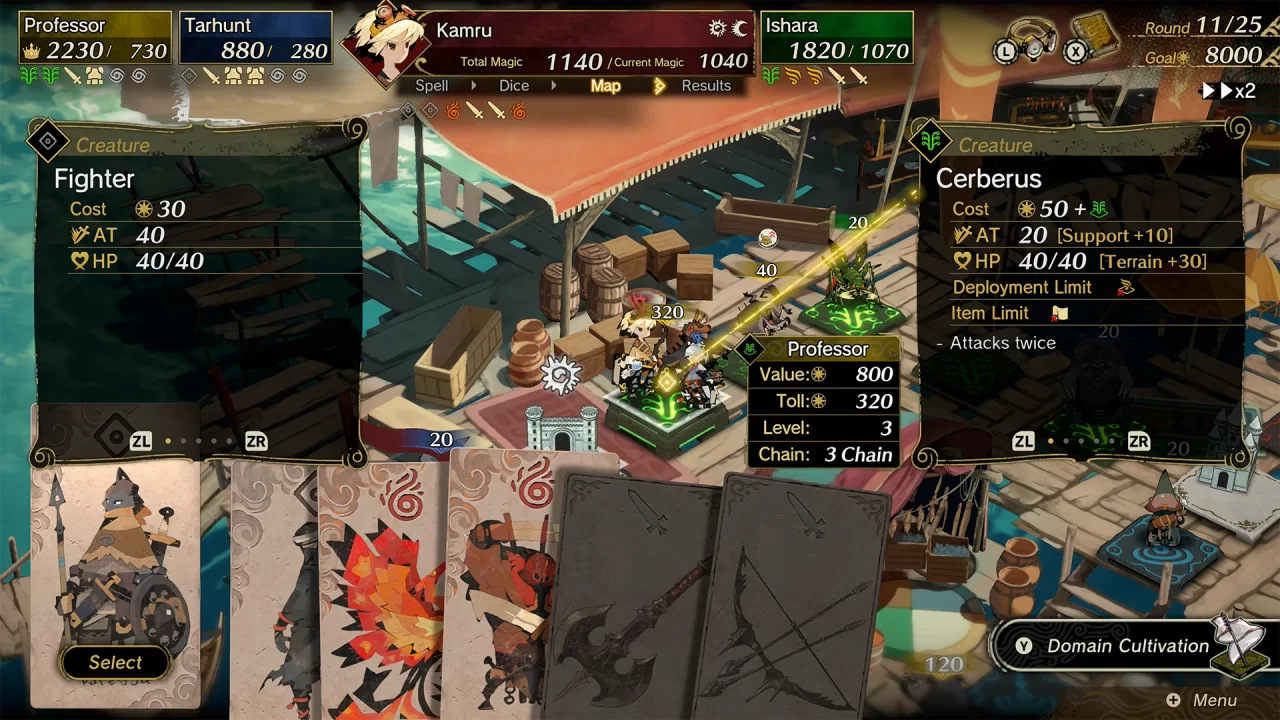
The User Interface (UI) is arguably the best in the series’ history. Managing a deck, tracking mana (or gold), and monitoring board state can be overwhelming, but Culdcept Begins presents this data with surgical precision. Complementing this is a new musical score by NoisyCroak. While it diverges from the iconic work of long-time series composer Kenji Ito, the new tracks are reactive and atmospheric, shifting from subtle melodies during the exploration phase to bombastic, high-stakes compositions during climactic battles.
Mechanics: The Dance of Elements and Economics
The game’s depth is derived from its complex, multi-layered board structures. Unlike the static loops of traditional board games, Culdcept Begins features:

- Elemental Chains: Matching your monster’s elemental affinity with the tile type grants combat bonuses. Controlling multiple tiles of the same element allows players to multiply toll costs, turning a simple board space into an economic powerhouse.
- Dynamic Board Structures: Maps are peppered with warp tiles, shops, and fortunetellers. Most notably, the "Sanctuary" system allows players to invest in elemental tokens. This introduces a speculative market element; a player investing in fire tokens early can reap massive rewards later if the board state shifts in their favor.
- The Lap System: By completing a lap around the board and returning to the castle, players receive a "Level Up" in funds. This creates a strategic urgency—do you stop to develop your lands, or do you rush to the castle to collect your bonus and increase your base income?
This blend of luck-based movement and long-term economic planning ensures that no two matches feel identical.
Official Responses and Accessibility: The GameShare Innovation
A significant hurdle for the series has historically been the "hotseat" requirement, which often led to awkward controller-passing. Culdcept Begins addresses this through the integration of the Nintendo Switch’s GameShare technology. This feature allows multiple players to participate in a match using their own individual consoles, even if only the host owns a copy of the game.
While the developer has not released specific sales figures, the community reception during the initial launch period has been largely positive, particularly regarding the game’s accessibility to newcomers. However, there is a clear distinction in the player base: while the AI is robust enough to provide a challenge for solo players, the "real" game begins in the online multiplayer arena. The ability to share decks and host custom rulesets is expected to be the primary driver of the game’s longevity.
Implications for the Strategy Genre
The return of Culdcept carries broader implications for the strategy genre. In an era dominated by high-octane action games and real-time shooters, Culdcept Begins proves there is still a voracious appetite for "slow-burn" strategic games.
The Longevity Question:
The primary challenge for Culdcept Begins will be the retention of its online community. As a niche title, its survival depends on the depth of its metagame. If the balance between the RNG (random number generation) of the board and the skill-based deck building remains tight, it could easily secure a cult following similar to the longevity of physical card games like Magic: The Gathering.
The Reboot Strategy:
By simplifying the aesthetic and focusing on UI clarity, the developers have successfully lowered the barrier to entry for a notoriously complex franchise. If Culdcept Begins succeeds, it may encourage other long-dormant turn-based franchises to undergo similar "cohesive" reboots, prioritizing gameplay accessibility without sacrificing mechanical depth.
Conclusion: A Triumphant Return
Culdcept Begins is a triumph of design. It successfully honors the lineage of its predecessors while discarding the cluttered, inconsistent visuals of the past. While the narrative may not reach the heights of earlier titles like Culdcept Saga, the mechanical loop—the constant tension between the dice roll and the deck build—is as compelling as ever.
For the veteran player, the tactical depth provided by the new shrine and sanctuary systems offers a fresh challenge. For the newcomer, the polished UI and improved tutorials provide the perfect invitation into a world that is, quite literally, worth the gamble. As the genre continues to evolve, Culdcept Begins stands as a testament to the idea that some formulas are not just time-tested—they are timeless. Whether you are looking to dominate the board with fire-elemental chains or simply want to experience a modern take on a classic tabletop experience, Culdcept Begins is a mandatory addition to your library.