

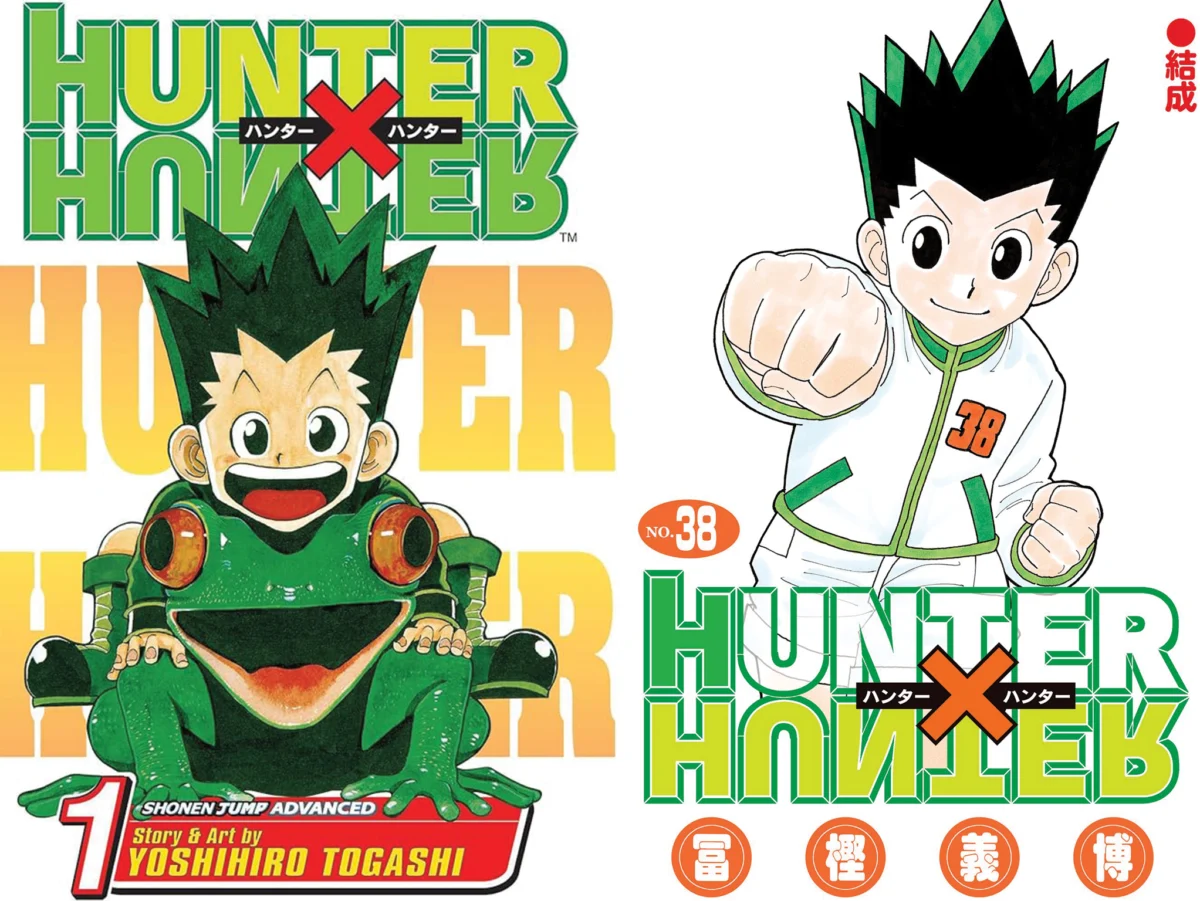
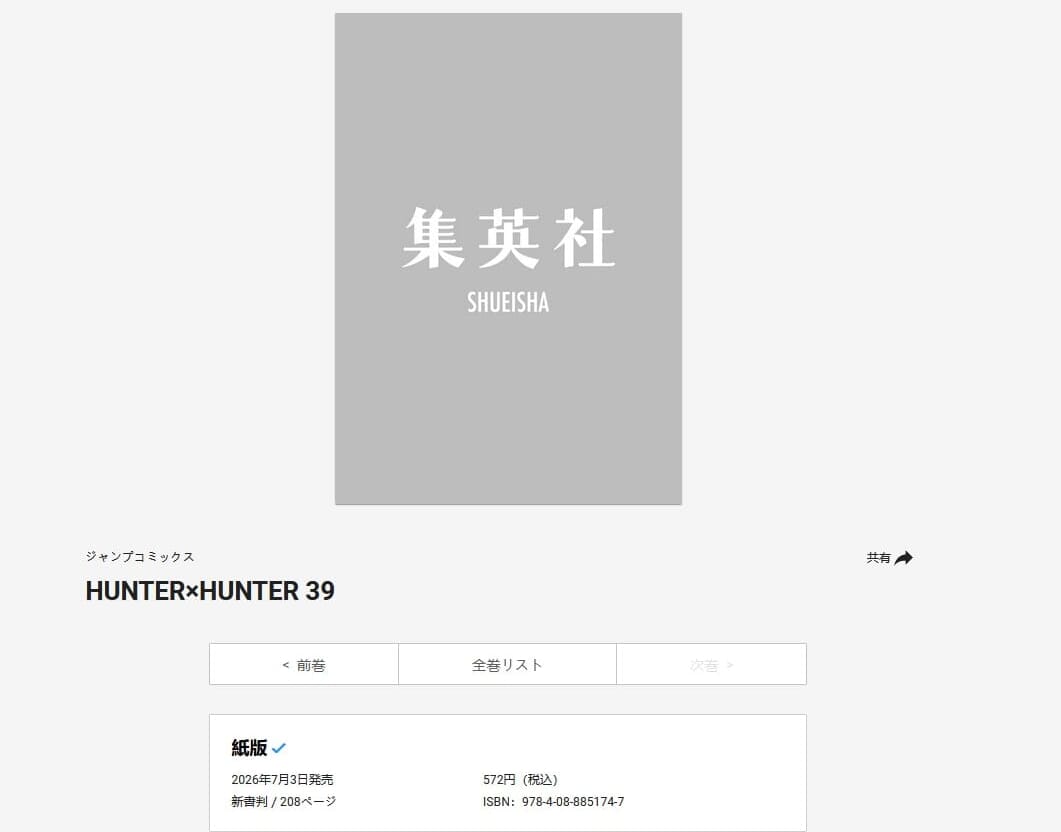
For millions of fans worldwide, the silence surrounding Yoshihiro Togashi’s Hunter x Hunter has been a defining characteristic of the modern manga experience. However, that silence has finally been broken. In a move that has sent shockwaves through the global anime and manga community, Shueisha has officially confirmed that the legendary series is emerging from its latest hiatus. With the announcement of Hunter x Hunter Volume 39, scheduled for release on July 3, 2026, the long-standing "hiatus drought" is officially nearing its end.
This development is not merely a routine update to a publication schedule; it represents a significant pivot in how Shueisha handles one of its most valuable intellectual properties, balancing the immense cultural demand for the series with the physical well-being of its creator.
The Return: Volume 39 and the Resumption of Serialization
The announcement from Shueisha regarding the July 3, 2026, release date for Volume 39 serves as the definitive "signal fire" that veteran Hunter x Hunter readers have learned to recognize. In the world of Weekly Shonen Jump (WSJ), the release of a new tankobon volume typically precedes a return to magazine serialization.
While the official date for the resumption of weekly chapters remains shrouded in mystery, industry analysts expect an announcement in the coming weeks. The arrival of Volume 39 serves as a bridge, collecting the most recent narrative arcs and setting the stage for what is expected to be a high-stakes continuation of the Dark Continent Expedition arc—a storyline that has been meticulously built upon layers of political intrigue, complex Nen mechanics, and internal power struggles aboard the Black Whale.
A Chronology of the Hiatus: A Decade of Patience
To appreciate the significance of this return, one must look back at the arduous journey of the series. Hunter x Hunter has famously struggled with a publication schedule that defies the traditional "weekly grind" of the Japanese manga industry.
- The Early Years (1998–2006): Togashi established the foundation of the series, moving from the lighthearted Hunter Exam arc into the darker, more cerebral Yorknew City and Greed Island arcs.
- The Mid-Hiatus Era (2007–2014): As the Chimera Ant arc progressed, the gaps between chapters began to widen. Fans became accustomed to months-long, and eventually years-long, breaks as Togashi battled chronic health issues.
- The Modern Era (2015–2026): This decade saw the rise of the "Hiatus Chart," a fan-made viral image tracking the status of the series. Despite the prolonged breaks, every time the series returned, it dominated the conversation on platforms like X (formerly Twitter) and Reddit, proving that the hunger for Gon, Killua, and Kurapika’s world remains insatiable.
The Physical Toll: Behind the Artist’s Struggle
The reason for these delays is well-documented but often misunderstood by casual observers. Yoshihiro Togashi has been remarkably transparent about his health, sharing glimpses of his manuscript progress and the physical reality of his work on social media.
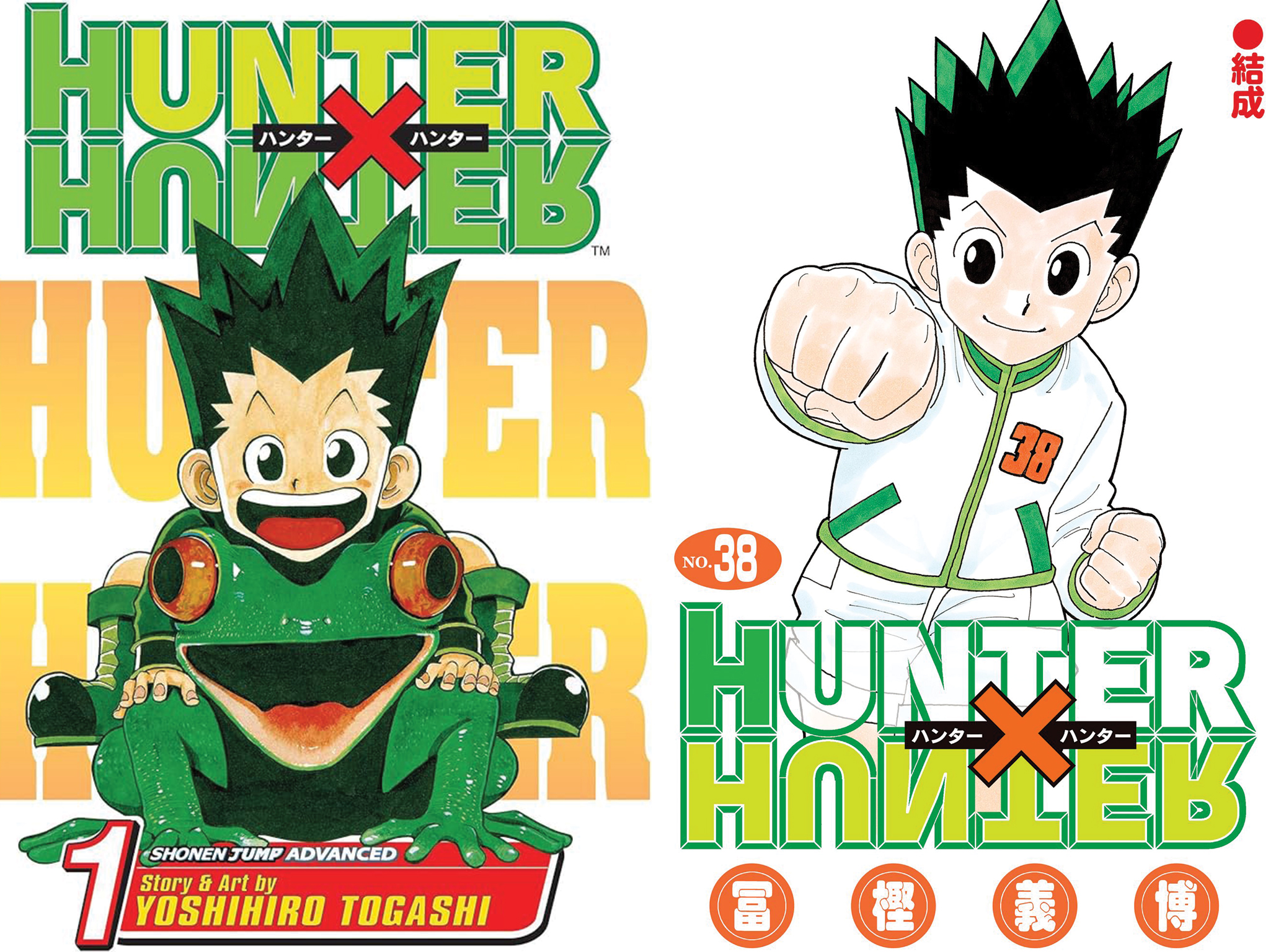
Togashi suffers from severe, chronic lumbar pain. This is not a recent development; his condition stems from decades of the grueling, high-pressure environment inherent to the manga industry. In Japan, the expectation for a weekly mangaka is to produce roughly 19 pages of high-quality, hand-drawn art every seven days. This schedule, which has claimed the health of many artists, proved unsustainable for Togashi. At his worst, his back pain was so debilitating that he was unable to sit at a desk. He has famously noted that he had to work while lying flat on his back to complete his drafts, a testament to his extraordinary dedication to his craft.
The Evolution of Publication: Why Weekly is No Longer the Goal
One of the most critical aspects of the 2026 return is the shift in how Shueisha intends to distribute the content. Editorial staff have previously confirmed that Hunter x Hunter will likely move away from the rigid weekly serialization format.
This is a strategic concession to the reality of modern manga production. By abandoning the weekly deadline, the editorial team and Togashi can prioritize a "batch" release system. This allows for chapters to be produced at a sustainable pace, ensuring the quality of the art does not suffer while safeguarding the author’s health. This move signals a broader shift in the manga industry, where established, high-profile creators are increasingly being given the autonomy to work on schedules that favor longevity over the traditional "churn and burn" model.
Artistic Pride and the "Safety Net"
Togashi’s commitment to quality is legendary. Unlike many artists who move on to their next project, Togashi is known for his perfectionism. It is common for him to return to his magazine drafts and completely redraw, panel-by-panel, sections for the final tankobon volume releases. He refuses to allow a draft to be preserved in print if he feels it does not meet his artistic standards.
Furthermore, the author has taken the unprecedented step of drafting four potential conclusions to Hunter x Hunter. These outlines, shared with close associates, serve as a blueprint to ensure that the story can be completed even if he is physically unable to finish the work himself. This sense of responsibility to his audience, coupled with the support of his wife, Naoko Takeuchi—the creative force behind Sailor Moon—has ensured that the story remains on track, regardless of the hurdles.
The Implications: What This Means for Weekly Shonen Jump
The return of Hunter x Hunter is a massive win for Weekly Shonen Jump. The magazine has undergone a significant transition in recent years, with several flagship titles concluding. Bringing HxH back into the fold, even on a non-weekly basis, provides a massive boost to circulation and online engagement.
However, the implications go deeper. This return validates a new model for the industry: one that respects the creator as an individual rather than a machine. By supporting Togashi’s non-linear return, Shueisha is setting a precedent that high-value stories can be told on their own terms. If this model proves successful with Hunter x Hunter, we may see more veteran mangaka opting for flexible, health-conscious schedules, potentially leading to higher-quality work and more sustainable careers for the legends of the medium.
The Path Forward: What Fans Can Expect
As of June 2026, there are at least 10 brand-new chapters currently locked in the vault, awaiting their public debut. Fans should prepare for a rollout that emphasizes quality over quantity. While the wait for the next chapter after these 10 will likely remain uncertain, the existence of these manuscripts provides a clear indicator that the hiatus is truly over.
The Dark Continent arc is, by all accounts, the most complex narrative structure Togashi has ever attempted. With dozens of active characters, multiple warring factions, and a sprawling, mysterious geography, the story is far from over. The release of Volume 39 is the first step in a long-awaited final act—or perhaps a long-awaited expansion—of the Hunter x Hunter universe.
For the fans who have waited years, refreshing social media feeds and tracking publication news, the arrival of July 3 is more than just a release date. It is a validation of their loyalty. Hunter x Hunter remains one of the most intellectually stimulating, emotionally resonant, and artistically daring works in the history of the medium. As Togashi steps back into the spotlight, the world is watching, ready to once again dive into the deep, unpredictable, and brilliant world of the Hunters.












No comments yet. Be the first to join the conversation!