

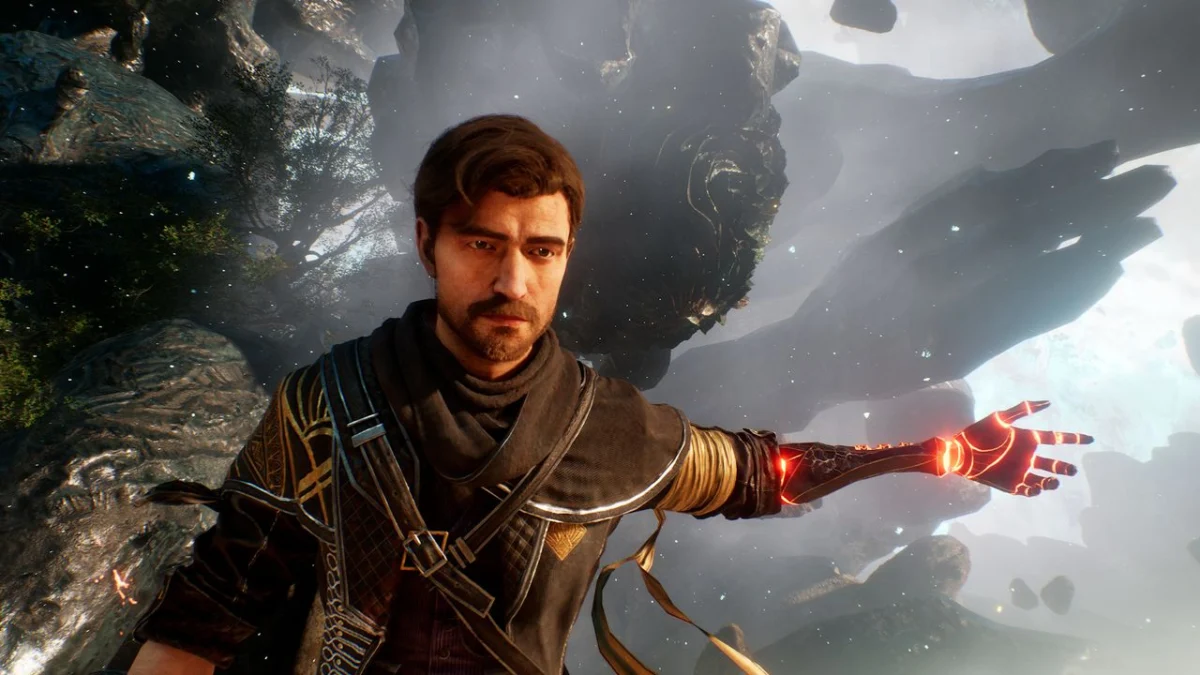
In an era where AAA game development is increasingly defined by ballooning budgets, decadelong production cycles, and a tightening job market, the industry is facing a crisis of sustainability. As development costs for major titles push toward the $300 million mark and beyond, the appetite for risk within massive studios has plummeted. This risk-aversion has created a ripple effect: fewer entry-level positions, higher barriers to entry for junior talent, and a growing disconnect between the workforce of the past and the needs of the future.
However, a counter-narrative is emerging, led by the meteoric rise of Clair Obscur: Expedition 33. As industry leaders look for a path forward, the success of this "AA-sized" powerhouse is being held up as a blueprint for how smaller, more agile teams can achieve excellence by betting on raw, untapped talent.
The State of Modern Development: A Call for Balance
The discussion surrounding the current state of game development took center stage at this year’s Digital Dragons conference. Marcin Undak, a lead engine engineer on the juggernaut Diablo 4, provided a sobering look at the realities of modern production. During his presentation, Undak highlighted the friction between the industry’s need for stability and its desperate requirement for innovation.
The core of the issue, according to industry observers and developers, is the shrinking space for "junior" roles. As noted by attendees during the conference’s Q&A sessions, major studios—including titans like CD Projekt Red—have significantly narrowed their hiring pipelines. Even when entry-level positions are posted, the prerequisites have become increasingly daunting, often requiring experience levels that mirror those of mid-level or senior staff.
This environment, Undak argues, is unsustainable. "Every development team should seek a balance of experience and raw talent," he noted, emphasizing that while seasoned veterans provide the architectural framework and stability, junior developers provide the "spark"—the fresh perspectives and willingness to experiment that often define the difference between a competent game and a cultural phenomenon.
The Clair Obscur Phenomenon: A Blueprint for Success
The industry has been transfixed by the performance of Clair Obscur: Expedition 33 over the past twelve months. The JRPG has not only achieved monumental sales figures, crossing the 8-million-unit mark, but has also swept major Game of the Year (GOTY) awards, becoming only the second game in history to secure all five major industry accolades, following in the footsteps of Baldur’s Gate 3.
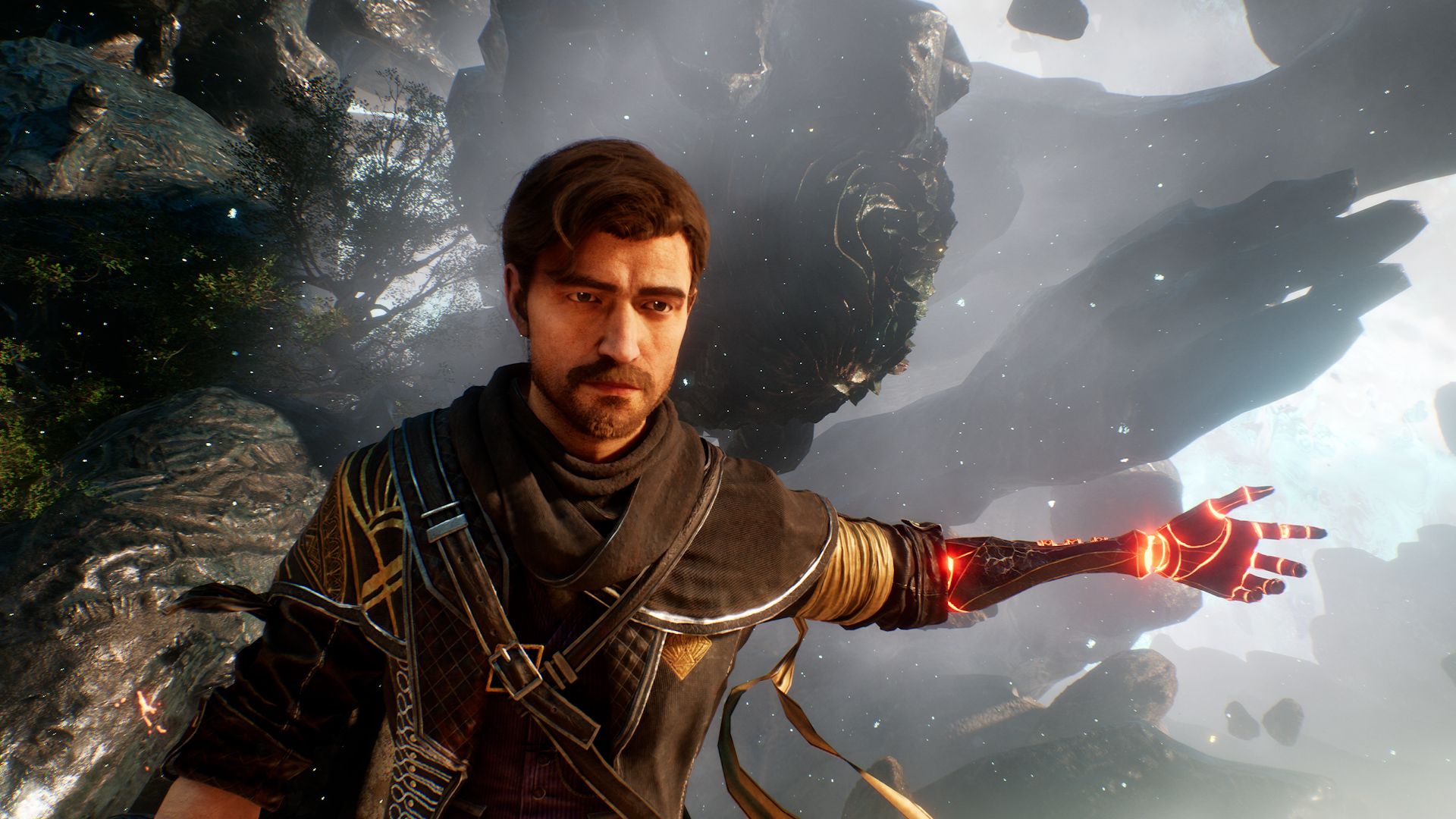
What makes this success story particularly poignant is the composition of the development team at Sandfall Interactive. While creative lead Guillaume Broche brought invaluable experience from his tenure at Ubisoft, the studio was, by and large, a "nobody company" during its inception.
Why the "Junior" Bet Paid Off
The decision to hire heavily from the junior talent pool was born out of financial necessity. Sandfall Interactive did not have the massive venture capital backing that allows AAA studios to hire exclusively from a pool of high-cost senior veterans. Instead, they had to be creative with their resources.
By integrating a core of experienced leads with a workforce of hungry, early-career developers, Sandfall managed to avoid the "groupthink" that often plagues larger, more entrenched studios. These junior developers, unburdened by the rigid workflows of legacy systems, brought a sense of urgency and a willingness to iterate rapidly. This dynamic proved to be the secret ingredient in the game’s design, allowing for the inclusion of experimental mechanics—such as the now-infamous, skill-based volleyball minigame—which resonated deeply with players for their audacity and polish.
The Economic Implications of "AA" vs. "AAA"
The industry is currently grappling with the "AAA trap." Reports indicate that the cost to produce a top-tier title is approaching $300 million, necessitating massive, safe, and often derivative design choices to ensure a return on investment. This fiscal pressure is a primary driver behind the decline in junior hiring; when a studio is betting $300 million on a single project, they are less likely to entrust tasks to inexperienced hands.
Clair Obscur: Expedition 33 offers a compelling alternative. By operating as a high-quality "AA" title, Sandfall Interactive utilized a mix of internal talent and strategic outsourcing. This model requires a leaner team, which in turn necessitates a more efficient hiring philosophy. The success of this title suggests that the industry may be nearing a tipping point: if players continue to reward smaller, more innovative games over bloated, safe, and expensive sequels, studios may be forced to pivot their hiring strategies to prioritize agility over pure tenure.
Chronology of an Industry Shift
- The Era of Expansion: Through the 2010s, AAA studios expanded their workforces rapidly, prioritizing the accumulation of "senior-level" talent to manage increasingly complex technical pipelines.
- The Correction: Following the post-pandemic market adjustment, the industry saw widespread layoffs and a pivot toward "risk mitigation." This resulted in a near-total freeze on junior hiring at major studios.
- The Rise of the Indie-AA Hybrid: Studios like Sandfall Interactive began demonstrating that high-production value (formerly the domain of AAA) could be achieved with smaller, more diverse teams if the creative vision was clear and the team composition was balanced.
- The Recognition: At conferences like Digital Dragons, the industry has begun to explicitly acknowledge that the reliance on senior-only teams has led to creative stagnation, prompting a renewed interest in the "junior-friendly" development models championed by the Clair Obscur team.
Official Perspectives and Industry Implications
The conversation sparked by Undak and the success of Sandfall Interactive is more than just a debate about hiring practices; it is a debate about the future of the medium.
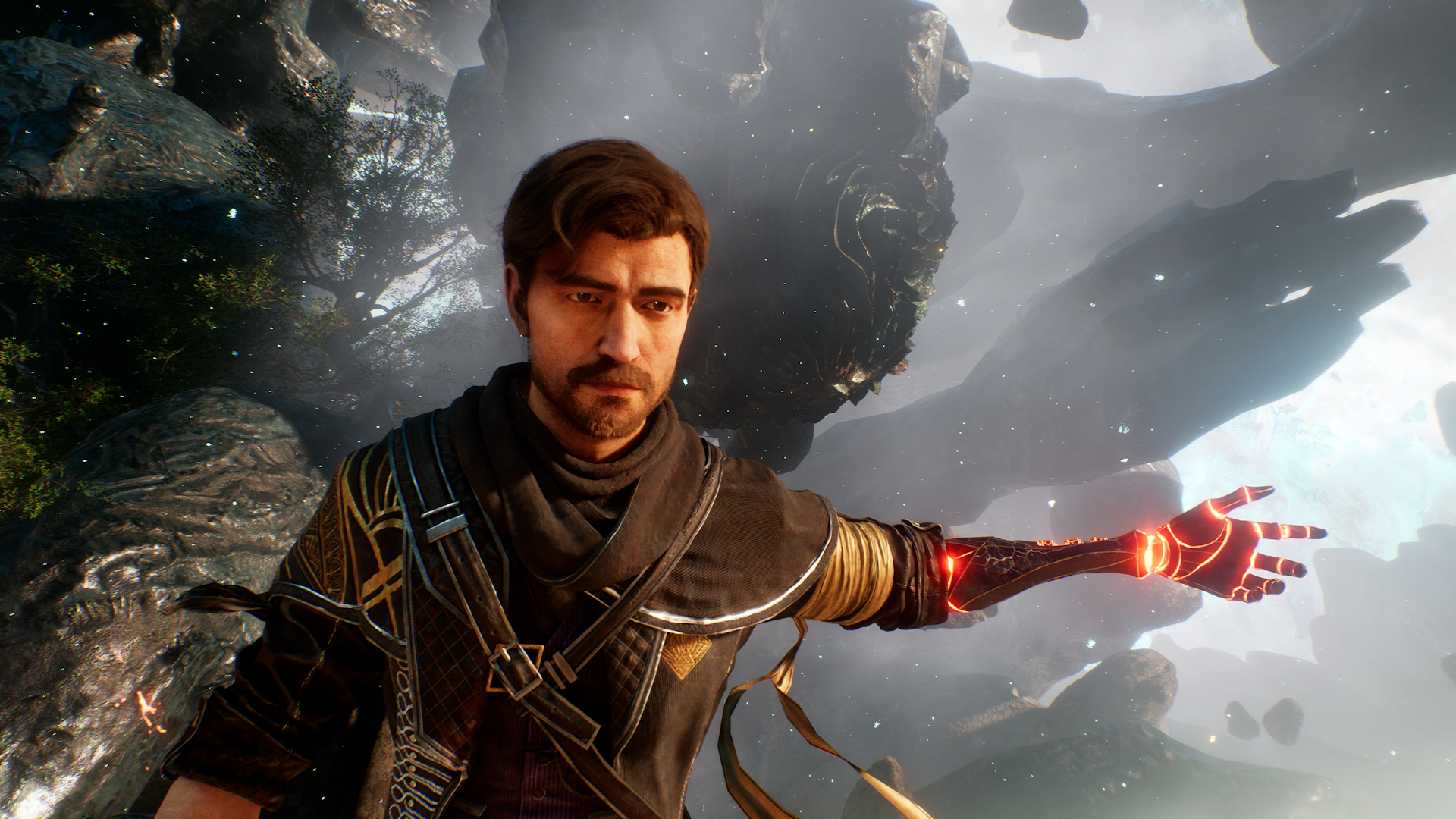
"We were a nobody company," Sandfall Interactive representatives have stated in previous interviews regarding their hiring process. "We had to hire young because we had no money, but it all turned out okay because those new devs brought fresh ideas that we would have never considered."
The implication for the broader industry is clear: the "senior-only" hiring model is not a necessity for quality—it is a choice. For studios looking to replicate the success of titles like Expedition 33, the path forward involves:
- Mentorship Pipelines: Investing in robust mentorship programs that allow senior staff to nurture junior talent, rather than using juniors as cheap labor.
- Risk-Adjusted Budgets: Moving away from the $300 million-per-title model to allow for more creative freedom, which in turn creates a healthier environment for junior experimentation.
- Talent Retention: Recognizing that junior developers are the future leads of the industry; by investing in them now, studios ensure their own long-term survival.
Conclusion: Looking Ahead
As the gaming industry enters a period of intense reflection, the lessons from Clair Obscur: Expedition 33 serve as a vital reminder. Passion, when coupled with a balanced team structure, can overcome the constraints of a limited budget. For the junior developer currently struggling to break into a tightening market, the success of Sandfall Interactive provides a glimmer of hope: that the industry is beginning to realize that the next generation of talent isn’t just a cost-saving measure—they are the key to the next great leap in gaming innovation.
The industry is currently in a state of flux, but if the voices at Digital Dragons and the success of the current GOTY-sweeping RPG are any indication, the future of development will belong to those who are brave enough to build with the future in mind, rather than clinging to the safety of the past.










No comments yet. Be the first to join the conversation!