

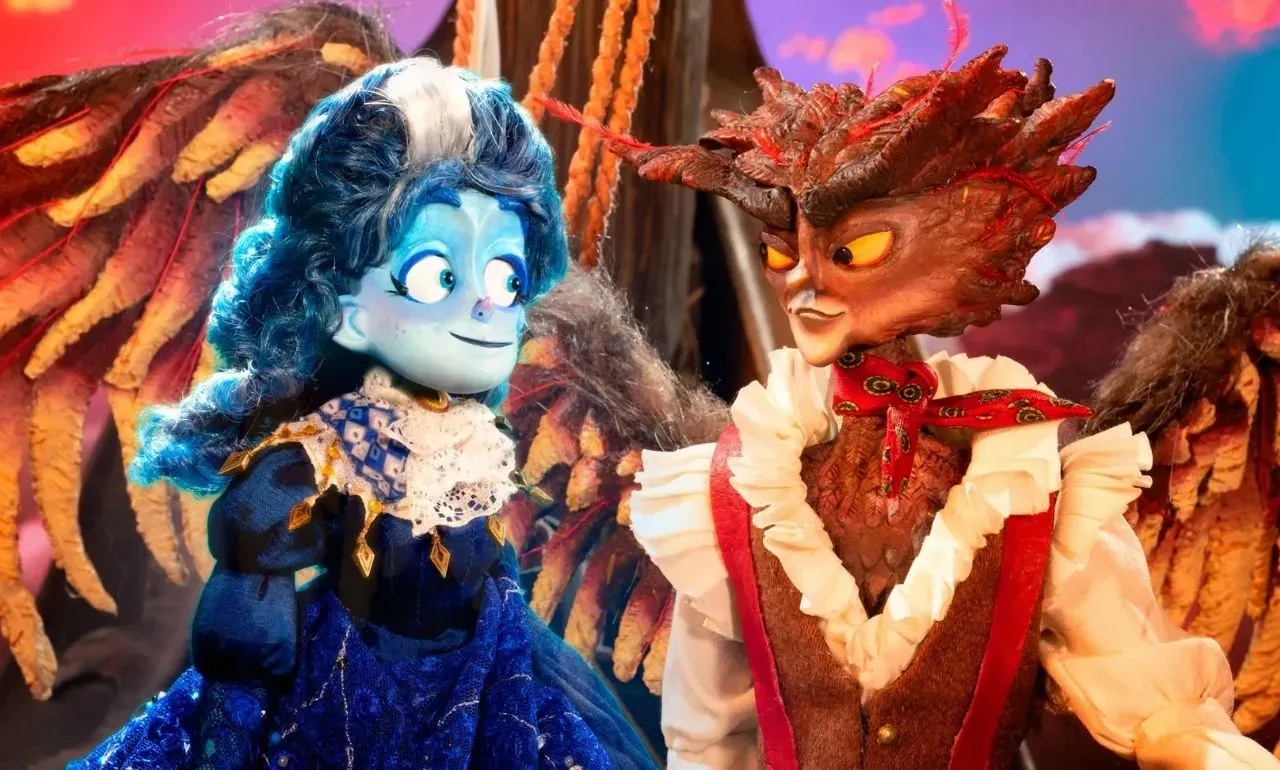
In an era increasingly dominated by the sterile precision of generative AI and the hyper-polished sheen of computer-generated imagery (CGI), a tactile, hand-crafted revolution is quietly taking hold. While major tech conglomerates face backlash for deploying artificial intelligence in animation—most notably seen in the recent controversy surrounding Amazon’s "KPop Demon Hunters" AI-mockbuster—Netflix is pivoting toward the authentic. The streaming giant is set to premiere I Am Frankelda (originally titled Soy Frankelda), a dark fantasy musical that stands as a landmark achievement in Mexican cinema. As the country’s first independent stop-motion feature film, it represents a defiant love letter to the meticulous, time-honored art of physical animation.
The Main Facts: A Dark Fairytale Comes to Life
I Am Frankelda is the brainchild of Arturo and Roy Ambriz, the visionary brothers behind the Mexico City-based animation powerhouse, Cinema Fantasma. The film, which is scheduled for a worldwide Netflix release on June 12, transports viewers to a reimagined 19th-century Mexico, blending gothic aesthetics with the whimsical terror of a classic campfire story.
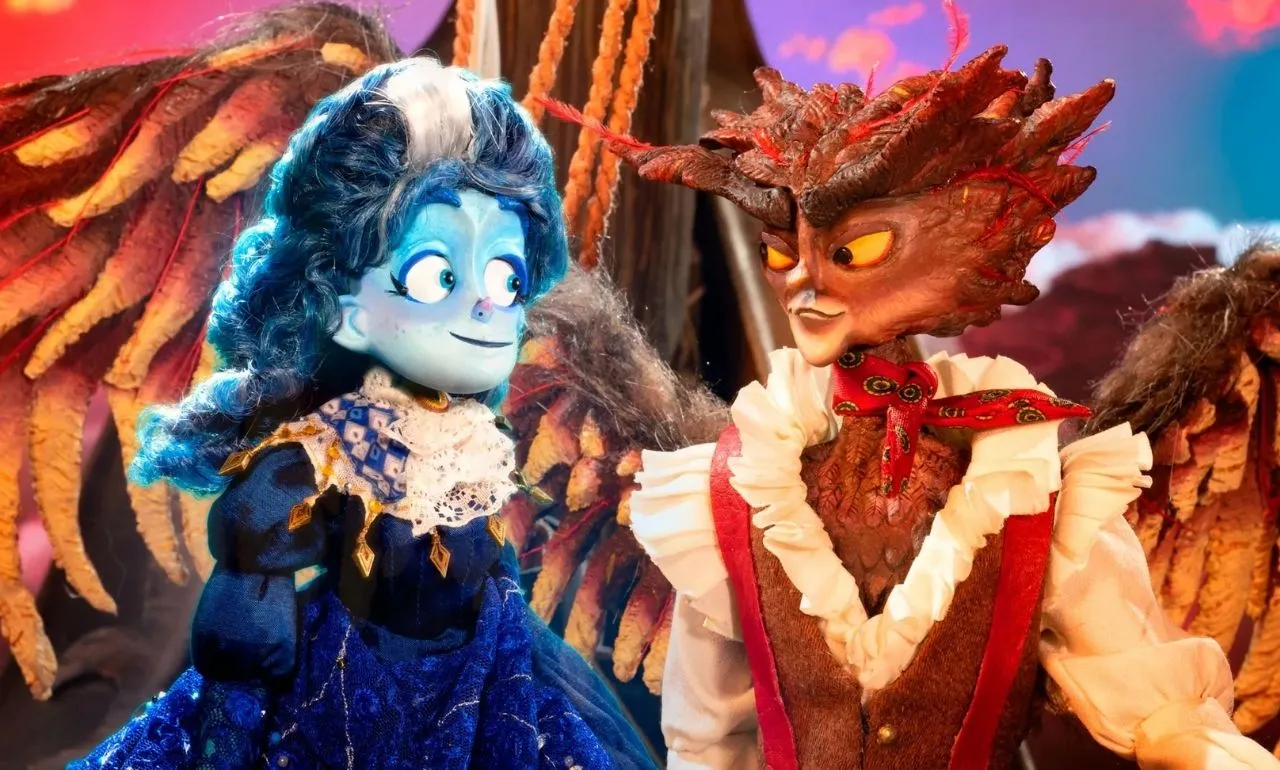
The narrative serves as a prequel to the acclaimed anthology series Frankelda’s Book of Spooks, which first captured the hearts of Latin American audiences via Cartoon Network in 2021. The film follows a young, imaginative writer who finds herself literally pulled into the depths of her own subconscious. There, she must confront the very monsters and ghosts she created in her stories, leading to a journey of self-discovery and dark musical escapades. With its rich color palette, intricate puppet design, and atmospheric lighting, the film has already drawn immediate, favorable comparisons to the works of Henry Selick and Tim Burton, particularly The Nightmare Before Christmas.
A Chronology of Craft
The journey of I Am Frankelda from a niche regional project to a global Netflix release is a testament to the persistence of independent creators.
- 2021: The foundation is laid with the release of Frankelda’s Book of Spooks on Cartoon Network Latin America. The series introduces the character of Frankelda and establishes the "spooky, musical" tone that would become the hallmark of the franchise.
- October 2023: Soy Frankelda makes its theatrical debut in Mexico. It defies the odds for an independent animated film, drawing over 600,000 cinemagoers and grossing approximately MXN $49.8 million (roughly US $2.86 million).
- Early 2024: Following its domestic success, the film gains traction in international animation circles, with industry veterans praising its commitment to traditional stop-motion techniques.
- June 2024: Netflix acquires the streaming rights, scheduling an international debut that includes the original Spanish-language version with subtitles, alongside a professional English-language dub.
Supporting Data: Why Stop-Motion Matters
The success of I Am Frankelda is not merely anecdotal; it aligns with a broader industry trend. Stop-motion is undergoing a significant renaissance, driven by audiences craving "tangible" art in an increasingly digital world.

Data from the production of I Am Frankelda highlights the sheer scale of the endeavor. Unlike digital animation, which can be altered with a keystroke, every frame of the Ambriz brothers’ film required manual intervention. The production team utilized specialized lighting rigs, hand-sculpted clay figures, and meticulously painted sets that evoke the aesthetic of 19th-century Mexican architecture.
When compared to 3D animation, which often relies on "layers upon layers" of digital rendering to mimic reality, stop-motion provides a unique light-refraction quality that cameras capture naturally. This "tactile approach" is what the Ambriz brothers argue gives the film its soul. The production also benefited from the guidance of legendary filmmaker Guillermo del Toro, whose mentorship helped refine the film’s narrative arc, ensuring that the horror elements remained balanced with the emotional weight of the protagonist’s journey.
Official Responses and the Philosophy of the Ambriz Brothers
In various interviews leading up to the Netflix release, the Ambriz brothers have been vocal about their disdain for the "shortcuts" taken by modern studios. They view stop-motion as a multidisciplinary art form that requires a mastery of sculpture, painting, photography, and traditional theater.
"We prefer the tactile approach," the brothers noted in a recent discussion about their production process. "When you work with puppets, you are dealing with real physics, real gravity, and real light. It’s not about making something look presentable through computer processing; it’s about making it exist in the physical space."
Their perspective resonates with a growing sentiment in the creative community. As the industry grapples with the ethical and artistic implications of AI-generated content, the brothers’ focus on the "human touch" has become a rallying point for animation traditionalists. Their work at Cinema Fantasma—which also includes the production of Adult Swim’s Women Wearing Shoulder Pads—consistently pushes the boundaries of what independent studios can achieve with limited budgets but unlimited dedication.
Implications: The Future of Independent Animation
The release of I Am Frankelda on a platform as massive as Netflix carries significant implications for the future of the medium.
1. The Decentralization of Animation
For decades, the global animation market has been dominated by a handful of American and Japanese studios. The success of a Mexican-made, independent stop-motion film proves that high-quality, culturally specific stories can command global audiences. It encourages other international creators to invest in their local folklore and artistic traditions rather than chasing the homogenized aesthetics of mainstream blockbusters.
2. A Pushback Against "AI-First" Production
The contrast between the controversy surrounding Amazon’s "KPop Demon Hunters" (which faced intense scrutiny for using AI to generate its promotional material) and the warm reception of I Am Frankelda is telling. Audiences are demonstrating a sophisticated ability to distinguish between generative shortcuts and true artisan craftsmanship. By backing I Am Frankelda, Netflix is signaling that there is a viable, high-value market for human-centric storytelling.
3. The Revival of the "Slow" Arts
In a digital economy that prioritizes speed and output, the "slow" nature of stop-motion is being repositioned as a luxury asset. Projects like Laika’s upcoming Wildwood, Canva’s stop-motion ad campaigns, and the Unreal Engine 5 stop-motion game Out of Words demonstrate that whether in gaming, advertising, or film, the audience’s eye is drawn to the imperfections and warmth of hand-crafted work.
Looking Ahead
As the June 12 premiere approaches, the conversation surrounding I Am Frankelda is less about the technical specs of the film and more about the cultural significance of its existence. It is a reminder that storytelling is an act of human labor, a synthesis of varied disciplines that cannot be replicated by an algorithm.
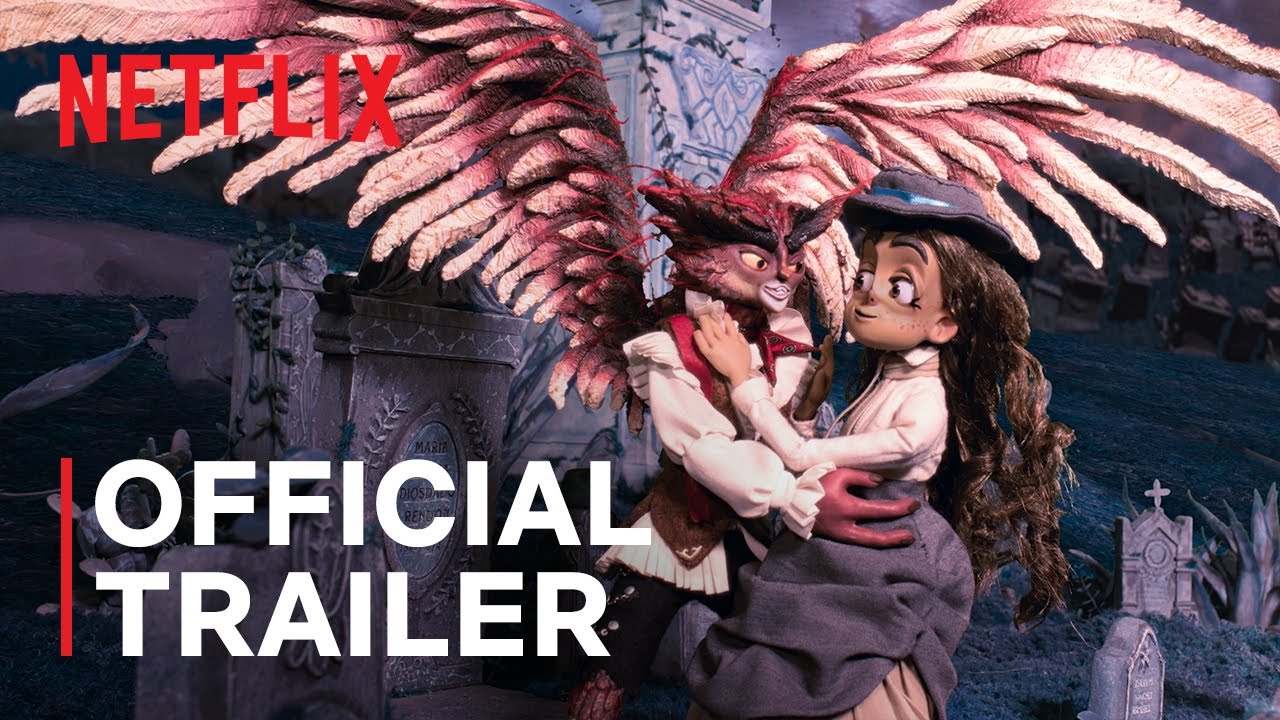
For those who wish to dive deeper into the process, the Ambriz brothers have curated a wealth of resources, including making-of featurettes, concept art archives, and documentation from the Soy Frankelda exhibition held at Mexico City’s Cineteca Nacional. These materials reveal a production process marked by thousands of hours of patience, demonstrating that while technology may change the tools we use, the heart of animation remains anchored in the physical world.
As we look toward the future of the industry, I Am Frankelda stands as a beacon. It suggests that even in a world obsessed with the next technological leap, there is a profound, enduring space for the artist who simply picks up a puppet and begins to move it, one frame at a time.









No comments yet. Be the first to join the conversation!