Ammar Sabilarrohman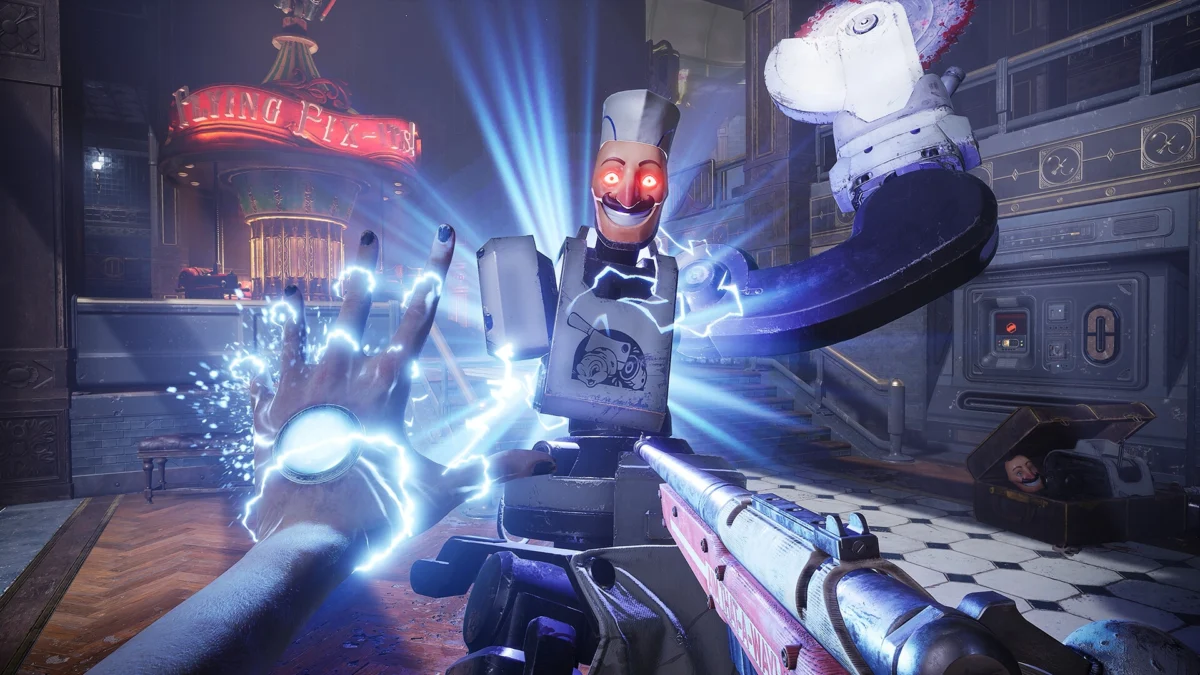
After years of radio silence and intense speculation, the shroud of mystery surrounding Judas—the long-gestating project from BioShock creator Ken Levine—is finally beginning to lift. Recent corporate maneuvers from Ghost Story Games, the studio founded by Levine following the closure of Irrational Games, indicate that this ambitious sci-fi title has entered its critical final development phase. As the industry looks toward a potential 2027 release window, the gaming community is bracing for what many hope will be the next evolution in narrative-driven, first-person shooters.
The Latest Developments: A Shift Toward Public Engagement
The primary catalyst for this renewed excitement is a recent job posting from Ghost Story Games. As spotted by eagle-eyed observers on platforms like Reddit, the studio is actively recruiting a "Player Experience & Community Manager." While recruitment for community roles is standard practice for any growing studio, the specific responsibilities outlined in the job description provide a roadmap for the game’s current state.
The listing explicitly calls for a professional capable of coordinating both internal and external playtests, managing community-facing communications, and supporting content creators. In the lifecycle of AAA game development, this transition from "siloed, internal production" to "external, player-focused testing" is a definitive signal that the game has moved out of the early prototype stage. It suggests that the "Narrative Legos" system—Levine’s signature promise for Judas—is now functional and ready to be stress-tested by a wider audience to ensure the intended player experience resonates as expected.
A Chronology of a Vision: From ‘BioShock Infinite’ to ‘Judas’
To understand the weight of anticipation behind Judas, one must look back at the trajectory of its lead architect. Following the massive success of BioShock Infinite in 2013, Ken Levine famously disbanded Irrational Games, opting to scale down to a "smaller, more entrepreneurial" team. This team eventually evolved into Ghost Story Games, backed by publisher Take-Two Interactive.
- 2014–2016: The Quiet Years: After the dissolution of Irrational, Levine remained largely out of the public eye, focusing on restructuring his creative process. He spoke frequently about his desire to move away from linear storytelling toward something more reactive and modular.
- 2017–2021: The "Narrative Legos" Philosophy: During various industry talks, Levine teased his next concept: "Narrative Legos." The goal was to create a game where every choice a player makes—and every interaction they have—radically alters the narrative path, moving beyond the traditional branching dialogue trees found in most RPGs.
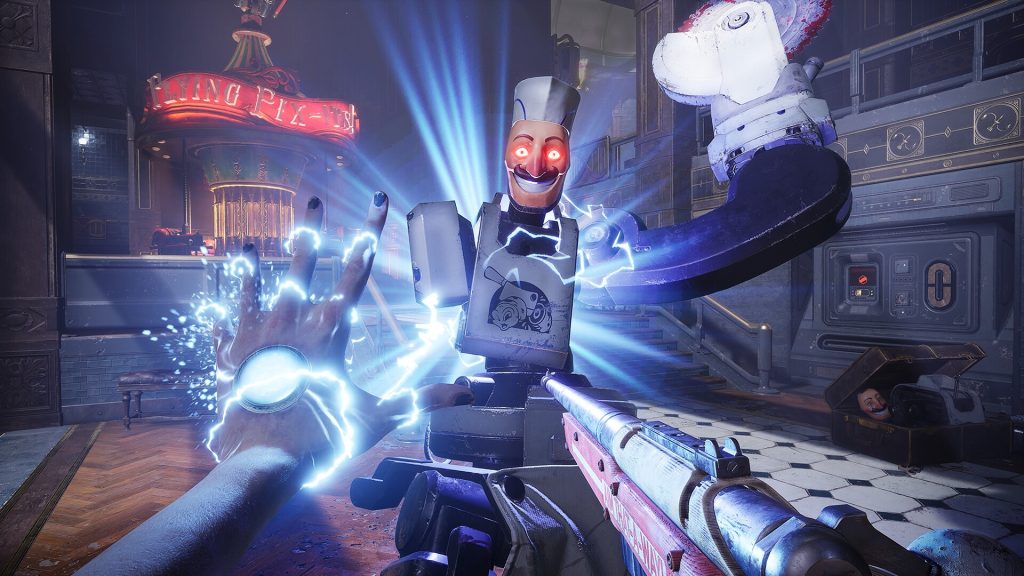
- 2022: The Official Reveal: Judas was officially unveiled at The Game Awards 2022. The trailer showcased a striking, stylized art direction reminiscent of BioShock’s opulent decay, set in a crumbling space station called the Mayflower.
- 2023–2025: Strategic Delays: Originally, parent company Take-Two Interactive hinted at a release window as early as March 2025. However, the complexity of implementing a highly reactive, procedural narrative engine caused inevitable development friction, pushing that window further back.
- 2026: The Testing Phase: As of mid-2026, the shift in hiring practices confirms that the studio is moving from "building the foundation" to "refining the player experience."
The Core Concept: What are "Narrative Legos"?
At the heart of Judas lies a proprietary design philosophy that Levine calls "Narrative Legos." In traditional game design, developers spend hundreds of hours crafting specific narrative "beats" that are then gated by progress. If a player walks through a door, a script triggers; if they don’t, they miss the content.
Levine’s approach in Judas seeks to break this mold. By building a system where individual narrative fragments can be recombined based on player action, the game aims to create a truly bespoke experience. If you decide to align with one character over another, the game doesn’t just change a line of dialogue; it reconfigures the environment, the political power structure of the Mayflower station, and the very threats you face. This is an ambitious technical undertaking, explaining the extended development time. It is not merely a shooter; it is a system-driven story engine.
Supporting Data: Why Take-Two is Playing the Long Game
Take-Two Interactive, the parent company overseeing Ghost Story Games, has been exceptionally patient with this project. In the current market, where AAA development costs often exceed $200 million and cycles last upwards of five to seven years, Judas represents a significant financial risk—but also a massive potential reward.
Take-Two’s recent financial reports have consistently pointed toward a "robust pipeline" of upcoming titles. While the company is currently preoccupied with the juggernaut that is Grand Theft Auto 6, the management team has consistently categorized Judas as a "premium narrative experience" that will distinguish their portfolio. The decision to allow the studio the time to perfect the "Narrative Legos" system suggests that Take-Two views Judas as a potential "prestige" title—the kind of game that wins awards and defines a generation, much like the original BioShock did in 2007.
Industry Implications: The Return of the "Auteur"
The release of Judas will be a litmus test for the "auteur" model in modern gaming. In an era where many large-scale titles are developed by massive, decentralized teams of thousands, Ken Levine’s approach is a throwback to a time when a single, strong creative vision dictated the flow of a game.
If Judas succeeds, it will likely trigger a trend toward more modular, highly reactive storytelling engines. Other studios, currently struggling with the rising costs of traditional cinematic presentation, will be watching closely to see if Levine’s system is a viable blueprint for the future of interactive media. If the game is too obtuse or fails to deliver on its promise of player agency, it could signal a shift away from individual-led creative projects in favor of safer, proven formulas.
Official Responses and Studio Culture
Ghost Story Games has maintained a policy of extreme discretion. Aside from brief updates at major gaming showcases, the studio has avoided the "marketing hype machine" that often plagues projects like this. This culture of silence is intentional; it is designed to protect the creative team from the pressures of public expectation while they solve the complex technical problems inherent in their design.
When reached for comment in previous quarters, Take-Two executives have remained bullish, emphasizing that they are "committed to giving Ghost Story Games the runway they need to deliver a masterpiece." This support is crucial. Without the financial backing of a company like Take-Two, a project as experimental as Judas would have likely been canceled years ago.
Conclusion: The Final Stretch
As we look toward the potential 2027 launch, the landscape for Judas is becoming clearer. It is no longer a theoretical concept or a series of ambitious design documents; it is a functioning piece of software currently undergoing the rigors of playtesting.
The appointment of a new Community Manager is the final piece of the puzzle. It marks the transition from the "incubation" phase to the "marketing" phase. For fans who have waited since 2013 for the next true evolution of Ken Levine’s craft, the wait is nearing its end. Whether Judas lives up to the lofty shadow of its predecessors remains to be seen, but one thing is certain: the industry is ready for the next revolution in how stories are told through the lens of a first-person shooter.
If all goes according to plan, by this time next year, we will likely be seeing full gameplay demonstrations and receiving a concrete release date. Until then, the Mayflower station remains a dark, quiet place—but the lights are finally being turned on.


 Dwi Wanna
 Sagoh
Sagoh