

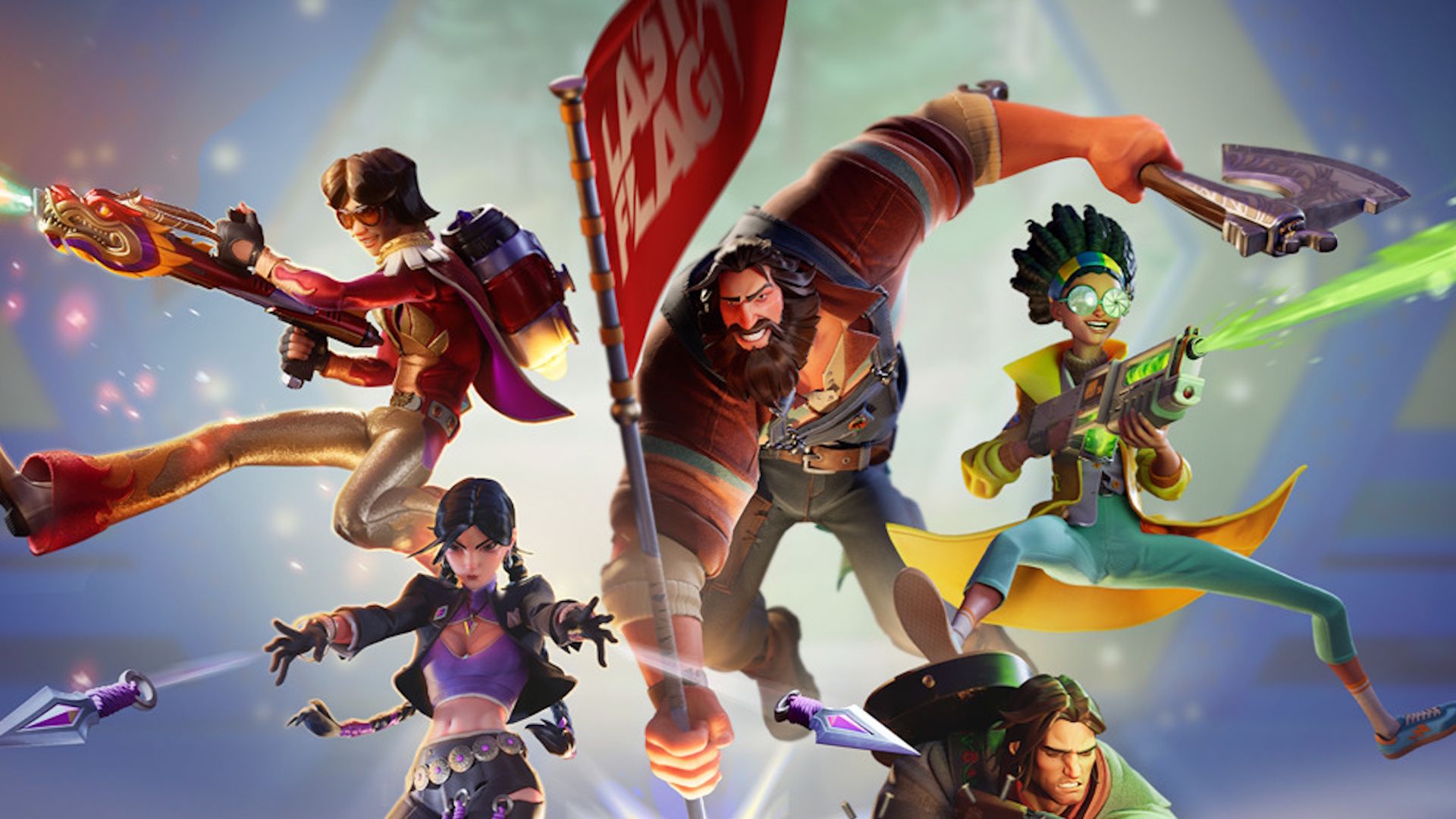
In the volatile landscape of the modern gaming industry, few projects manage to capture the public imagination quite like Last Flag. When it was first announced, the Capture-the-Flag (CTF) shooter generated immediate intrigue—not just for its gameplay, but for its high-profile pedigree. Founded by Mac and Dan Reynolds—the manager and lead singer, respectively, of the global pop-rock phenomenon Imagine Dragons—the studio, Night Street Games, entered the industry with both significant capital and a massive built-in audience.
Yet, as the dust settles on a turbulent fiscal year, Last Flag has become the latest cautionary tale in the multiplayer shooter genre. Despite critical praise for its core mechanics, the studio has been forced to downsize, marking a difficult transition from a high-stakes launch to a measured, community-focused wind-down.
The Promise of a New Shooter
When Last Flag first emerged, it arrived with a clear vision: to revitalize the classic, high-octane Capture-the-Flag formula for a modern audience. During its initial reveal at Summer Game Fest, the game stood out for its polished aesthetic and tight, tactical movement.
Industry veterans and critics alike were pleasantly surprised. PC Gamer’s Tyler Wilde, who spent significant time with the title in early 2025, noted that the game was "worth trying whether or not you’re an Imagine Dragons fan." The sentiment was echoed across the community; the game’s core loop felt fresh, rewarding, and balanced—a rare feat for a debut studio. However, the disconnect between critical reception and commercial viability would soon become the defining narrative of the project.
A Chronology of Struggle
The path to the current layoffs was not sudden; it was a series of desperate attempts to pivot and find a sustainable player base.
- Early 2025: Last Flag launches to modest interest. Despite positive reviews for its gameplay, the concurrent player count on Steam remains lower than what is required for a live-service shooter to sustain long-term operations.
- April 2025: Recognizing the need to grow its footprint, Night Street Games experiments with a "Free-to-Play Weekend" model, offering the game at no cost during weekends to lower the barrier to entry and entice new users.
- Late April 2025: Just one week after the initiative began, the studio acknowledges the reality of the situation. In a candid post on Steam, the developers announce they are pulling the plug on active, long-term development, citing that the current player count cannot support the infrastructure required for the game’s original roadmap.
- May 2025: Executive Producer Jonathan Jelinek confirms a "reduction in team" via LinkedIn, signaling the formal end of the game’s expansion phase.
- Current Status: CEO Mac Reynolds confirms a reduction of approximately 12 staff members, with a core team of 13 employees remaining to pivot toward new prototypes.
The Mathematics of the Multiplayer Crisis
The struggles faced by Last Flag are emblematic of the "live-service trap" that has claimed dozens of titles over the past 24 months. The multiplayer shooter market is arguably the most crowded sector in the gaming industry. Titles like Valorant, Apex Legends, Overwatch 2, and Counter-Strike 2 command hundreds of thousands of daily active users, leaving very little oxygen for new entrants.
For a mid-sized, independent studio like Night Street Games, the cost of maintaining servers, anti-cheat infrastructure, and a constant stream of content updates is astronomical. When a game fails to reach a "critical mass"—a specific threshold of concurrent players needed to keep queues fast and the community vibrant—the business model collapses.
The decision to pivot to custom lobbies, as announced by the studio, is a strategic move to offload the burden of server costs onto the players themselves. By granting the community the ability to host their own matches with custom rules, the studio is essentially granting Last Flag a "zombie" status—allowing it to survive through its most dedicated fans rather than through corporate-managed matchmaking.
Official Responses and Corporate Accountability
The human cost of these shifts is a reality that CEO Mac Reynolds addressed directly in a statement to Game Developer.
"Our team poured everything into bringing Last Flag to life, and I’m proud of what we built together," Reynolds stated. "Game development is an inherently risky business, and it’s not lost on us what it means to take a chance on something you believe in."
Reynolds’ transparency stands out in an industry where layoffs are often communicated through cold, impersonal press releases. The studio’s commitment to supporting the laid-off employees over the coming months—presumably through severance, job placement assistance, or industry networking—is a necessary step in maintaining their reputation for future projects.
For the 13 developers remaining, the focus has already shifted. The studio is not folding; it is re-orienting. By moving away from the high-maintenance demands of a live-service competitive shooter, Night Street Games may be looking toward smaller, more focused experiences that are less reliant on massive player counts to be considered successful.
The Future of Night Street Games
What does this mean for the future of the studio? The transition from Last Flag to "new game ideas" suggests that the team is undergoing a period of intense creative reflection.
The gaming industry is currently witnessing a trend where mid-sized studios move away from the "GaaS" (Games as a Service) model. The immense failure rate of multiplayer-only titles has soured investors and developers alike, leading many to return to single-player experiences or cooperative games with lower server overhead.
For the players still holding onto Last Flag, the next few months will be a swan song. The promised updates—new characters, maps, and cosmetics—are effectively the final delivery of the game’s original vision. By allowing players to host their own custom lobbies, the studio is effectively handing the keys to the kingdom over to the community. This is a respectful way to exit the live-service space, ensuring that the game doesn’t simply "vanish" from library lists, but remains playable for as long as a group of friends wants to host a server.
Implications for the Industry
The Last Flag story serves as a stark reminder that celebrity involvement, high-quality gameplay, and significant marketing budgets are no longer guarantees of success. In an era where the average gamer has an endless backlog of titles, a new game must be more than just "pretty good"—it must be a cultural phenomenon to survive.
As the industry continues to contract, we are likely to see more studios like Night Street Games perform these "controlled landings." The era of "bigger is better" for multiplayer games is facing a harsh correction. Developers are learning that it is better to have a small, profitable game than a massive, bleeding one.
While the Last Flag experiment ultimately fell short of its commercial goals, the studio’s willingness to be transparent and its dedication to providing a proper send-off sets a standard for how studios should treat their communities during times of crisis. The 13 remaining developers at Night Street Games now have the challenge of proving that they can take the lessons learned from Last Flag and apply them to a project that fits the current market realities.
For now, Last Flag remains a testament to the ambition of its creators and the unpredictable, often unforgiving, nature of the gaming market. It was a game that dared to enter the arena, and while it didn’t win the war, it leaves behind a community that can continue to play, host, and remember what could have been.











No comments yet. Be the first to join the conversation!