

The landscape of foldable technology is shifting beneath Samsung’s feet. As the South Korean tech giant prepares for the next iteration of its marquee foldable series, the Galaxy Z Fold 8, industry whispers suggest a strategy defined by intense focus on physical aesthetics at the expense of several long-standing feature expectations. According to a recent leak from industry insider Ice Universe, Samsung is prioritizing a "sleek" form factor, potentially leaving behind key hardware advancements that power users have come to rely on.
For a company that once pioneered the foldable space, the Galaxy Z Fold 8 represents a critical crossroads. As competitors—and the looming specter of a foldable iPhone—tighten the race, Samsung’s decision to potentially omit specific features could either be a masterclass in minimalist design or a miscalculation of what foldable enthusiasts actually demand.
The Core Facts: What the Leaks Reveal
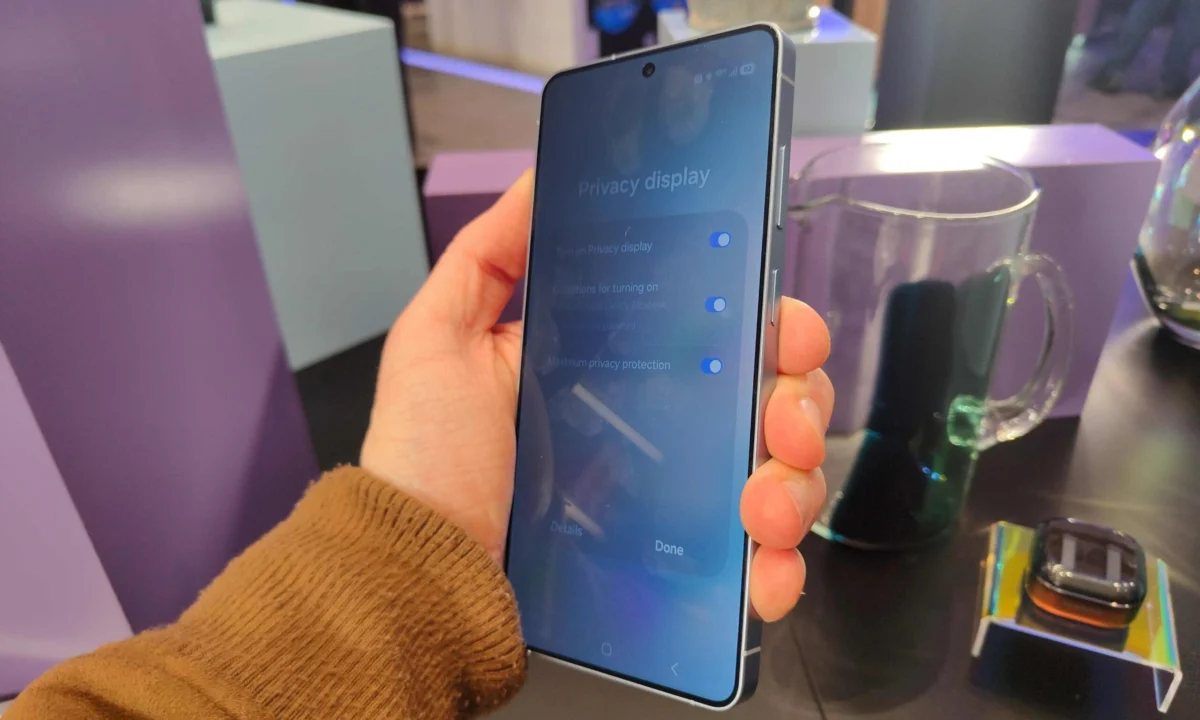
The latest intelligence, circulating via social media and industry reports, suggests that the Galaxy Z Fold 8 will be defined by three significant "absences." Specifically, tipsters indicate that the device will lack integrated S Pen support, bypass the inclusion of a specialized privacy display, and maintain the status quo regarding the device’s internal screen crease.

These omissions are striking because they seem to contradict the trajectory of previous generations, where Samsung consistently pushed for "more": more productivity, more screen stability, and more utility. If these leaks hold true, the Z Fold 8 will not be an exercise in feature-bloat, but rather an exercise in aggressive hardware trimming.
Chronology: The Evolution of the Foldable Flagship
To understand why these omissions are causing such a stir, one must look at the historical trajectory of the Galaxy Z Fold series.
- The Early Days (Fold 1 & 2): These devices were rugged prototypes. They were bulky, fragile, and lacked the refined software ecosystem necessary for a true tablet-phone hybrid.
- The Maturity Phase (Fold 3 & 4): This era introduced water resistance, improved durability, and most importantly, S Pen support. It solidified the Fold’s identity as a mobile workstation.
- The Thinning Era (Fold 5 & 6): Samsung shifted its focus toward the "hinge gap" and the overall thickness of the device. This was the start of the "sleek" aesthetic mandate.
- The Current Stagnation (Fold 7 & 8): As we reach 2026, the industry is seeing a transition. While competitors are experimenting with dual-hinges and crease-less glass, Samsung appears to be doubling down on the physical footprint. The current narrative is that the "Fold" must feel like a standard "candy bar" phone when closed, which has created a physical engineering conflict between thinness and internal hardware capacity.
Supporting Data: The Cost of Minimalism
Why would a company as successful as Samsung willingly remove a hallmark feature like the S Pen? The answer lies in the physics of thinness.

The Stylus Dilemma
The S Pen is not just a plastic stick; it requires an active digitizer layer underneath the display panel. This layer adds thickness, weight, and internal complexity. In an era where smartphone manufacturers are fighting for millimeters, the S Pen digitizer is an easy target for removal. If Samsung’s primary goal for the Z Fold 8 is to reach a sub-10mm profile when folded, the digitizer becomes a primary casualty of the design phase.
The Display Crease
The "crease" has been the Achilles’ heel of the Fold series since its inception. While competitors like Oppo and Honor have utilized water-drop hinge designs to virtually eliminate the visibility of the fold, Samsung’s reliance on its specific internal display technology has meant that the crease remains a tactile and visual reality. The latest reports suggest that Samsung is choosing to refine the hinge rather than overhaul the display substrate, meaning the crease will likely persist as a reminder of the limitations of flexible OLED panels.
The Privacy Screen Omission
The decision to skip a privacy screen is perhaps the most confusing. A foldable device is often used in public—on trains, in offices, and in cafes—to display large, expansive documents or media. The lack of a directional light-control layer (privacy screen) means that users will continue to be vulnerable to "shoulder surfing." As privacy becomes a premium concern for corporate users, this omission could be a point of contention for enterprise-level adoption.

The Competitive Landscape: The "iPhone Fold" Factor
The shadow of Apple is long, even in the foldable market. Rumors of an "iPhone Fold" have persisted for years, with analysts suggesting that Apple is waiting for the technology to mature to a point where the "crease" is non-existent and the "thinness" is industry-leading.
If the Galaxy Z Fold 8 hits the market with a visible crease and no stylus support, it risks looking like a legacy device. Samsung’s primary competitive advantage has historically been "feature superiority." By stripping away features to prioritize slimness, Samsung is essentially conceding the "productivity" high ground, potentially leaving an opening for Apple or other Chinese manufacturers to claim the title of the true "pro-level" foldable.
Implications: A Risk to the "Power User" Demographic
The implications of these design choices are profound. The Galaxy Z Fold series was never just a consumer toy; it was a device for architects, artists, and business executives who needed a mobile office.

The Alienation of the Core
If you remove the S Pen, you remove the primary reason many users choose the Fold over a standard S-series Ultra phone. If the Fold 8 is essentially just a "wide" phone that opens into a tablet, but lacks the input tools to make that tablet useful, the value proposition weakens.
The "Sleek" Marketing Pivot
Samsung is likely betting that the average consumer values comfort over utility. By making the phone lighter and thinner, they hope to attract the mainstream user who was previously intimidated by the bulk of the Fold. This is a gamble. The mainstream market may still prefer the durability and battery life of traditional flagships, while the niche power users who currently own the Fold might find the new model insufficient for their professional needs.
Official Responses and Industry Sentiment
Samsung has yet to issue an official statement regarding the specific hardware specifications of the Galaxy Z Fold 8, adhering to its policy of not commenting on leaks or rumors. However, public comments from Samsung executives in previous briefings have hinted at a shift in philosophy.

"The next phase of foldable evolution is about making the technology invisible," one executive noted during a recent industry conference. This "invisibility" is being interpreted by analysts as a drive toward making the foldable feel exactly like a standard smartphone. While this is an engineering marvel, it may not be what the market actually wants.
Tech analysts have reacted with mixed sentiment. Some argue that Samsung is "maturing," suggesting that a thinner, more refined device will sell more units to the general public than a bulky "feature-heavy" device would. Others, however, believe that by "dumbing down" the Fold, Samsung is losing its identity as the innovator of the category.
Future Outlook: Can Samsung Reclaim the Narrative?
The success of the Galaxy Z Fold 8 will depend entirely on how Samsung markets these "omissions." If they frame it as a "refined, everyday-carry foldable," it might find success. If they attempt to market it as the ultimate productivity machine while simultaneously stripping away the tools that make it one, they will likely face a backlash from their most loyal customer base.

Ultimately, the smartphone market is cyclical. If the Z Fold 8 underperforms because of these missing features, it is likely that the Galaxy Z Fold 9 or 10 will see the return of the S Pen, likely integrated into the frame or re-introduced as a primary selling point.
For now, the industry watches with bated breath. The Galaxy Z Fold 8 is shaping up to be a device that is physically superior to its predecessors, yet arguably less capable. It is a bold, albeit risky, bet on form over function—a move that could either redefine the foldable category or leave Samsung scrambling to correct course in a year’s time.
Whether this "soul-crushing" list of omissions is a strategic error or a necessary evolution remains to be seen. What is certain, however, is that in the race to be the thinnest and the most elegant, Samsung has reminded us that every design choice—no matter how small—carries a cost that the user will ultimately have to pay.












No comments yet. Be the first to join the conversation!