

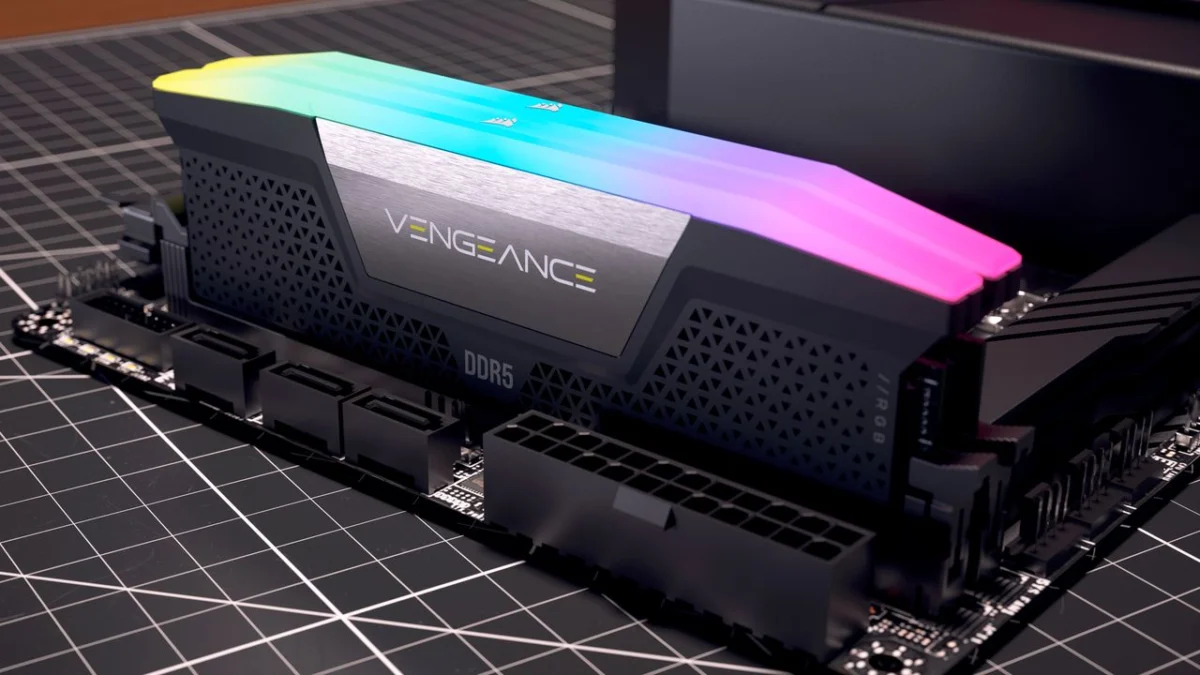
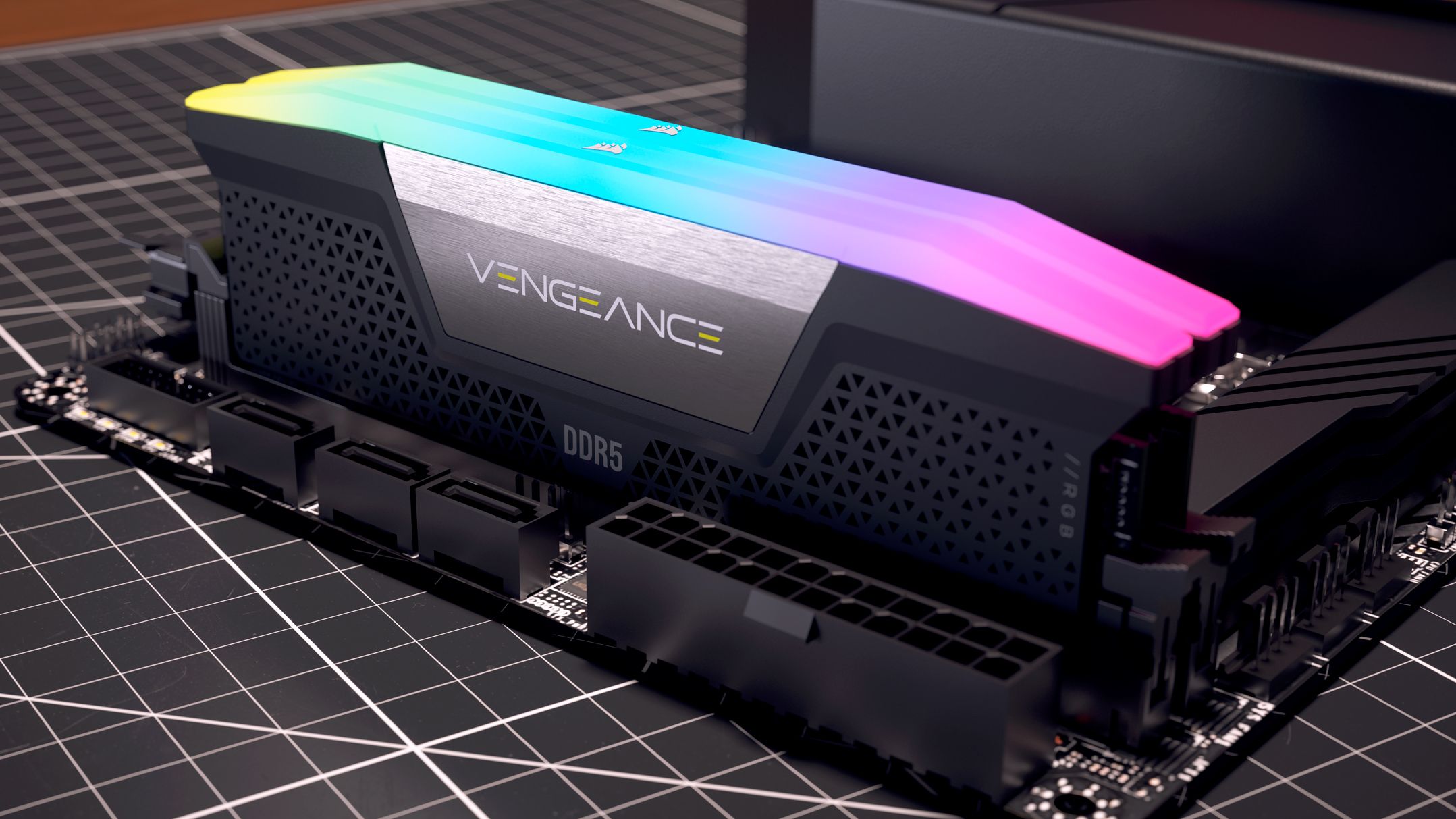
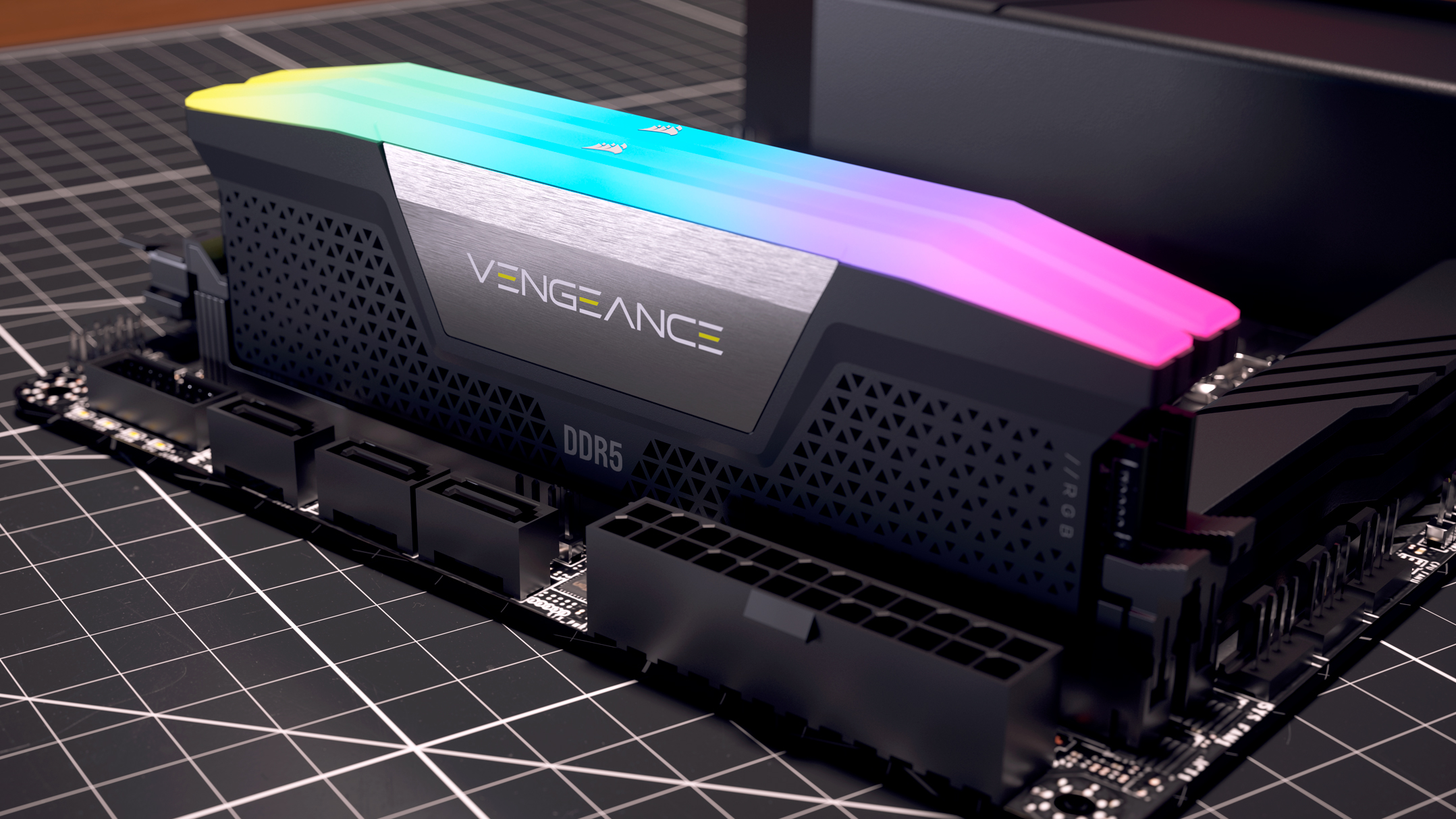
The global semiconductor landscape is witnessing a subtle yet significant shift. In a development that signals both the maturation of China’s domestic memory industry and a strategic adjustment by global hardware giants, ChangXing Memory Technologies (CXMT) has officially entered the mainstream consumer PC market. Recent reports, bolstered by findings from hardware enthusiasts, confirm that Corsair—one of the world’s most recognizable names in high-performance memory—has begun shipping DDR5 modules utilizing CXMT-manufactured DRAM dies.
This integration represents a critical milestone for CXMT, a company that has spent the better part of the last few years navigating restrictive international trade policies while rapidly scaling its production capabilities. For consumers, the appearance of these modules in a retail Corsair package suggests a potential cooling of memory prices or, at the very least, a diversification of supply chains as the "Big Three" of the memory world—Samsung, Micron, and SK Hynix—increasingly prioritize the lucrative data center and AI sectors.
The Chronology of CXMT’s Ascent
To understand the weight of this development, one must look back at the trajectory of CXMT over the past 24 months.
Late 2024: The Entry Point
In the closing quarter of 2024, the industry took note when CXMT announced its official foray into the DDR5 market. While many observers initially dismissed the company as a regional player with limited reach, the firm quickly dispelled such notions by publishing an ambitious technical roadmap. This roadmap detailed plans for memory modules capable of reaching speeds of up to 8,000 MT/s, alongside 16 Gb and 24 Gb density configurations.
Mid-2025: Expanding Capabilities
Throughout the first half of 2025, CXMT demonstrated that its chipmaking capabilities were far more resilient than anticipated, despite facing rigorous U.S. export restrictions on advanced semiconductor manufacturing equipment. By mid-2025, the company had successfully showcased LPDDR5X-10667 memory, proving that it could keep pace with high-bandwidth mobile and laptop requirements.
May 2026: The Corsair Integration
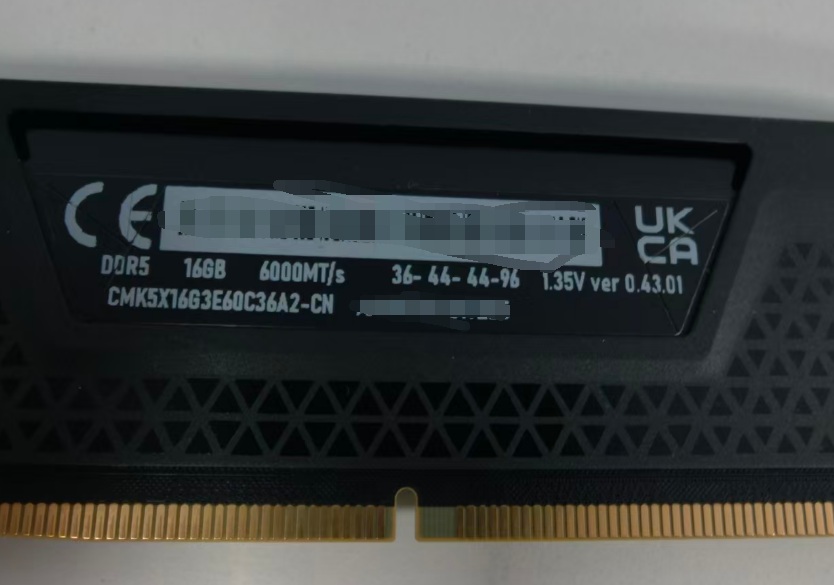
The most recent chapter in this narrative unfolded in late May 2026. Tech enthusiast @wxnod, a well-known figure in the hardware community, identified a specific Corsair Vengeance DDR5 16GB module sold in the Chinese market that utilized CXMT-branded DRAM dies. The module, identified by the part number "CMK5X16G3E60C36A2-CN," serves as the first clear instance of a tier-one global brand adopting CXMT silicon for a mainstream, retail-ready product.
Decoding the Hardware: Technical Specifications and Performance
The module in question is a DDR5-6000 kit with CL36 timings. While enthusiasts often chase the tighter timings of CL30, a CL36 kit at 6,000 MT/s remains a "sweet spot" for modern gaming systems, providing a robust balance between latency and raw bandwidth.
Analysis of the "CN" Variant
The inclusion of the "CN" suffix in the Corsair part number is a vital indicator. It confirms that this specific iteration is currently exclusive to the Chinese market. Furthermore, the presence of UKCA (UK Conformity Assessed) and CE (Conformité Européenne) markings on the packaging indicates that while it is being sold locally, the module is engineered to meet the regulatory standards required for sale in British and European markets. This suggests that Corsair’s quality assurance protocols for CXMT-sourced chips are in line with their global manufacturing standards.
Overclocking Potential
One of the most persistent questions regarding non-traditional DRAM manufacturers is their "headroom." Can these chips be pushed beyond their factory specifications? Initial tests on similar CXMT-based hardware, such as those sold under the KingBank brand, have shown promise. These modules have demonstrated the ability to reach 8,000 MT/s with 44-56-56-128 timings at a voltage of 1.5V. While this is not as aggressive as the binned dies found in ultra-premium overclocking kits, it indicates that CXMT’s manufacturing process has reached a level of maturity that allows for competitive performance in the mid-range enthusiast market.
The Industry Context: Why the Shift?
The adoption of CXMT silicon by Corsair is not merely a technical decision; it is an economic necessity dictated by the current state of the global DRAM market.
The Data Center Siphon
The global demand for HBM (High Bandwidth Memory) and high-density DDR5 for AI-driven data centers is currently insatiable. Samsung, SK Hynix, and Micron are dedicating a massive portion of their production capacity to satisfying this demand, as the profit margins on enterprise-grade hardware dwarf those of consumer desktop memory.
Consequently, consumer memory manufacturers have found themselves in a supply crunch. By partnering with, or sourcing from, CXMT, brands like Corsair can ensure consistent supply levels for their Vengeance product lines. Because CXMT is not currently burdened by massive contracts with hyperscale data center operators, they are uniquely positioned to dedicate their production lines to the consumer market—a segment that the major players are increasingly underserving.
Implications for the Future of DRAM
The arrival of CXMT in the global consumer supply chain has profound implications for the hardware ecosystem.
Price Stabilization
If CXMT can scale production effectively, it may act as a buffer against the price volatility that typically plagues the memory market. When supply from the "Big Three" is tight, prices for DDR5 kits usually spike. If a reliable, lower-cost alternative becomes widely available, it could force a stabilization of market prices, benefiting the end-user.
The Normalization of "Non-Traditional" Silicon
Historically, consumers have been brand-loyal to the "Big Three" manufacturers. However, as the performance gap between tier-one and tier-two DRAM shrinks, that brand loyalty is likely to erode. Most consumers do not check the manufacturer of their DRAM die; they check the clock speed, latency, and warranty. If Corsair continues to offer its industry-leading warranty support on kits featuring CXMT silicon, the average consumer is unlikely to perceive a difference in quality or reliability.
Geopolitical and Economic Resilience
For the Chinese market, this represents a significant step toward self-sufficiency in the semiconductor sector. By proving that their domestic DRAM can perform in a globally recognized retail product, CXMT has validated its technology to the broader industry. It also provides a hedge for global manufacturers against future supply chain disruptions. Should trade relations or logistics chains face further strain, the ability to integrate localized memory production could become a strategic asset for multinational companies.
Conclusion: A New Era of Competition
The move by Corsair to incorporate CXMT DRAM modules is a signal that the memory industry is entering a new phase of competition. While the "Big Three" remain the titans of the sector, the emergence of a capable, production-ready competitor in CXMT changes the dynamics of how consumer memory is sourced, priced, and distributed.
As we look toward the remainder of 2026 and beyond, the success of this Corsair-CXMT partnership will be measured by two factors: long-term reliability and price competitiveness. If these modules prove to be as stable as their counterparts from legacy manufacturers, we may see a wider adoption of CXMT silicon across other global brands. For the average gamer and PC builder, this shift may finally signal the end of the supply-constrained era, offering more choice and potentially better value in an increasingly complex global market.
For now, the hardware community remains watchful, waiting to see if this Chinese-exclusive experiment becomes a new global standard for the memory industry.










No comments yet. Be the first to join the conversation!