

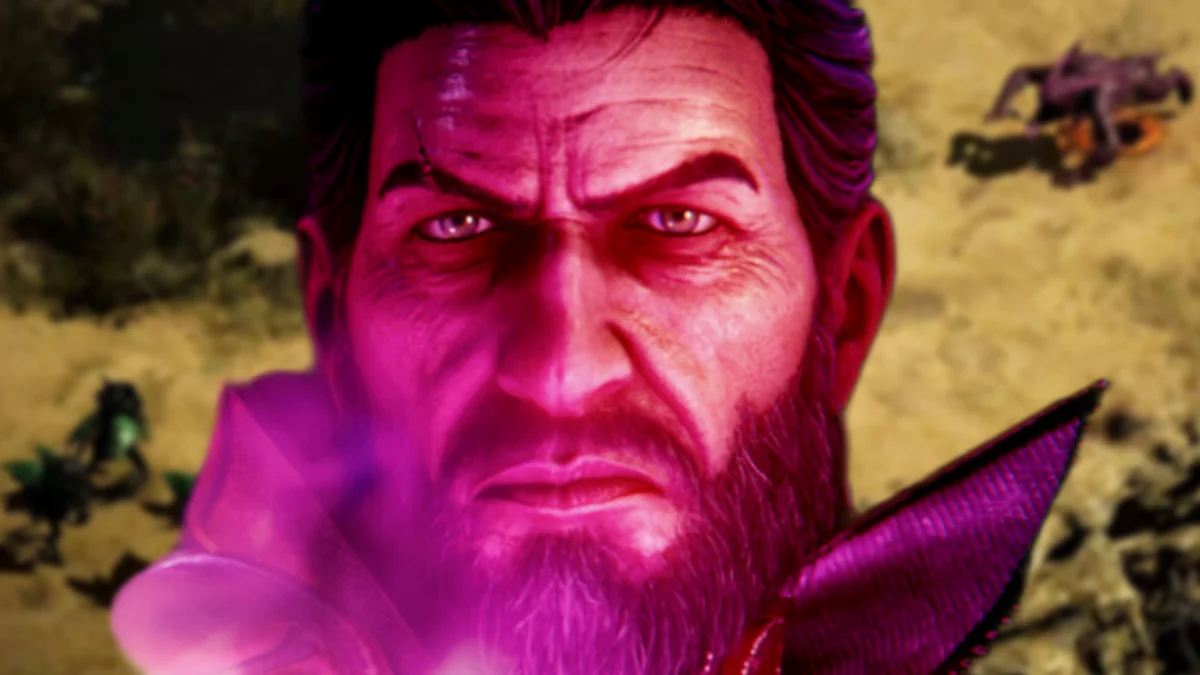
The hallowed halls of Sanctuary are echoing with new, sinister power. Diablo 2: Resurrected (D2R) has officially launched Season 14, marking a pivotal moment for the 26-year-old action RPG masterpiece. Following the surprise arrival of the Reign of the Warlock expansion—which introduced the game’s first entirely new character class in two decades—Blizzard has doubled down on its commitment to the title. This latest update is not merely a routine ladder reset; it is a comprehensive, balance-heavy overhaul designed to refine the Warlock’s dark potential, tweak the end-game experience, and modernize the game’s accessibility features.
The State of Sanctuary: Key Developments in Season 14
Season 14 arrives as a significant milestone for a game that many once considered a finished product. While Diablo 4 continues to capture headlines with its own expansive DLC roadmap, the D2R community has found a dedicated home in the Reign of the Warlock content. The Season 14 patch is defined by three pillars: class rebalancing, quality-of-life improvements regarding movement, and systematic adjustments to the high-level Terror Zone experience.
The most immediate change for players returning to the ladder is the re-introduction of WASD movement support. After a brief, experimental run in 2024, Blizzard has reinstated bindable keyboard movement keys. For veteran players accustomed to the classic "click-to-move" paradigm, this represents a massive shift in how the game feels moment-to-moment. While the initial iteration faced criticism for feeling less fluid than the movement systems found in Path of Exile 2 or Diablo 4, the return of this feature signals Blizzard’s willingness to iterate on player feedback, providing an alternative for those who find the traditional point-and-click control scheme a barrier to entry.
A Chronology of the Warlock’s Rise and Refinement
To understand the current state of Season 14, one must look at the rapid evolution of the Warlock since its introduction.

- The Launch: The Reign of the Warlock expansion debuted, bringing a complex, magic-heavy archetype to the game. It was immediately noted for its high skill ceiling and unique mechanics.
- The PTR Phase: Blizzard initiated a Public Test Realm (PTR) phase to gauge how this new class impacted the delicate ecosystem of Diablo 2’s itemization and difficulty scaling.
- Feedback Loop: The community provided extensive data, specifically highlighting mechanical frustrations within the "Demonic Binding" tree and concerns regarding the raw power output of "Miasma" skills.
- The Season 14 Patch: The current version reflects a "best of both worlds" approach, where Blizzard kept the identity of the Warlock intact while reigning in specific, game-breaking damage interactions.
The Warlock Under the Microscope: Detailed Balance Changes
The Warlock class, by design, was intended to be a master of magic who trades conventional defenses for overwhelming offensive utility. However, the Season 14 notes reveal that the class was initially over-performing in several key areas.
The Chaos Tree Adjustments
The Chaos tree was flagged for its disproportionate damage scaling. Abilities such as Ring of Fire, Flame Wave, and Miasma Bolt have seen their damage scaling reduced. Perhaps more importantly, the Abyss skill has received a hard cap on its maximum radius (11 yards), forcing players to be more tactical with their positioning rather than screen-clearing with impunity. The Miasma Chains skill received a significant mechanical change: a ‘next hit delay’ is now applied separately to each chain. This prevents the "shotgun effect," where multiple chains hitting simultaneously could result in unintended, massive burst damage.
Eldritch Tree and the "Intended Fantasy"
In a rare move, Blizzard decided to lean into a "bug" rather than fix it. The Echoing Strike skill was originally intended to consume weapon durability, but after observing player behavior on the PTR, the developers realized that the current interaction felt essential to the Warlock’s identity. They have officially codified this behavior, enshrining it as part of the "intended fantasy." Conversely, they have standardized the life and mana steal on Eldritch Blast to a flat 5%, removing the previous, potentially broken, scaling that could reach 20%.
The Complexity of Demonic Binding
The Demonic Binding tree underwent the most significant restructuring. To prevent Warlocks from easily securing game-breaking summons, Blizzard has introduced level-gated requirements:

- Level 10: Minimum requirement to bind Champions.
- Level 15: Minimum requirement to bind Uniques.
- Level 20: Minimum requirement to bind Super Uniques.
Furthermore, these powerful enemies now have a health-percentage threshold, requiring the player to weaken them significantly before the binding process can be initiated. This adds a layer of "hunting" to the gameplay, preventing the instant acquisition of elite minions.
Official Responses and Developer Philosophy
Blizzard’s communication regarding Season 14 has been remarkably transparent. In their official patch notes, the developers emphasized that maintaining the "uniquely iconic feel" of Diablo 2 is their primary directive.
"We deeply appreciate the community participation," the developer statement reads. "Maintaining the uniquely iconic feel of what makes Diablo 2 feel like Diablo 2 is impossible without interaction with each of you."
Regarding the Miasma skills, Blizzard admitted that the original design was meant to be "slightly awkward," with damage centered in a cloud rather than direct hits. When they attempted to lower damage output further to compensate for bug fixes, the community pushed back. Blizzard listened, opting to keep the damage values higher than the initial nerf proposals to see if the mechanical fixes alone achieved the desired balance. This demonstrates a shift toward a more collaborative relationship with the player base, where the developers are willing to delay or pivot on nerfs if the community demonstrates that the "feel" of the class would be negatively impacted.

Implications for the Future of D2R
The implications of Season 14 extend far beyond the Warlock class. By adjusting Terror Zones to spawn loot more consistently across tiers—while curbing the "excessive" drops that could trivialize the end-game chase—Blizzard is signaling a long-term commitment to the game’s economy. The goal is to keep the "chase" alive for players, ensuring that the hunt for high-end gear remains rewarding without breaking the long-term progression loop that has defined the series for over two decades.
Furthermore, the polish applied to controller support—addressing long-standing issues with the loot filter and stash management—suggests that Blizzard intends to keep Diablo 2: Resurrected as a viable, modern-feeling cross-platform title for years to come.
Conclusion: The Race to 99
As of today, the ladder is live, and the race to level 99 has officially begun. Players are reminded that the transition from Season 13 to 14 follows the standard protocol: previous seasonal characters have been relegated to the non-ladder pool, and their shared stashes have been converted to "withdraw only" tabs. This is the final window for players to secure their legacy gear before the Season 15 reset wipes those tabs clean.
Season 14 is a testament to the fact that Diablo 2: Resurrected is not merely living in the shadow of its successor. Through the Reign of the Warlock and these subsequent, carefully considered balance adjustments, the developers have successfully breathed new life into an old legend. Whether you are a veteran of the original 2000 release or a newcomer drawn in by the allure of the Warlock, there has never been a more interesting time to descend back into the darkness.











No comments yet. Be the first to join the conversation!