The spice must flow, but as the sands of Arrakis shift toward the final chapter of Denis Villeneuve’s sweeping science-fiction epic, the cost of that flow has never been higher. Warner Bros. has officially unveiled the first full-length trailer for Dune: Part Three, the concluding installment of the filmmaker’s ambitious adaptation of Frank Herbert’s seminal literary universe. With a theatrical release date set for December 18, 2026, the film is poised to serve as the definitive capstone to one of the most critically acclaimed cinematic achievements of the 21st century.
Adapting the transition from the hero’s journey of Dune to the tragic, complex political maneuvering of Dune Messiah, the third film promises to explore the darker side of destiny. As the dust settles on the war for the Imperium, audiences are invited to witness the transformation of Paul Atreides from a reluctant messiah into the most powerful—and feared—sovereign in the galaxy.
The Chronology of Chaos: Setting the Stage for the End
The narrative of Dune: Part Three picks up nearly two decades after the climactic events of the previous film. Paul Atreides, having seized control of the Imperium, has solidified his rule. However, the trailer suggests that this "victory" is merely the precursor to a much more profound existential crisis.
The timeline of the franchise has always been one of grand, sweeping changes, but this installment leans heavily into the weight of time. Paul is no longer the young man navigating the politics of Arrakis; he is an entrenched, ruthless Emperor. The chronological jump allows Villeneuve to explore the stagnation and moral decay that often accompany absolute power. As the synopsis confirms, Paul now stands at the center of a galaxy he has reshaped in his image, yet he is haunted by the very visions that once guided him—visions of an impending Imperial collapse that threaten to undo everything he has built.
Main Facts: A Star-Studded Return to the Desert
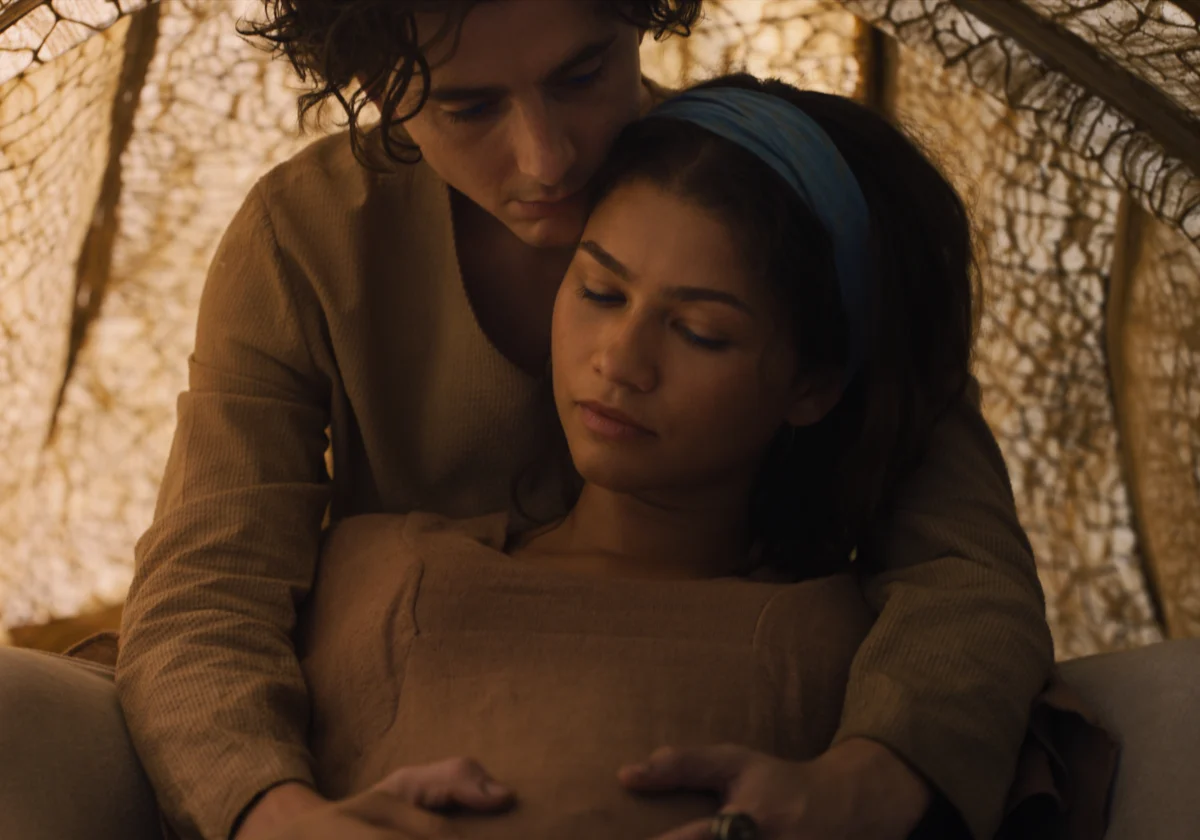
The production of Dune: Part Three represents a colossal gathering of modern acting talent. Timothée Chalamet returns to anchor the film as Paul Atreides, a character now burdened by the crushing reality of his god-like status. Opposite him, Zendaya reprises her role as Chani, who, according to the trailer’s revelations, has transitioned from a devoted lover into a pivotal figure of resistance, working to undermine the man she once sought to protect.
The cast list reads like a roll call of contemporary cinema’s elite:
- Timothée Chalamet as Paul Atreides (The Emperor)
- Zendaya as Chani
- Florence Pugh as Princess Irulan
- Anya Taylor-Joy as a transformed, blood-stained Alia Atreides
- Javier Bardem as the zealous Stilgar
- Robert Pattinson as Scytale, the shape-shifting face-dancer and primary antagonist
- Jason Momoa as the resurrected Duncan Idaho
- Rebecca Ferguson, Isaach de Bankolé, and Charlotte Rampling
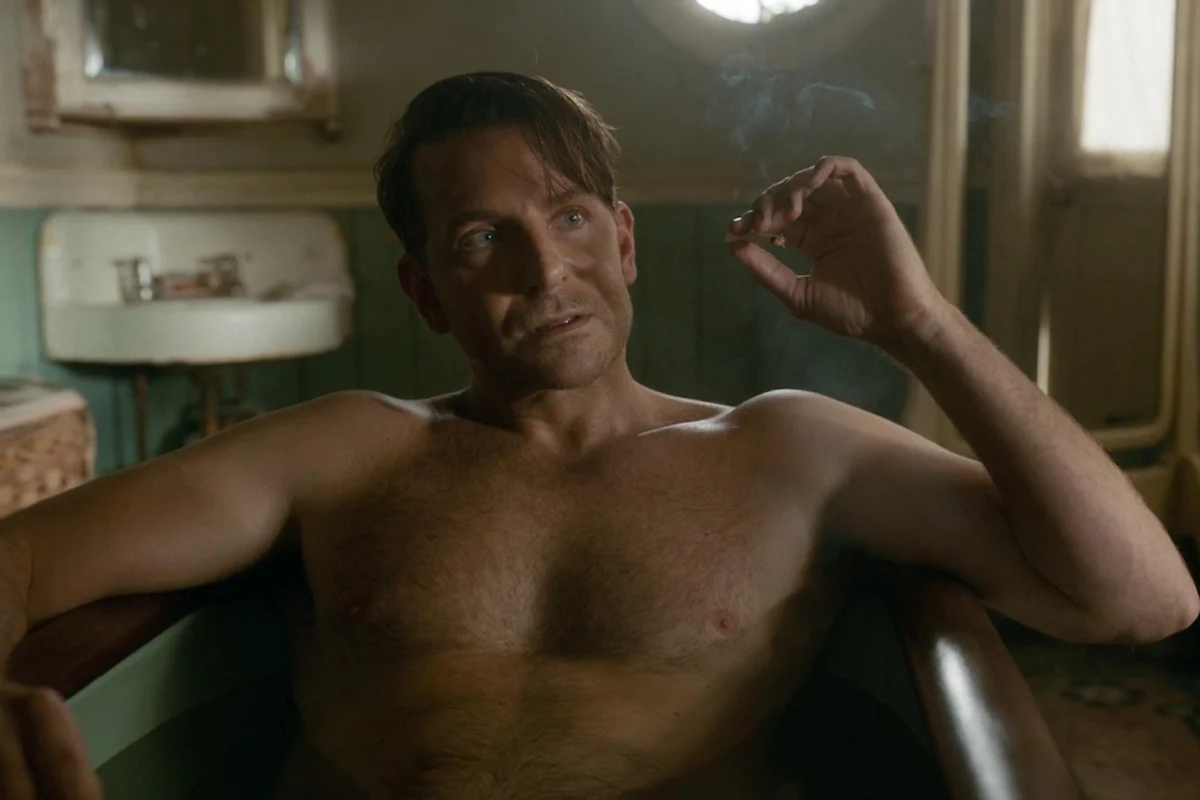
The inclusion of Robert Pattinson as Scytale is perhaps the most intriguing casting choice. In Herbert’s Dune Messiah, Scytale serves as a chilling representative of the Tleilaxu, and his ability to mirror the appearances of others provides the perfect catalyst for the paranoia and betrayal that dominate the narrative.
Supporting Data: Behind the Lens
The screenplay for this final chapter is a collaborative effort between director Denis Villeneuve and acclaimed writer Brian K. Vaughan, best known for his work on Paper Girls and his tenure at DC Comics. The synergy between Villeneuve’s visual mastery and Vaughan’s prowess in complex, character-driven storytelling is expected to elevate the film’s script to new heights.
The production budget and technical scope are expected to exceed those of Dune: Part Two. With the film confirmed as the conclusion to Villeneuve’s specific "oeuvre" regarding the Dune books, there is a clear sense of urgency and finality in the production’s mission. The film, which is being produced by Legendary Pictures and distributed by Warner Bros., has been in development since the early success of the first film, with Villeneuve consistently maintaining that three films were necessary to tell the complete, coherent story of the Atreides rise and fall.
Official Responses and Creative Vision
In recent press statements, Denis Villeneuve has been candid about his desire to stick closely to the thematic heart of Frank Herbert’s work. While the film takes creative liberties to function within the language of cinema, the goal remains the subversion of the "Chosen One" trope.
"Paul is not a hero in the traditional sense," Villeneuve noted in a previous interview regarding the development of the third film. "He is a warning. Dune: Part Three is about the terrifying reality of what happens when a leader gains absolute power, and the betrayal that inevitably follows when those closest to them realize the cost of that power."
Warner Bros. executives have echoed this sentiment, framing the release as the "event of the decade." The studio’s commitment to an exclusive theatrical window is a testament to the film’s anticipated scale, emphasizing that the immersion of the IMAX experience is essential to appreciating the visual language of the desert, the scale of the space-faring fleets, and the intimacy of the character moments.
Implications: The Legacy of a Masterpiece
The implications of Dune: Part Three for the science-fiction genre cannot be overstated. Since the release of the 2021 film, the franchise has redefined what "prestige" sci-fi looks like. It has bridged the gap between niche literary adaptation and mainstream blockbuster success, proving that audiences are hungry for dense, philosophical narratives that refuse to simplify their source material.
1. The Death of the Traditional Hero
The narrative arc established by the trilogy signals a departure from the "good vs. evil" dynamics common in the Star Wars or Marvel cinematic universes. By focusing on the psychological erosion of Paul Atreides, the film forces the audience to grapple with uncomfortable truths about fanaticism, colonialism, and the corruption of institutions.
2. The Technological Benchmark
From a technical standpoint, the Dune series has set a new gold standard for visual effects, sound design, and cinematography. The return of Greig Fraser as cinematographer and Hans Zimmer as composer ensures that the third film will maintain the auditory and visual consistency that has defined the series. If Part Three succeeds, it will likely be viewed as the Lord of the Rings of our generation—a definitive, complete adaptation that remains the benchmark for all future attempts to translate complex literature to the screen.
3. The Future of Franchise Filmmaking
If Dune: Part Three achieves the box-office and critical success predicted, it may shift the industry’s focus back toward finite, visionary-led trilogies rather than the open-ended "cinematic universes" that have dominated the last decade. It offers a model for how a director can maintain creative autonomy while working within a massive, studio-backed framework.
Final Reflections
As we look toward December 2026, the anticipation surrounding the release is palpable. The return of Duncan Idaho, the mystery of the "bloody" Alia, and the looming threat of the Tleilaxu provide the perfect ingredients for a cinematic finale that will likely haunt viewers long after the credits roll.
For the fans who have followed this journey from the first whisper of sand on Arrakis, the final installment is more than just a movie; it is the conclusion of a decade-long commitment to a story about humanity, hubris, and the unrelenting passage of time. Paul Atreides may be the destroyer of thousands of worlds, but for Denis Villeneuve, this film is the final stone in the cathedral of his career—a project built with precision, passion, and the terrifying weight of destiny.
The wait is long, but in the world of Dune, patience is the path to wisdom. The Emperor awaits, and soon, we shall all witness the true cost of his power.