Iffa Jayyana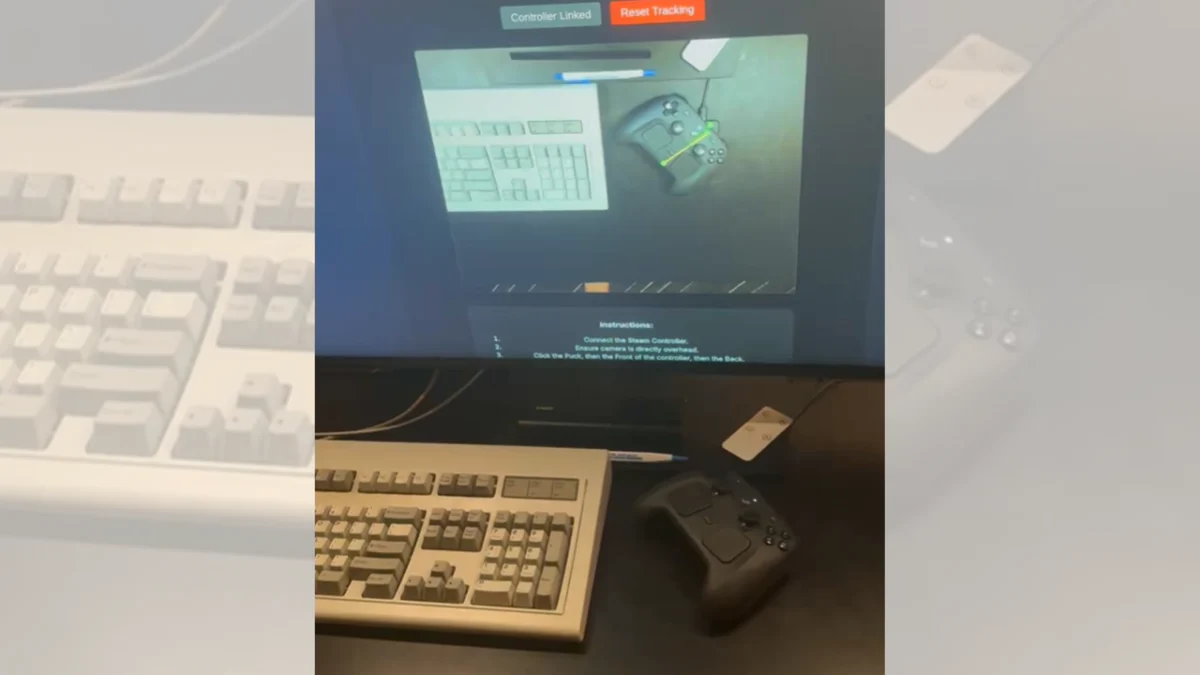
In a feat of engineering that sits squarely at the intersection of absurdity and technical brilliance, a developer has successfully transformed the Steam Controller into a self-docking peripheral. By leveraging high-precision computer vision and the controller’s own haptic feedback motors, the device can now navigate a desk surface, seeking out its charging puck like a miniature Roomba. This project, dubbed the "Auto-Charge Vision Tracker," highlights the growing trend of community-driven hardware modification—a movement Valve has actively encouraged through the open-sourcing of its design files.
The Genesis of the Auto-Charge Project
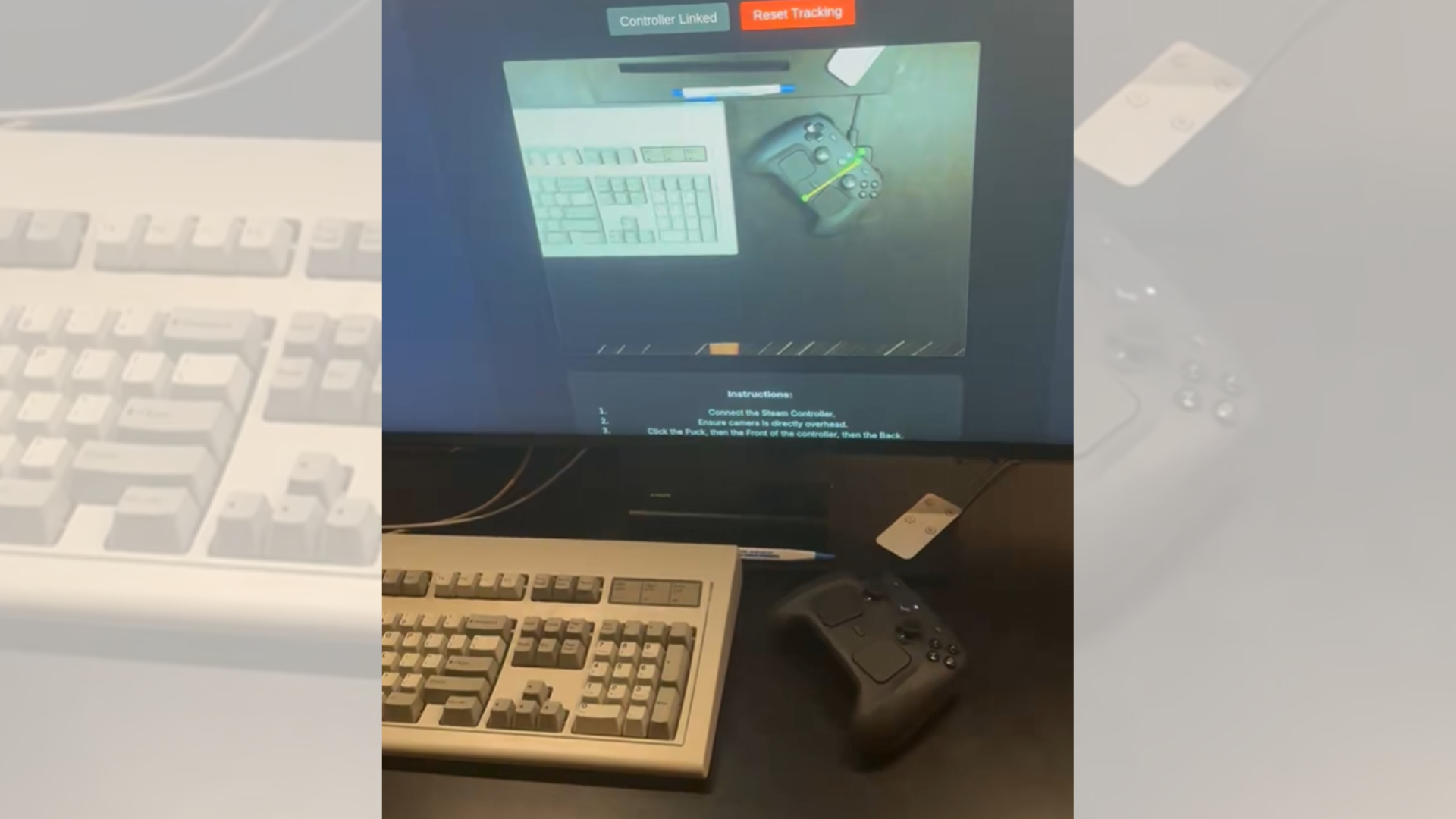
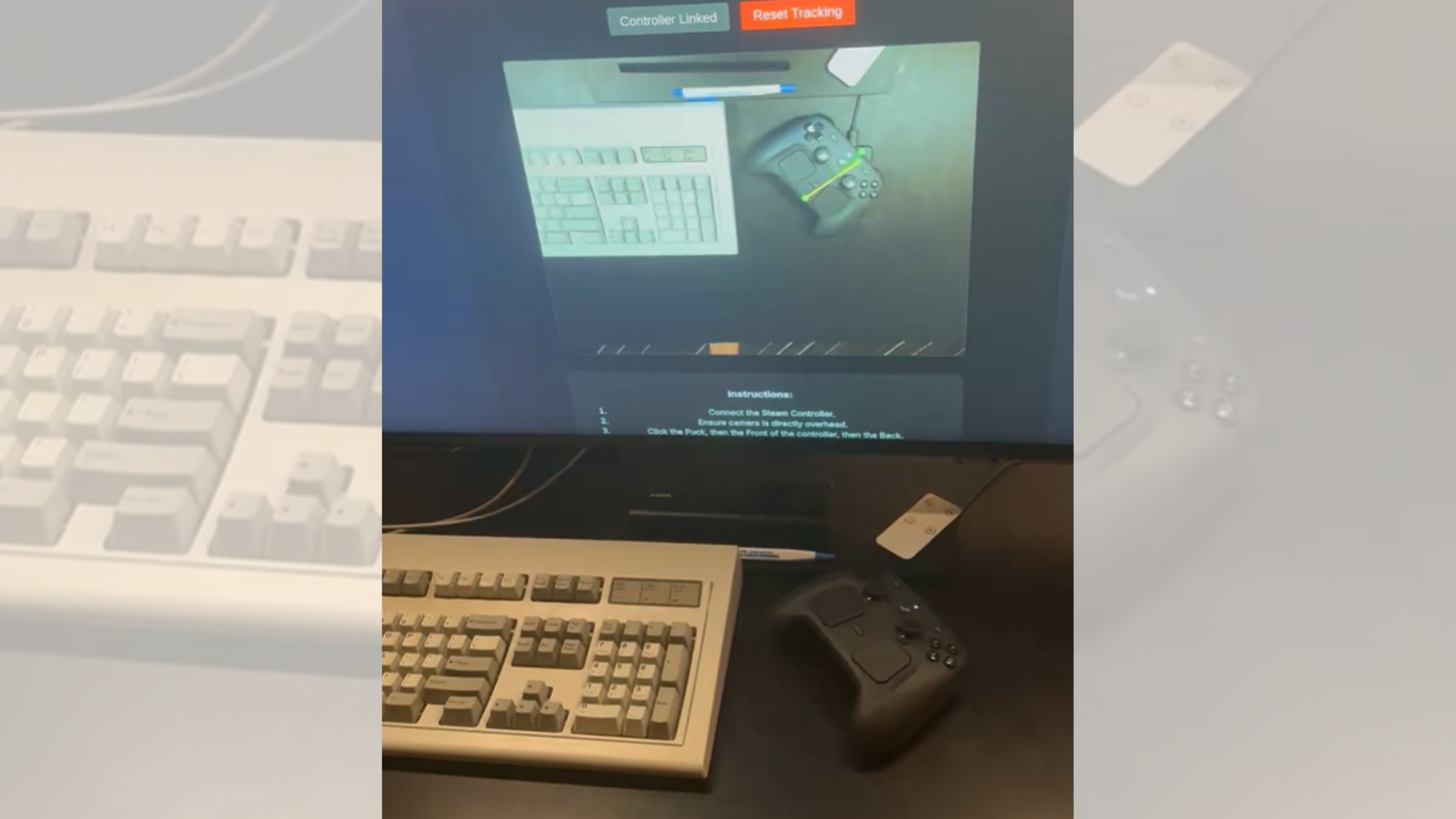
The project, spearheaded by a programmer and aerospace industry professional, was unveiled via a viral social media demonstration in June 2026. The demonstration showed a Steam Controller sitting on a desktop, seemingly "sensing" the proximity of its charging base, and then vibrating its way across the surface to seat itself precisely on the contact points.
The core technology behind this innovation is a web-based application that requires no local software installation. By utilizing an overhead camera, the application tracks the spatial coordinates of both the controller and the charging puck. Once the user calibrates the system by identifying the "front," "back," and "puck" locations in the software interface, the computer vision algorithm takes over. It sends real-time instructions to the Steam Controller’s powerful haptic motors, pulsing them at specific frequencies to induce "stick-slip" movement, allowing the controller to slide incrementally across flat, hard surfaces.
A Technical Chronology of Valve’s Controller Ecosystem
To understand why such a modification is possible, one must look at the unique hardware architecture of the Steam Controller.
- Initial Release (2015-2016): The original Steam Controller launched with a focus on high-fidelity haptic feedback, using dual linear resonant actuators to mimic the feel of trackballs and mechanical buttons. It was a polarizing device that fostered a dedicated, niche community of power users.
- The "New" Steam Controller Era (2026): Following years of speculation and the success of the Steam Deck, Valve reintroduced the Steam Controller to the market. This refreshed iteration retained the core ergonomic philosophy but included modernized internal components and a new, magnetic charging puck system.
- The Open-Source Shift (May 2026): Shortly after the re-release, Valve took the unprecedented step of releasing the official CAD (Computer-Aided Design) files for the controller and its charging dock under a Creative Commons license. This move was intended to spur community innovation, accessory manufacturing, and, as we have seen, experimental software development.
- The "Auto-Charge" Breakthrough (June 2026): Within weeks of the CAD release, developers began experimenting with the physical capabilities of the new hardware, leading to the creation of the vision-tracked docking project.
Mechanics and Hardware Limitations
While the Auto-Charge Vision Tracker is a feat of software engineering, it is not without its physical constraints. The Steam Controller was designed for ergonomics and haptic fidelity, not locomotion. As the developer noted, the process of dragging a weighted plastic chassis across a desk surface via vibration inevitably leads to surface abrasion.
Overcoming Friction
The "stick-slip" phenomenon is essential for this movement. Without specific surface conditions—ideally a smooth, flat desk without debris—the controller lacks the traction to move reliably. The project creator has recommended the addition of aftermarket rubber feet to the underside of the controller. These modifications not only protect the chassis from the wear and tear caused by the vibrating contact but also improve the controller’s "handling," allowing for more precise acceleration and deceleration during the docking maneuver.
Comparison to Previous Iterations
This is not the first time a programmer has experimented with using rumble motors as a propulsion system. A previous project, documented in early 2026, utilized the controller’s rumble motors to allow the device to slide across the floor. However, that project required manual, real-time control by the user. The distinction here is the integration of Computer Vision (CV). By automating the navigation, the current project moves from a "novelty toy" to a "functional automation" use case, mimicking the autonomous pathfinding found in consumer robotics.
Implications for the Gaming Peripheral Market
The existence of this project serves as a profound case study in the value of open-hardware ecosystems. When a company provides the community with the digital blueprints for their hardware, they unlock a secondary life for their products that the original designers might never have envisioned.
The "Valve Philosophy"
Valve has long maintained that their hardware is not a "walled garden." By allowing users to modify, repair, and even re-purpose their controllers, they have cultivated a level of brand loyalty that few other hardware manufacturers enjoy. The decision to release CAD files wasn’t just a nod to transparency; it was an invitation for the community to solve the "last mile" of peripheral management—charging.
The Limits of Innovation
Despite the technical ingenuity, the practical utility of a self-docking controller remains limited. As noted by industry analysts, the Steam Controller still cannot traverse obstacles, climb transitions between different furniture pieces, or navigate complex environments. A controller resting on a living room coffee table will remain stranded, unable to reach a charging dock located on a separate media console. Nevertheless, the project demonstrates that the barrier to entry for complex robotics is lowering. As AI and computer vision models become easier to run in web browsers, "smart" behavior is being bolted onto "dumb" hardware at an accelerated rate.
Future Prospects: Where Does This Lead?
What began as a clever experiment by an aerospace programmer may signal a shift in how we approach device charging. If a consumer-grade controller can be taught to "find home," what does that mean for future iterations of input devices?
We may see a future where:
- Standardized Docking Protocols: Manufacturers might design peripherals with "low-friction" modes specifically to facilitate self-docking.
- Increased Haptic Versatility: Future haptic motors may be designed with both feedback and limited-mobility movement in mind.
- Community-Led Software Suites: We are likely to see more open-source "middleware" that bridges the gap between hardware sensors (cameras) and peripheral motors, allowing users to script their own autonomous behaviors for their gaming setups.
Conclusion
The Auto-Charge Vision Tracker is a quintessential example of the "hacker spirit" in the modern gaming era. It takes a piece of high-end consumer hardware, combines it with the ubiquity of web-based programming, and creates a result that is as useful as it is entertaining. While you might not replace your standard charging cable with this autonomous method, the project stands as a testament to what is possible when manufacturers provide their users with the freedom to tinker.
For those interested in exploring this project, the developer has made the source code and documentation fully available on GitHub. Whether you want to replicate the setup for your own desk or simply learn more about how computer vision can interact with consumer electronics, the project is a fascinating deep dive into the future of hardware autonomy. As we look forward, the only question that remains is: what will the community teach our hardware to do next?
Disclaimer: The Auto-Charge Vision Tracker is an experimental project. Users should be aware that excessive use of haptic motors for locomotion may lead to increased wear on internal components and the exterior shell of the Steam Controller. Always ensure your desk surface is clear of sensitive items before initiating autonomous docking sequences.

 Siti Muinah
 Raul Delapena Setiawan