

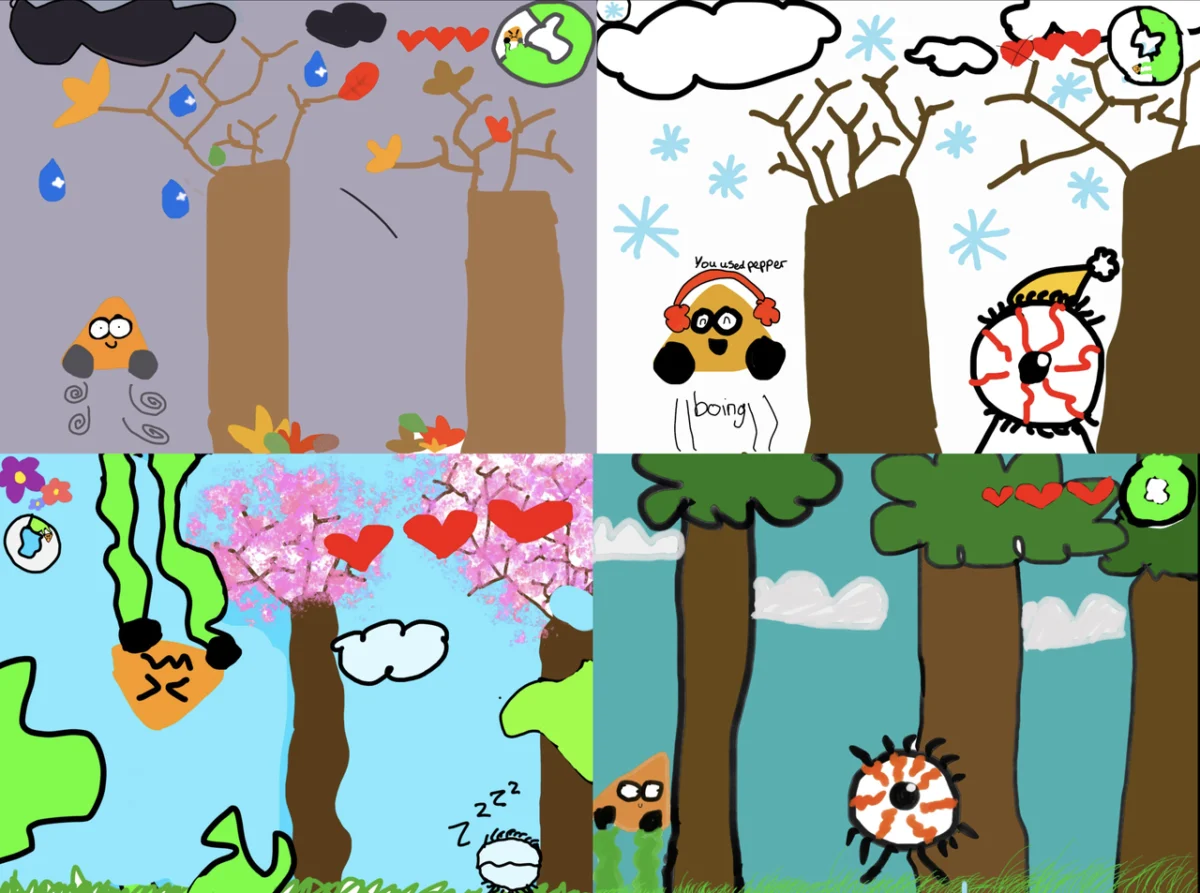
The future of the interactive entertainment industry is looking brighter than ever. BAFTA (the British Academy of Film and Television Arts) has officially unveiled the 51 finalists for its prestigious 2026 Young Game Designers (YGD) competition. Representing a diverse cross-section of creative talent aged 10 to 18, these young visionaries were whittled down from hundreds of national entries, selected by a rigorous panel of industry heavyweights, including experts from acclaimed studios such as IO Interactive—the team behind 007 First Light—and TT Games, renowned for the LEGO Batman: Legacy of The Dark Knight series.
This year’s cohort demonstrates not only a technical proficiency in coding and design but also a profound capacity for empathy and social commentary. From tackling mental health to exploring the complex nature of human memory, the finalists have produced concepts that challenge the boundaries of what gaming can represent.
The Pillars of the Competition: Categories and Age Groups
The YGD competition is structured to nurture both the conceptual and the technical aspects of game development. The 51 finalists are distributed across two primary categories, each subdivided into age brackets (10–14 and 15–18) to ensure that judging remains equitable and age-appropriate.
The Game Concept Award
This category celebrates the imagination. It is designed for those who have a vision but may not yet possess the coding skills to bring it to life. Judges look for originality, thematic depth, and how well the core mechanics support the game’s narrative or emotional intent.
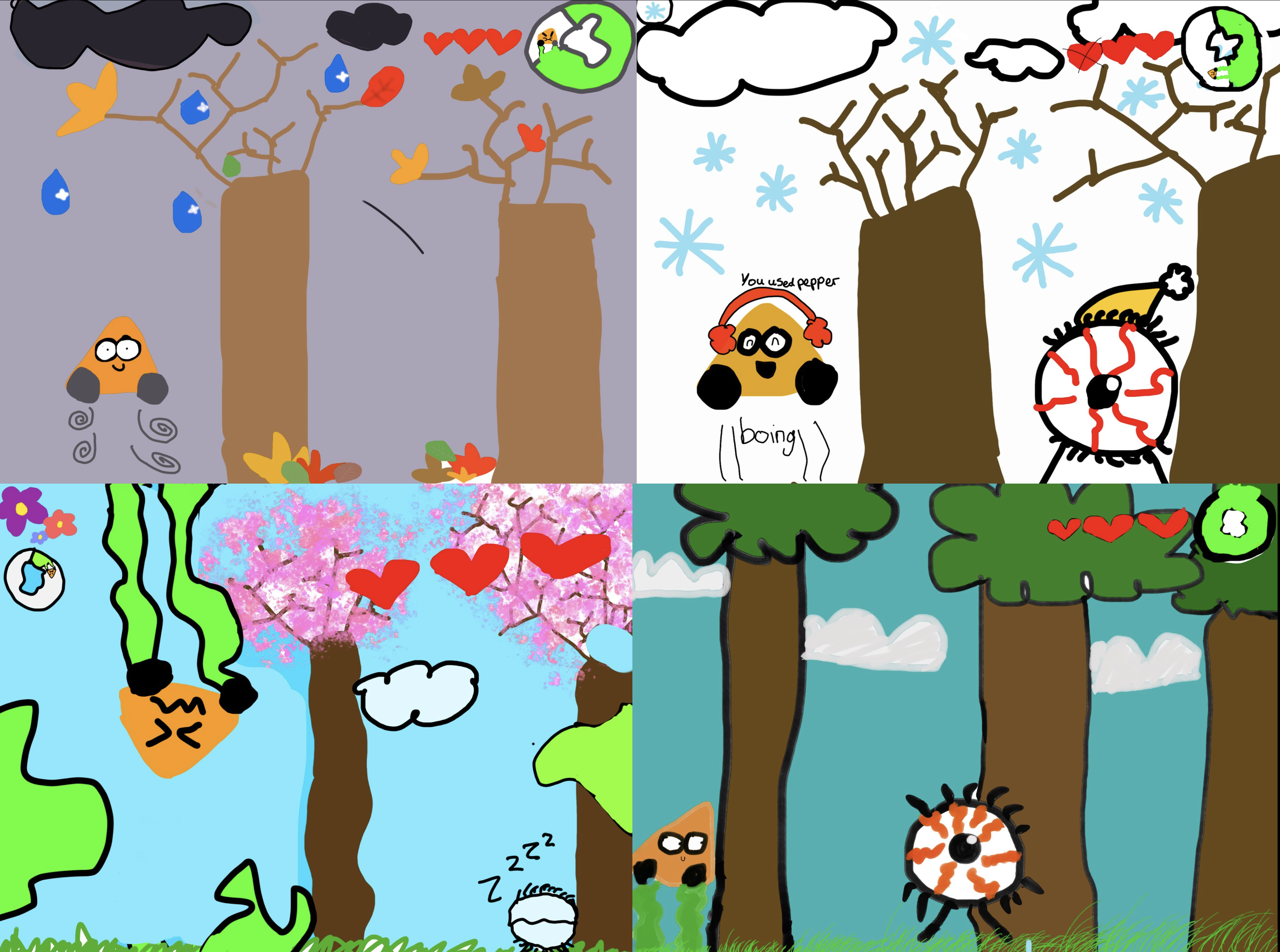
The Game Making Award
For the more technically inclined, this award recognizes participants who have utilized freely available software to build functional, playable prototypes. This category is a testament to the accessibility of modern game development tools, proving that a compelling experience does not always require a triple-A studio budget.
A Chronology of Innovation: From Entry to Finalist
The path to the finals is a rigorous process that spans several months. The competition cycle typically begins with a nationwide call for entries, during which BAFTA engages with schools and youth groups to demystify the game design process.
- The Call for Entries: During the spring, students across the UK submit their concepts or prototypes.
- The Screening Phase: BAFTA’s panel of industry professionals conducts a preliminary review, assessing the hundreds of submissions against criteria including creativity, feasibility, and technical execution.
- The Shortlisting: This phase sees the field narrowed down to the most promising entries.
- The Finalist Announcement: The current stage, where the top 51 are identified and celebrated, signaling the final push toward the awards ceremony.
- The Winners’ Ceremony: The culmination of the event, where winners are crowned in a live-streamed broadcast, providing them with national exposure and potential mentorship opportunities.
Spotlight on the Finalists: Empathy and Narrative Depth
The 2026 finalists have displayed an uncanny ability to turn complex human experiences into interactive play.
Addressing Mental Health: In Your Head
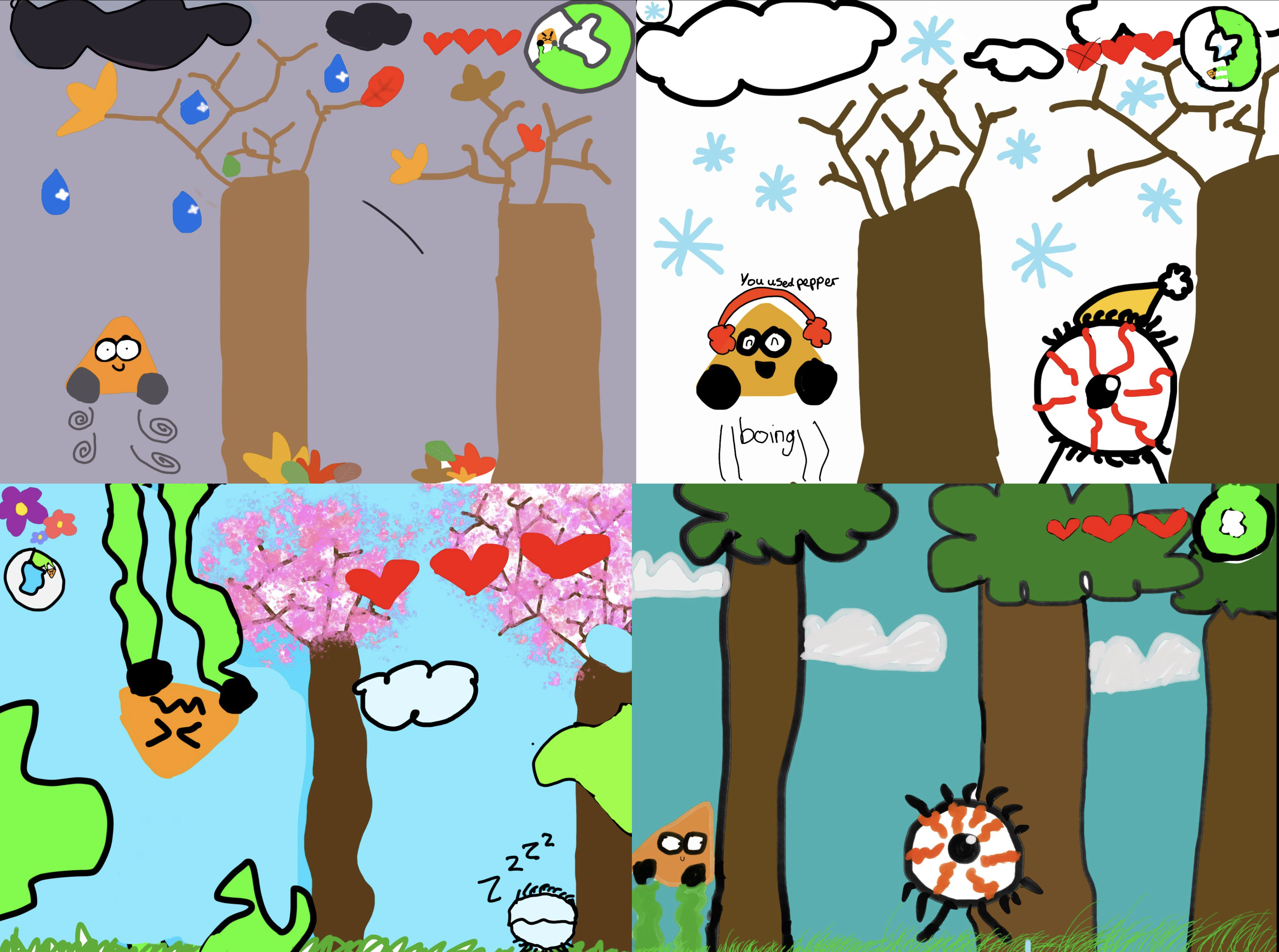
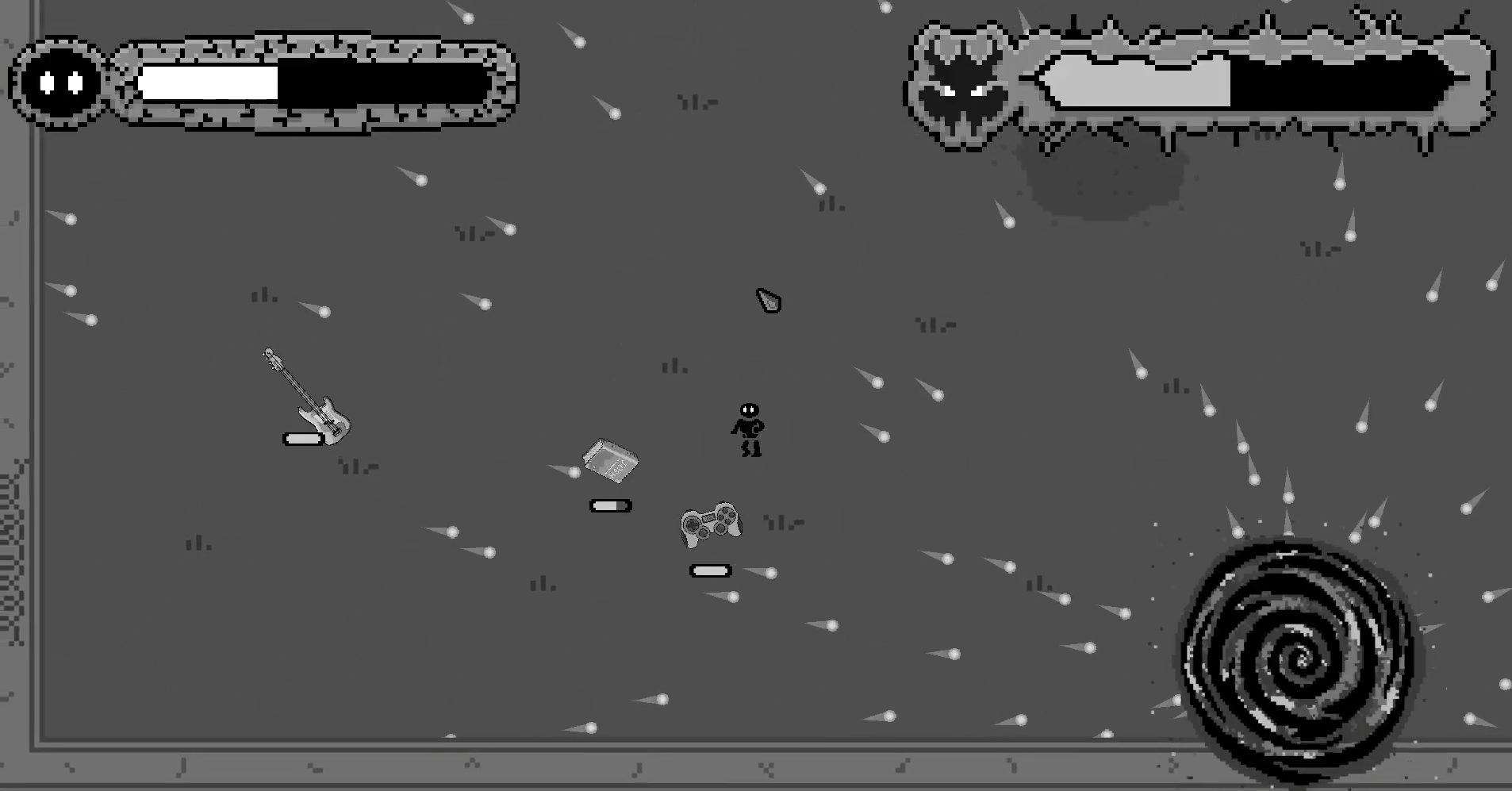
Rafe Lepherd (18), alongside collaborators Alex Huynh Anh Le-Hoang and Josh Robinson, has been shortlisted in the 15–18 Game Making category for their project, In Your Head. The game is described as a "Bullet-Hell" style boss-fighter, a high-octane genre usually reserved for fast-paced action. However, the trio has subverted this by making the combat a metaphor for the struggle with depression. Players navigate coping mechanisms and forge bonds in the "real world" to strengthen their mental health, turning a frantic gameplay loop into a poignant experience about resilience.
Social Critique: Maya
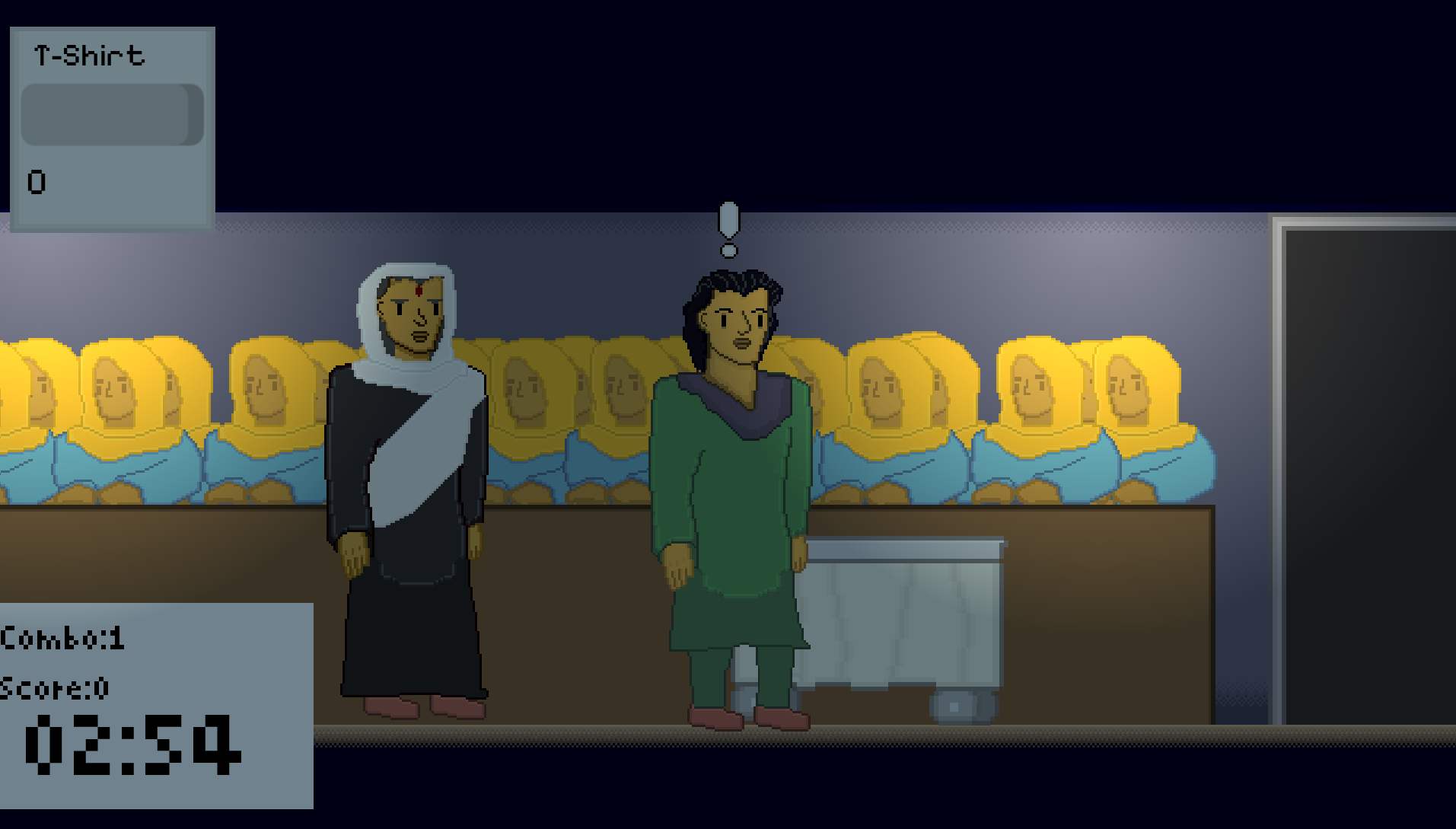
D’Arcy Danda’s entry, Maya, tackles the stark realities of labor exploitation. As a simulation of a sweatshop worker’s life in India, the game forces players to engage with the mechanics of poverty and systemic inequality. It is a bold, uncompromising look at how game design can serve as a vehicle for social awareness, mirroring real-life working conditions to evoke a visceral reaction from the player.
Memory and Surrealism: Olividado Estrella and The Last Thing the World Forgot
In the younger category (10–14), Nissi Mazvidza (14) has captured the attention of judges with Olividado Estrella. A "scenic adventure game," it focuses on the mystery of self-discovery, where the player awakens with no memory, tasked with uncovering their identity through clues as simple as a name tag on a shawl.
Similarly, 16-year-old Dhyani Patel explores the fragility of human consciousness in The Last Thing the World Forgot. Set in a futuristic, data-heavy world where memories are treated as disposable currency, the player acts as "Echo," a being capable of hearing the things the world has chosen to erase. The game’s sophisticated themes draw clear inspiration from cerebral science fiction like Blade Runner 2049 and Outer Wilds.
Whimsy and Exploration: NobodyNose
Grace Mccullagh Stacey brings a necessary sense of levity with NobodyNose, a 2D comedy adventure. The concept centers on a village where the protagonist is an outsider. To gain acceptance, the player must embark on a quest across the surreal landscape of "Noseland" to recover pieces of a shattered statue. It is a classic quest structure that highlights the importance of world-building and character design.
Supporting Data: The Impact of BAFTA YGD
Now in its 16th year, the BAFTA Young Game Designers competition has evolved from a small initiative into a cornerstone of the UK’s creative education landscape. Its impact is measured not just in the number of participants, but in the career trajectories of its alumni.
- National Reach: Through school roadshows and dedicated events during National Careers Week, BAFTA estimates that it reaches thousands of students annually, many of whom might not have considered game development as a viable career path.
- Industry Integration: The competition serves as a bridge between education and the professional sector. By having developers from studios like IO Interactive and TT Games evaluate entries, finalists receive feedback that is grounded in real-world industry standards.
- Accessibility: By encouraging the use of freely available software, the competition actively dismantles the barrier to entry, proving that creativity is not limited by the cost of professional game engines.
Official Responses and Implications
The significance of these awards extends far beyond the trophies. For the winners, it represents a "golden ticket" into the industry, often leading to internships, mentorships, and networking opportunities that are otherwise difficult to secure at a young age.
BAFTA’s mission is clear: to ensure that the next generation of game designers is equipped with the tools, confidence, and industry connections to push the medium forward. The focus on diverse, emotionally resonant storytelling in this year’s finalists suggests that the next generation of games will be characterized by a greater sense of social responsibility.
"The competition is a vital component of our effort to support young, passionate talent," a spokesperson noted. "By providing workshops and professional guidance, we are not just looking for the next big hit; we are fostering a culture of innovation that will define the gaming landscape for the next two decades."
The Path Ahead: June 18th
The anticipation is now building toward the final reveal. The winners’ ceremony, which will be hosted by broadcaster Jules Hardy, is scheduled to take place on Thursday, 18 June, at 5.00pm BST. The event will be broadcast live via BAFTA’s official YouTube channel, allowing friends, family, and the global gaming community to witness the next generation of talent being recognized.
For those interested in exploring these concepts further, the full list of finalists for both the Game Making and Game Concept categories is available on the official BAFTA website. Whether these projects go on to become full commercial releases or remain as evocative prototypes, they have already achieved something significant: they have proven that the youth of today are ready to lead the conversation in interactive storytelling.
As the industry looks to the future, it is clear that the talent on display in the 2026 YGD competition is a testament to the power of games to inspire, challenge, and connect us all.










No comments yet. Be the first to join the conversation!