

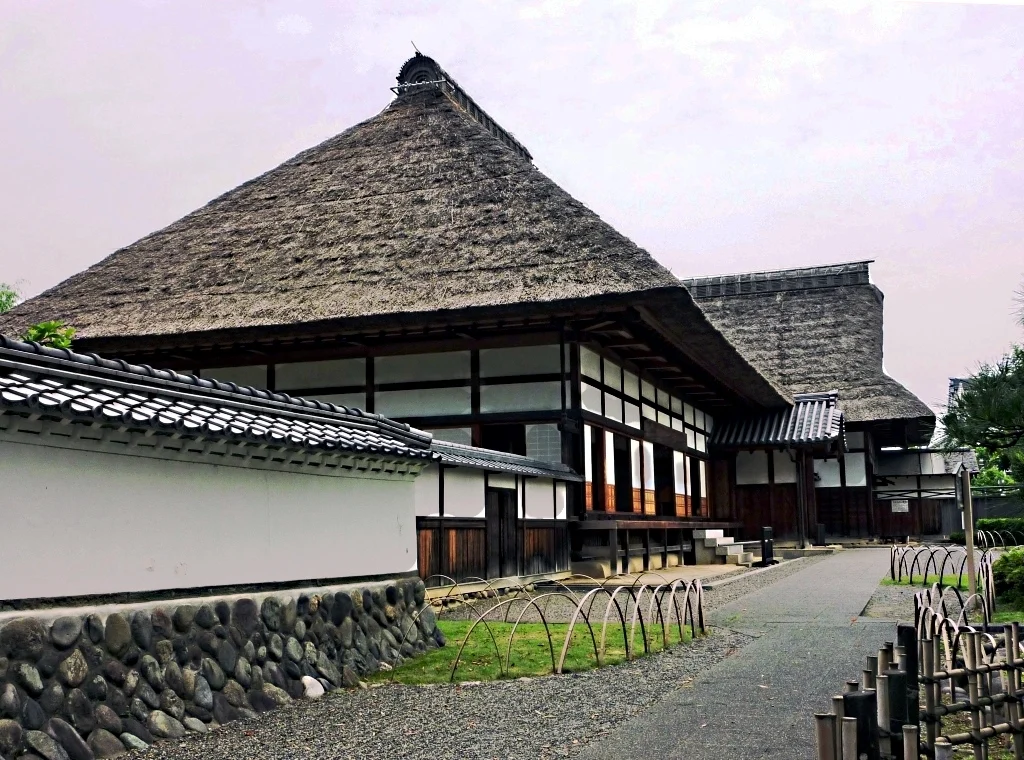
Hidden within the quiet urban sprawl of Tochigi Prefecture, roughly 75 minutes by train from the neon-lit corridors of Tokyo, lies a site of profound historical significance that remains conspicuously absent from most international travel itineraries. Ashikaga Gakko (Ashikaga Gakkō) holds the distinction of being the oldest standing academic institution in Japan. With roots that stretch back to the 9th century, it predates the venerable universities of Europe—including Oxford, Cambridge, and Bologna—by centuries.
For the modern traveler, Ashikaga Gakko is a serene, evocative compound that offers a rare window into the medieval-to-early-modern intellectual life of East Asia. It is a place where the air still smells of ancient wood and the silence is punctuated only by the rustle of maple leaves, serving as a living testament to a scholarly tradition that once commanded the attention of Jesuit missionaries and the respect of the most powerful clans in Japanese history.
The Pillars of Antiquity: Core Facts and Institutional Legacy
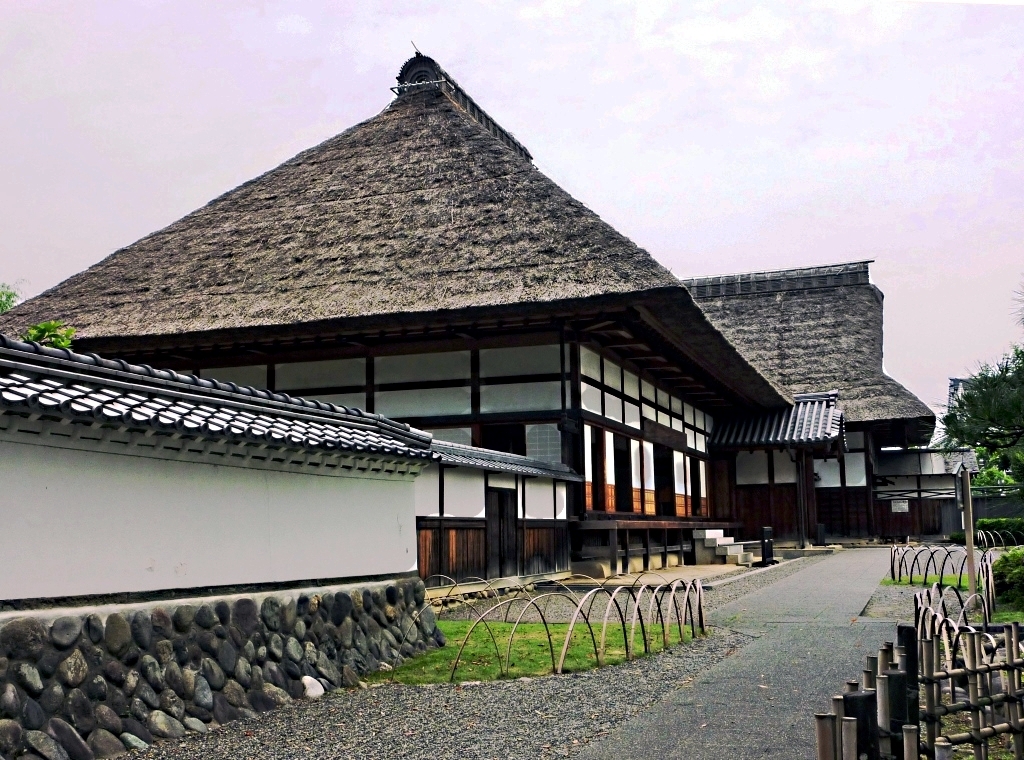
Ashikaga Gakko is not merely a museum; it is the physical embodiment of a 1,200-year-old commitment to Confucian education. While the exact date of its founding remains a subject of spirited academic debate, historical consensus points to the mid-9th century (circa 839–842 CE).
The institution functioned as a bastion of Chinese classical philosophy, focusing on the Four Books and Five Classics of Confucianism. Unlike the Buddhist monasteries of the era, which were primarily concerned with spiritual salvation and the study of sutras, Ashikaga Gakko was a secular academic powerhouse. Its curriculum spanned Chinese medicine, military strategy, the I Ching (for divination), and classical literature.
By the mid-16th century, the academy had reached its zenith, hosting approximately 3,000 students. Its reputation was so pervasive that in 1549, Francis Xavier, the pioneering Jesuit missionary, famously referred to it in a letter to Rome as "the largest and most famous academy in Eastern Japan."
A Chronology of Intellectual Resilience
The history of Ashikaga Gakko is a narrative of decline, revival, and preservation.
The Heian and Kamakura Eras
In its infancy, the school served as a localized hub for aristocratic and scholarly learning. However, as the political landscape shifted during the late Heian and early Kamakura periods, the institution faced a slow, steady decline. By the early 15th century, the physical site was in a state of disrepair.
The 1432 Renaissance
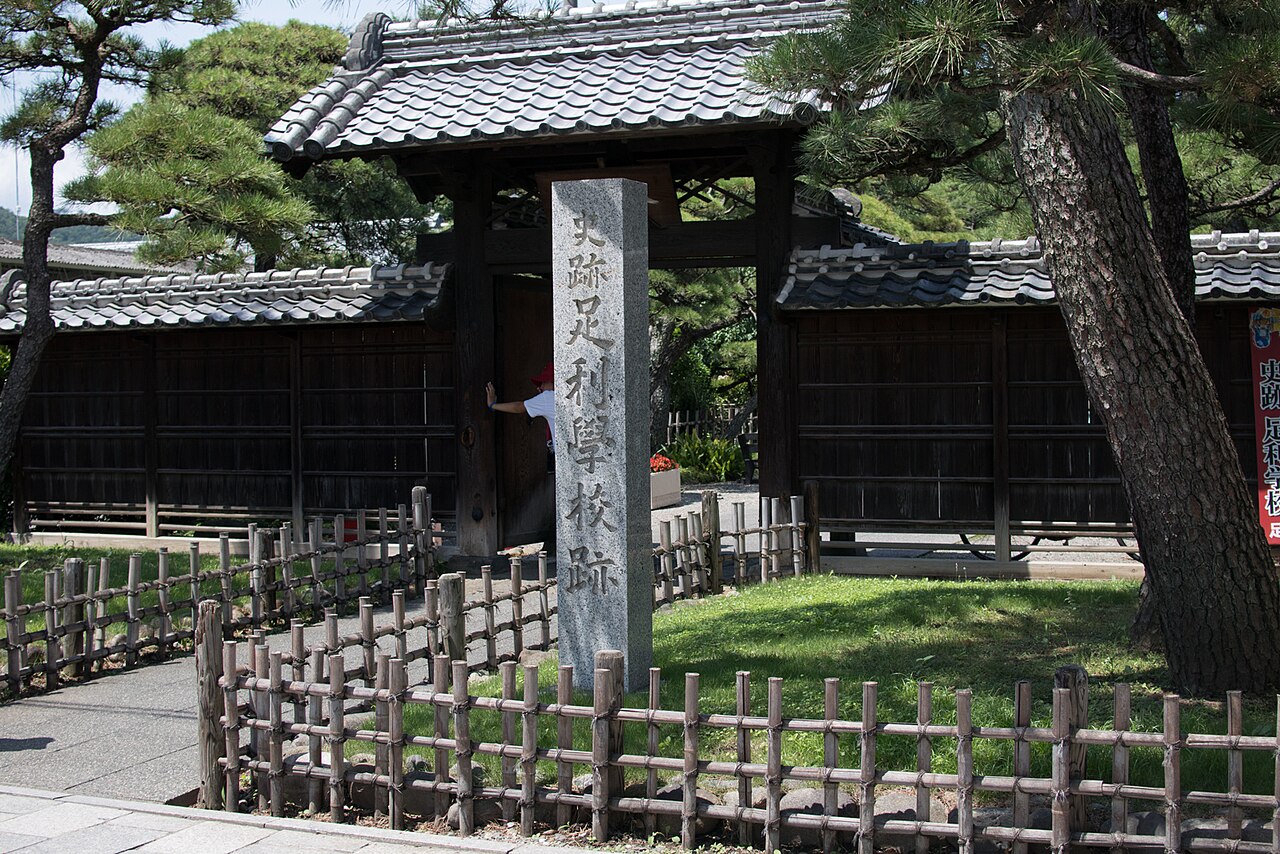
The modern iteration of the school traces its institutional continuity to 1432. Uesugi Norizane, the influential lord of Shimotsuke Province, acted as the academy’s great patron. Recognizing the need for a stable intellectual foundation, he invited prominent Zen scholar-monks from the Engaku-ji temple in Kamakura to lead the institution. Norizane donated his personal library, which included rare Song Dynasty Confucian texts, effectively re-establishing the curriculum on a rigid, high-level Confucian framework.
The Hojo Patronage and the Meiji Transition
The school flourished under the protection of the Hojo clan of Odawara throughout the 16th century. However, the seismic shift of the Meiji Restoration in 1868 brought the academy’s primary era to a close. As the new Japanese government sought to modernize and consolidate the nation’s education system, the Confucian academic model was phased out. The library was dispersed, and the school was effectively dissolved, with portions of the site converted into an elementary school.
Modern Restoration
In 1928, the remaining structures were designated as a National Historic Site. It wasn’t until 1990, however, that a decade of rigorous archaeological and textual research culminated in a comprehensive restoration. The site was reconstructed to mirror its Edo-period (1603–1868) layout, providing the public with an accurate, tangible connection to the past.
Supporting Data: Why Ashikaga Matters
To understand the weight of Ashikaga Gakko, one must compare it to its contemporaries. In the 16th century, while European universities were embroiled in the theological disputes of the Reformation, Ashikaga was producing a class of administrative, medical, and military experts who would eventually help stabilize the Tokugawa Shogunate.
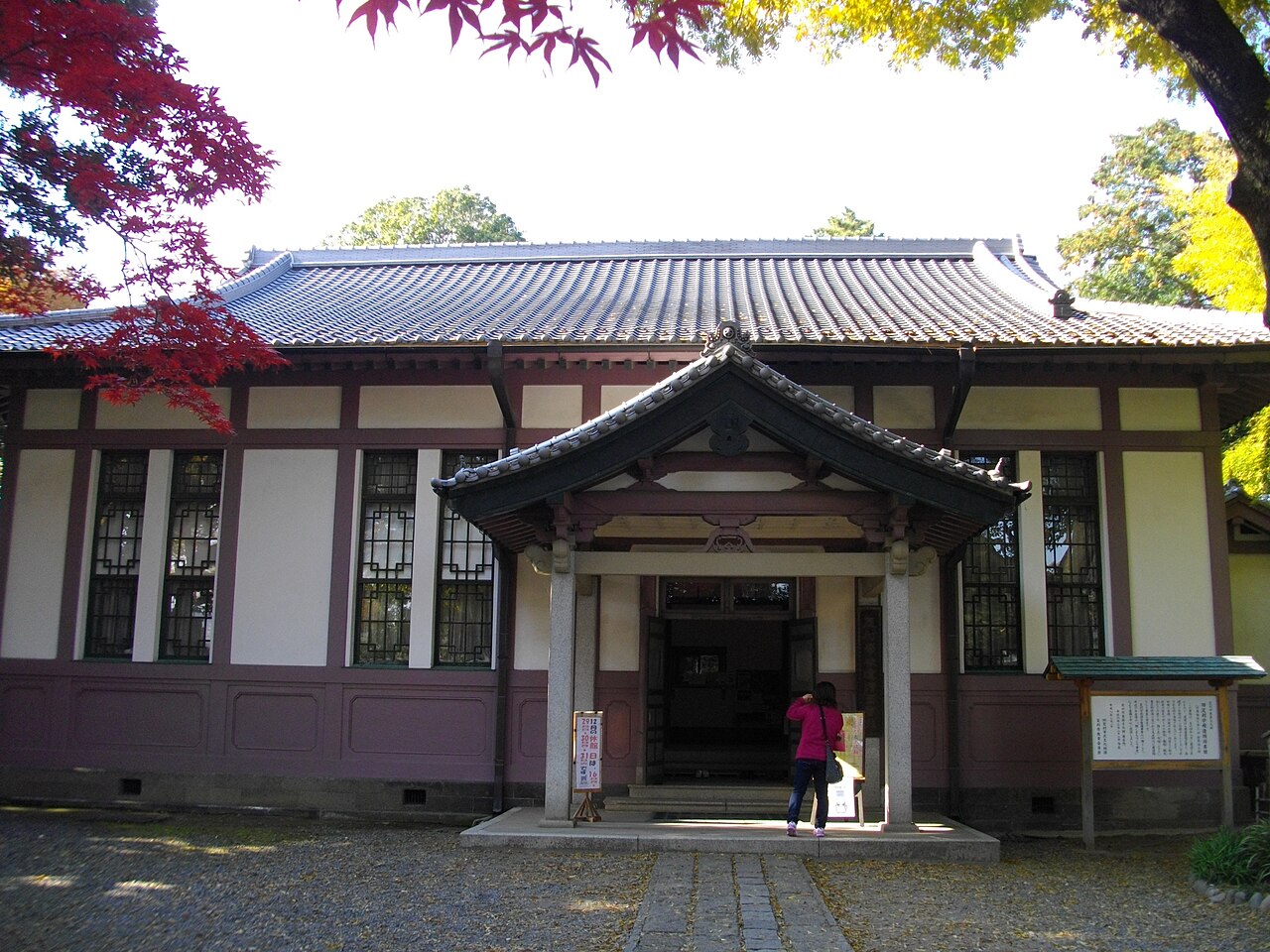
- The Library Wing: The school’s significance was anchored by its collection. It held the most comprehensive library of Chinese classics in Japan at the time. Today, while the original manuscripts reside in the Tokyo National Museum and the National Diet Library, the on-site library displays high-quality facsimiles that demonstrate the breadth of the curriculum.
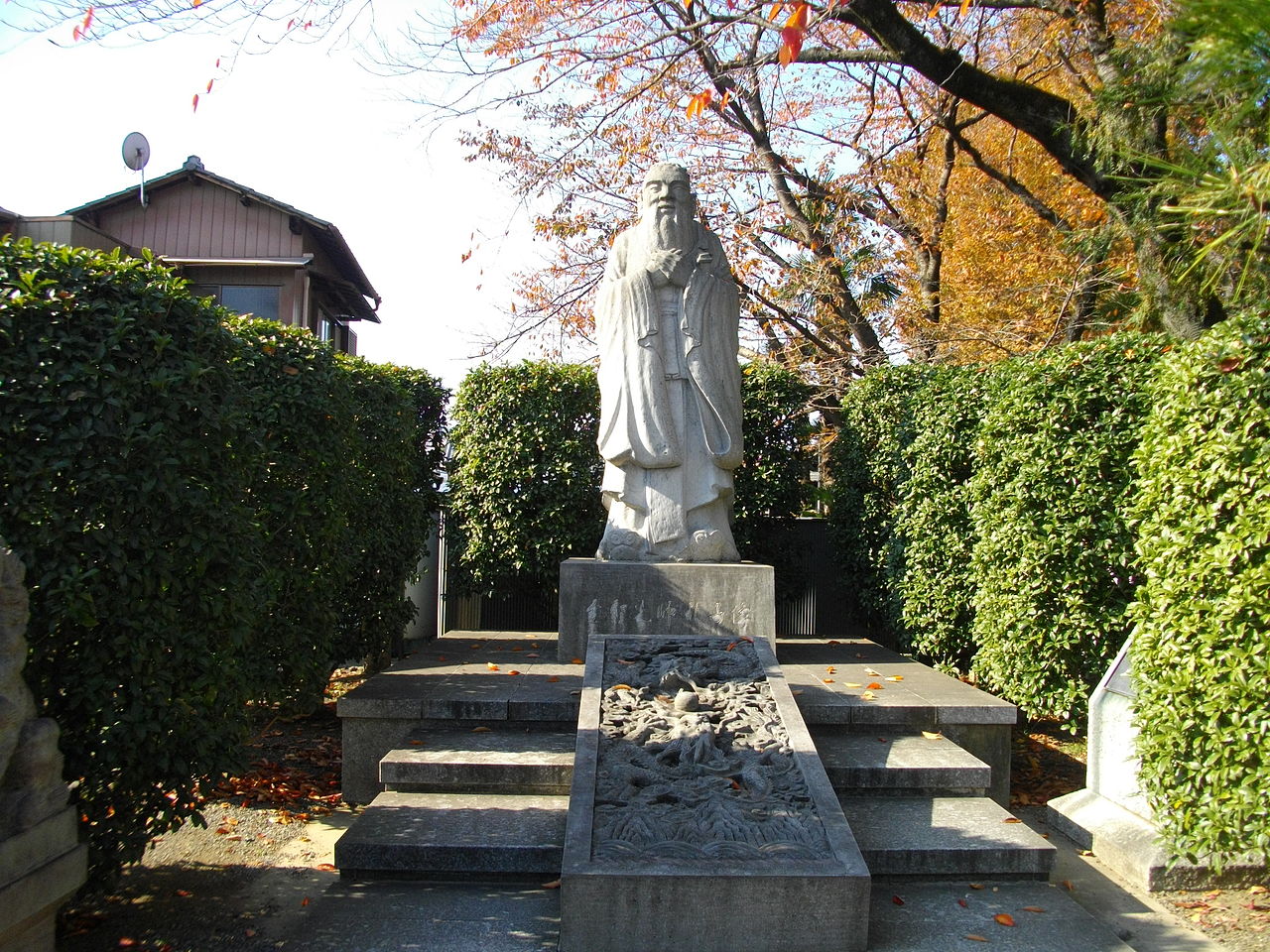
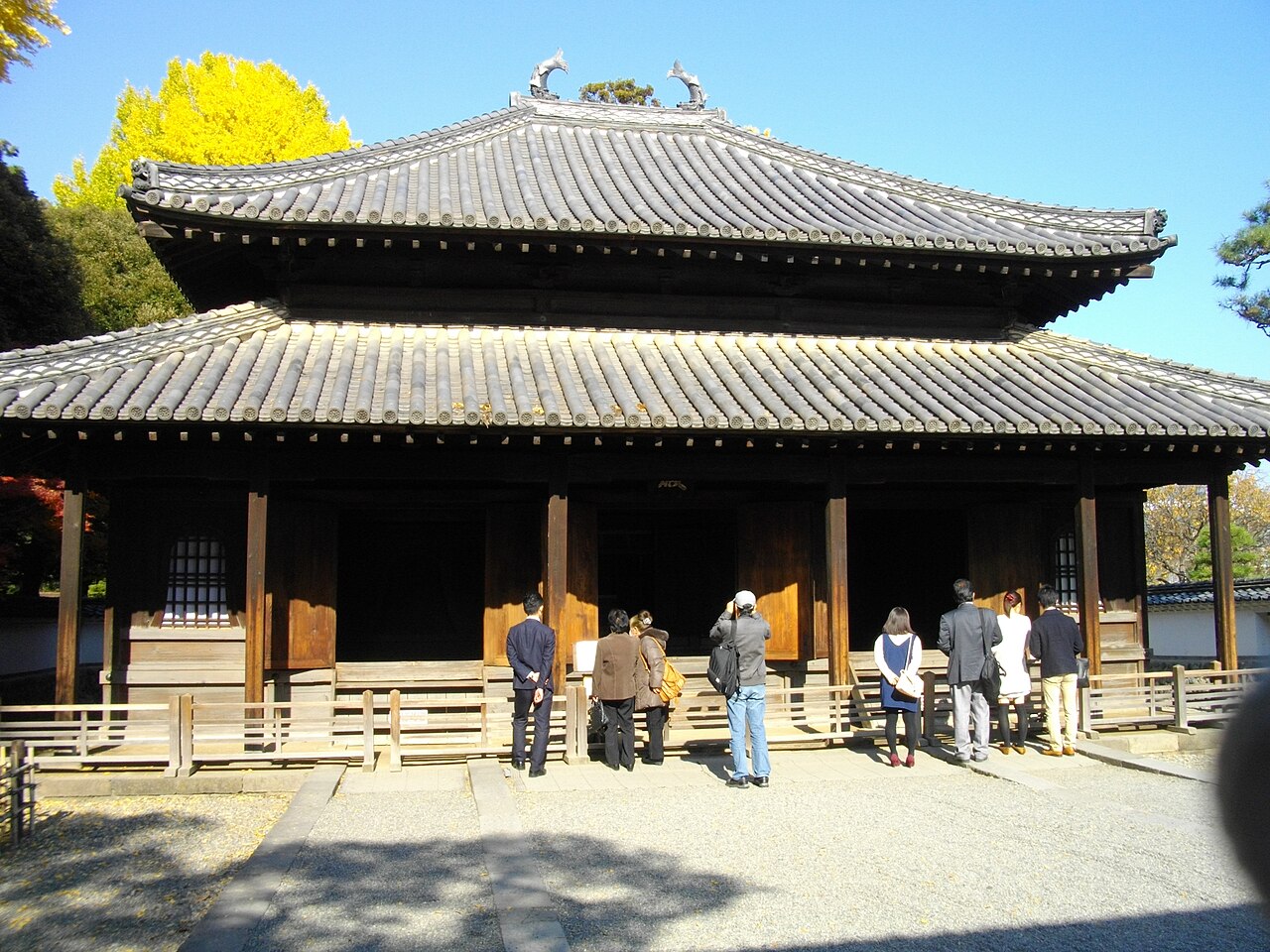
- The Koshibyo Temple: The presence of the Koshibyo (Confucian Temple) is critical. It is one of the few places in Japan where original sekiten rites—the ceremonial veneration of Confucius—are still performed. These rites, involving traditional music, rice-wine offerings, and specialized vestments, have been maintained with startling continuity.
Official Responses and Preservation Efforts
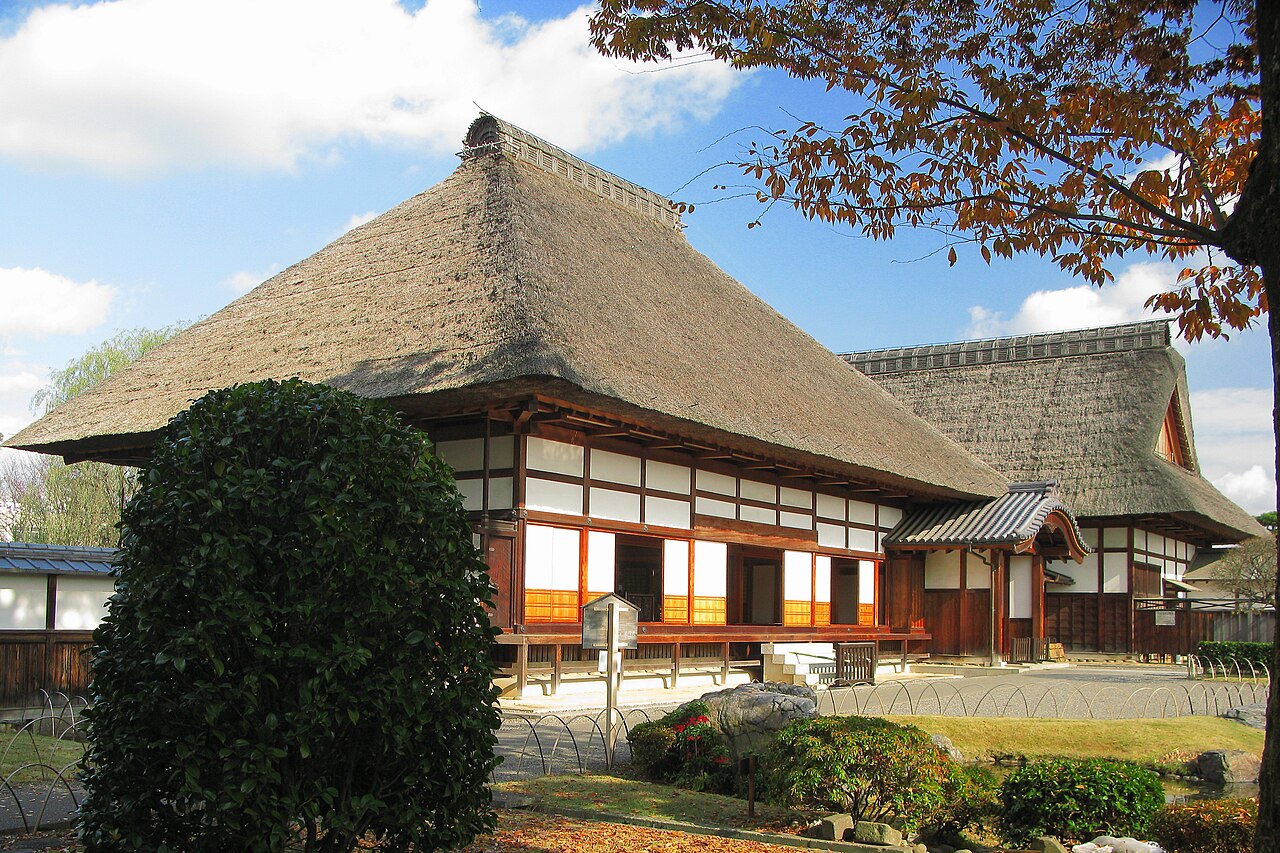
The Japanese government and local authorities in Tochigi have adopted a "preservation through experience" approach. Rather than keeping the site behind glass, they encourage visitors to walk through the Hojo (residence hall) and engage with the space as students would have centuries ago.
Cultural heritage boards emphasize that the site’s value lies in its "living tradition." The Sunday read-aloud sessions of the Analects of Confucius, where instructors explain classical-Chinese pronunciation and philosophy, are a deliberate effort to keep the pedagogical spirit of the school alive. By integrating these sessions, the administration ensures that the school is not merely a static collection of wood and stone, but an active participant in the modern academic discourse.
Implications for Global Humanities
For the international community, Ashikaga Gakko presents a compelling case study in the longevity of educational institutions. It challenges the Eurocentric view that the "university" as a concept is an exclusively Western development.
The implication of such a site is profound: it demonstrates that East Asian civilization maintained a sophisticated, secular, and high-level educational infrastructure that allowed for the systematic transfer of knowledge across generations long before the institutionalization of the modern school system.
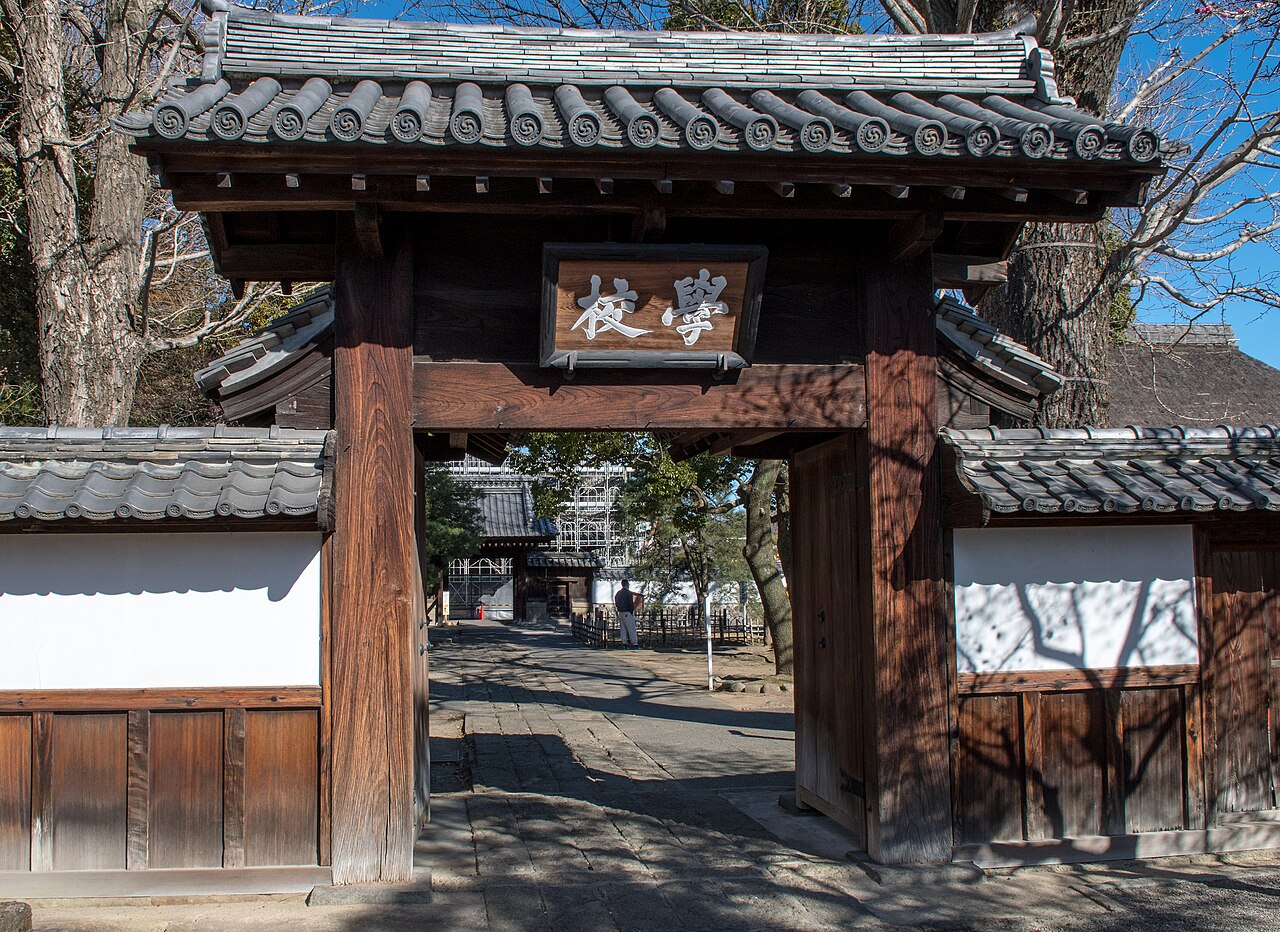
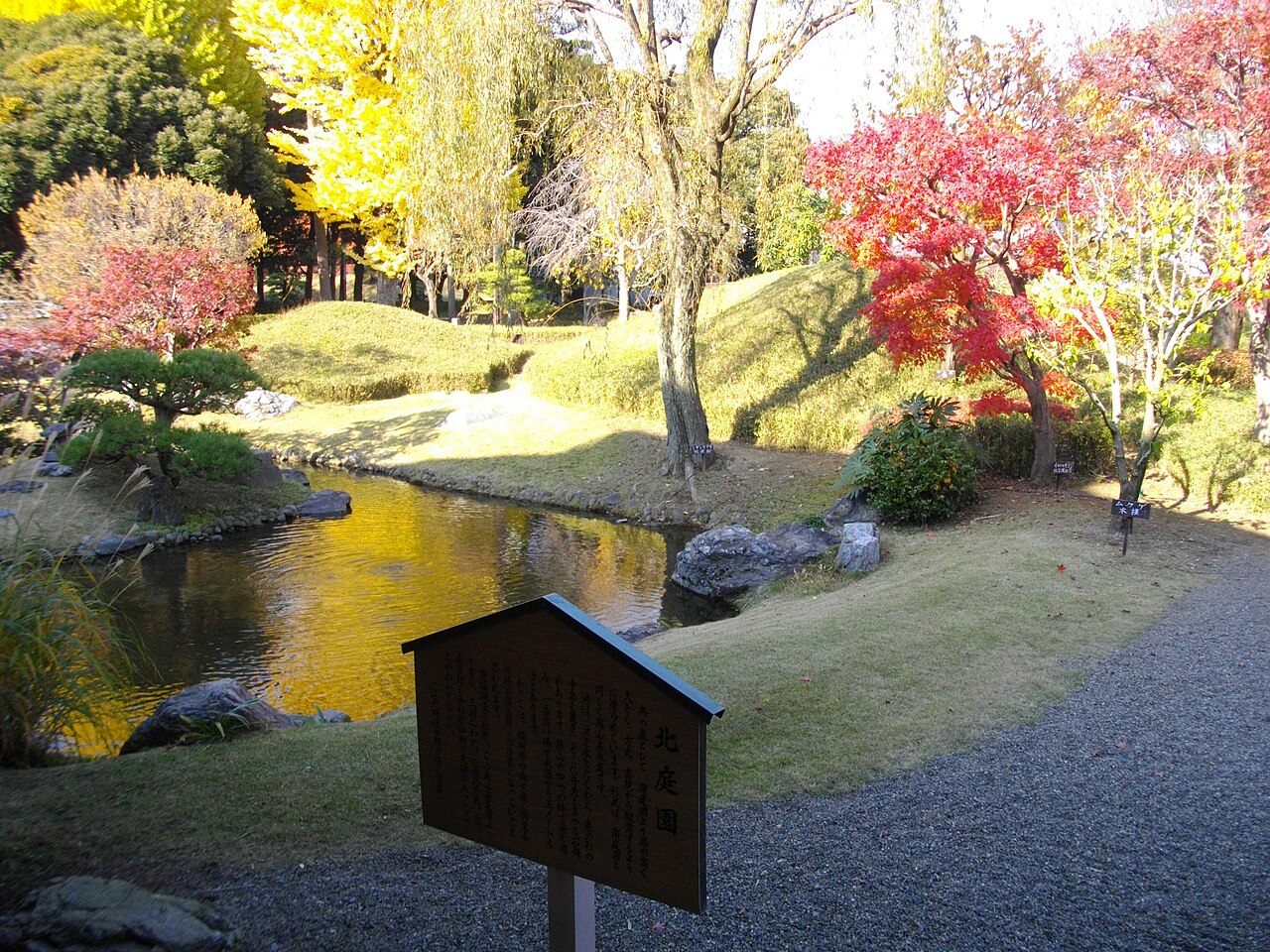
Furthermore, for educators and students of the humanities, Ashikaga serves as a reminder of the "human element" in history. The physical layout—the bow at the Nyutoku-mon (Entering Virtue Gate), the quiet of the Northern Garden, and the placement of the head teacher’s quarters—provides a visceral understanding of how the environment was engineered to facilitate deep, focused learning.
A Guide to the Modern Experience
For the traveler, a visit to Ashikaga is a journey through layers of time. The site is best visited in the autumn, particularly the last two weeks of October, when the Japanese maples surrounding the Northern Garden reach their peak.
Practical Tips:
- Logistics: The site is easily accessible via the Tobu Isesaki Line from Asakusa, taking roughly 90 minutes. It is a cost-effective and efficient way to escape the density of Tokyo.
- Synergy: Do not visit in isolation. The nearby Banna-ji temple, a National Treasure, shares a boundary with the school. A combined visit creates a rich, three-hour cultural immersion.
- The "Analects" Experience: For those with an interest in classical languages, the Sunday read-aloud sessions offer a unique, if challenging, look at how the texts were originally intended to be experienced—not just read, but spoken and performed.
- The "Why": As noted in professional travel analyses, this is not a site for the "checklist tourist." It is a site for the deliberate traveler—those who value the silence of a Zen-inspired garden over the spectacle of a crowded city center.
Final Reflection: The Significance of the "Oldest"
Ashikaga Gakko is, fundamentally, a story of survival. It survived the collapse of feudal clans, the modernization pressures of the Meiji Restoration, and the inevitable decay of time. It stands today as a quiet, authoritative voice in the story of Japan’s intellectual history.
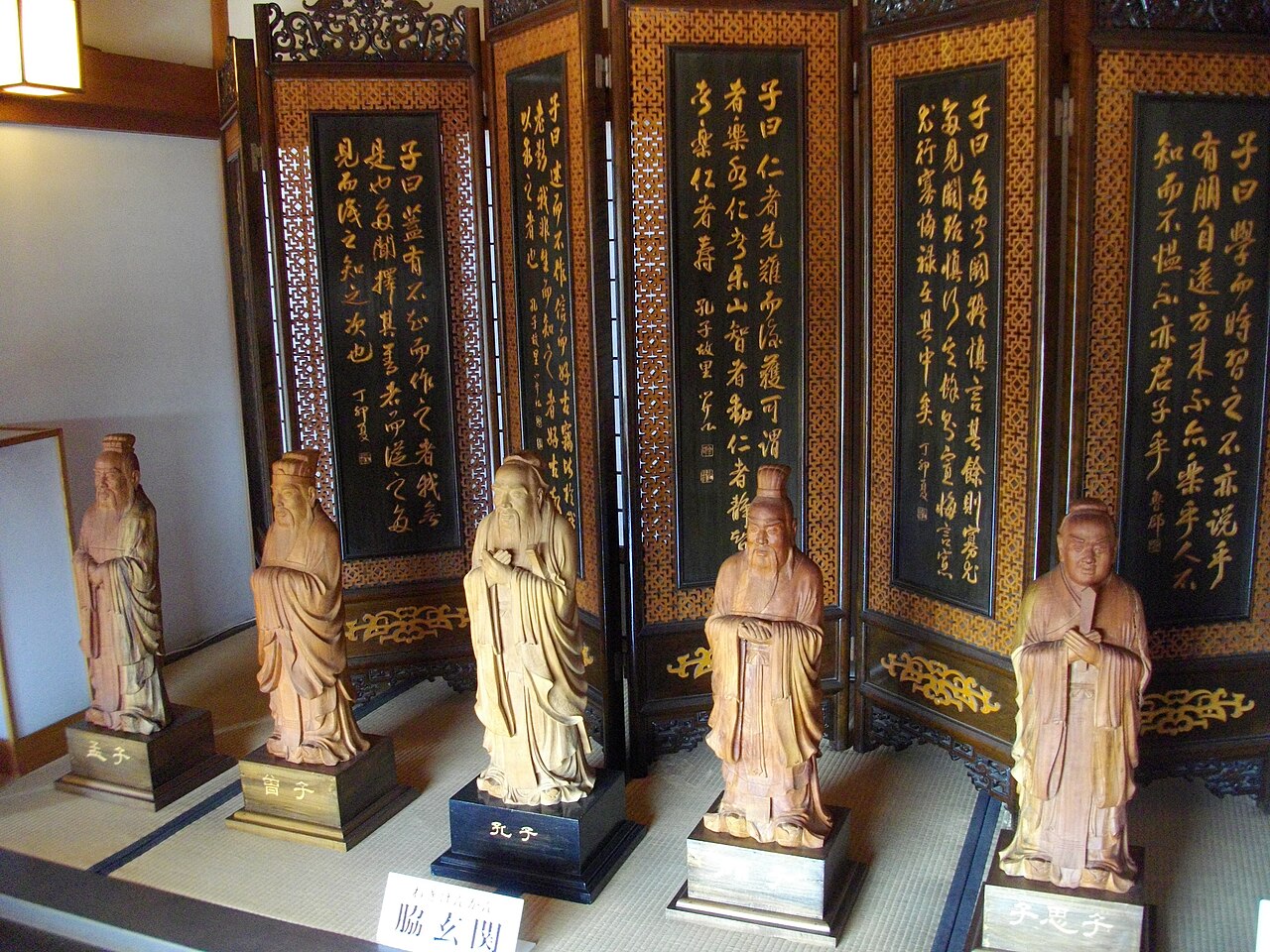
Whether one is a scholar of the Confucian classics, an architect interested in Edo-period joinery, or simply a traveler looking for a moment of reflection, Ashikaga Gakko offers an experience that is increasingly rare in the modern world: the chance to stand exactly where history was written, and to feel, if only for an hour, the enduring weight of 1,200 years of learning.











