

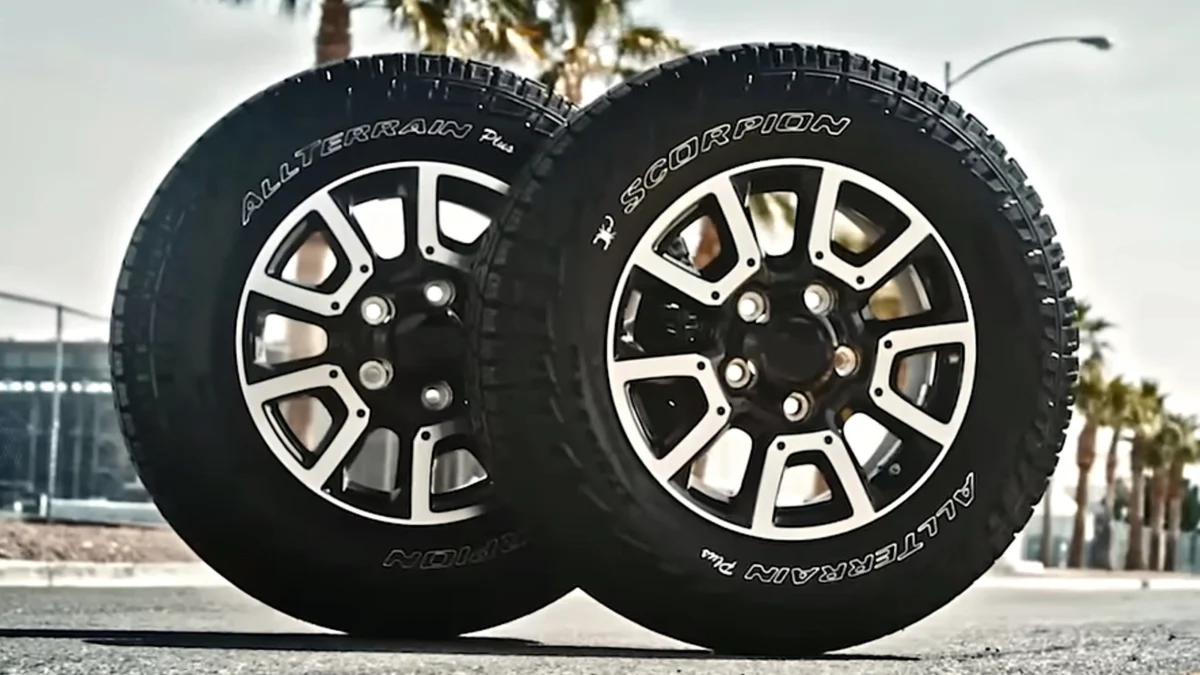
For decades, the name Pirelli has been synonymous with the pinnacle of automotive performance. From the hallowed circuits of Formula 1 to the high-octane world of luxury supercars, the Italian tire manufacturer has cultivated a reputation for precision, grip, and technological sophistication. However, as the global automotive landscape has shifted dramatically toward SUVs and crossovers, the brand faced a critical challenge: could it translate its track-proven pedigree into the heavy-duty, versatile, and long-lasting requirements of the modern family vehicle?
The answer, according to both industry experts and the driving public, appears to be a resounding "yes." With the expansion and refinement of its Scorpion tire family, Pirelli has successfully bridged the gap between high-performance engineering and everyday utility. But as consumers seek the best value for their investment, the question remains: do these tires truly deliver, or is the prestige of the Pirelli brand doing the heavy lifting?
The Evolution of the Scorpion: A Chronological Overview
To understand the current standing of the Scorpion line, one must look at the trajectory of Pirelli’s diversification. Historically, Pirelli focused on summer performance tires. As the SUV market exploded in the early 2000s, manufacturers were forced to adapt; the high center of gravity and increased curb weight of these vehicles meant that traditional passenger car tires were insufficient.
- The Early Years (Late 1990s – Early 2000s): Pirelli introduced the Scorpion nameplate to signify a dedicated range for light trucks and SUVs. These initial models focused primarily on durability and basic all-season capability, catering to a market that viewed SUVs primarily as workhorses.
- The Performance Shift (2010s): As SUVs evolved into luxury daily drivers, the demand for "sport-utility" tires that mimicked the handling of sedans grew. Pirelli responded by integrating its racing compounds into the Scorpion line, focusing on wet-weather braking and high-speed stability.
- The Modern Era (2020 – Present): Today, the Scorpion family represents a multi-tiered approach. From the weather-defying "WeatherActive" series to the longevity-focused "All Season Plus 3" and the rugged "All Terrain Plus," Pirelli has successfully segmented the market to ensure there is a specific rubber compound for every driver’s unique lifestyle.
The Consumer Verdict: Real-World Performance Data
The true test of any tire is not found on a test track under controlled conditions, but on the asphalt of daily commutes, school runs, and weekend adventures. The data aggregated from major consumer platforms paints a complex, yet largely positive, picture of the Pirelli Scorpion range.
Performance Highlights
On platforms like Tire Rack, the Pirelli Scorpion WeatherActive has garnered significant acclaim. With a 4.6-star rating, the tire is frequently praised for its "3PMSF" (Three-Peak Mountain Snowflake) rating, which indicates superior traction in severe snow conditions. For drivers in the Midwest or the Pacific Northwest, this level of confidence is often cited as the primary reason for their purchase.
Meanwhile, the All Season Plus 3 model has become a favorite among commuters. Walmart customer feedback reveals a staggering 4.8-star average. The recurring themes in these reviews are "low road noise" and "nimble handling." In an era where EVs and modern SUVs prioritize cabin silence, the acoustic dampening properties of the Scorpion line have become a key selling point.
The Durability Debate
However, no product is without its critics. While the consensus is positive, a subset of users has raised concerns regarding tread life. A segment of high-mileage drivers reported noticeable wear patterns appearing between 10,000 and 22,000 miles. While this is well within the acceptable margin for ultra-high-performance rubber, it has left some long-term owners questioning the "All Season" moniker. Additionally, a minority of users have noted inconsistent traction during heavy rain, though this does not appear to be a systemic manufacturing failure but rather an issue of tire pressure maintenance or driving style.
Professional Validation and Industry Recognition
When the voices of everyday consumers align with industry professionals, it is a strong indicator of a product’s quality. In the 2026 U.S. Original Equipment Tire Customer Satisfaction Study conducted by J.D. Power, Pirelli secured the top position in the truck and utility vehicle category.
This accolade is particularly significant because it measures the satisfaction of vehicle owners who received these tires as part of their factory equipment. By being the tire of choice for luxury manufacturers, Pirelli has effectively validated its engineering to the most discerning of automotive brands.
Furthermore, independent evaluators such as the YouTube channel Tyre Review have subjected the Scorpion All Terrain Plus to rigorous testing. Their analysis highlighted the tire’s versatility, noting that while it offers the rugged tread blocks necessary for off-road maneuvering, it does not sacrifice the on-road refinement expected by modern SUV owners.
Official Corporate Strategy and Implications
Pirelli’s strategy is clear: position the Scorpion line as the "Swiss Army Knife" of the tire world. By leveraging its global manufacturing footprint, the company maintains strict quality control while ensuring the supply chain can meet the massive demand of the SUV market.
The implications of this strategy are twofold:
- Market Penetration: By dominating the SUV sector, Pirelli has insulated itself from the potential decline of the traditional sports sedan market.
- Brand Perception: By maintaining a high price point while simultaneously achieving high customer satisfaction, Pirelli is successfully managing the "premium tier" status. They are not chasing the low-cost volume market; they are chasing the "satisfied enthusiast" market.
Future Outlook: The Challenges Ahead
As the automotive industry pivots toward electrification, tires are facing new pressures. Electric SUVs are heavier than their internal combustion counterparts and deliver torque instantaneously, which places immense strain on tire treads. Pirelli is currently investing heavily in "Elect" technology, a designation applied to tires designed specifically for the unique requirements of EVs.
The integration of the Scorpion name into the EV space will be the brand’s next great hurdle. If they can replicate the current success of the All Season Plus 3 in an EV-specific variant, they will likely cement their dominance for the next decade.
Conclusion: Is the Scorpion Right for You?
Choosing a set of tires is perhaps the most important safety decision a driver makes. Based on the aggregate data, the Pirelli Scorpion family is not just a marketing triumph—it is a functional success.
- For the suburban commuter: The All Season Plus 3 offers a blend of comfort, longevity, and predictable handling that few competitors can match.
- For the unpredictable climate driver: The WeatherActive series provides a level of winter security that makes dedicated winter tires unnecessary for many.
- For the weekend explorer: The All Terrain Plus offers the aesthetic and functional grit needed for off-road excursions without punishing the driver on the highway.
While concerns regarding tread life at the lower end of the mileage spectrum remain a talking point, the overwhelming majority of users—and the rigorous validation from J.D. Power—suggest that Pirelli has successfully balanced the competing demands of performance, comfort, and durability. Whether you are driving a compact crossover or a full-sized luxury SUV, the Scorpion line is a formidable contender that justifies its reputation as a leader in the consumer tire market.
As always, prospective buyers should consult their vehicle’s manual and ensure that the load index and speed rating of their chosen Scorpion tires align with their specific make and model. In the world of tires, the Scorpion may have a sting, but it is one that drivers seem increasingly happy to live with.












No comments yet. Be the first to join the conversation!