The Marvel Universe is bracing for an explosive mid-summer event as the latest installment of the long-running Uncanny X-Men saga, issue #31, prepares to hit stands on July 8, 2026. Under the stewardship of acclaimed writer Gail Simone, the series continues to push the boundaries of mutant stakes, moving the action away from the traditional corridors of power to the unpredictable swamplands of Louisiana.
With the issue numbered as Legacy #731, this latest chapter promises a blend of high-octane spectacle and grounded, character-driven storytelling that has become the hallmark of Simone’s tenure. As the X-Men transition into their role as the ultimate protectors of a world that fears and hates them, the threats they face have never been more existential.
The Main Event: Invasion at Ground Zero
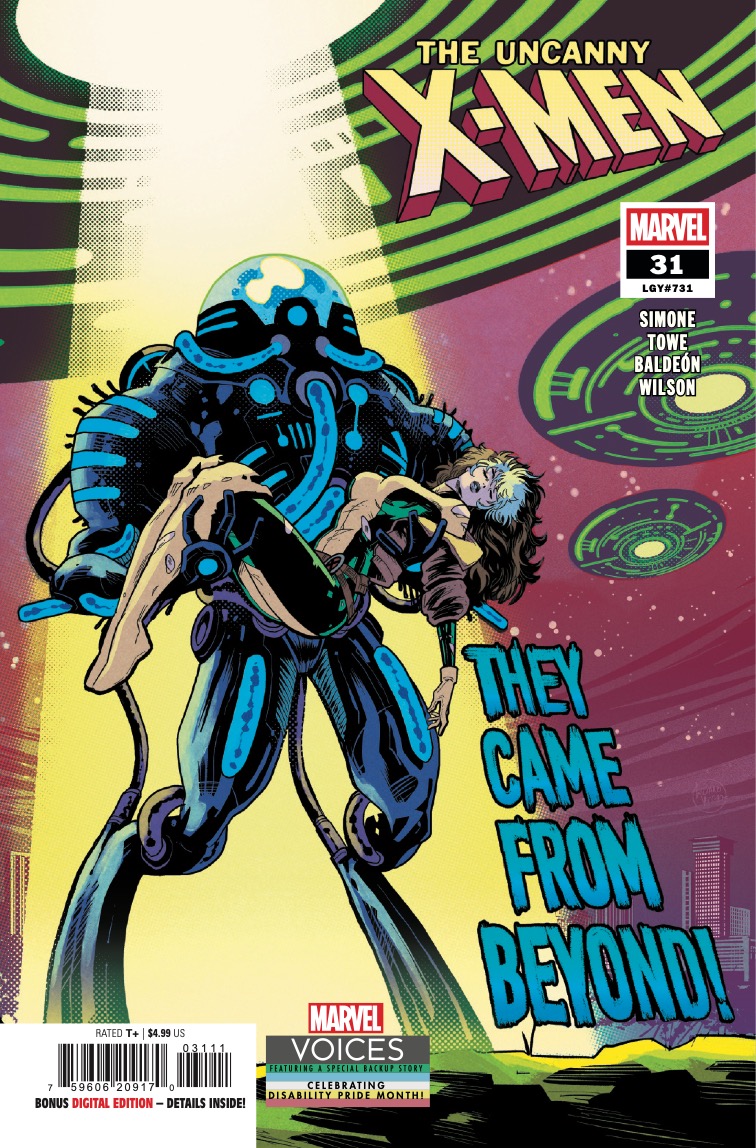
The core narrative of Uncanny X-Men #31 centers on an unexpected and brutal invasion of Louisiana by a mysterious force of alien ships. Marvel’s official synopsis paints a dire picture: the Bayou has become "ground zero" for a coordinated extraterrestrial strike.

What makes this threat particularly daunting is the specificity of the invaders’ mission. While the nature of their objective remains shrouded in secrecy, the collateral damage is already mounting. The X-Men find themselves in a position where they must act as a barrier between an unstoppable alien armada and the civilian population. For the X-Men, this is more than just a fight; it is a test of their endurance. The "chaperones to terror," as the solicitation teases, are tasked with managing a crisis that threatens to unravel the region entirely.
The Human Element: When the Mundane Collides with the Apocalyptic
Beyond the galactic-scale threat, Simone is interweaving smaller, more intimate subplots that provide necessary relief from the bombastic action. One such narrative thread follows an "Outlier"—a mutant living on the fringes of society—who finds themselves in the midst of the "worst first date ever."
This juxtaposition of the mundane struggle of human connection against the backdrop of a potential planetary extinction event is a classic trope of the X-Men mythos. By forcing the characters to reconcile their personal desires with the immediate necessity of survival, the creative team adds a layer of emotional vulnerability that grounds the high-stakes science fiction.
Chronology of the Current X-Men Era
To understand the weight of Uncanny X-Men #31, one must look at the trajectory of the series over the past year. Following the monumental shifts in the mutant status quo that defined the post-Krakoan era, the current run has focused on re-establishing the X-Men as a global team.
- Early 2026: The X-Men began consolidating their base of operations, moving away from the isolated island-nation mentality and re-integrating into human society—often with friction.
- Spring 2026: The emergence of new, "Outlier" mutant populations led to increased tension with both governmental agencies and extraterrestrial observers.
- July 2026: The current "Louisiana Crisis" represents the culmination of these tensions, as outside forces have finally decided to move against Earth’s mutant population while they are in a state of transition.
This progression suggests that the invasion in issue #31 is not a random occurrence but a calculated move by an antagonist force that has been observing the X-Men’s movements for months.
Behind the Scenes: The Creative Powerhouse
The artistic direction of Uncanny X-Men #31 is handled by a powerhouse team led by Gail Simone. Known for her razor-sharp dialogue and deep understanding of character psychology, Simone has been widely praised for her ability to balance the demands of a superhero ensemble with the nuance of individual character arcs.

The visual storytelling is brought to life by artists David Baldeón and Jim Towe, with colors provided by Matt Wilson.
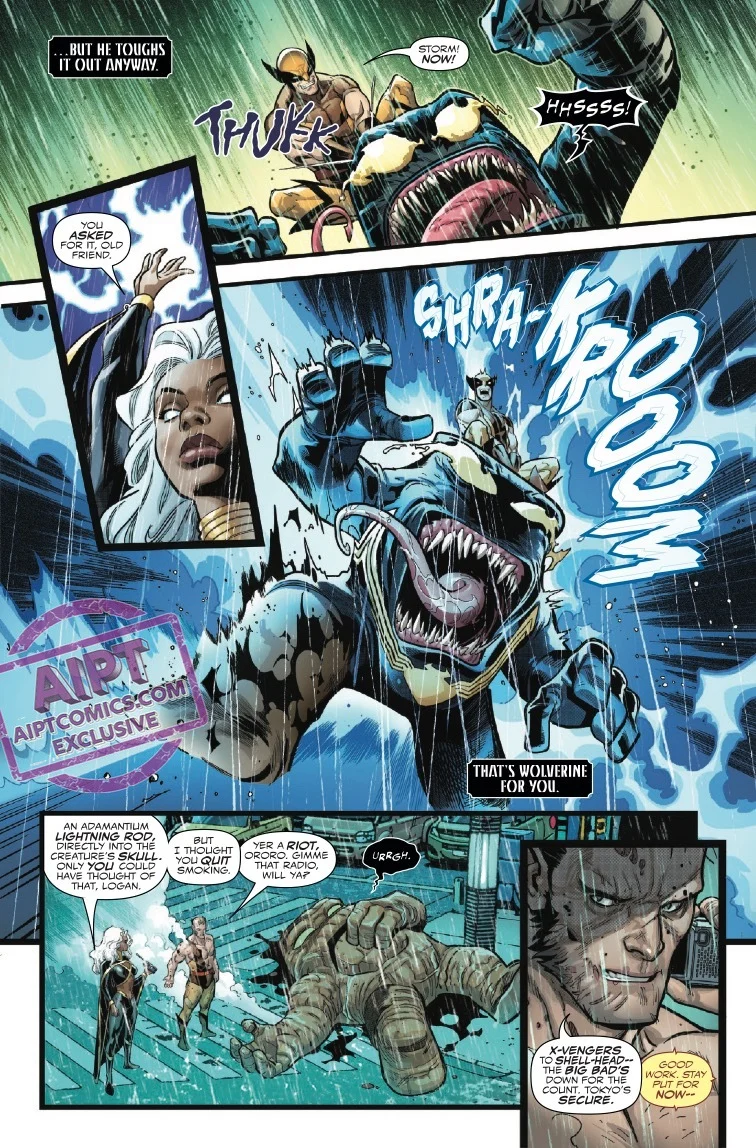
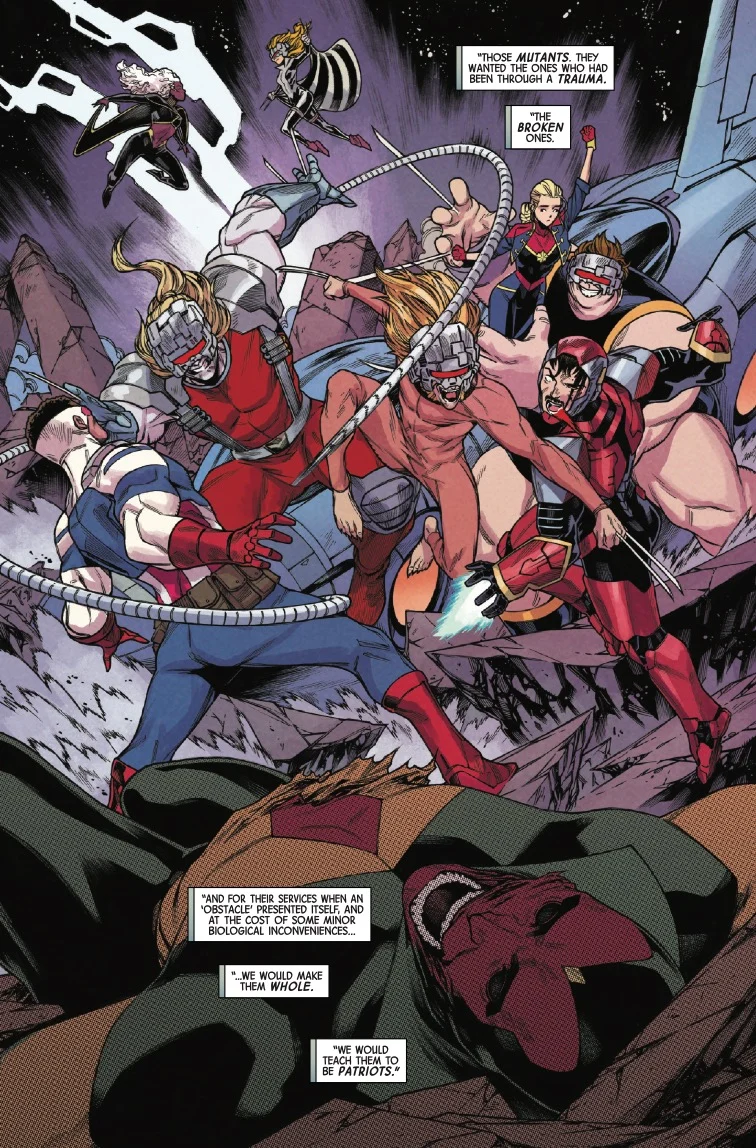
- David Baldeón’s dynamic, kinetic style is perfectly suited for the chaotic nature of an alien invasion. His ability to render large-scale destruction while maintaining clear character expressions is vital for this issue.
- Jim Towe’s contribution ensures that the transition between the high-action sequences and the smaller, more personal moments feels seamless.
- Matt Wilson’s vibrant, high-contrast coloring palate is expected to emphasize the eerie, humid atmosphere of the Louisiana setting, juxtaposed against the cold, metallic aesthetic of the alien vessels.
The cover art, provided by Luciano Vecchio with colors by Matt Wilson, serves as a striking visual centerpiece, emphasizing the scale of the conflict that readers can expect to find within the 32 pages of the book.
A Special Commitment to Inclusion
One of the most anticipated aspects of this issue is the inclusion of a special backup story dedicated to Disability Pride Month. Marvel Comics has increasingly prioritized representation, and this initiative serves to highlight the diverse experiences of the mutant population.

By dedicating space to a story that honors the disability community, the editorial team is reinforcing the core X-Men metaphor: that power, struggle, and identity are multifaceted. It remains to be seen whether this backup story will tie directly into the main narrative or serve as a standalone vignette, but its presence speaks volumes about the editorial direction of the title—prioritizing depth and social relevance alongside traditional superhero tropes.
Implications for the Future of the Mutant Race
The fallout from Uncanny X-Men #31 is expected to be significant. With the X-Men operating as "chaperones" during a time of global anxiety, their failure or success in Louisiana will have long-term geopolitical consequences.
- Public Perception: If the X-Men successfully repel the alien invasion, they may solidify their standing as the world’s premier defense force. However, if they struggle, or if the "dancing children" mentioned in the solicitation are harmed, the public trust they have been working to rebuild could evaporate instantly.
- Extraterrestrial Relations: The presence of an "attack force of alien ships" suggests that the X-Men are now firmly on the radar of galactic empires. This could set the stage for a broader cosmic arc in the coming months.
- The Evolution of the Team: With Simone at the helm, the internal dynamics of the team are likely to shift. The stress of defending a population that is often hostile toward them will inevitably cause fractures within the ranks.
Conclusion: Why This Issue Matters
Uncanny X-Men #31 represents a critical junction for Marvel’s merry mutants. It manages to balance the traditional "Big Event" feel of a superhero comic with a commitment to diverse storytelling and character development. As readers prepare to head to the comic shops on July 8, the anticipation is not just about the spectacle of alien ships over the Bayou, but about how these characters—both established icons and new, fringe outliers—will respond when the world they are trying to save threatens to tear itself apart.

Whether you are a long-time reader of the X-Men or a newcomer intrigued by the promise of a high-stakes, character-driven story, issue #31 promises to be a defining moment in the 2026 publication calendar. As the X-Men step into the role of chaperones to a world on the brink, the only thing certain is that nothing will be the same once the smoke clears over Louisiana.