Asep Darmawan
As the Diablo franchise approaches one of its most significant milestones since the launch of Diablo 4, the developers at Blizzard Entertainment are recalibrating their seasonal model. With the impending arrival of the Lord of Hatred expansion, the studio has confirmed that the associated seasonal rollout—officially titled the "Season of Reckoning"—will deviate from the content-heavy template established in previous months. For players who choose not to purchase the expansion, this season represents a notable shift in the game’s post-launch rhythm.
Main Facts: A Leaner Seasonal Experience
The "Season of Reckoning" is set to launch alongside the Lord of Hatred expansion, effectively acting as the 13th seasonal cycle for the title. While all players will have access to the base seasonal framework, Blizzard has been transparent about the fact that this specific entry will be leaner in terms of narrative-driven gameplay mechanics and seasonal themes.
The core of the seasonal experience remains intact: players can still engage in the Season Rank chase, earn Smoldering Ashes to boost their character progression, and complete chapter-based objectives for various cosmetic and material rewards. Additionally, the Seasonal Blessings system—which allows players to invest earned currency into global buffs—will return.
However, players should temper their expectations regarding "meatier" content. Unlike the elaborate, mechanic-heavy seasons that preceded it, the Season of Reckoning focuses more on a standard, streamlined progression path. The Battle Pass, a staple of the Diablo 4 ecosystem, will also make its return, featuring four distinct "Reliquaries." In a continuation of the current monetization model, the first of these Reliquaries is free for all players, while the subsequent three are locked behind the premium tier of the Battle Pass.
Chronology: The Road to the Lord of Hatred
To understand why Blizzard is adopting this "less is more" approach for the upcoming season, it is necessary to look at the timeline of the game’s evolution.
- Pre-Launch and Initial Seasons: Diablo 4 launched with a commitment to a quarterly seasonal model, each designed to inject massive amounts of new systems, seasonal power, and story beats into the game.
- The Announcement Phase: Following the critical reception of early seasons, Blizzard pivoted toward larger expansion-based content drops, with Vessel of Hatred serving as the blueprint for this new, dual-track model.
- The Current Moment: As we approach the release of Lord of Hatred, the pre-load window has officially opened. Players across PC, PlayStation, and Xbox consoles are currently able to download the game files, which include the entirety of the expansion content (patch 3.0.0).
- The Launch: On April 27/28, the official launch will trigger, accompanied by a final, smaller patch (version 3.0.1) that will unlock the expansion’s specific content for those who have purchased the license.
Supporting Data: Why the Shift?
The decision to offer a lighter seasonal experience alongside a massive expansion is a calculated strategic move. In previous iterations, Blizzard attempted to layer seasonal mechanics on top of existing gameplay, which occasionally led to "feature bloat." By thinning the seasonal additions during an expansion release, Blizzard is prioritizing the expansion’s new zones, classes, and endgame systems over competing seasonal novelties.
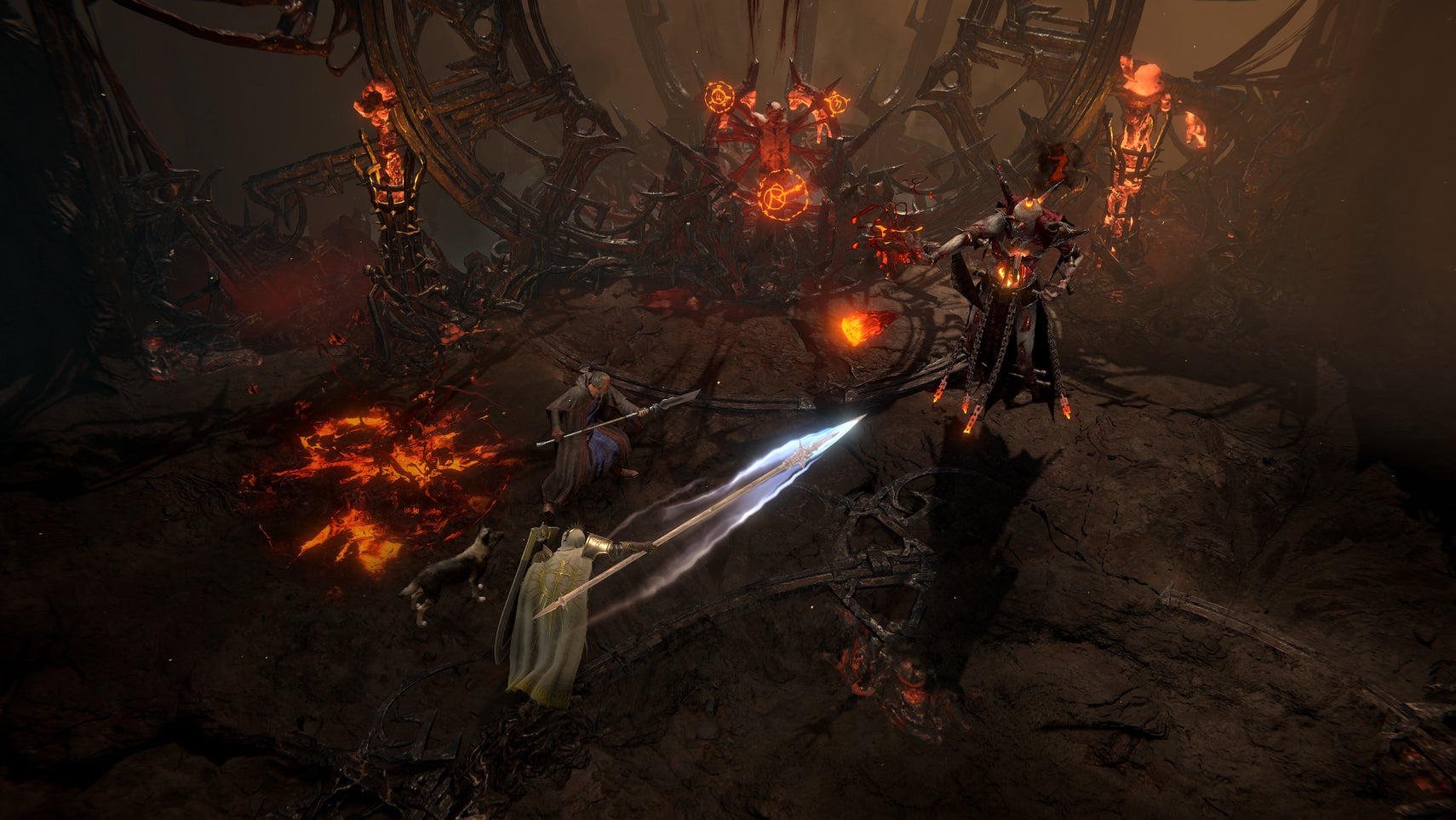
The data surrounding the Diablo player base suggests that when a major expansion drops, the vast majority of the community shifts their focus entirely toward the new campaign, the new character class, and the overhauled endgame systems. By dedicating development resources to the expansion rather than an exhaustive seasonal mechanic, Blizzard ensures that the expansion’s core systems—which impact the permanent state of the game—are as polished as possible.
Furthermore, the integration of all expansion data into the general patch (3.0.0) ensures that the game’s client remains unified. This prevents technical fragmentation, where players on different versions of the game might be unable to interact or play together in the shared open world.
Official Responses and Developer Intent
Blizzard has been clear in their communications that the Season of Reckoning is an outlier, not the new standard. In statements regarding the future of the game, representatives have emphasized that future seasons—those occurring between major expansions—will return to the "classic" format. This classic format involves:
- Unique Seasonal Mechanics: Systems designed to change the way combat or crafting functions for a three-month period.
- Dedicated Storylines: Narrative arcs that provide context for the seasonal theme.
- Expanded Endgame: New bosses or activities specifically tuned for the season.
The developers have framed the Season of Reckoning as a necessary bridge. By scaling back the seasonal-specific content during the Lord of Hatred window, the team is effectively ensuring that the launch of the expansion is as stable as possible. The primary goal for this window is to allow the player base to absorb the seismic changes the expansion brings to the base game’s difficulty tiers, progression systems, and itemization.
Implications: Is the Season Worth It?
For the dedicated Diablo 4 player, the implications of this news are twofold.
First, for those purchasing Lord of Hatred, the "lack" of seasonal content is irrelevant. The expansion itself is designed to overhaul the experience so thoroughly that the season acts merely as a leaderboard and progress-tracking vehicle. Based on recent critical reviews, the expansion provides enough new gameplay loops to satisfy even the most demanding players, making the seasonal "lightness" a non-issue.

Second, for the free-to-play player who does not intend to purchase the expansion, the outlook is more sobering. The "Season of Reckoning" will provide a familiar loop, but it lacks the injection of fresh gameplay mechanics that kept previous seasons feeling like "new games." If your primary motivation for playing Diablo 4 is the innovative seasonal mechanics that change the meta, this season may feel like a plateau.
However, the game’s fundamental systems—including the itemization updates and the endgame refinements that have been steadily improved over the past year—remain available to all. The game is arguably in its best state since launch, even if the seasonal novelty is being dialled back to make room for the expansion’s massive footprint.
Looking Ahead
The transition into the Season of Reckoning marks a maturation point for Diablo 4. Blizzard is moving away from the "all-in" quarterly design that characterized the game’s first year, shifting toward a sustainable model that balances massive, paid expansions with periodic, free, and manageable seasonal content.
As we approach the April 27/28 launch, players are encouraged to utilize the current pre-load window to ensure their systems are updated to version 3.0.0. Whether you are diving into the depths of the Lord of Hatred or continuing your journey through the base game’s endgame, the next few months will define the future trajectory of the Diablo franchise. While the Season of Reckoning may be quieter than its predecessors, it is likely the foundation for a much more stable and content-rich era for the game.


 Asro
Asro
 Muslim