
 Neng Nana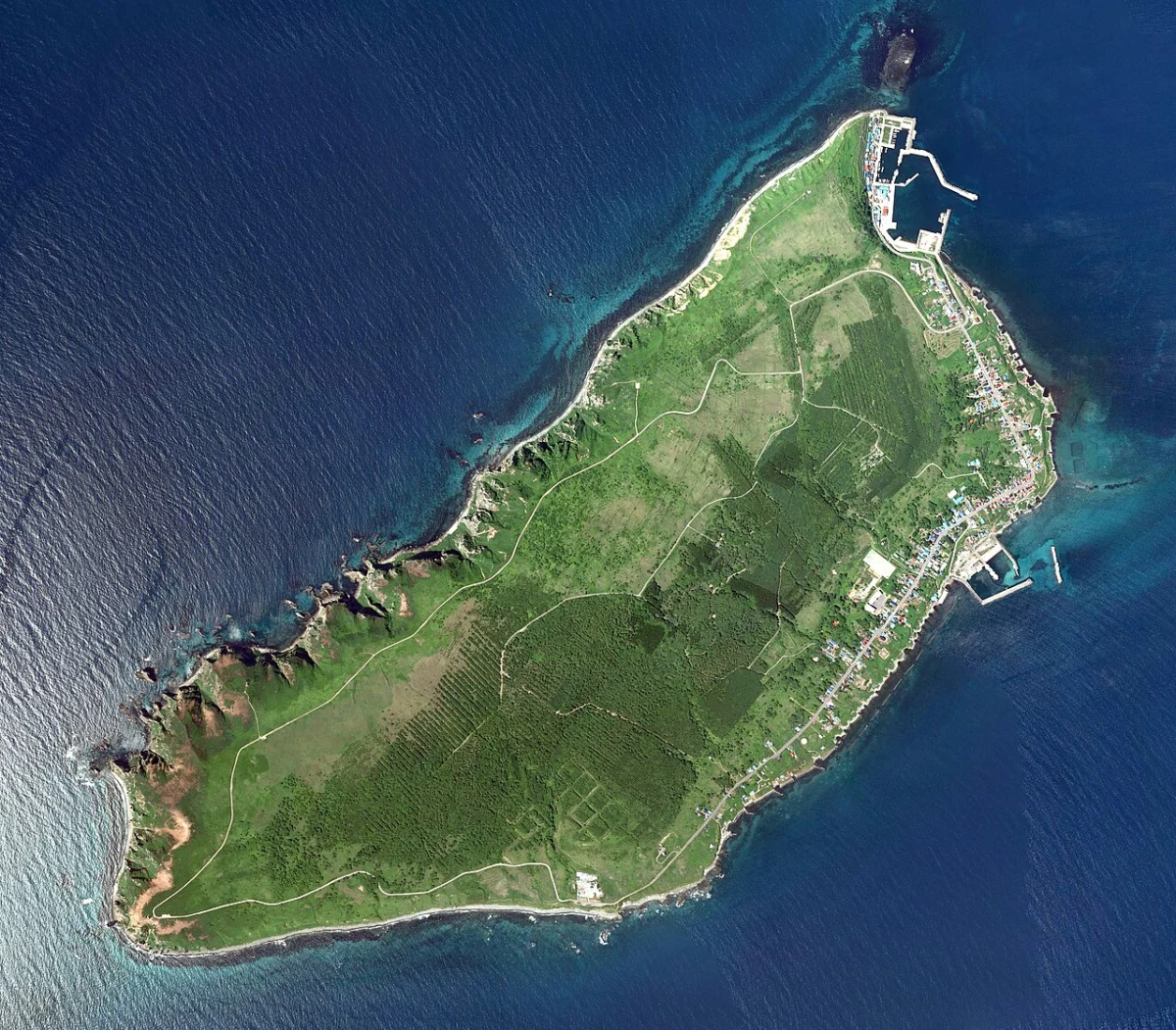
Two hundred kilometers north of Sapporo, where the rugged Hokkaido coastline meets the cold, turbulent waters of the Japan Sea, lies the fishing town of Haboro. While the town itself is a modest hub of maritime industry, it serves as the gateway to an ecological phenomenon of global significance. Just twenty kilometers offshore, the twin islands of Teuri and Yagishiri stand as the most densely populated seabird breeding colonies in Japan. This region, where the nutrient-rich Tsushima Current strikes the continental shelf, supports a fragile but thriving ecosystem that remains one of the country’s best-kept secrets.
For the intrepid traveler, the ornithologist, or the photographer seeking to step off the well-trodden "Golden Route" of Japan, this remote archipelago offers a profound, if logistically demanding, connection to the natural world.
Main Facts: A Wilderness in the North
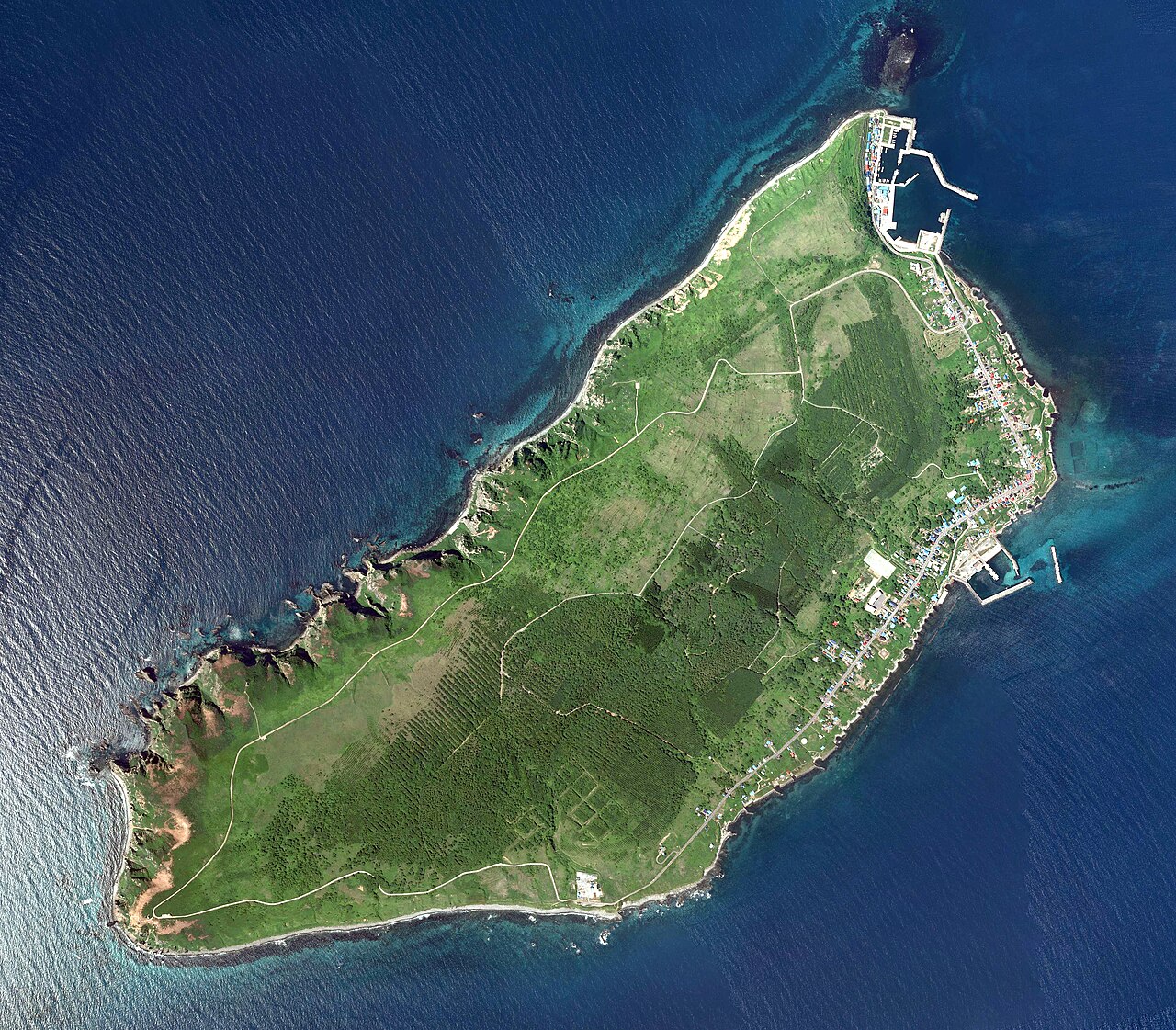
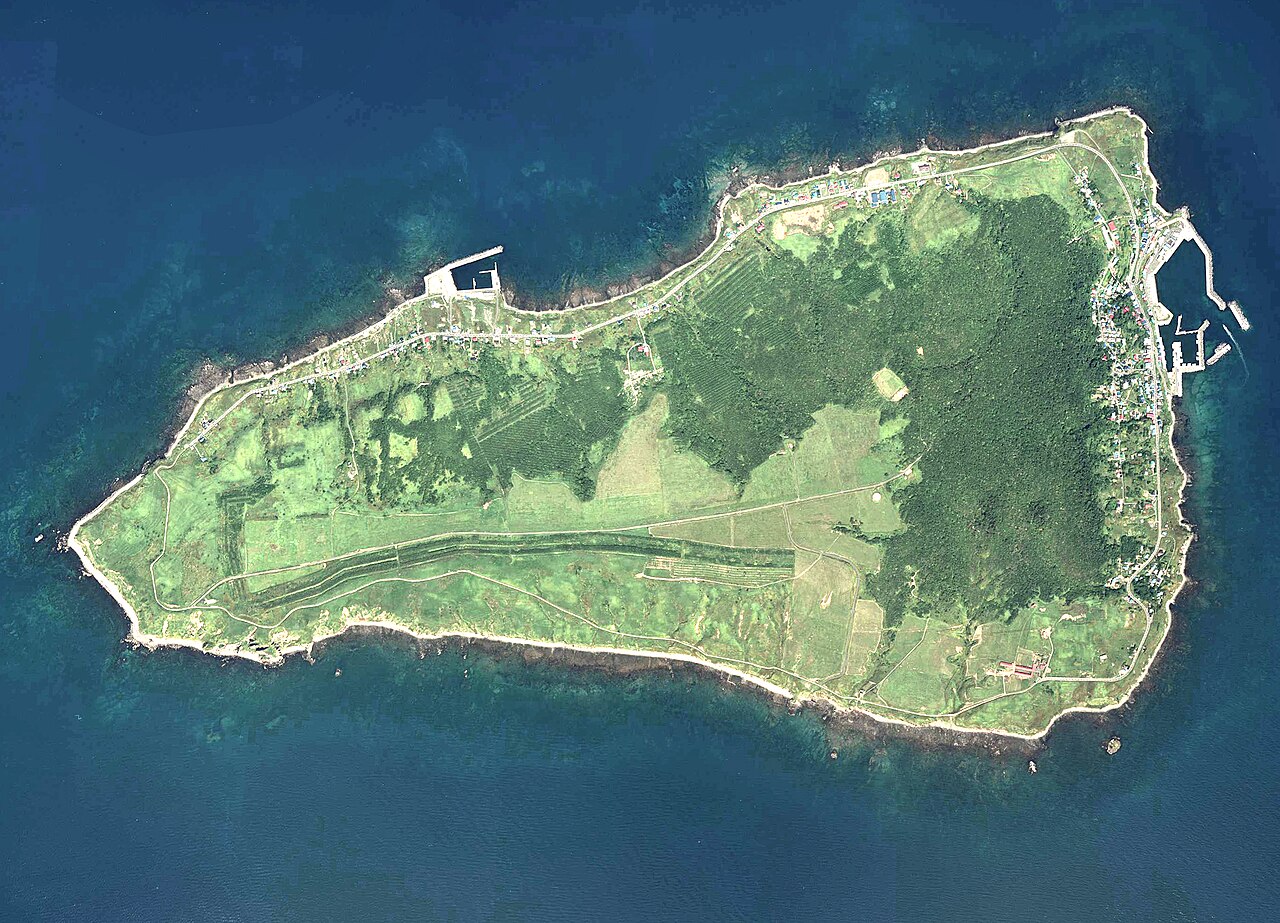
The Haboro-Teuri-Yagishiri corridor is a masterclass in biodiversity management. Teuri Island, a mere 12 kilometers in circumference, is the undisputed crown jewel of this region. Every spring, its basalt cliffs transform into a cacophony of life, hosting approximately 800,000 rhinoceros auklets. Alongside these "sentinels of the sea," the island supports eight other seabird species, including common murres, pelagic cormorants, spectacled guillemots, and black-tailed gulls.
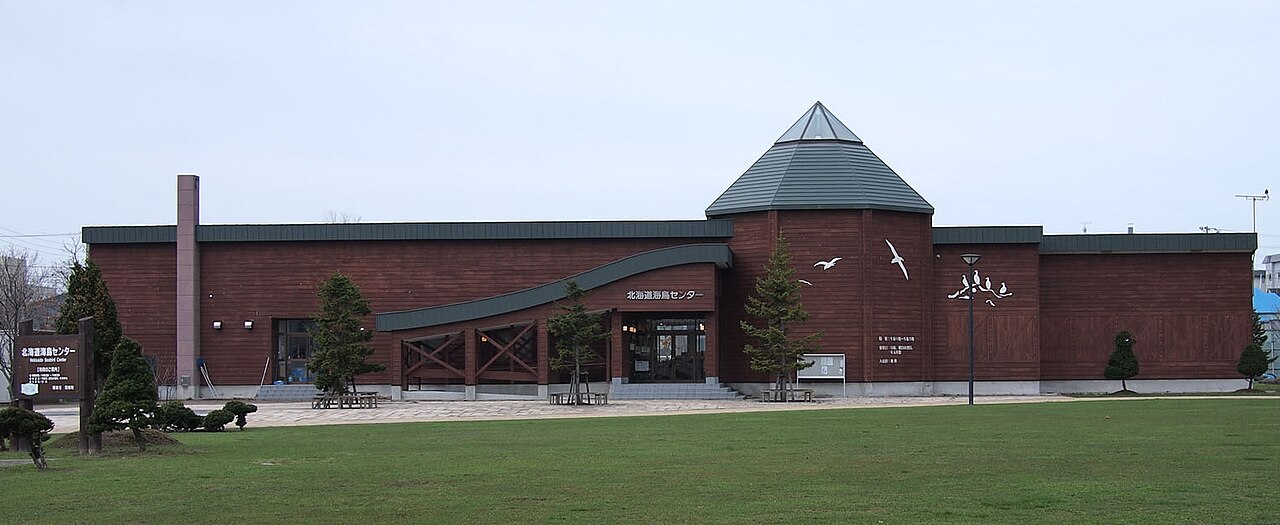
The Hokkaido Seabird Center, located in Haboro, acts as the administrative and intellectual heart of this sanctuary. Established in 1997, it serves as both a public museum and a critical research facility under the auspices of Japan’s Ministry of the Environment. It is the primary node for monitoring the health of the colonies, providing the data necessary to navigate the complex intersection of local commercial fishing and international conservation standards.
Chronology: A History of Coexistence and Loss
The relationship between the local Haboro fishing fleet and the seabird colonies has evolved significantly over the last half-century.
- The 1970s–1980s: A Period of Decline: During this era, the seabird population faced severe stressors. Most notably, the tufted puffin colony—once a hallmark of Teuri’s biodiversity—suffered a catastrophic collapse, largely due to bycatch in local longline fisheries. The final confirmed breeding pair was recorded in 2010, marking a somber chapter in the island’s natural history.
- 1997: The Turning Point: The opening of the Hokkaido Seabird Center signaled a paradigm shift. Rather than viewing the birds and the fishing industry as competing interests, the facility was designed to foster data-driven coexistence.
- 2000s–Present: Refinement of Conservation: Increased focus on sustainable fishing practices and public education has stabilized the populations of rhinoceros auklets and other species. The center now functions as a bridge between the local community and the global scientific community.
Supporting Data: The Logistics of Discovery
Accessing this remote corner of Hokkaido requires careful planning. The Haboro Enkai Ferry operates the vital link between the mainland and the islands.
Ferry Logistics
- Summer Season (April–October): Three daily round-trips are standard, with a travel time of 55 minutes to Yagishiri and 90 minutes to Teuri.
- Winter Season (November–March): Service is drastically reduced to one or two daily round-trips, with high susceptibility to weather-related cancellations.
- Costs: A return trip to Teuri costs approximately ¥4,420 for adults. High-speed jet-foil services are available in summer for those looking to maximize their time.
Demographic and Geographic Highlights
- Teuri Island: Population ~300. Characterized by its dramatic 2km-long northwestern basalt wall, which serves as the primary nesting site.
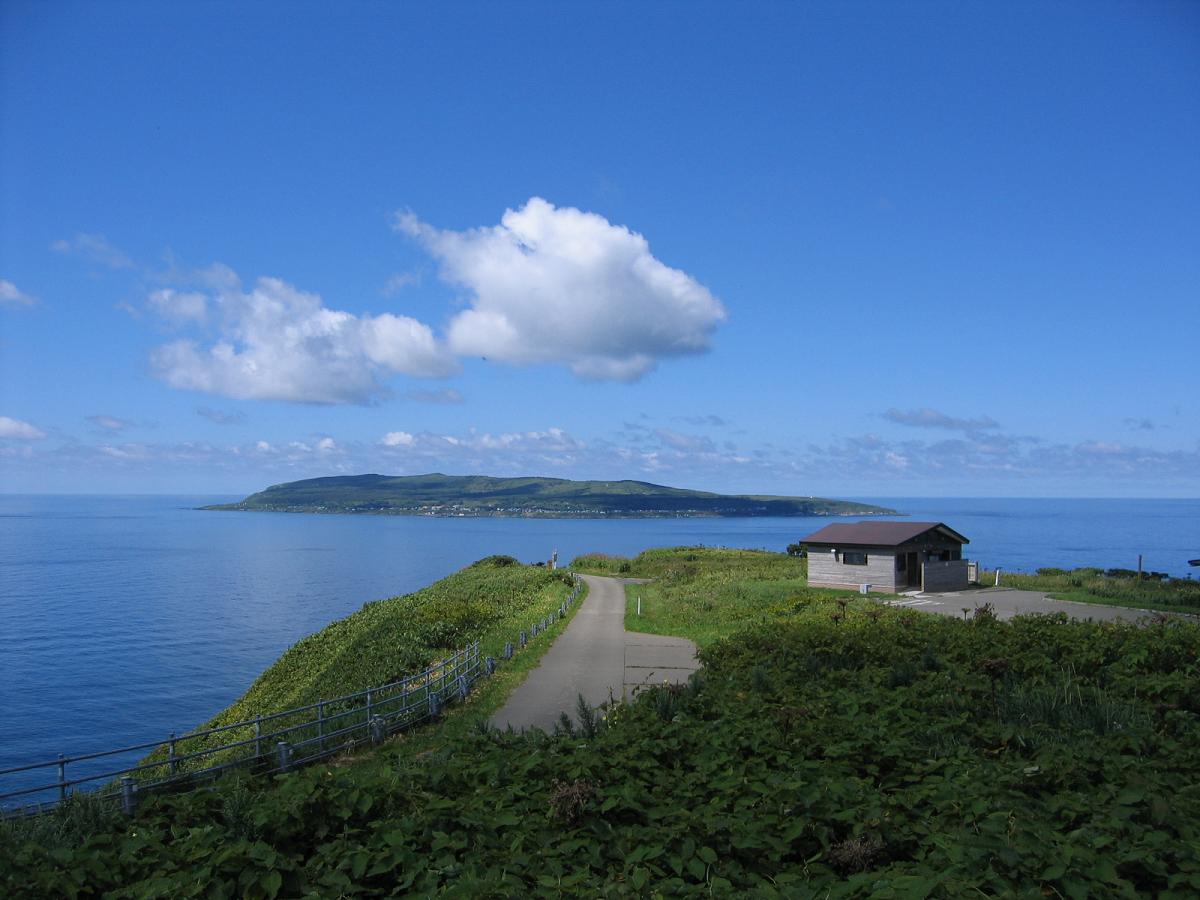
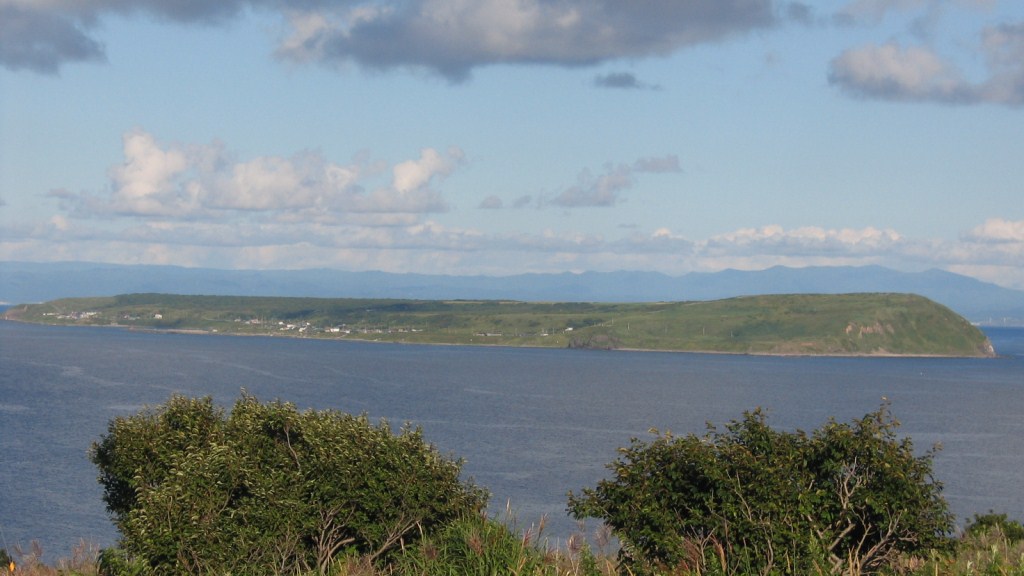
- Yagishiri Island: Population ~230. Defined by its 7km perimeter and its unique status as the site of Japan’s only northern-latitude primeval broadleaf forest. It is also home to the only commercial sheep farm in Hokkaido, contributing to a landscape that feels more Hebridean than East Asian.
Official Responses and Conservation Strategy
The Hokkaido Seabird Center does more than display stuffed specimens; it manages the delicate balance of a working ecosystem. According to research staff at the Center, the primary challenge remains the impact of human activity on the birds’ foraging grounds.
"The conflict between traditional fishing and seabird protection is not one of malice, but of coexistence," notes a spokesperson for the facility. The Center actively collaborates with local fishermen to refine gear and practices to reduce bycatch, a strategy that has seen success in stabilizing the rhinoceros auklet population.
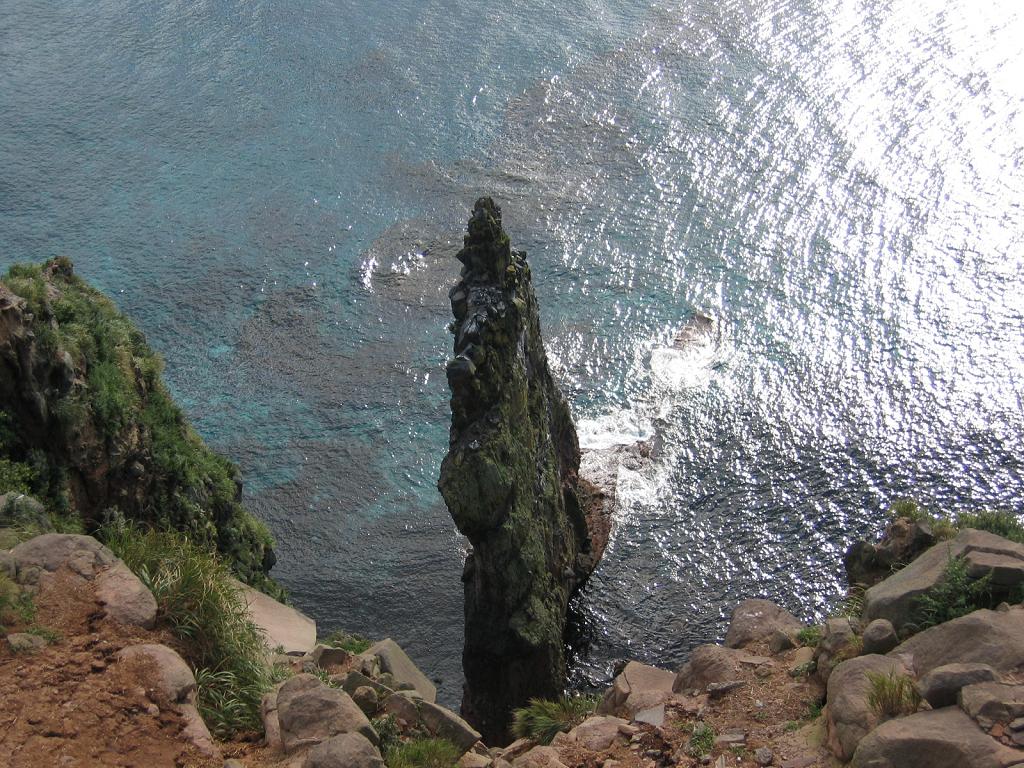
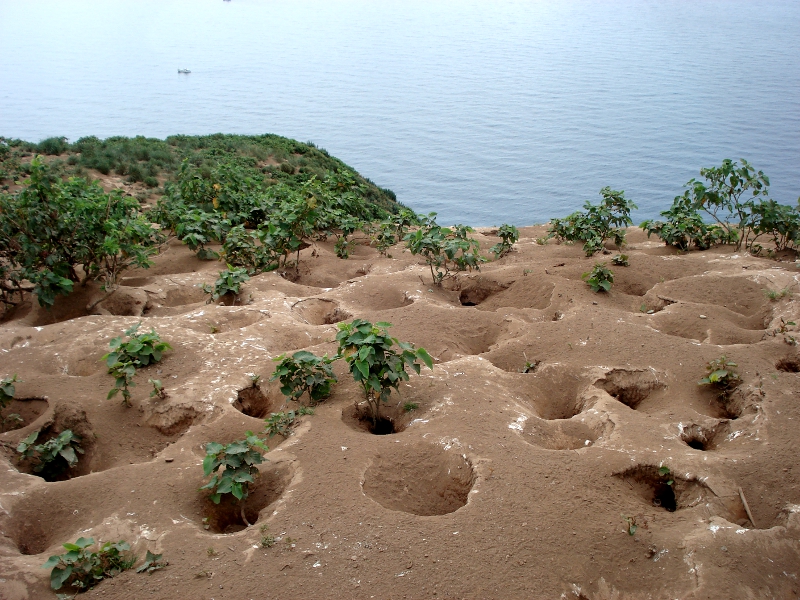
Furthermore, the Center’s "Seabird Breeding Ground Guided Tour" is a strategic tool for conservation. By funneling visitors through authorized, knowledgeable guides, the facility minimizes the physical disturbance to sensitive breeding sites, particularly the burrow-dense turf at the cliff tops where even a misplaced step can cause significant ecological damage.
The Implications of "Deep Travel"
The decision to visit Teuri and Yagishiri carries with it an implicit responsibility. These are not mass-tourism destinations; they are fragile, functioning laboratories of nature.
Why the Trip Matters
For the committed naturalist, the "dusk return" of the rhinoceros auklets—where hundreds of thousands of birds swarm back to their burrows in a 30-45 minute window—is one of the most spectacular wildlife events in the Pacific. It is a raw, unscripted, and deeply moving experience that puts the observer in the path of a relentless biological drive.
The Trade-offs
Travelers must be prepared for:
- Language Barriers: While the Seabird Center provides adequate English materials, the islands themselves are largely Japanese-speaking. Patience, humility, and the use of translation tools are essential.
- Logistical Rigidity: The reliance on ferries means that a change in wind speed or sea state can alter plans instantly. The ability to embrace spontaneity is a prerequisite for a successful trip.
- The "Peripheral" Reality: This is not a luxury destination. It is a place of working fishing boats, minshuku (guesthouses) with communal meals, and quiet, unlit cliff paths. It is an immersion into the reality of remote Japanese life, not a polished tourist experience.
A Call to Responsible Stewardship
The Haboro-Teuri-Yagishiri route is for those who understand that the value of a destination is found in its authenticity. By prioritizing the Hokkaido Seabird Center in their itinerary, visitors contribute to the economic viability of the local conservation efforts.
If you are a photographer, bring your long lenses and your patience. If you are a birder, bring your field guides and a red-filtered headlamp. If you are a traveler looking for the "real" Japan, bring an open mind and a willingness to be humbled by the sheer scale of the natural world. In the shadow of the basalt cliffs, where the currents churn and the auklets return, one finds a rare opportunity to witness an environment that has, against the odds, learned to survive in the modern age.
When planning your visit, remember: the goal is not to conquer the landscape, but to observe it without leaving a trace. In doing so, you ensure that the sentinels of the Tsushima Current continue their vital work for generations to come.



 Asro
Asro





