

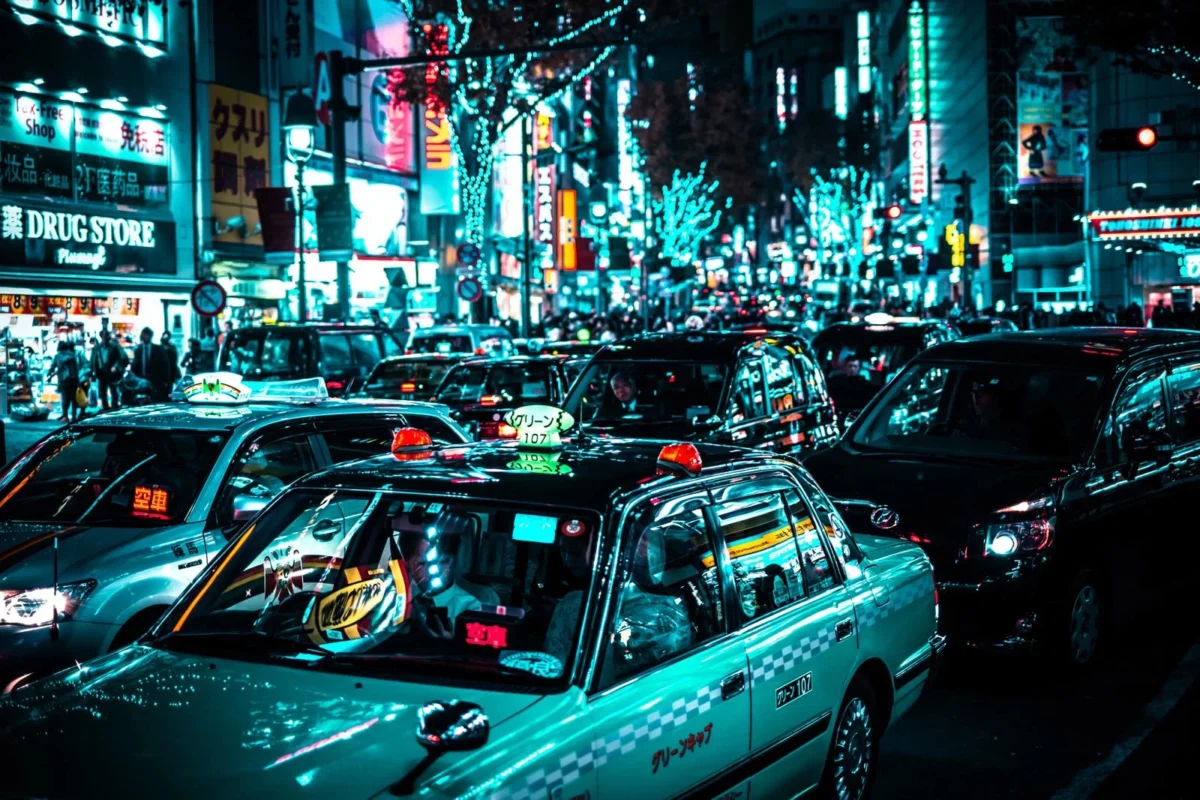
In a jarring incident that has sent shockwaves through Tokyo’s tourism and transport sectors, a late-night collision involving a high-performance Nissan GT-R has brought the clandestine world of illegal “white taxi” (shirotaku) operations into sharp focus. The incident, which occurred near the world-famous Shibuya Scramble Crossing, resulted in injuries to three German tourists and has prompted a stern warning from Japanese authorities regarding the safety of accepting unofficial transportation services.
The Incident: A High-Speed Disaster
On the night of May 17, what began as a casual interaction between tourists and a local motorist turned into a terrifying vehicular accident. At approximately 12:30 a.m., three German women in their 20s were exploring the vibrant streets near Shibuya station. According to reports, the women were initially drawn to a white Nissan GT-R parked nearby, stopping to photograph the high-end sports car.
The driver, a 38-year-old male company employee residing in Kawasaki, reportedly seized the opportunity to solicit the group. He allegedly offered the tourists a “sightseeing tour” of the area in his personal vehicle for a fee of 5,000 yen (approximately US$34). Enticed by the offer and the allure of riding in a high-performance vehicle, the tourists accepted.
Shortly after the group boarded the vehicle—with one passenger in the front and two in the back—the situation turned dire. While navigating the public roads near the Shibuya Scramble, the GT-R collided with a taxi that was executing a legal right-hand turn from an oncoming lane. The force of the impact was significant, resulting in extensive front-end damage to the sports car and leaving all four occupants, as well as the driver, with various injuries, including sprains and contusions.
Security camera footage later analyzed by investigators revealed that the GT-R was traveling at an estimated 120 kilometers per hour (approximately 75 miles per hour) on a public road at the time of the collision—a speed nearly triple the typical limit for such dense urban environments.
Chronology of the Investigation and Arrest
The legal aftermath of the collision was swift. Following an investigation into the circumstances of the crash, Tokyo police arrested the 38-year-old driver on July 7, nearly two months after the incident. He faces charges of operating an unlicensed taxi service and causing injury through professional negligence.
- May 17, 12:30 a.m.: The incident occurs near Shibuya Scramble Crossing. The driver approaches three German tourists, offering a paid ride in his private Nissan GT-R.
- May 17, Post-Collision: Local authorities arrive at the scene to find both vehicles heavily damaged. Initial medical assessments confirm non-life-threatening injuries for all involved parties.
- June 2026: Throughout this period, the Metropolitan Police Department compiles evidence, including surveillance footage and witness statements, confirming the nature of the transaction between the driver and the tourists.
- July 7, 2026: The suspect is officially taken into custody. While he admits to driving the tourists, he continues to contest the allegation that he accepted payment for the service, despite evidence suggesting a financial exchange occurred prior to the journey.
Understanding the "White Taxi" Phenomenon
In Japan, the term shirotaku—literally “white taxi”—refers to the illegal practice of using a privately registered vehicle to transport passengers for a fee. The nomenclature is derived from the color of the license plates: privately owned vehicles in Japan carry white license plates, whereas authorized commercial transport vehicles are required by law to display green license plates.
The distinction is not merely aesthetic; it is a critical regulatory safeguard. Licensed taxi operators must adhere to rigorous safety protocols, regular vehicle maintenance schedules, and comprehensive commercial insurance requirements. Furthermore, drivers of licensed taxis are subject to stringent background checks and specialized training to ensure the safety of the public.
In contrast, shirotaku operators bypass these legal requirements entirely. By operating outside the purview of the Ministry of Land, Infrastructure, Transport and Tourism (MLIT), these drivers avoid the overhead costs of commercial insurance and regulatory compliance. Consequently, if an accident occurs while a passenger is using an illegal service, the victim may find themselves without recourse for medical expenses or liability claims, as standard personal auto insurance policies typically exclude coverage for commercial activities.
Escalating Risks: A Pattern of Unlicensed Activity
The Shibuya incident is not an isolated event. It represents a worrying trend identified by the Metropolitan Police Department (MPD). Following the post-pandemic surge in international tourism, authorities have reported a significant increase in reports of unauthorized individuals soliciting rides from foreign visitors.
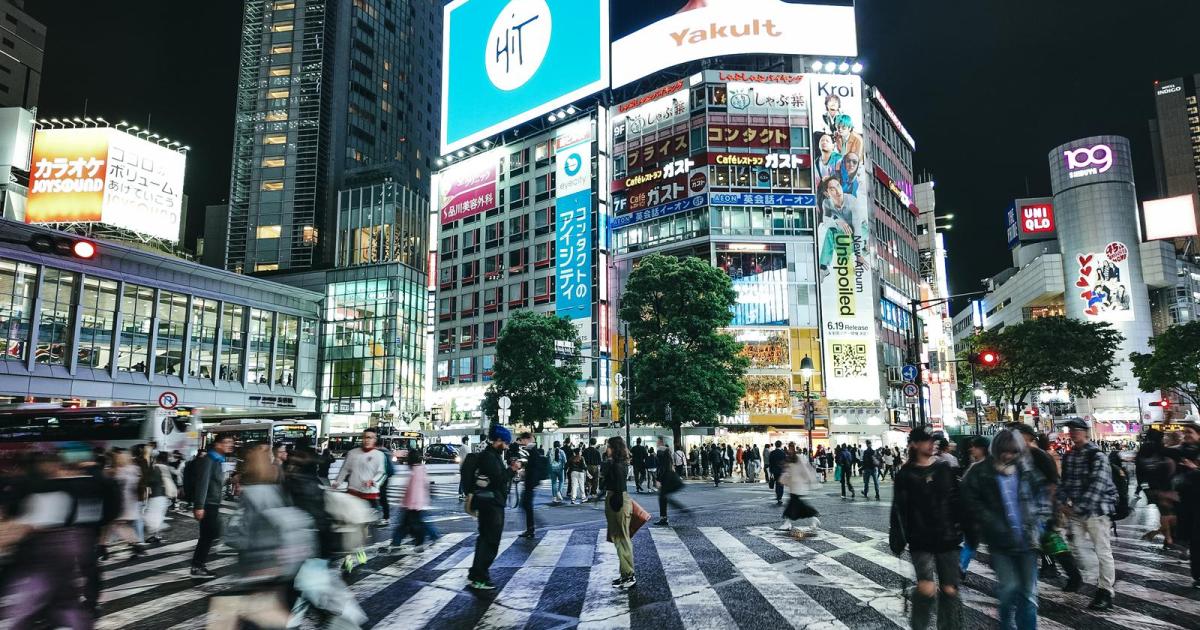
Between April and June of this year alone, the MPD reported receiving over 70 calls regarding suspected shirotaku activity in the Shibuya area. The prevalence of these illegal operations is particularly high around major transportation hubs, airports, and popular nightlife districts where tourists are often unfamiliar with local laws and standard transport pricing.
Police officials suggest that some individuals are using the “exotic” nature of their vehicles—such as modified sports cars or luxury imports—to lure tourists who are unaware of the dangers. The appeal of a “customized” or “exclusive” tour of Tokyo’s streets often overrides the basic safety precautions that a traveler would typically exercise in their home country.
Official Responses and Public Safety Directives
The Metropolitan Police Department has issued a strong advisory in the wake of the arrest, urging both residents and international visitors to exercise extreme caution.
“Visitors must understand that authorized transportation in Japan is clearly marked,” an official statement read. “If a driver approaches you on the street, at a station, or near a tourist site, and requests payment for a ride, you should decline immediately.”
The government is also intensifying its efforts to crack down on these operators. This includes increased police patrols in high-traffic tourist zones and a public awareness campaign aimed at educating international travelers on how to identify legal transport.
How to Identify Authorized Transport in Japan:
- Look for Green License Plates: All legal taxis, including those operated by private companies, must feature green plates.
- Official Markings: Licensed taxis display company logos, roof lanterns, and standardized signage.
- App-Based Services: While ride-hailing is available in Japan, it is strictly regulated. Reputable apps like GO or Uber (in Japan) connect users directly to licensed taxi fleets. Any service offered via a personal social media message or a street-side solicitation is likely a violation of the Road Transport Act.
Broader Implications for Japan’s Tourism Sector
As Japan continues to promote itself as a premier global travel destination, the safety of its transport infrastructure is a critical pillar of its reputation. The shirotaku issue presents a complex challenge for policymakers who must balance the desire for innovation in transport with the non-negotiable requirement of public safety.
The incident involving the Nissan GT-R has sparked a debate about whether current penalties for illegal taxi operations are sufficient to act as a deterrent. Currently, unlicensed operation can lead to fines and, in cases of injury, criminal charges; however, the potential for high profit margins in high-traffic tourist areas remains a temptation for some.
Furthermore, the legal status of the passengers themselves remains a point of caution. While tourists are clearly the victims in this scenario, the Japanese legal system is notoriously strict regarding adherence to transport regulations. Authorities are emphasizing that by patronizing illegal services, tourists inadvertently support a shadow economy that undermines the safety of the city’s overall transport network.
Ultimately, the goal for Tokyo authorities is to ensure that the “Shibuya experience” remains memorable for the right reasons. As the city prepares for future surges in visitor numbers, the message from the police is clear: if the offer seems too convenient or too unconventional, it is almost certainly unsafe. Tourists are encouraged to stick to the well-lit, well-regulated paths of Japan’s professional taxi industry, where safety, insurance, and accountability are guaranteed.











